
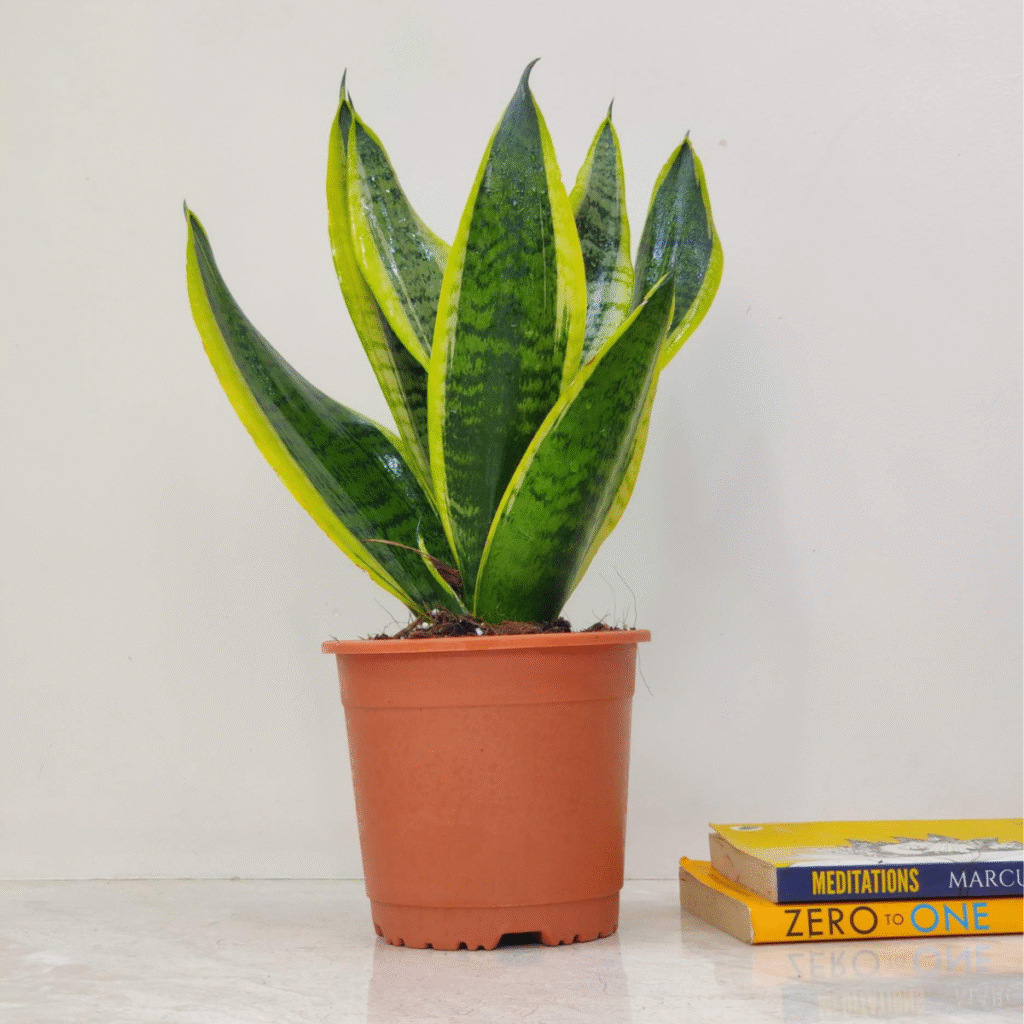
Dracaena trifasciata, affectionately known as the Snake Plant or Mother-In-Law’s Tongue, is the epitome of resilience and style in the world of houseplants. With its striking sword-like leaves and undemanding nature, it’s no wonder this plant has slithered its way into our homes and hearts. However, even the hardiest of plants can encounter a few bumps in the road. Let’s delve into some common pest problems and learn how to tackle issues like overwatering and root rot.
Common Pests: The Unwanted Guests
Spider Mites: The Sneaky Sappers
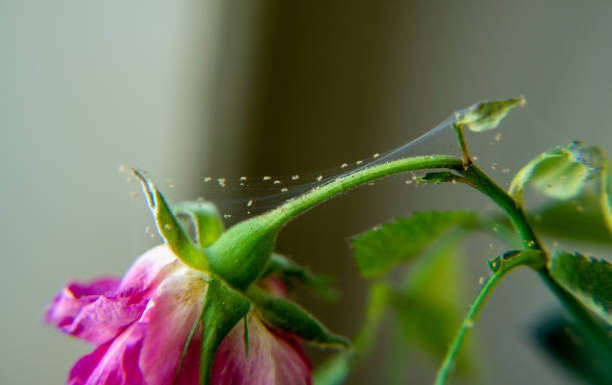
Spider mites are the stealthy saboteurs of the plant world. These tiny terrors are often hard to spot, but their damage isn’t. Look for tell-tale signs like webbing and tiny dots on the leaves, which indicate they’ve been feasting on your plant’s juices. To combat these mites, consider using neem oil or insecticidal soap. A simple wipe-down of the leaves can also be effective. Increasing humidity can deter these mites, as they prefer dry conditions.
Mealybugs: The Cottony Clingers
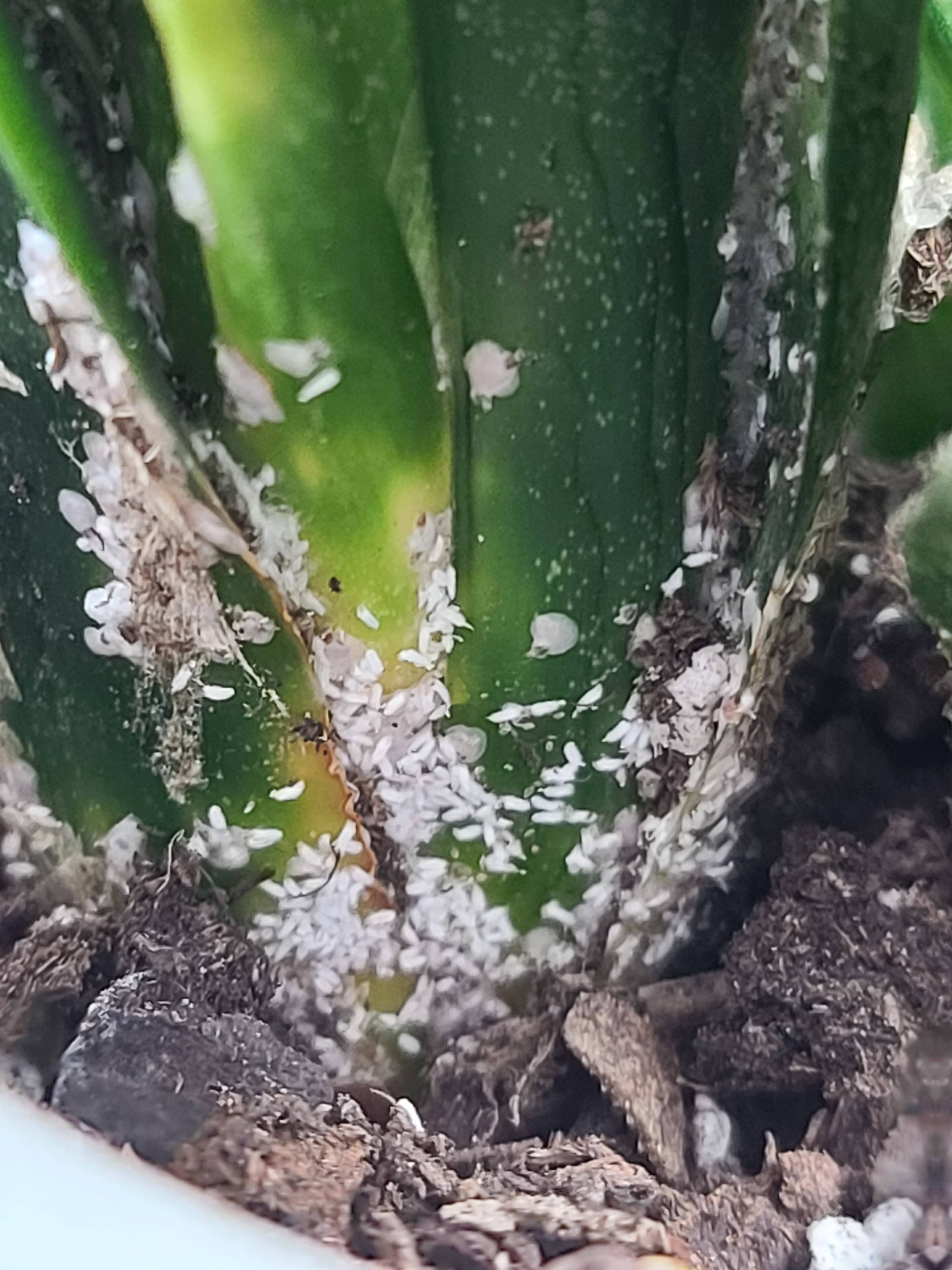
Mealybugs might look like harmless cotton fluff, but don’t be fooled. These pests can quickly become a sticky situation, leaving white, waxy deposits on your plant. To evict these clingy critters, reach for rubbing alcohol or insecticidal soap. Dab the alcohol on them directly with a cotton swab, and watch them disappear. Regular inspections and maintaining your plant’s personal space can prevent future infestations.
Other Culprits: Gnats, Scales, and Aphids
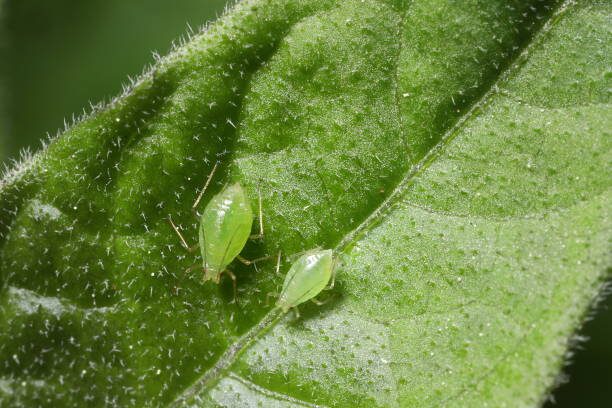
Fungus gnats, those pesky party crashers, thrive in damp soil. Keep them at bay by allowing your soil to dry out between waterings and using sticky traps. Scales, with their hard shells, can be removed with horticultural oil or by recruiting natural predators like ladybugs. Aphids, though less common indoors, can be rinsed off or treated with insecticidal soap.
Troubleshooting Issues: Overwatering and Root Rot
Overwatering: The Silent Threat
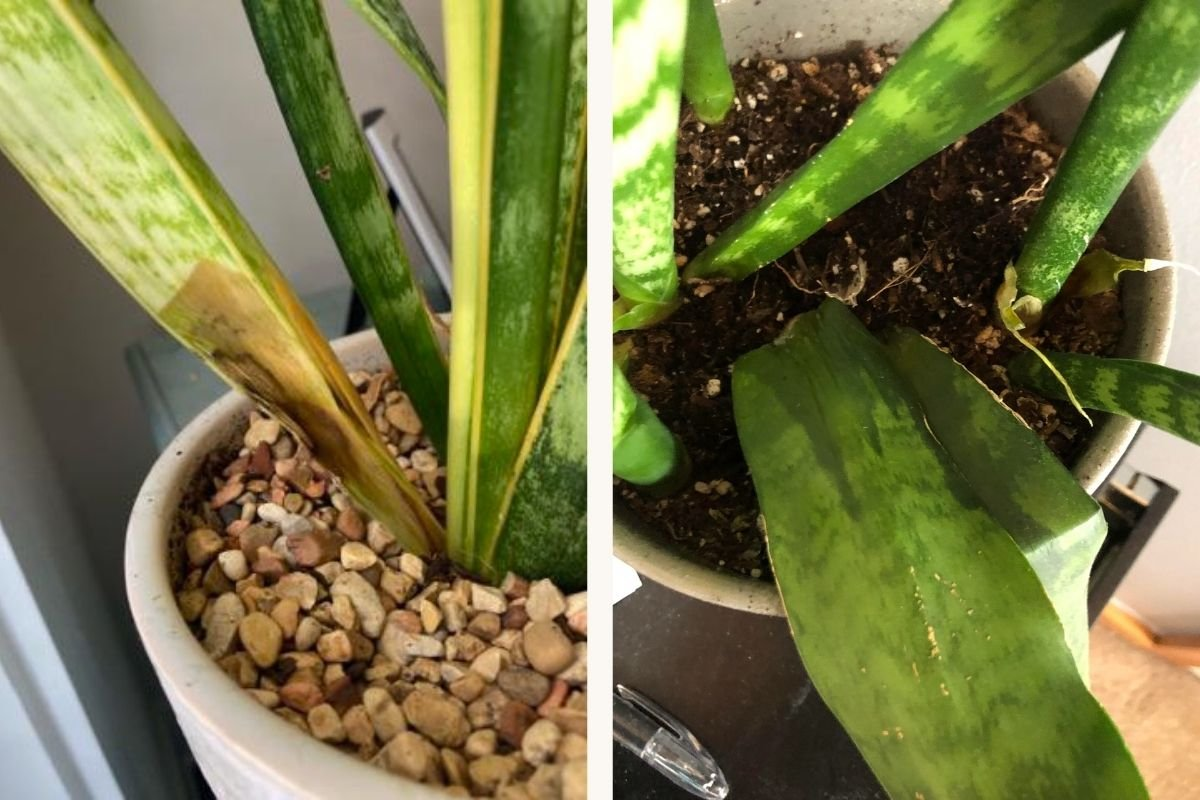
Snake Plants are like the camels of the plant world—they thrive on neglect and prefer their soil dry. Overwatering is a common mistake and can lead to root rot, a condition where the roots become mushy and unable to absorb nutrients. Signs of overwatering include yellowing leaves and a mushy base.
To rescue an overwatered Snake Plant, first allow the soil to dry out completely. If the damage is severe, repot the plant into a fast-draining, soilless potting mix. Always ensure your pot has adequate drainage holes to prevent water from pooling at the bottom. In colder months, reduce watering to about once a month.
Root Rot: The Undercover Assassin
Root rot is the result of prolonged overwatering and poor drainage, leading to a suffocating environment for the plant’s roots. If you suspect root rot, gently remove your plant from its pot and inspect the roots. Healthy roots are firm and white, while rotting ones are soft and brown. Trim away any affected roots and repot the plant in fresh, well-draining soil.
Prevention is Better than Cure
- Water Wisely: Let the soil dry out between waterings. Remember, it’s safer to underwater than to overwater.
- Use the Right Mix: A gritty, fast-draining soil mix is essential. Avoid heavy, water-retentive blends.
- Inspect Regularly: Keep an eye out for pests and signs of rot. Early detection can save your plant.
- Proper Light: While Snake Plants tolerate low light, they flourish in bright, indirect light, which helps maintain strong leaf patterns and robust growth.
The Resilient Guardian
Beyond its practical benefits, the Snake Plant is steeped in symbolism. Its sword-like leaves are seen as a symbol of protection and resilience, embodying the steadfast strength it brings to any space. This guardian of greenery not only purifies the air but also uplifts the spirit with its enduring presence.
Snake Plants are a truly remarkable addition to any home. With a little attention to their needs and a watchful eye for pests, these resilient beauties will thrive, offering both aesthetic appeal and a breath of fresh air. So, whether you’re a seasoned plant enthusiast or a beginner, the Snake Plant is ready to stand tall and proud, adding a touch of nature’s elegance to your indoor sanctuary.