

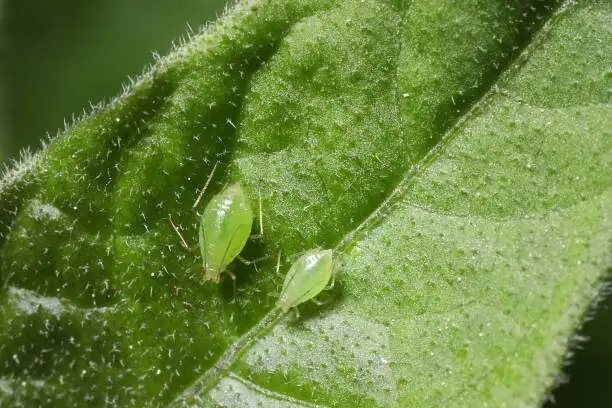
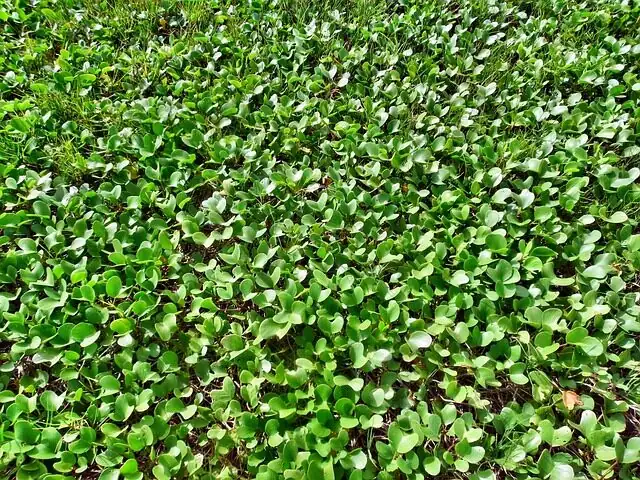
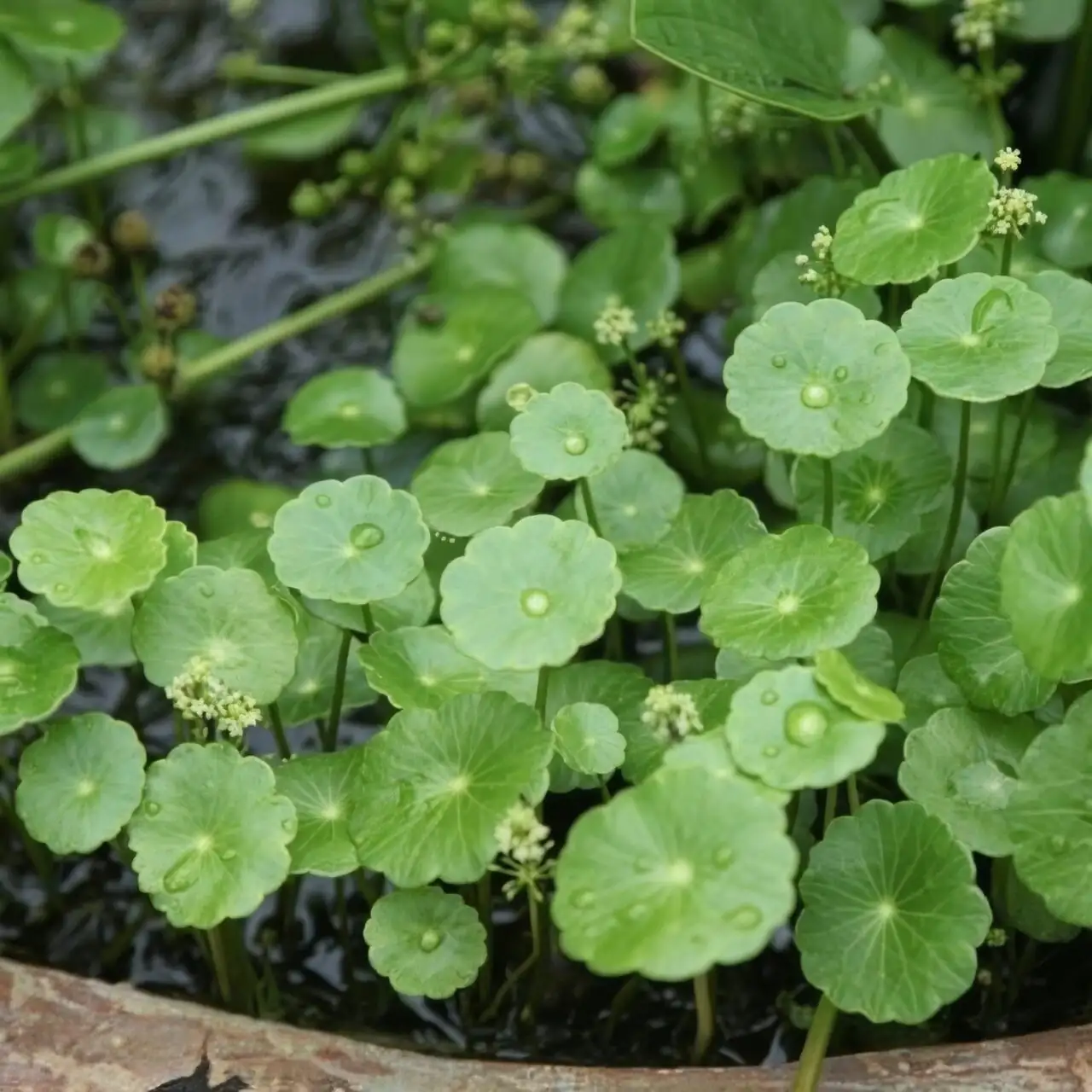
Bright green “coins” on slender stems—Hydrocotyle umbellata (Brazilian pennywort, also sold as pennywort/dollarweed/铜钱草) is a joyful, fast-growing, water-loving plant. But aphids adore its tender new leaves just as much as you do. The good news: you can evict them with gentle rinse-and-remove tactics, a well-chosen insecticidal soap, and a few airflow tweaks—without scorching delicate growth or wrecking your water-culture setup.
How to spot aphids early (and where they hide)
- Look for clusters of tiny, soft-bodied insects on the undersides of the newest leaves, along stems, and around leaf nodes.
- Sticky leaves or surfaces beneath the plant = honeydew. Ants hanging around often mean aphids are farming them.
- New leaves may crinkle, curl, or stall; older leaves can look dull from sooty mold growing on honeydew.
Catching aphids early is half the battle—Hydrocotyle spreads fast and pushes fresh growth constantly, so keep a weekly look-and-rinse habit.
First line of defense: the rinse-and-remove routine
Aphids aren’t strong. A steady, targeted rinse dislodges the majority without bruising your pennywort.
1) Stage the plant
- Soil culture: place the pot in a sink, tub, or outdoors where runoff won’t contaminate other plants.
- Water culture/bowls/aquarium edges: if possible, lift the emergent portion out and lay it on a tray; otherwise, cover the water surface with plastic wrap/cardboard to keep runoff out.
2) Rinse with intention
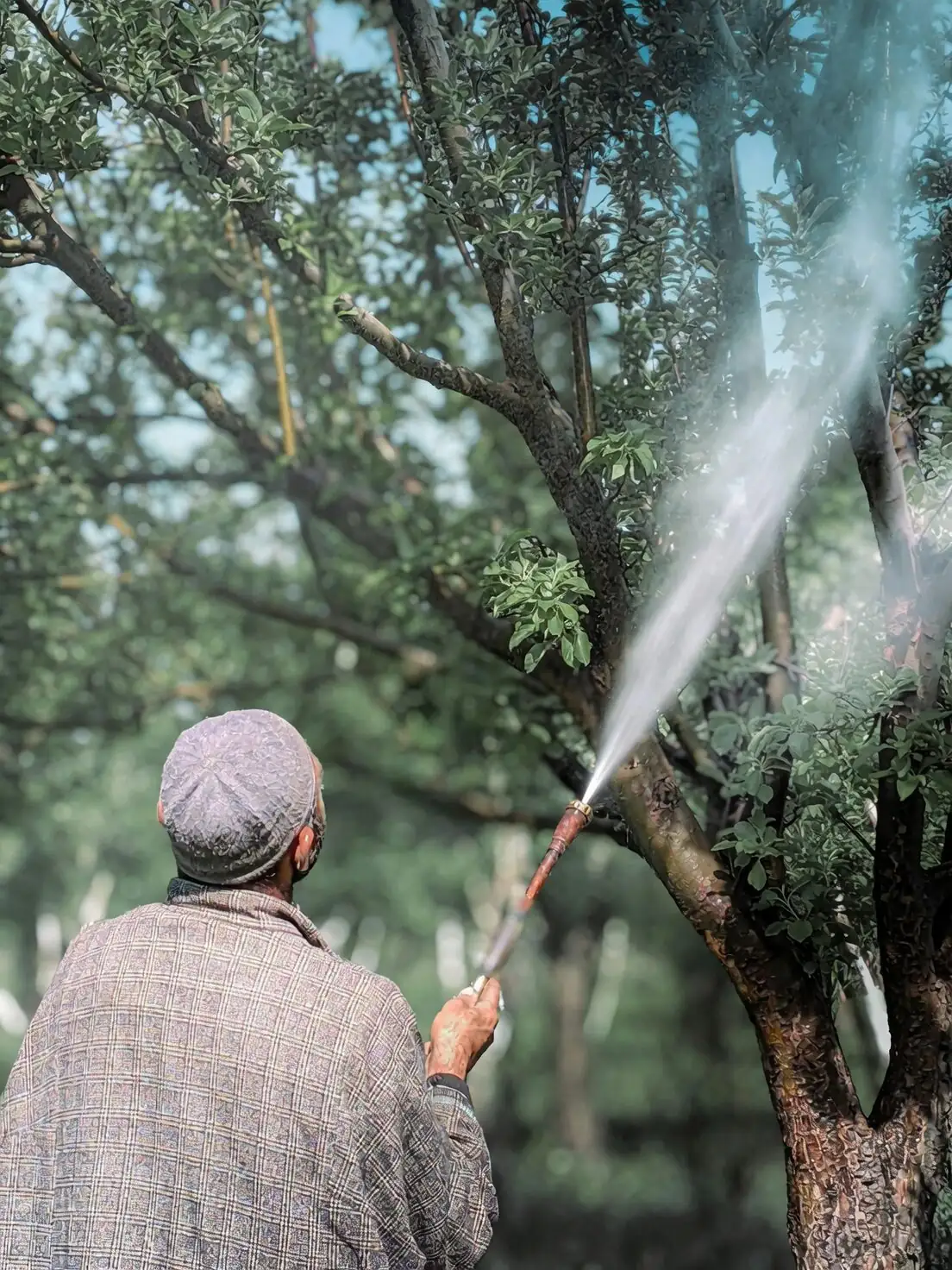
- Use a handheld sprayer or shower head on a gentle but focused stream.
- Angle upward to reach undersides of leaves and along the stem nodes where runners root.
- Use a soft brush or gloved fingertips to wipe clusters away.
3) Clean up properly
- Collect runoff; don’t let aphid-laden honeydew flow into your aquarium or back into the bowl.
- Pinch off badly infested, misshapen tips—Hydrocotyle regrows quickly from nodes.
Repeat every 2–3 days for a week if the infestation was moderate to heavy.
Insecticidal soap that plays nice with tender leaves (and water culture)
When rinsing alone isn’t enough, step up—gently.
What to use (and why it works)
- Choose a commercial insecticidal soap labeled with “potassium salts of fatty acids” or “potassium laurate.” These disrupt the pests’ protective coatings and cell membranes on contact.
- These soaps are low in mammalian toxicity and effective on soft-bodied pests like aphids. They work only while wet, so good coverage matters.
How to apply without harming pennywort or your setup
- Mix and water quality: Follow the product label. Soaps perform best in soft/low-mineral water; hard water can reduce effectiveness. If your tap is hard, use distilled or filtered water for mixing.
- Patch test: Spray 2–3 leaves, wait 24 hours. Tender Hydrocotyle foliage prefers a test first.
- Timing: Treat in early morning or late afternoon. Avoid hot, direct midday sun and temperatures above ~30°C (86°F).
- Technique: Thoroughly wet aphids and leaf undersides until they glisten. Keep contact time brief—10 to 20 minutes is usually enough.
- Rinse off: Gently rinse the plant to remove soap residue and dead pests. This prevents film buildup on leaves (important for water-culture oxygen exchange) and reduces the chance of leaf spotting.
Keep soap out of the water
- Always shield bowls and aquaria, or treat the plant in a separate tray/sink.
- After treatment, wipe any drips, and refresh water in bowls. For hydro setups, resume your normal clean-water schedule (e.g., every 7–10 days once new white roots are growing).
Frequency
- Repeat every 4–7 days for 2–3 cycles to catch newly hatched nymphs.
What not to do
- Don’t use dish soap, laundry detergent, or DIY brews—additives can burn leaves.
- Avoid oil-based sprays around water features; they form films and can stress emergent leaves and aquatic life.
- Don’t spray during strong sun/heat or leave soap on for extended periods without rinsing.
Airflow tweaks that outsmart aphids (without drying your tropical)
Aphids love still, stagnant air. Your pennywort loves moisture—but with movement.
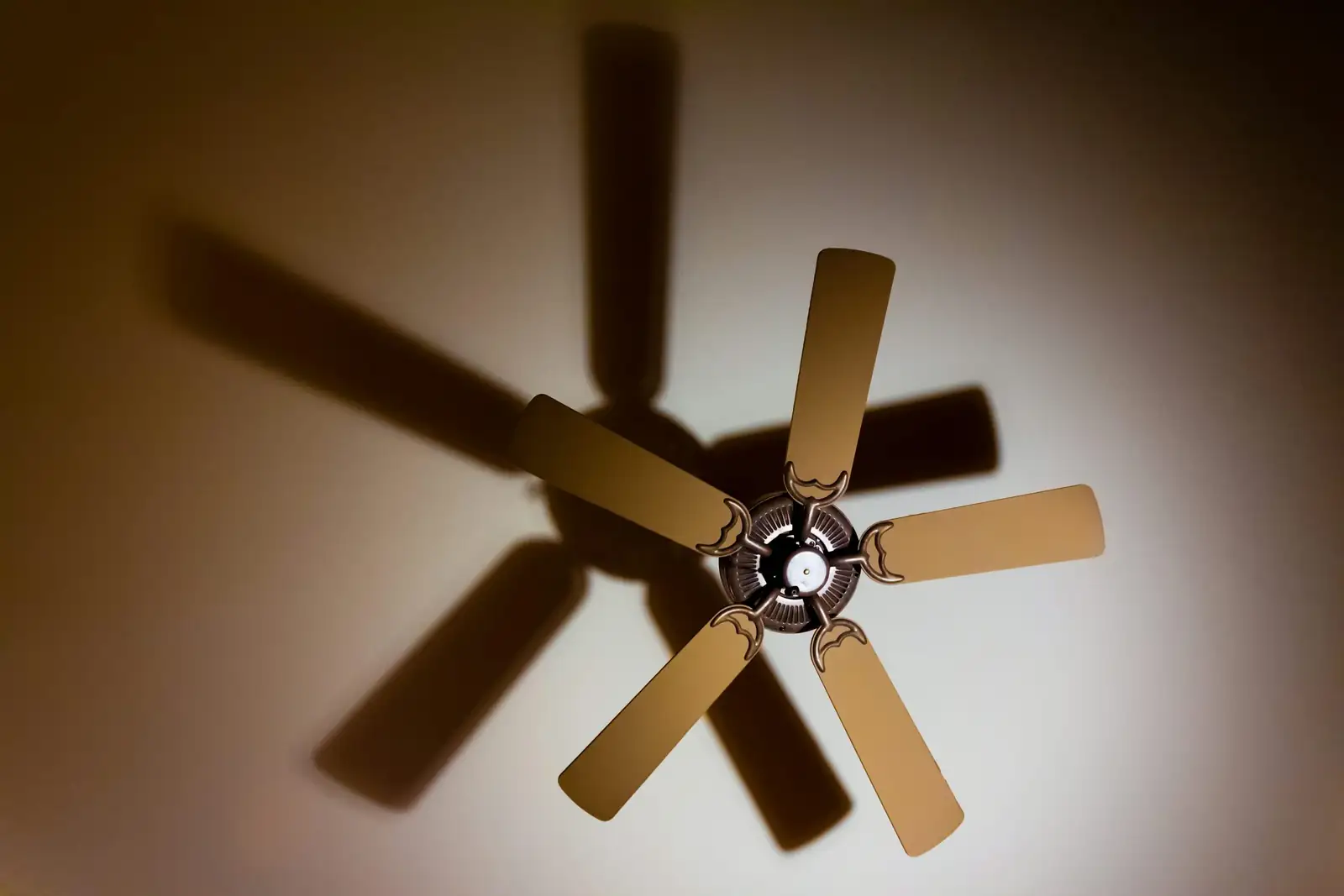
- Add a gentle, oscillating fan on low. Think “breeze,” not “blast.” This deters aphids while keeping humidity comfortable.
- Space and thin: Trim crowded runners and remove old yellowing leaves to open the canopy. Hydrocotyle’s mats can get dense; thinning improves ventilation.
- Light and temperature: Bright light to gentle sun is ideal; provide midday shade (about 40–60%) in hot climates to prevent scorch. Aim for 20–28°C (68–82°F) for strongest growth; try to keep summer highs below ~30°C (86°F).
- Rotate the container half a turn weekly so growth stays even and airflow reaches all sides—especially on a windowsill or in a bowl.
Water-culture safety: get rid of aphids without crashing your bowl or aquarium edge
- Isolate for treatment: If practical, lift the emergent growth to a tray for soap application; rinse thoroughly before returning.
- Shield the water: If you must treat in place, cover the water surface tightly while spraying; remove the cover after rinsing.
- Refresh the water: Change water after treatment to keep it clean and oxygenated; top up regularly and avoid stagnation.
- Clean honeydew: Wipe nearby glass, rims, and hardscape—sticky residue can invite mold and ants.
Prevention habits that keep those “coins” gleaming
- Quarantine new plants for 1–2 weeks; inspect nodes and undersides.
- Rinse the foliage every week or two to remove dust and early hitchhikers; this also discourages sooty mold.
- Feed lightly during active growth; avoid excess nitrogen that can make weak, overly soft growth aphids love.
- Keep conditions steady: bright light and consistently moist soil or regularly refreshed clean water. Unstable moisture and stagnant water often lead to yellowing and stress.
- Watch for ants and block their trails; they protect aphids in exchange for honeydew.
- Divide or trim regularly in spring/summer so airflow and light reach the whole mat.
Troubleshooting quick hits
- Curled, sticky new leaves? Rinse thoroughly, then spot-treat with insecticidal soap and rinse again.
- Leaves spotting after treatment? Shorten soap contact time, switch to softer water for mixing, spray in cooler hours, and always rinse.
- Yellowing lower leaves? Remove them and steady your care: improve light, keep moisture consistent, refresh hydro water, and increase gentle airflow.
Care snapshot for strong, aphid-resistant growth
- Light: Bright light to gentle sun; protect from harsh midday rays in hot climates.
- Water: Keep soil evenly moist; in water culture, use clean water and refresh on schedule.
- Temperature: 20–28°C (68–82°F); avoid cold drafts; protect from freezing.
- Humidity: Warm and humid is welcome—pair with airflow.
- Pruning: Pinch yellow/damaged leaves; trim leggy runners to push fresh shoots.
A small note on symbolism
Those peltate, coin-like leaves have long linked pennywort with prosperity and “money luck.” While the symbolism is modern folk charm rather than ancient canon, it resonates: a plant that creeps, roots, and multiplies with ease stands in nicely for steady, compounding fortune. Keep your “mint” clean, bright, and breathing—and it will keep minting new coins.
Quick rescue plan (print-and-stick)
- Inspect: Undersides of new leaves, nodes, runners; note honeydew and ants.
- Rinse: Focused spray + gentle wipe. Collect runoff.
- Treat: Insecticidal soap (potassium salts of fatty acids), soft water, cool hours, 10–20 minutes contact, then rinse.
- Shield water: Cover bowls/aquaria or treat off-setup; refresh water after.
- Repeat: Every 4–7 days, 2–3 times.
- Improve airflow: Gentle fan, thin runners, rotate weekly.
- Steady care: Bright light, consistent moisture/clean water, light feeding in growth.
With this gentle, repeatable routine, you can stop aphids in their tracks while keeping your Hydrocotyle umbellata lush, tender, and water-culture friendly.


