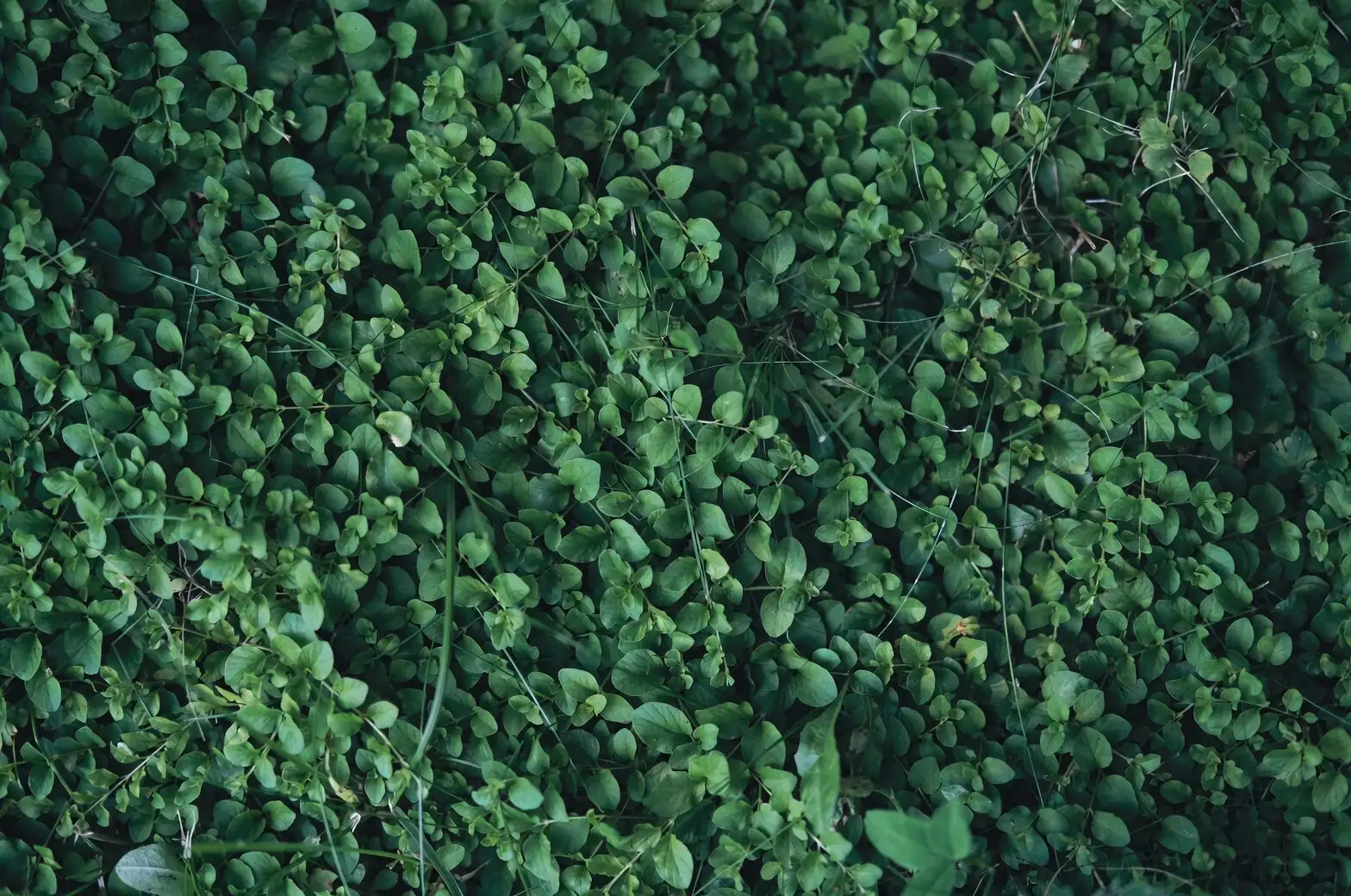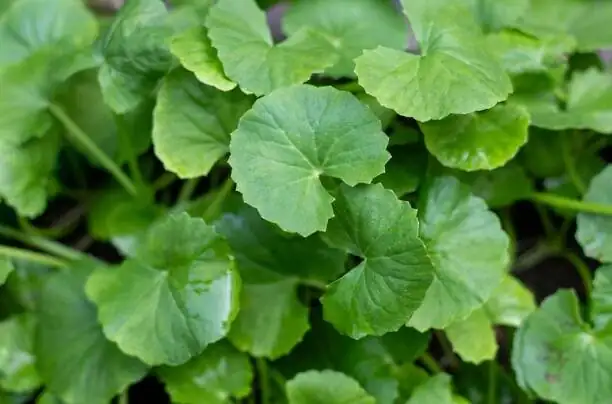
If your Brazilian pennywort (Hydrocotyle umbellata—often sold as “pennywort,” “dollarweed,” or “铜钱草”) has started flashing yellow, don’t panic. This water-loving sprinter is one of the quickest plants to rebound once you steady its world. Yellowing is its SOS for five common stressors: moisture swings, cold snaps, stale water, low light, and sluggish airflow. Here’s how to diagnose fast, fix even faster, and lock in a simple care rhythm that prevents relapses.
First, read the yellow: what is it trying to tell you?
- Whole clump fading after a cold night or draft? Cold stress.
- Lower, oldest leaves yellowing while new growth looks fine? Normal aging—prune and move on.
- Sudden yellowing with limp, translucent stems or a swampy smell (in bowls/jars)? Stale, low-oxygen water and early rot.
- Long, reachy petioles with pale leaves that yellow prematurely? Low light.
- A “stop–go” pattern—crisping edges after drying out, then limp leaves after heavy soaking? Moisture swings.
- Yellowing plus sticky residue or clustered tiny insects on new tips? Aphids (easy fix).
Keep one truth in mind: this plant thrives on stability. Bright light and even moisture are its happy place.
Fast fixes by culprit
1) Moisture swings (soil culture)
What you see:
- Crispy edges one week, soggy, limp leaves the next.
Quick fix:
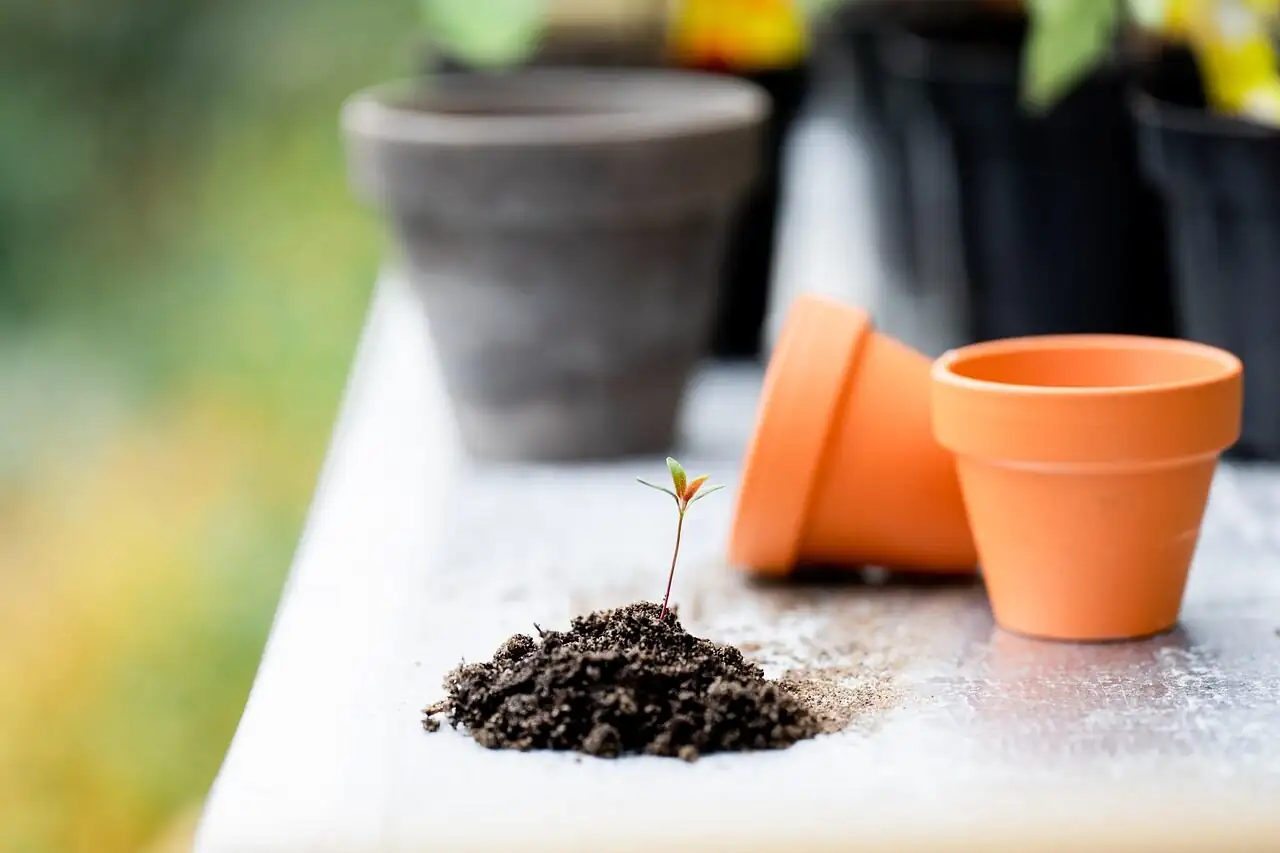
- Rehydrate evenly. Water slowly until the pot is uniformly moist and a little drains out; don’t let the mix crack dry again.
- Switch to a breathable, moisture-retentive mix: loam/potting soil + compost/leaf mold + a bit of coarse sand.
- Water rhythm: in active growth, every 2–3 days is common. In winter, water slightly less—but never let it go bone-dry.
- Use a shallow, wide pot or bowl so runners can root and help buffer swings.
2) Moisture swings (water culture)
What you see:
- Leaves yellowing from the base, soft petioles, cloudy or smelly water.
Quick fix:
- Lift the plant, rinse gently, and trim any brown, mushy roots.
- Refill with clean, room‑temperature water; anchor roots with pebbles/LECA for stability and oxygen flow.
- Water-change cadence: every 3–4 days at setup/transition; once you see fresh white roots, every 7–10 days. Top up in between so roots never dry out.
3) Cold stress
What you see:
- Rapid yellowing after exposure to a cold windowpane, AC blast, or a chilly porch night.
Quick fix:
- Move to a stable 20–28°C (68–82°F) zone; keep winter temps ideally above 10°C (50°F) and absolutely above ~5°C (41°F).
- Pull plants back from cold glass at night; avoid drafts and sudden temperature dips.
4) Stale water (hydro setups, bowls, paludariums)
What you see:
- Cloudy water, film on surfaces, yellowing followed by rot.
Quick fix:
- Full refresh: rinse roots, wipe the container, replace with clean water.
- Keep water moving a little (even gentle leaf movement from a nearby fan improves gas exchange), and don’t overcrowd containers.
- Avoid overfeeding in water—excess nutrients + warm temps = faster stagnation.
5) Low light
What you see:
- Stretchy, floppy stems; pale leaves that tire into yellow.
Quick fix:
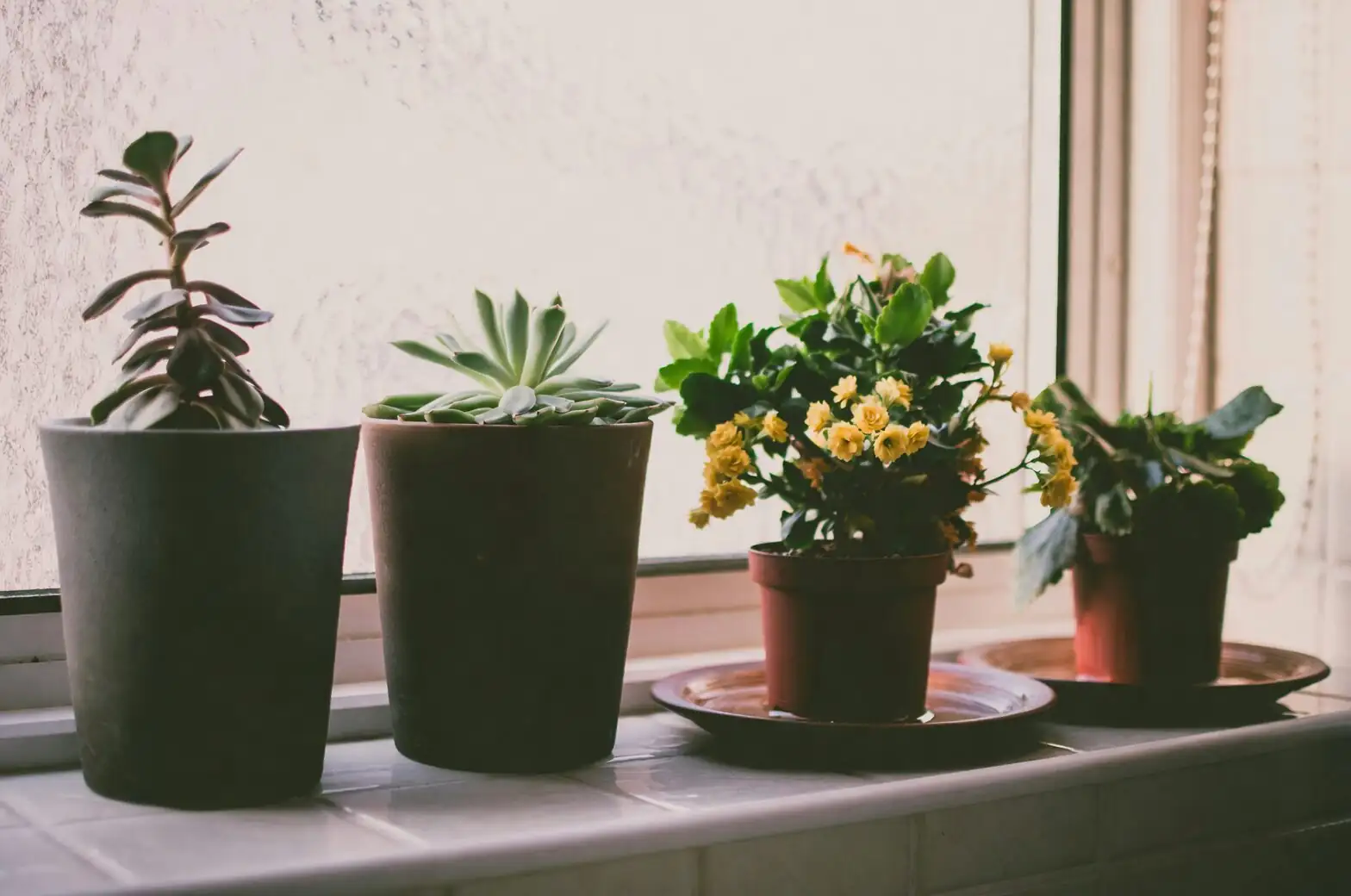
- Give bright light to full sun. Indoors, an east- or south-facing windowsill is ideal.
- Outdoors in hot climates, shield from harsh midday sun with bright filtered light (about 40–60% shade) to prevent scorch.
- Rotate the pot a half-turn weekly for balanced, sturdy growth.
6) Poor airflow
What you see:
- A “stuffy” look: limp, pale leaves that perk up when you open a window.
Quick fix:
- Space the container so leaves aren’t pressed together; run a small fan nearby (gentle breeze).
- Occasionally rinse dust off leaves to help them breathe and photosynthesize efficiently.
The 7‑day Pennywort Reset Plan
Use this when you spot active yellowing.
- Day 1: Triage
- Clip yellow/mushy leaves and any rotted root sections.
- Stabilize moisture: evenly moist soil or fresh, room‑temp water in bowls.
- Move to bright light (no harsh midday scorch outdoors).
- Warm it up: target 20–28°C (68–82°F).
- Days 2–3: Hold steady
- Keep conditions identical each day—no feast-or-famine watering.
- Improve airflow; rotate the pot.
- Day 4: Gentle nudge
- If you see a hint of new growth, feed lightly (in active warm seasons only):
- Water culture: a very dilute, balanced liquid fertilizer.
- Soil: consider very light feeding only if the plant has pushed fresh leaves.
- Days 5–7: Stay the course
- Maintain bright light and even moisture.
- Expect small, fresh green leaves at the nodes—your sign you’ve turned the corner.
Your relapse-proof maintenance rhythm
Weekly
- Soil culture:
- Water to keep the mix consistently moist; in growth spurts, that often means every 2–3 days.
- Water culture:
- Top up as needed; change water on schedule (see cadence below).
- Everywhere:
- Rotate the container half a turn.
- Snip aging basal leaves and any leggy runners.
- Quick leaf rinse to remove dust.
- Check for aphids on tender tips; rinse off or use insecticidal soap if needed.
Every 7–10 days (water culture)
- Change water fully; more frequently (every 3–4 days) right after setup or a big trim until new white roots appear.
Every 2 weeks in active growth
- Feed lightly:
- Water culture: low-strength balanced liquid fertilizer every ~2 weeks.
- Soil: light, balanced feed about monthly.
- Avoid heavy nitrogen—this plant grows fast already; overdoing it can make growth weak and floppy.
Seasonal tune-ups
- Spring: peak growth—divide dense clumps, repot to a shallow, wide bowl (15–20 cm/6–8 in is a great start), and root 10–15 cm (4–6 in) tip cuttings if you’d like more plants.
- Summer: keep under ~30°C (86°F); provide bright filtered light at midday in hot regions; mist lightly if indoor air is dry.
- Autumn: maintain even moisture; good light keeps leaves vivid.
- Winter: brightest spot you have; keep above 10°C (50°F) if possible; never let soil go bone‑dry; pause fertilizer.
Quick cues: soil vs. water culture
- Soil culture
- Use a moisture-retentive but airy mix (loam/potting soil + compost/leaf mold + some coarse sand).
- Never allow the mix to desiccate and crack; water just as the surface begins to dry.
- Water culture
- Anchor roots with pebbles/LECA; keep water clean and oxygenated by regular changes.
- If water ever smells off or looks cloudy, reset immediately: rinse roots, refresh water, and trim any soft tissue.
When yellowing is normal—and when it’s not
- Normal:
- Older, lower leaves aging out on a healthy, actively growing plant. Snip them to keep the mat fresh.
- Not normal:
- Rapid, whole-plant yellowing after a chill or in stale water.
- Repeated cycles tied to drying out, then overwatering. Stabilize, and growth will rebound.
Pest and hygiene notes
- Aphids love tender new growth. Rinse them off, pinch affected tips if needed, or use insecticidal soap.
- Good airflow plus occasional leaf rinses reduce dust, algae film (in bowls), and the chance of disease.
A final word on personality
Brazilian pennywort is a cheerful, coin-leaved creeper that roots wherever stems touch down—give it steady moisture and bright light, and it will carpet a pot in no time. When it flashes yellow, it’s not fussy—it’s just flagging a simple imbalance. Smooth out moisture, warm it up, refresh the water, brighten the light, and let the air move. Do those five things, and lush green will be back before you know it.