If your jade plant has started looking a little less “lucky” and a little more fuzzy, sticky, or squishy, you’re in the right place. Crassula ovata is famously tough, but even the sturdiest jade can run into trouble. The good news: most issues are easy to fix with a cotton swab, a little airflow, and fast action. Consider this your hands-on, no-fuss field guide to nipping pests and diseases in the bud.
Your rapid-read symptom decoder
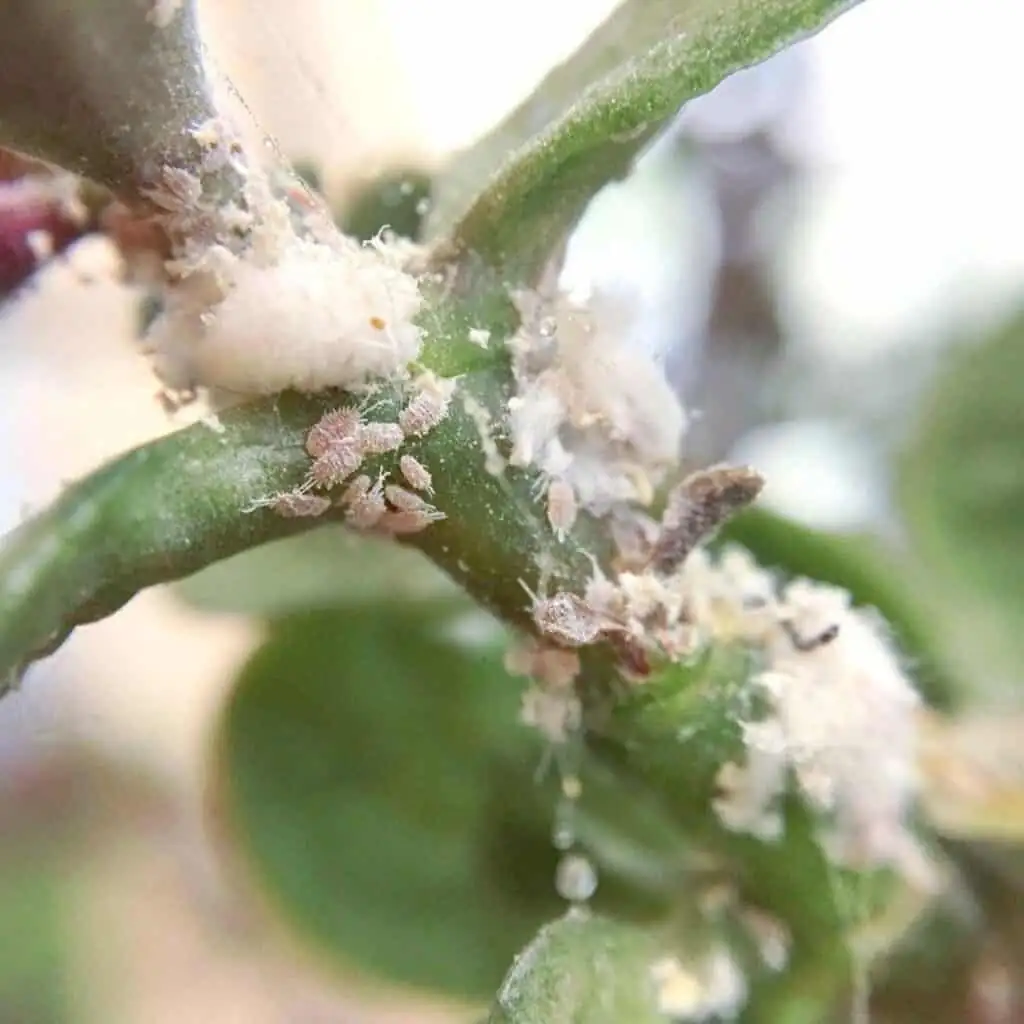
- White cottony fluff in leaf nooks or along stems: mealybugs
- Sticky leaves or black sooty film: aphids, scale, or mealybug honeydew
- Pinprick yellow speckles and fine webbing: spider mites
- Shell-like, immobile bumps on stems/leaf midribs: scale insects
- Leaves/stems going soft or waterlogged; soil smells sour: root rot
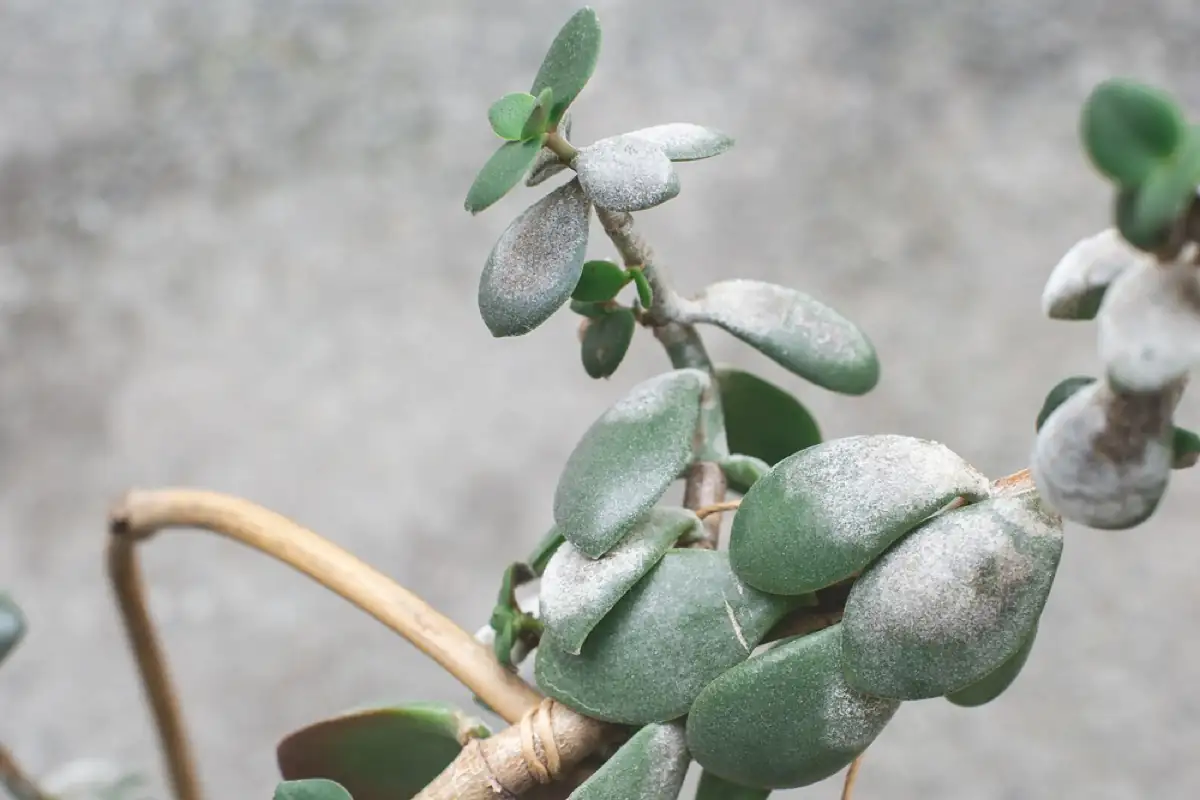
- White, talc-like coating that rubs off: powdery mildew (uncommon indoors but possible with stagnant air)
Your simple toolkit
- 70% isopropyl rubbing alcohol
- Cotton swabs and soft makeup brushes
- Paper towels and a soft cloth
- Tweezers or a toothpick (for scraping scale)
- Small hand sprayer (for light alcohol spot-spritzing if needed)
- Yellow sticky traps (for flying pests like fungus gnats, if present)
- Pruners (sterilize with alcohol)
- Spare pot with drainage + fast-draining mix (2 parts potting soil : 1 part perlite) for rot triage
- Small fan for gentle air movement
Tip: Test any spray or wipe on one leaf and wait 24 hours. Jade’s succulent leaves can be sensitive; spot treatment beats blanket blasting.
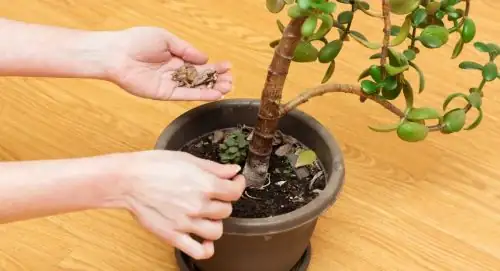
PESTS: quick, repeatable fixes
Mealybugs (the white cottony clusters)
- Where they hide: leaf axils, under leaves, at nodes, sometimes on roots.
- The fix (weekly until gone):
- Isolate the plant.
- Dip a cotton swab in 70% alcohol and dab each mealybug until it dissolves. Wipe off residue.
- Inspect leaf bases, branch crotches, and along the trunk; repeat dabbing.
- Rinse honeydew off with a barely damp cloth so sooty mold can’t take hold.
- Recheck every 3–5 days at first, then weekly for a month.
- If you suspect root mealybugs: unpot, gently wash roots, swab off any white fuzz on roots and crown, then repot in fresh, dry, fast-draining mix.
Scale (the stubborn, shell-like bumps)
- Where they hide: stems, petioles, along leaf midribs.
- The fix:
- Pry off each scale with a toothpick or tweezers; follow with an alcohol-dipped swab on the spot.
- For heavy colonies, use a soft brush dipped in alcohol to “paint” the stems.
- Repeat inspections weekly; remove any stragglers.
- Note: Oils and soaps can burn jade leaves—if you ever try them, spot-test first and avoid strong sun that day. Manual + alcohol is usually all you need.
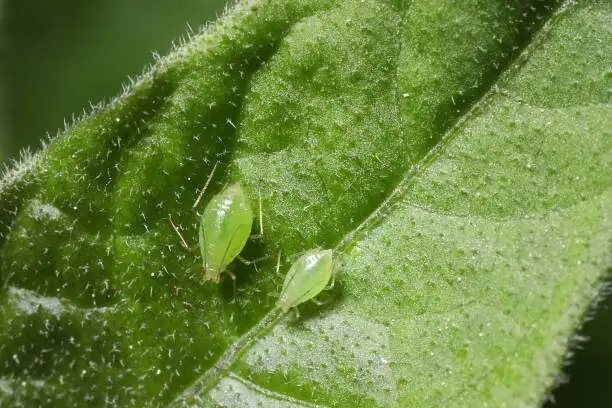
Aphids (sticky new growth crowd)
- Signs: clustered on tender tips, sticky honeydew, ants visiting.
- The fix:
- Take the plant to a sink and gently rinse the infested tips (let the soil drain fully after).
- Dab survivors with alcohol. Wipe off honeydew and any sooty mold.
- Repeat every few days until no new aphids appear.
- Keep new growth sturdy with brighter light—weak, stretched tips attract aphids.
Spider mites (speckles and silky webbing)
- Signs: tiny stippling, fine web strands in branch crotches, dulling leaves.
- The fix:
- Give a gentle rinse to dislodge mites (avoid soaking the crown).
- Spot-spritz affected areas with 70% alcohol or wipe with alcohol-dampened cloth.
- Boost light and add gentle air movement; dust leaves periodically.
- Recheck twice weekly for 2–3 weeks—mites hatch in waves.
- Skip the “humidity tents” for jade. Airflow + cleanliness is safer and more effective for this succulent.
Bonus nuisance: fungus gnats
- Clue: tiny flies when you water; plant seems fine but soil stays a bit damp.
- The fix:
- Let the mix dry thoroughly between waterings; empty saucers.
- Add yellow sticky traps for the flyers.
- Optional: top-dress with coarse sand or perlite to reduce egg-laying.
- Prevention is key: jade prefers a true soak-and-dry rhythm.
DISEASES: fast triage beats wishful thinking
Root rot (the real jade heartbreaker)
Overwatering or clogged soil is almost always the culprit.
- Red flags: leaves or stems feel soft/mushy, plant sags despite wet soil, musty smell.
- Immediate steps:
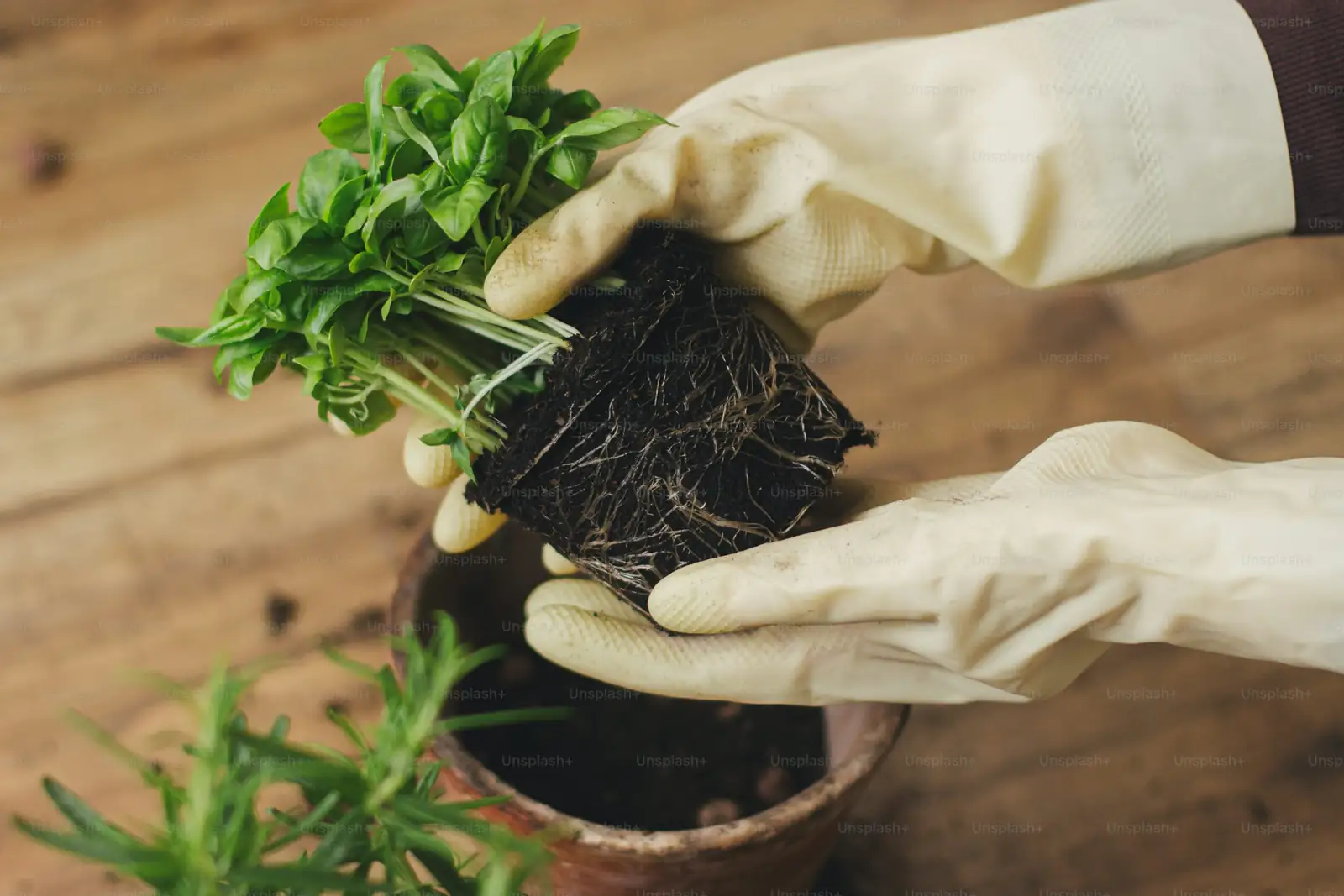
- Stop watering. Unpot carefully.
- Rinse soil from roots; clip away any brown, mushy tissue with sterilized pruners.
- Let the plant air-dry on paper towels for several hours (or overnight) so cuts callus.
- Repot snugly in fast-draining mix (2 parts potting soil : 1 part perlite) in a pot with drainage. Terracotta helps.
- Do not water for about a week. Resume with a deep soak only after the mix is bone-dry again.
- Hold fertilizer for about a month while roots re-establish.
- Ongoing prevention:
- Bright light (4–6 hours of strong light) so roots actually use the water you give.
- Water less in fall/winter—sometimes as little as once a month.
- Never leave water pooling in a saucer.
Powdery mildew (uncommon indoors, but possible with stale air)
- Signs: a dusty, wipeable white film on leaves.
- Fix:
- Increase spacing and add gentle airflow; prune crowded interior twigs.
- Remove the most affected leaves; wipe the rest with a soft, barely damp cloth.
- Water in the morning and avoid wetting foliage.
- Keep light bright; avoid damp, stagnant corners.
Airflow fixes that change everything
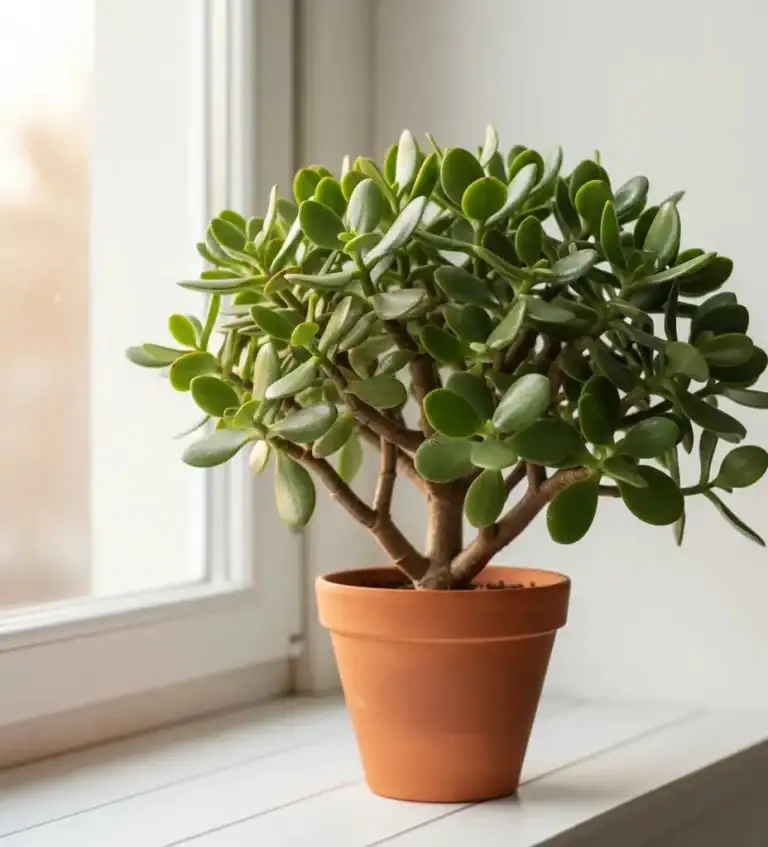
- Space it out: don’t let leaves press against walls or neighbors.
- Gentle fan: a soft, steady breeze during the day deters mites and mildew.
- Strategic pruning: thin congested interior growth in early spring to open the canopy.
- Sun-smart placement: a bright south or west window is perfect; acclimate to stronger sun slowly to avoid scorch.
Aftercare for a plant on the mend
- Light: brighter than before—pests love dim corners and stretch-prone growth.
- Water: less than you think. Let the mix dry to the bottom before rewatering.
- Clean-up: wipe sticky leaves and dust regularly; check leaf axils during every watering.
- Quarantine: keep recovering plants a few feet from your collection for 3–4 weeks.
Prevention playbook (5-minute monthly)
- Inspect the “hot spots”: leaf bases, branch forks, undersides.
- Lift the pot: surprising weight = still wet; wait to water.
- Dust patrol: a soft brush pass keeps spider mites at bay.
- Fresh air + sun: rotate the pot for even light; crack a window when weather is mild (avoid cold drafts).
- New plant quarantine: two weeks of solo time and a close inspection before introducing to the group.
Quick FAQs you’ll actually use
- Can I spray neem or soap on jade? You can, but jade can be sensitive. Always spot-test and keep it out of strong sun that day. For most infestations, alcohol swabs and repeat checks solve it safely.
- My jade keeps getting mealybugs—why? Hidden eggs and missed nymphs. Stay consistent: weekly alcohol checks for a month, and don’t forget to inspect nodes and the soil line. Consider unpotting once to rule out root mealies.
- Is leaf drop a pest problem? Often it’s watering stress (too much or too little) or a sudden chill. Check roots and your watering rhythm first; then scan for pests.
Safety notes
- Keep jade out of reach of pets and small children—it’s mildly toxic if eaten.
- Alcohol is flammable—treat away from flames and let leaves dry before returning to bright sun.
Jade plants are living vaults of green energy—tough, long-lived, and wonderfully forgiving. With a few cotton swabs, a breeze, and a watchful eye, yours will bounce back from almost any setback and keep that miniature-tree charm going for decades.