
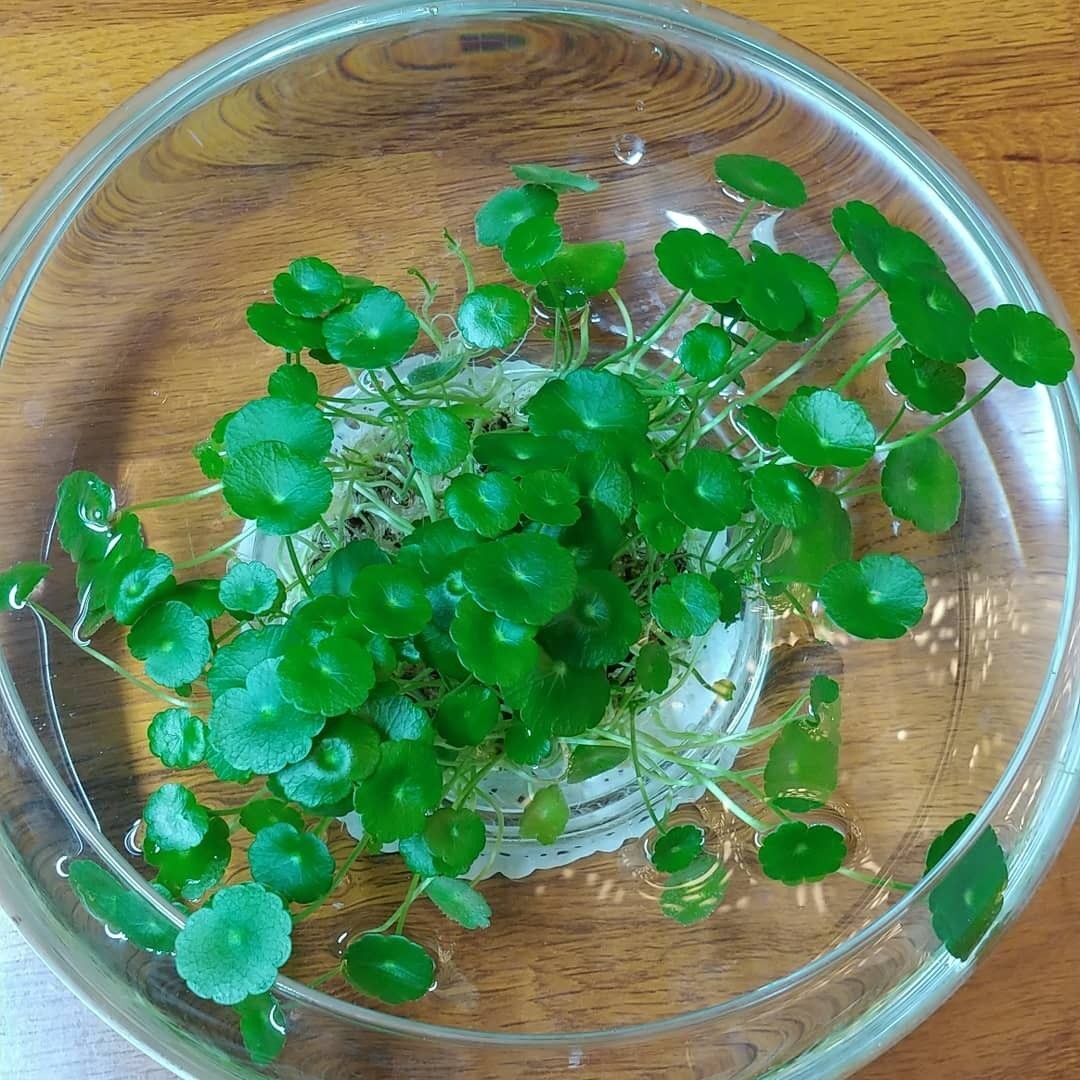
Picture a string of tiny green umbrellas dotting the rim of a bowl—each leaf a glossy coin that promises calm, fresh growth. That’s Hydrocotyle umbellata, the Brazilian pennywort (铜钱草): a cheerful, water-loving creeper that turns steady light and moisture into a lush mat almost before you can say “new leaves.” Here’s your crisp annual playbook—season by season—to keep it plump, bright, and beautifully behaved.
Quick ID and growth style
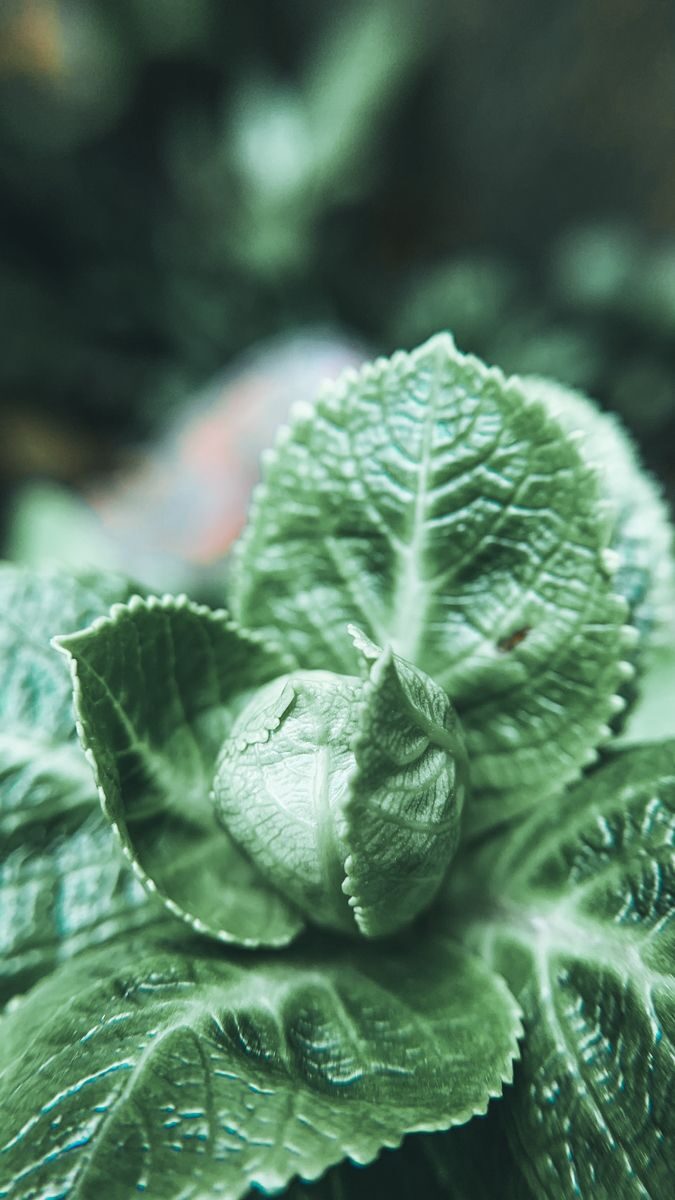
- Look: Round, peltate “coin” leaves on slender stems; glossy bright green, forming a low, spreading mat.
- Habit: Creeps fast; runners root at nodes and thicken into dense patches.
- Size: About 5–30 cm (2–12 in) tall depending on light and setup; spreads 30–60+ cm (12–24+ in).
- Blooms: Small greenish-white clusters from summer to autumn—pretty, but foliage is the star.
- Culture flexibility: Thrives in consistently moist soil or shallow, clean water—perfect for bowls, paludariums, pond edges, and bright windowsills.
- Note on names: “Pennywort/铜钱草” in shops can label more than one species; this guide focuses on Hydrocotyle umbellata (Brazilian pennywort).
Spring: Repot, divide, and set the pace
Spring is when pennywort is in high gear—use that momentum.
Choose the right container
- Aim for shallow and wide: 15–20 cm (6–8 in) diameter to start; upgrade as it carpets.
- Indoors: East or south window is ideal. Rotate the pot half a turn weekly to keep growth even.
Pick your medium
- Soil culture (breezy + moist): Loam/potting soil with compost/leaf mold plus a handful of coarse sand. The goal is moisture-retentive yet breathable.
- Water culture (clean + simple): Rinse roots, trim any mushy bits, and anchor the plant with pebbles or LECA in clean water. Plan on regular water changes.
Repot/divide like a pro
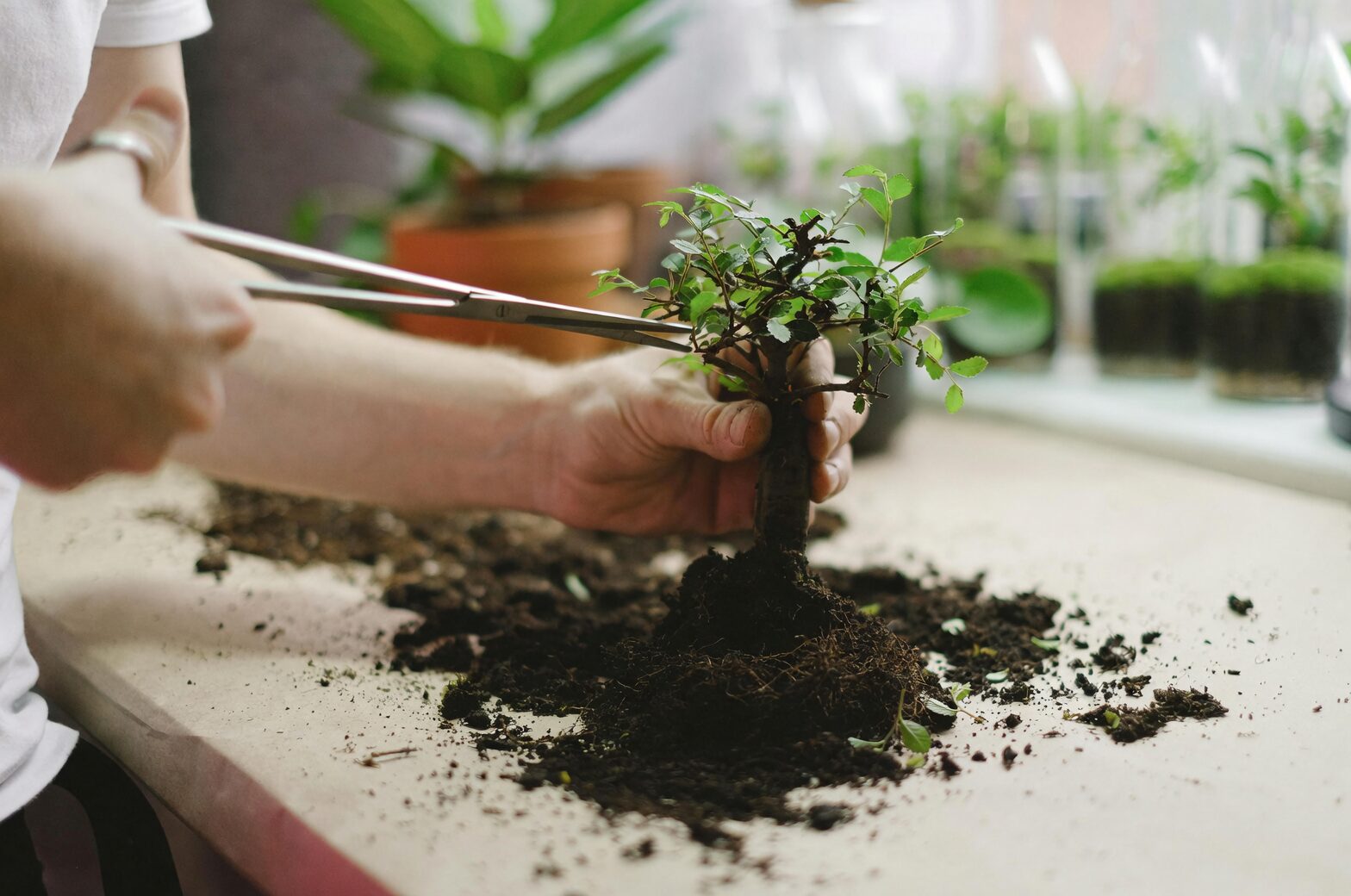
- Lift the clump and gently tease apart rooted runners into several sections.
- Replant divisions so the crown sits level; firm lightly.
- Water well (or refresh bowl water) and give bright, indirect light for a week while it settles.
- Start light feeding only after new leaves appear:
- Soil: balanced liquid fertilizer at low strength about monthly.
- Water culture: low-strength feed every 2 weeks.
- Keep fertilizer off leaves to avoid spotting.
Bonus spring moves
- Take 10–15 cm (4–6 in) tip or node cuttings; root in water or moist sand at 20–24°C (68–75°F). Expect roots in about 2 weeks.
- Pinch off any yellow or damaged leaves to cue fresh growth.
Summer: Sun-smart growth and “heat caps”
Pennywort loves light but not harsh scorch. Think bright, not brutal.
Light and sun protection
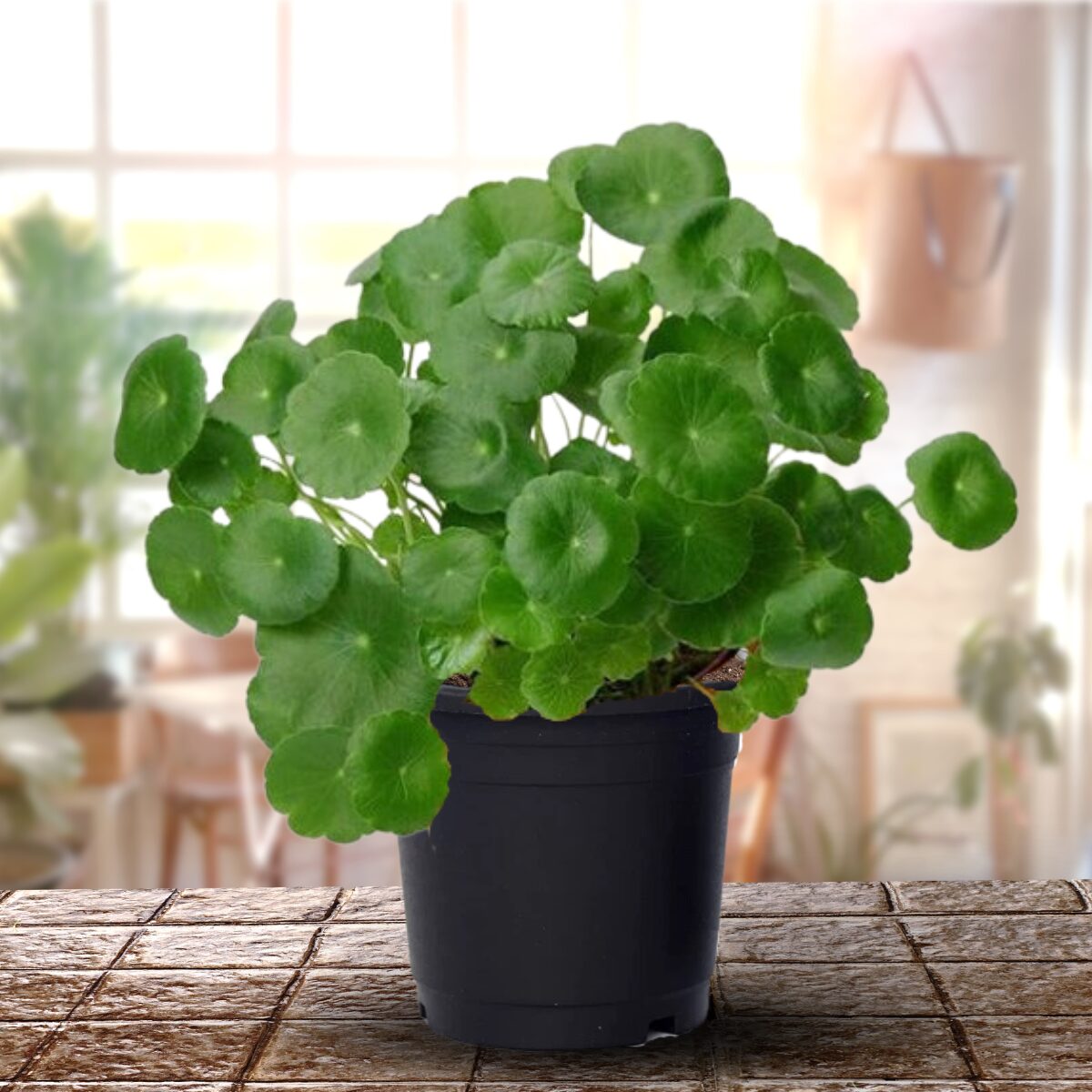
- Best: Bright light to full sun with protection from harsh midday rays.
- In hot climates, provide 40–60% shade or bright filtered light at midday to prevent leaf scorch.
- Rotate weekly for symmetry.
Cap the heat
- Target temperatures: 20–28°C (68–82°F); try to keep highs under ~30°C (86°F).
- Practical “heat caps”:
- Shade cloth at midday.
- Light-colored pot or a double-pot setup to insulate roots.
- Pebble mulch on soil or a humidity tray for gentle evaporative cooling.
- Morning sun + afternoon bright shade on balconies.
Watering rhythm
- Soil culture: Keep evenly moist—often every 2–3 days in heat; never let the mix crack or go bone-dry.
- Water culture: Change water every 7–10 days once new white roots are active; top up between changes and avoid stagnation.
- Dry indoor air? Occasional light misting helps, paired with good airflow.
Feeding and grooming
- Feed lightly (see spring schedule). Too much nitrogen = weak, leggy growth.
- Trim floppy or uneven runners; your cuts trigger crisp new shoots.
- Watch for aphids on tender tips—rinse off, handpick, or use insecticidal soap if needed.
Autumn: Moisture balance is everything
Growth eases; your job is to stabilize.
- Light: Keep it bright as day length shortens—clean the window glass and keep rotating weekly.
- Watering:
- Soil: Water when the surface just begins to dry; don’t swing between drought and saturation.
- Water culture: Freshen every 7–10 days; never let the bowl go stale.
- Feeding: Taper off; stop fertilizing by late autumn.
- Tidying: Remove older, yellowing basal leaves to channel energy into fresh foliage.
- Propagation window: Still okay for sowing seed or a last round of cuttings at ~19–24°C (66–75°F), provided light is strong.
Winter: Bright, cool, unfussy—no fertilizer
This is the plant’s “rest while glowing” season.
- Light: The brightest spot you have—an east or south window is perfect.
- Temperature: Aim above 10°C (50°F); absolute minimum about 5°C (41°F) to avoid heavy yellowing and dieback.
- Water:
- Soil: Reduce frequency a notch but never let it dry out.
- Water culture: Keep water clean; steady, gentle refreshes are better than neglect.
- Feeding: Do not fertilize in winter.
- Air and hygiene: Good airflow, an occasional leaf rinse to remove dust, and regular removal of tired leaves keep the mat neat.
- Expect slower growth. If a few leaves pale from low light or cool nights, steady care brings a flush of new coins in early spring.
At‑a‑glance care calendar
- Spring: Repot and divide; start light feeding after new growth; propagate easily; water generously but steadily.
- Summer: Bright light with midday protection; keep under ~30°C (86°F); maintain consistent moisture; light feeding; trim and rotate.
- Autumn: Even moisture; bright light; taper, then stop feeding; tidy leaves; avoid cold snaps.
- Winter: Brightest window; cool but above 10°C (50°F) ideally; slightly lighter watering; zero fertilizer.
Troubleshooting, fast
- Yellowing leaves:
- Most common causes: inconsistent moisture, stagnant water, cold stress, low light, poor ventilation.
- Fix: Stabilize watering, refresh water in bowls, brighten the site, improve airflow, and remove yellow leaves.
- Scorched edges or bleached patches:
- Cause: Harsh midday sun/heat.
- Fix: Provide 40–60% shade or move to filtered light during peak hours.
- Floppy, stretched stems:
- Cause: Insufficient light or overfeeding nitrogen.
- Fix: Brighter placement, lighter feed, timely trims.
- Pests:
- Aphids love new growth. Rinse, handpick, or use insecticidal soap.
Styling ideas that suit its nature
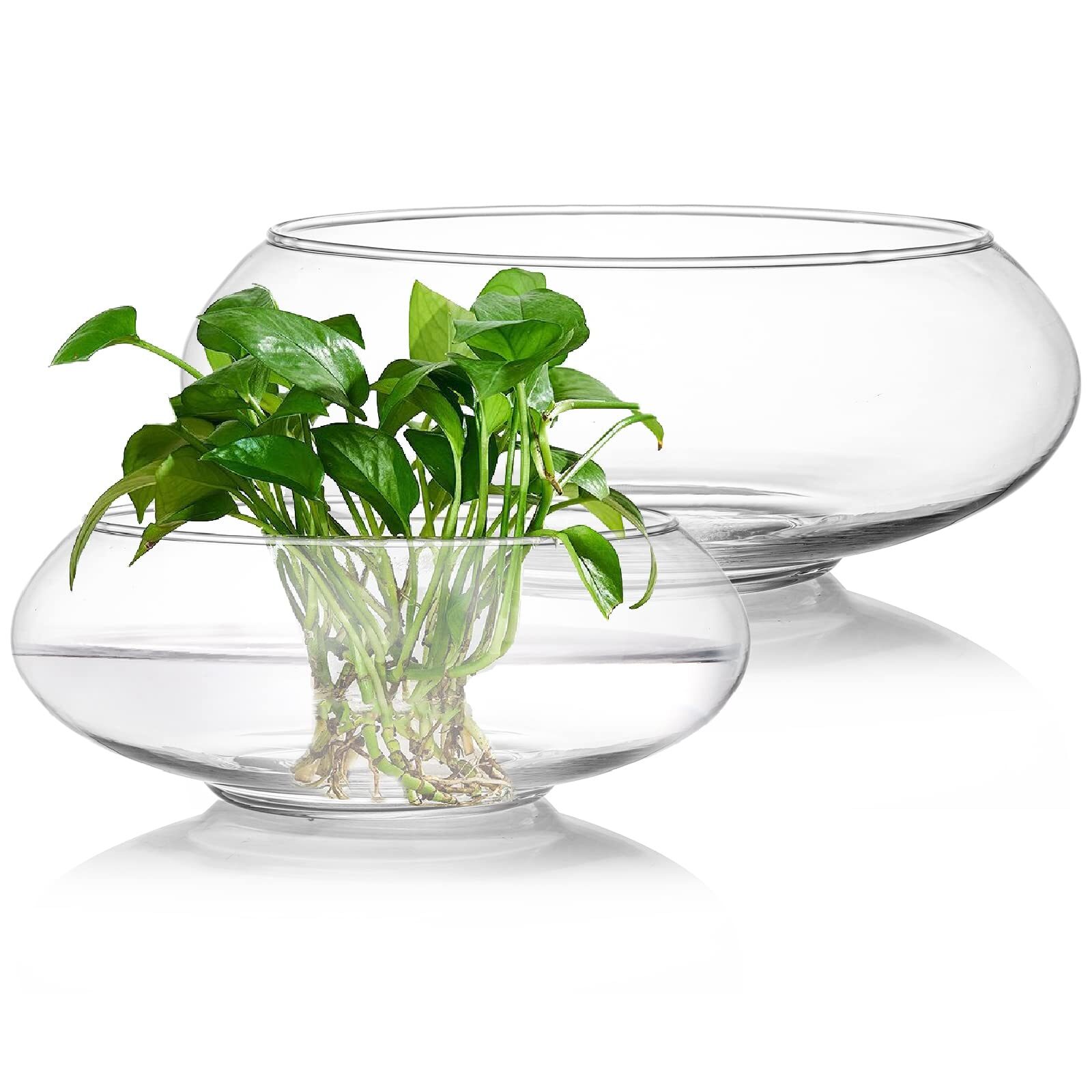
- Shallow ceramic or glass bowls with pebbles to anchor runners—minimal, modern, and easy to refresh.
- A wide, low pot for a tabletop “green coin carpet.”
- Paludariums and pond edges where runners can root at nodes and thicken naturally.
Safety note
No widely accepted evidence points to significant toxicity for commonly grown pennyworts, but any houseplant can cause mild stomach upset if chewed. Keep away from curious pets and children.
Symbolism: why “money luck” sticks
Those leaves look exactly like little coins, which is why Brazilian pennywort is often linked with prosperity and “money luck.” It’s a modern, visual association rather than a deep historic doctrine—more playful feng-shui meets foliage charm than ancient lore. Still, placing a vibrant, evenly rounded clump on your desk or windowsill is a daily nudge toward growth: steady light, steady moisture, steady results.
The essence of success
- Bright light, softened at midday in hot weather.
- Consistent moisture or clean, regularly refreshed water.
- Seasonal rhythm: spring repot/divide, summer shade and heat caps, autumn moisture balance, winter brightness without fertilizer.
Do those well, and your pennywort will keep coining new leaves all year.