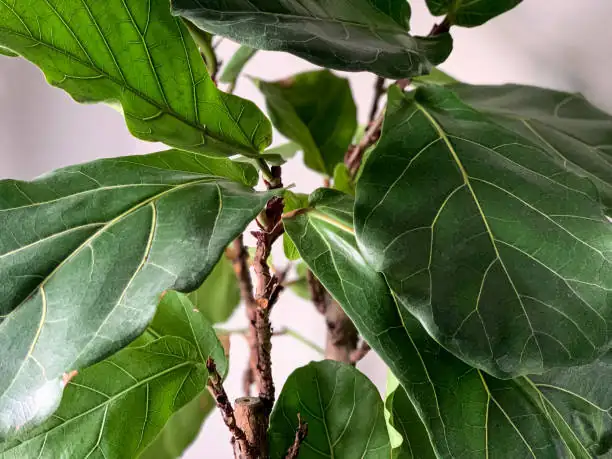
Are you the proud owner of a Fiddle Leaf Fig (Ficus lyrata) but concerned about keeping it healthy and free from pesky invaders? You’re not alone. These stunning plants, with their large, glossy leaves and architectural elegance, are often the centerpiece of any room. But just like any beautiful gem, they require protection and care to shine their brightest.
Common Pests and How to Handle Them
Fiddle Leaf Figs are prone to several pests that can be quite the nuisance. However, with a bit of knowledge and timely intervention, you can ensure your plant remains vibrant and healthy.
Spider Mites: The Tiny Web-Spinners
Identification: These minuscule creatures often hide on the underside of leaves. If you notice fine webbing and yellow or stippled leaves, spider mites might be at work.
Damage: Left unchecked, spider mites can weaken your plant, causing leaf drop and stunted growth.
Solutions:
- Organic: Increase humidity around the plant, as spider mites thrive in dry conditions. Neem oil and insecticidal soap are also effective.
- Chemical: Use miticides specifically targeting spider mites if the infestation is severe.
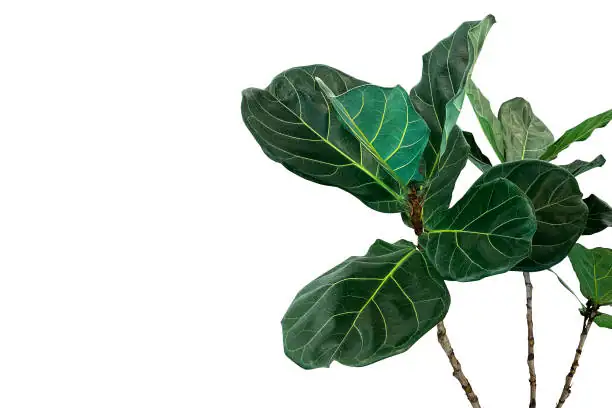
Scale Insects: The Nutrient Sappers
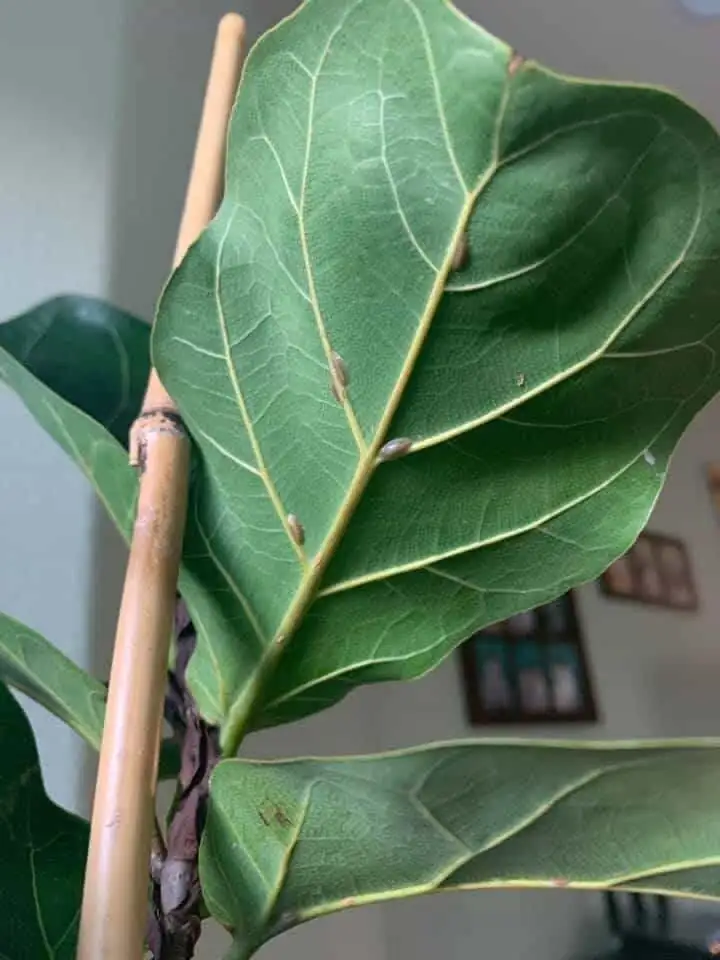
Identification: Scale insects appear as small, oval bumps on stems and leaves. Sticky leaves from their honeydew secretion are a telltale sign.
Damage: These pests drain the plant’s nutrients, leading to yellowing leaves and a general decline in health.
Solutions:
- Organic: Dab the insects with a cotton swab dipped in rubbing alcohol or use insecticidal soap.
- Chemical: Systemic insecticides can effectively remove scale insects.
Mealybugs: The Cottony Invaders
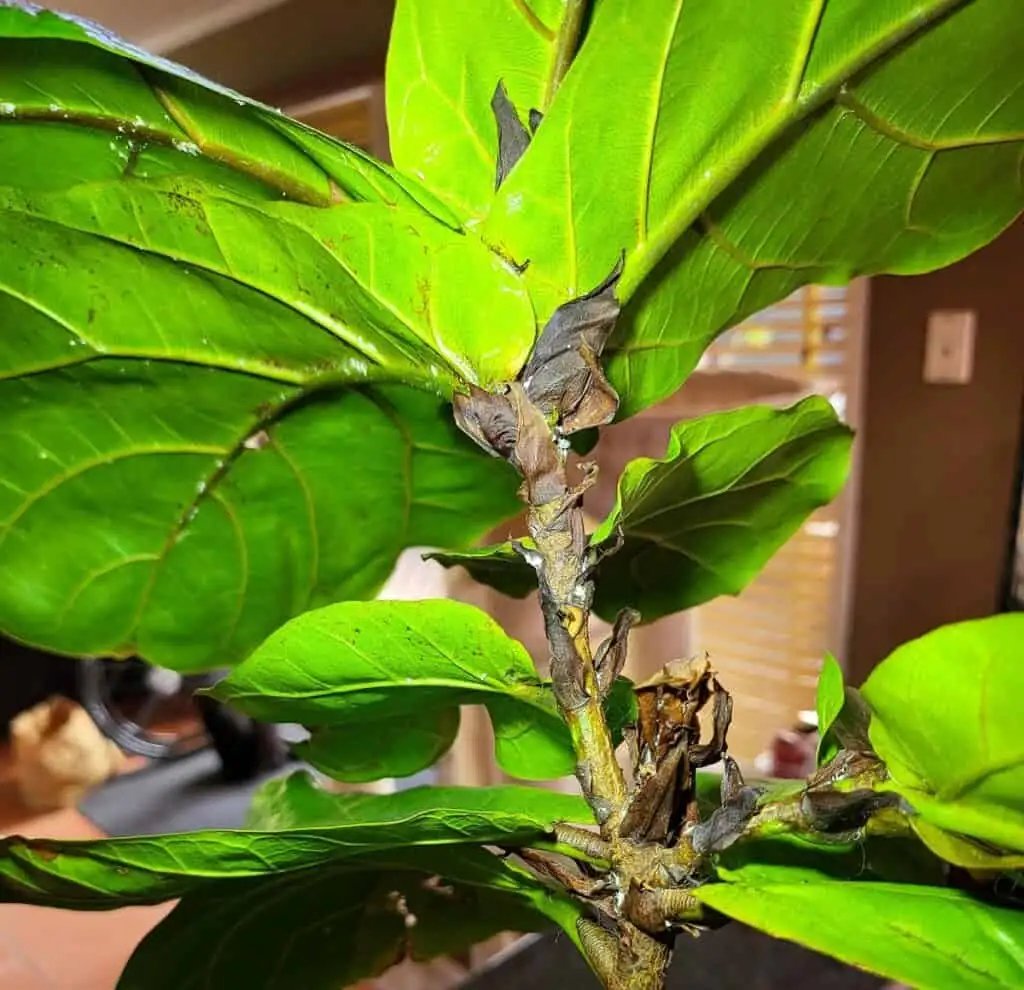
Identification: Mealybugs present as white, cottony clusters on stems and leaves, often accompanied by sticky residue.
Damage: They weaken the plant, causing leaf drop and inhibited growth.
Solutions:
- Organic: Neem oil and alcohol wipes can help. Introducing natural predators like ladybugs is another eco-friendly option.
- Chemical: Use insecticides targeting soft-bodied insects for persistent infestations.
Aphids: The Rapid Reproducers
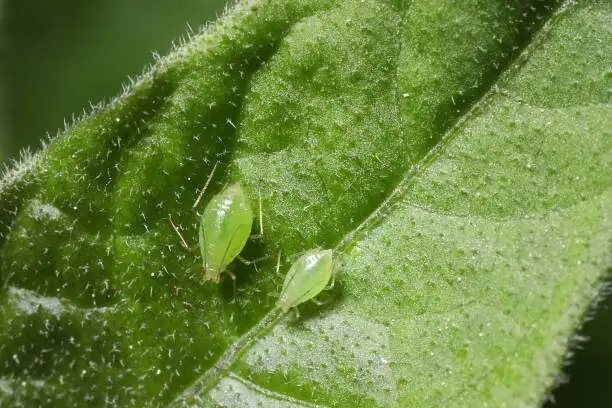
Identification: Aphids are small, green or black insects often found on new growth. Curling leaves and sticky surfaces are signs of their presence.
Damage: Beyond reducing plant vigor, aphids can transmit diseases.
Solutions:
- Organic: Insecticidal soap or neem oil can deter aphids. Beneficial insects like lacewings also help.
- Chemical: Broad-spectrum insecticides might be necessary for large infestations.
Disease Dilemmas and Prevention Tips
While pests are a common concern, diseases can also affect your Fiddle Leaf Fig, particularly if they’re related to care mishaps.
Root Rot: The Silent Killer
Cause: Overwatering and poor drainage are the main culprits here.
Prevention:
- Ensure your plant is in well-draining soil and a pot with drainage holes.
- Water only when the top 5 cm (2 in) of soil is dry.
Bacterial Leaf Spot: The Speckled Threat
Cause: This occurs when leaves remain wet and airflow is poor.
Prevention:
- Improve ventilation around your plant.
- Water at the base to keep leaves dry.
Natural Allies: Can Ladybugs Help?
Releasing ladybugs indoors might seem unconventional, but these charming insects can be a great ally. They feast on spider mites, scale, and mealybugs. However, be aware that they may wander beyond your plant. Still, for many, the benefits of a natural solution outweigh the occasional rogue ladybug.
Final Thoughts
Caring for a Fiddle Leaf Fig can be like orchestrating a delicate dance—keeping pests at bay and conditions just right. With vigilant observation and proactive measures, your plant will not only survive but thrive, showcasing its bold, glossy leaves in all their glory.
Remember, a healthy Fiddle Leaf Fig is more than just a houseplant; it’s a testament to your green thumb and dedication. Happy gardening!