Troubleshooting Common Pests and Diseases in Phalaenopsis Orchids
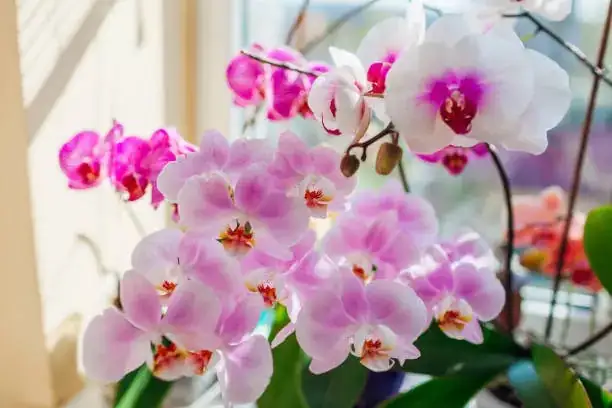
Phalaenopsis orchids, affectionately known as “Moth Orchids,” are a staple in many homes, celebrated for their exquisite blooms and relatively forgiving nature. But even these resilient beauties aren’t immune to the occasional pest or disease. Let’s dive into some common issues that might plague your graceful green companions and explore how to tackle them with finesse and flair.
Unwanted Guests: Common Pests
Just like an uninvited guest at a dinner party, pests can crash the serenity of your Phalaenopsis orchids. Here’s a closer look at the usual suspects:
Scale
Scale insects are akin to the armored tanks of the pest world. They cling to stems and leaves, sucking the life sap out of your orchids. Look for brown, waxy, or cottony bumps. To evict these stubborn intruders, you can use a cotton swab dipped in alcohol to wipe them away, followed by applications of insecticidal soap or horticultural oil.
Mealybugs
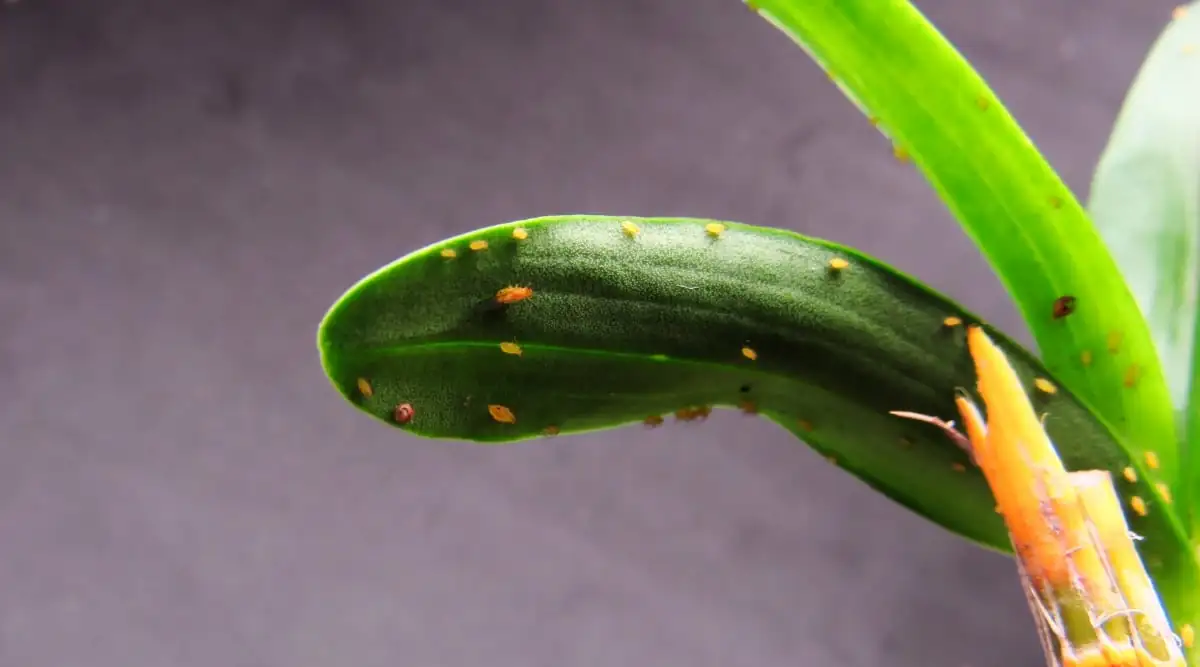
Mealybugs can often be found nestled in the cozy crevices of your orchid, resembling tiny cotton balls. These soft-bodied pests feast on the plant juices and can be quite the nuisance. A similar treatment to scale—alcohol swabs and insecticidal soap—can help manage these pests.
Spider Mites
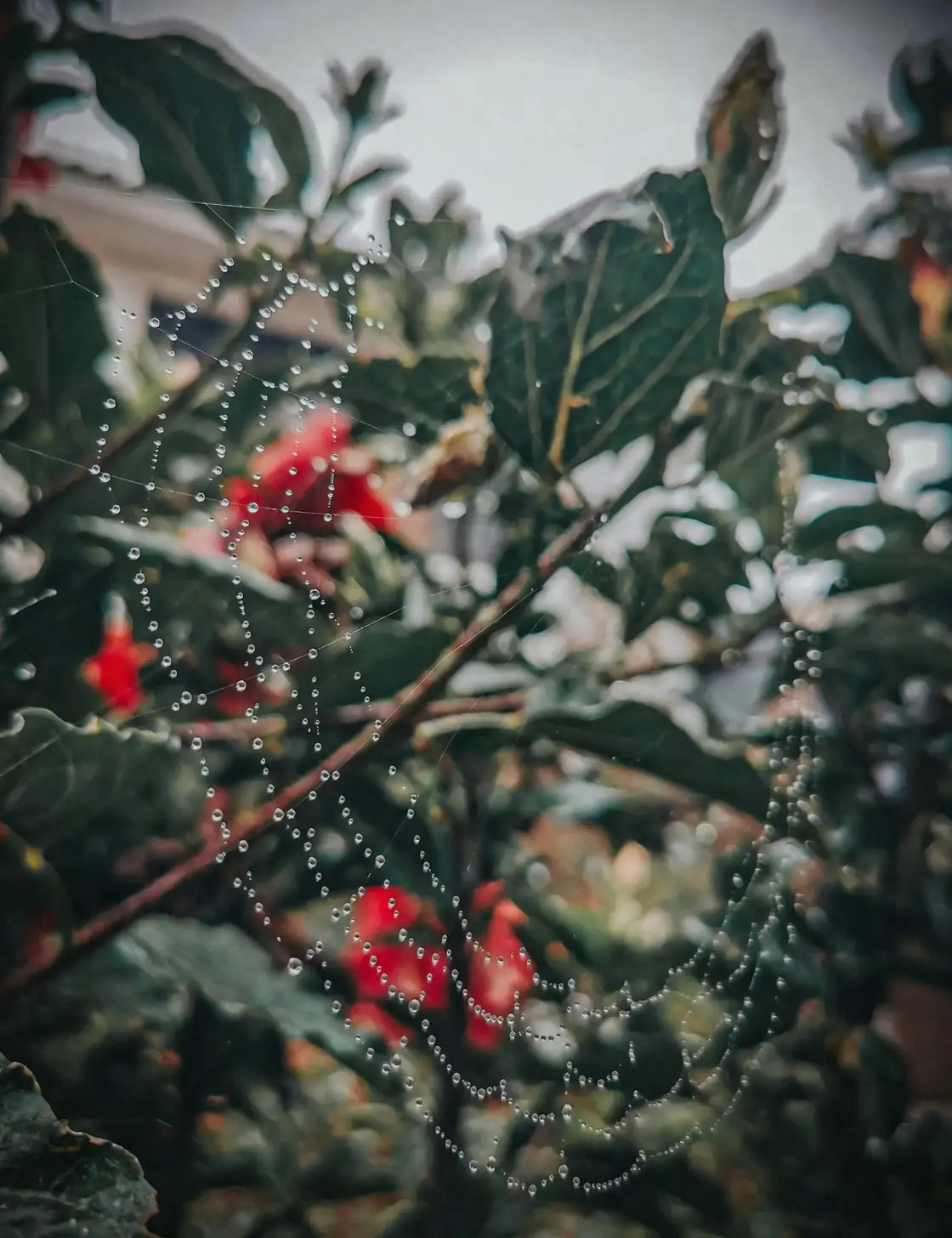
These minuscule arachnids are notorious for weaving fine webs and causing stippling on leaves. They thrive in dry conditions, so increasing humidity and giving your plants a gentle shower can help. If the infestation is severe, miticides might be necessary.
Thrips
Thrips are the vandals of the plant world, slashing and feeding on your orchid’s flowers and leaves. They can cause significant damage in no time. Introducing natural predators like ladybugs can help, or you may need to resort to insecticides specifically targeted for thrips.
The Silent Attackers: Diseases
While pests are visible, diseases can be silent, spreading before you even notice. Let’s spotlight some common orchid ailments:
Bacterial Soft and Brown Rot
This disease is a fast-moving villain, causing water-soaked, foul-smelling spots on leaves that can rapidly lead to plant demise. Promptly remove any affected tissue with sterilized tools and treat the plant with a bactericide. Improving air circulation and avoiding overhead watering can prevent this rot from taking hold.
Root and Crown Rot
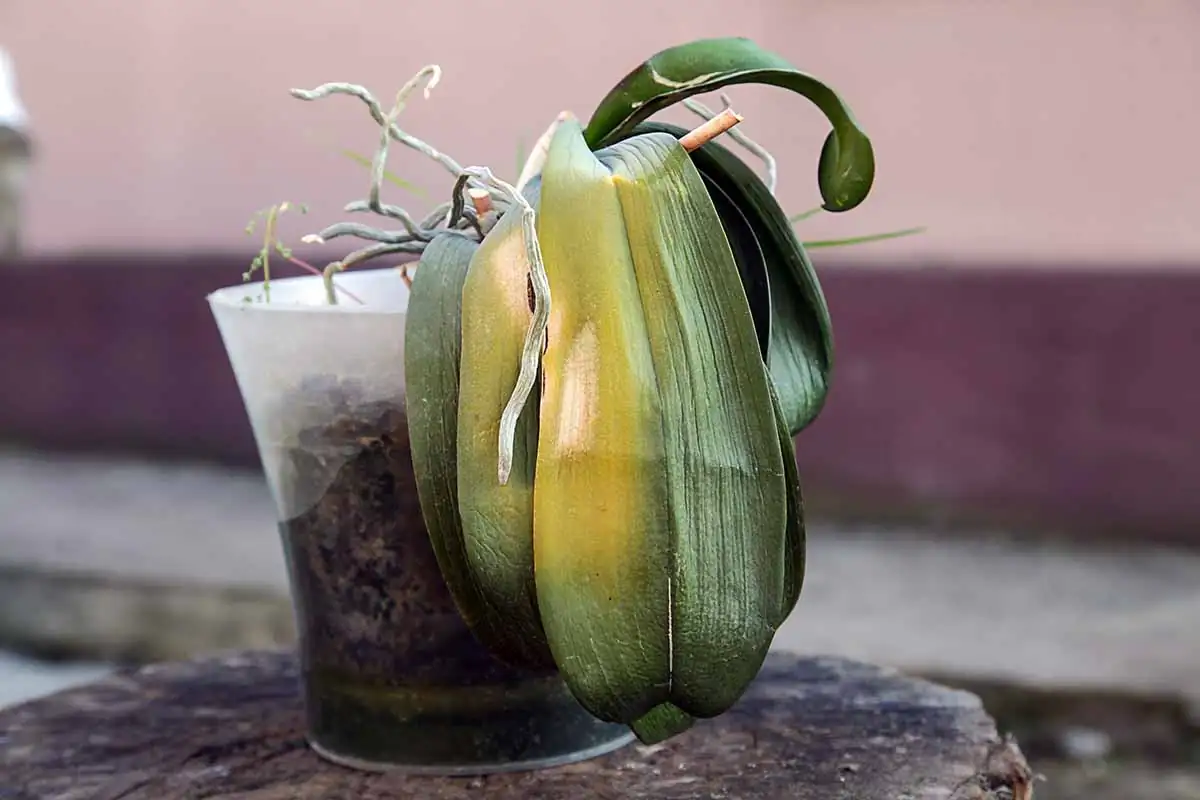
Phalaenopsis orchids are susceptible to root and crown rot, often due to overwatering or poor drainage. Ensure your orchid is in a well-draining bark-based mix and avoid letting water sit in the crown of the plant. If rot sets in, you might need to repot, removing any mushy roots and using a fungicide treatment.
Fungal Infections
Fungal issues often present as spots or blotches on leaves. Keeping the foliage dry and ensuring good air circulation is crucial. If infection occurs, fungicidal sprays can be effective, but always follow label instructions closely.
Prevention is the Best Medicine
The key to keeping your orchids healthy is prevention. Here are a few golden rules:
- Light and Airflow: Ensure your Phalaenopsis is placed in bright, indirect light with good air circulation to prevent stagnant conditions that promote pests and diseases.
- Watering Wisely: Water thoroughly but let the potting medium dry out somewhat between waterings. Always avoid letting water pool in the crown.
- Cleanliness: Regularly clean leaves and inspect your orchids for early signs of trouble. Isolate new plants before introducing them to your existing collection to prevent cross-contamination.
- Healthy Medium: Repot every 1–2 years with fresh orchid mix to maintain good drainage and aeration.
By keeping a watchful eye on your orchids and acting swiftly at the first sign of trouble, you can ensure your Phalaenopsis remains a stunning centerpiece in your home. Remember, a little diligence goes a long way in nurturing these living works of art, allowing them to flourish and enchant for years to come.