The Lively Lantana: Overcoming Pest and Disease Challenges with Eco-Friendly Solutions
Lantana camara, often recognized for its vibrant, color-changing flowers, is a staple in gardens where butterflies and hummingbirds flutter by. Yet, like any beloved garden star, it faces its share of backstage dramas—mainly in the form of pests and diseases. But fret not, fellow gardeners! With some eco-friendly strategies, you can keep your lantana thriving and blooming in all its glory.
Common Pest Problems and Eco-Friendly Solutions
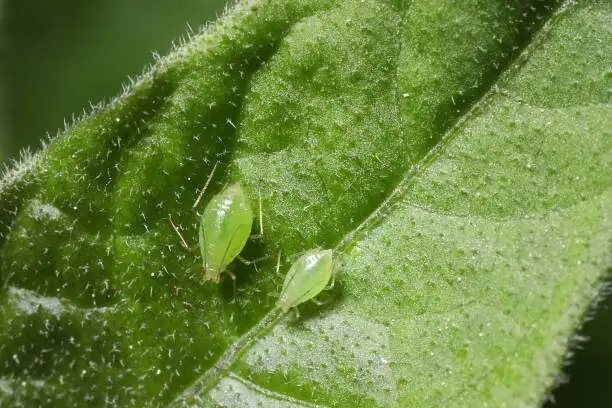
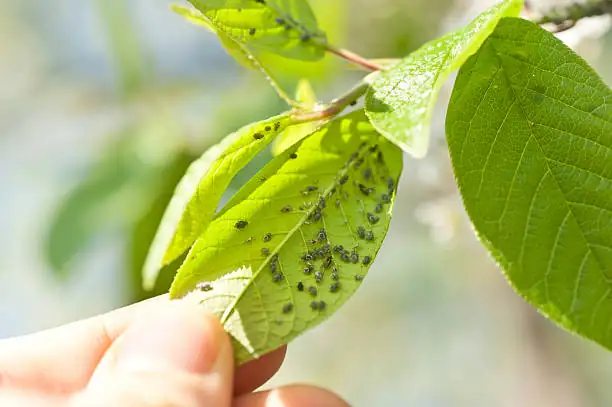
Aphids, Whiteflies, and Spider Mites
These tiny troublemakers love lurking on the undersides of lantana leaves, sipping the plant’s juices and leaving a sticky residue known as honeydew. This can lead to sooty mold, which not only looks unsightly but can hinder photosynthesis.
- Solution: Embrace the power of insecticidal soap or neem oil, both of which can effectively control these pests without harming beneficial insects. Regular sprays of a homemade solution of water and a few drops of dish soap can also do the trick. Remember, consistency is key!
Lace Bugs and Mealybugs
Lace bugs leave behind a speckled, stippled look on leaves, while mealybugs appear as cottony masses that can sap plant vigor.
- Solution: Introduce natural predators like ladybugs or lacewing larvae to your garden. These beneficial insects are the natural enemies of many lantana pests. Additionally, a strong spray of water can dislodge mealybugs and keep infestations at bay.
Caterpillars
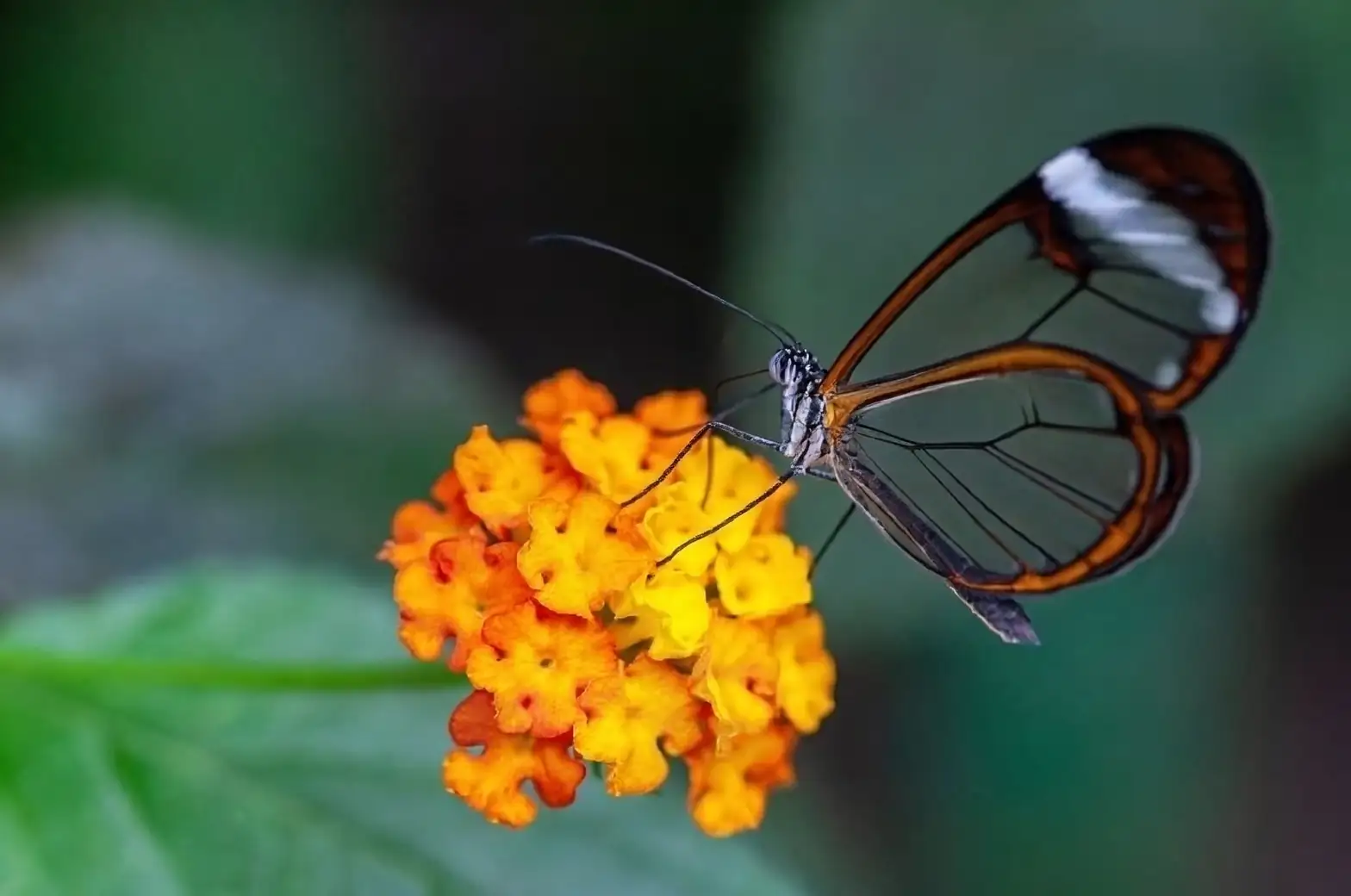
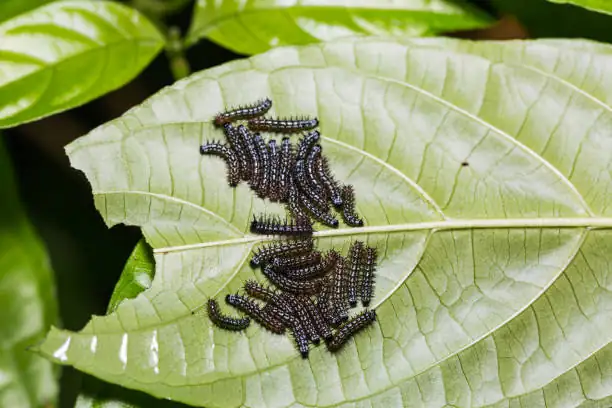
While some caterpillars can become beautiful butterflies, others munch on lantana leaves with reckless abandon.
- Solution: Handpick the caterpillars if you spot them or use Bacillus thuringiensis (Bt), a natural bacterium that targets caterpillars specifically without affecting other wildlife.
Disease Dilemmas and Their Remedies
Powdery Mildew
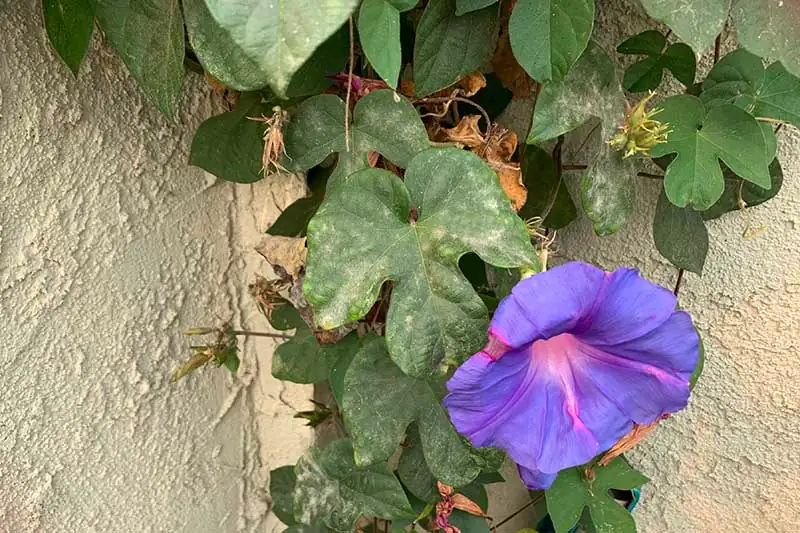
This fungal disease creates a white, powdery coating on leaves, particularly in humid conditions with poor air circulation.
- Solution: Increase airflow by spacing plants properly and pruning overcrowded branches. A milk spray (1 part milk to 9 parts water) applied weekly can also help prevent and treat powdery mildew.
Root Rot
Often a result of poor drainage, root rot can quickly take down your lantana if its roots remain waterlogged.
- Solution: Ensure your lantana is planted in well-draining soil. If container-grown, use a mix amended with perlite or sand and ensure pots have adequate drainage holes.
Botrytis Blight
Gray mold can affect lantana flowers and foliage, especially in damp conditions.
- Solution: Remove any infected plant parts promptly and avoid overhead watering to reduce moisture on leaves. Improved air circulation can also help prevent this disease.
The Multifaceted Role of Lantana in Eco-Friendly Gardening
Lantana camara is a paradox—a vibrant, resilient plant that can sometimes become an invasive nuisance. However, it also plays a fascinating role in eco-friendly gardening strategies. Recent studies have explored the plant’s potential as a natural insecticide. Its leaves contain compounds like alkaloids and terpenoids, which exhibit pesticidal properties. This offers gardeners a sustainable way to manage pests, reducing reliance on synthetic chemicals.
A Plant Symbolizing Resilience
In the language of flowers, lantana represents resilience and adaptability—apt symbols for a plant that not only survives but thrives in challenging conditions. Its color-changing blooms serve as a metaphor for transformation and change, reminding us that beauty often comes from adaptation.
By embracing these eco-friendly solutions, we can ensure that lantana continues to light up our gardens with its kaleidoscope of colors, all while supporting biodiversity and maintaining ecological balance. So, roll up your sleeves, grab your garden tools, and let’s give lantana the green, sustainable stage it deserves!