A Comprehensive Guide to Identifying and Managing Common Holly Pests and Diseases
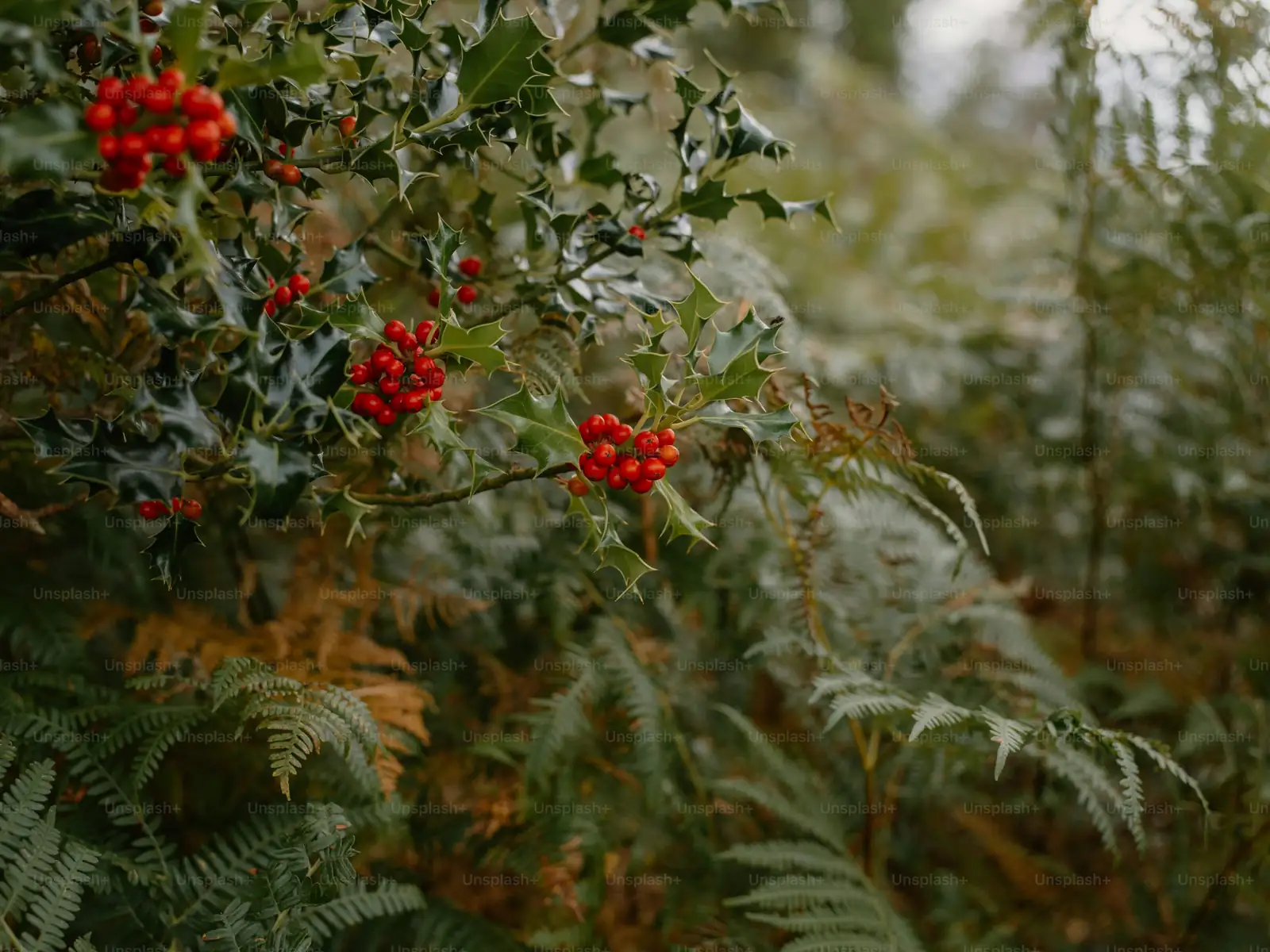
Holly, with its glossy leaves and bright berries, is more than just a festive symbol during the holiday season—it’s a resilient garden staple. Yet, like any beloved plant, it can face challenges from pests and diseases. Understanding these threats and knowing how to manage them is key to maintaining a vibrant and healthy holly display in your garden.
Identifying Common Holly Pests
While hollies are generally hardy, they are not entirely immune to pest issues. Here are some of the most common intruders:
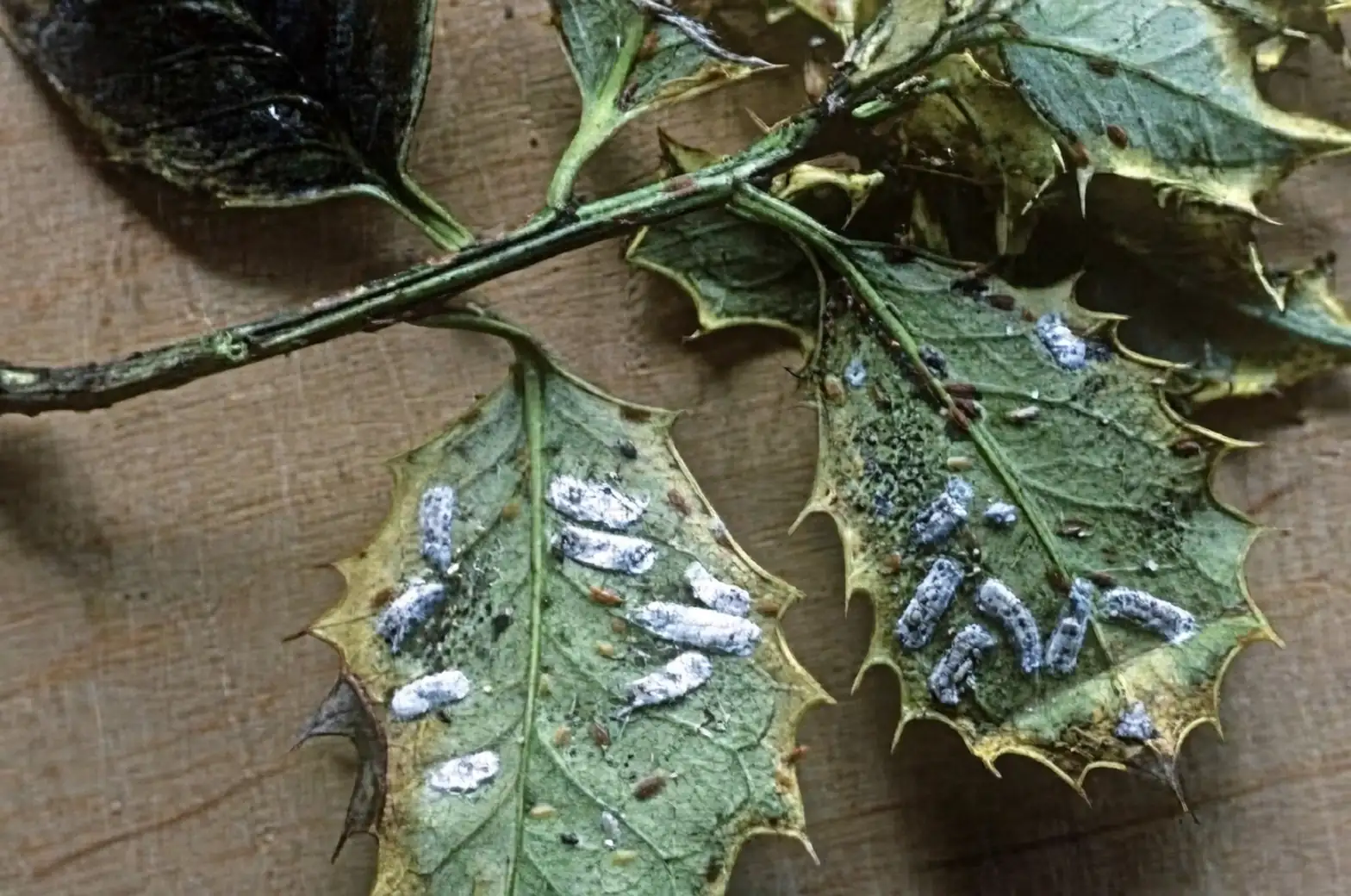
Scale Insects
These pests are the silent sap-suckers of the plant world. They attach themselves to the stems and leaves, appearing as small, hard, and often brown or white bumps. Light infestations can be managed by handpicking, but for larger populations, horticultural oil applied before new growth emerges can be effective.
Spider Mites
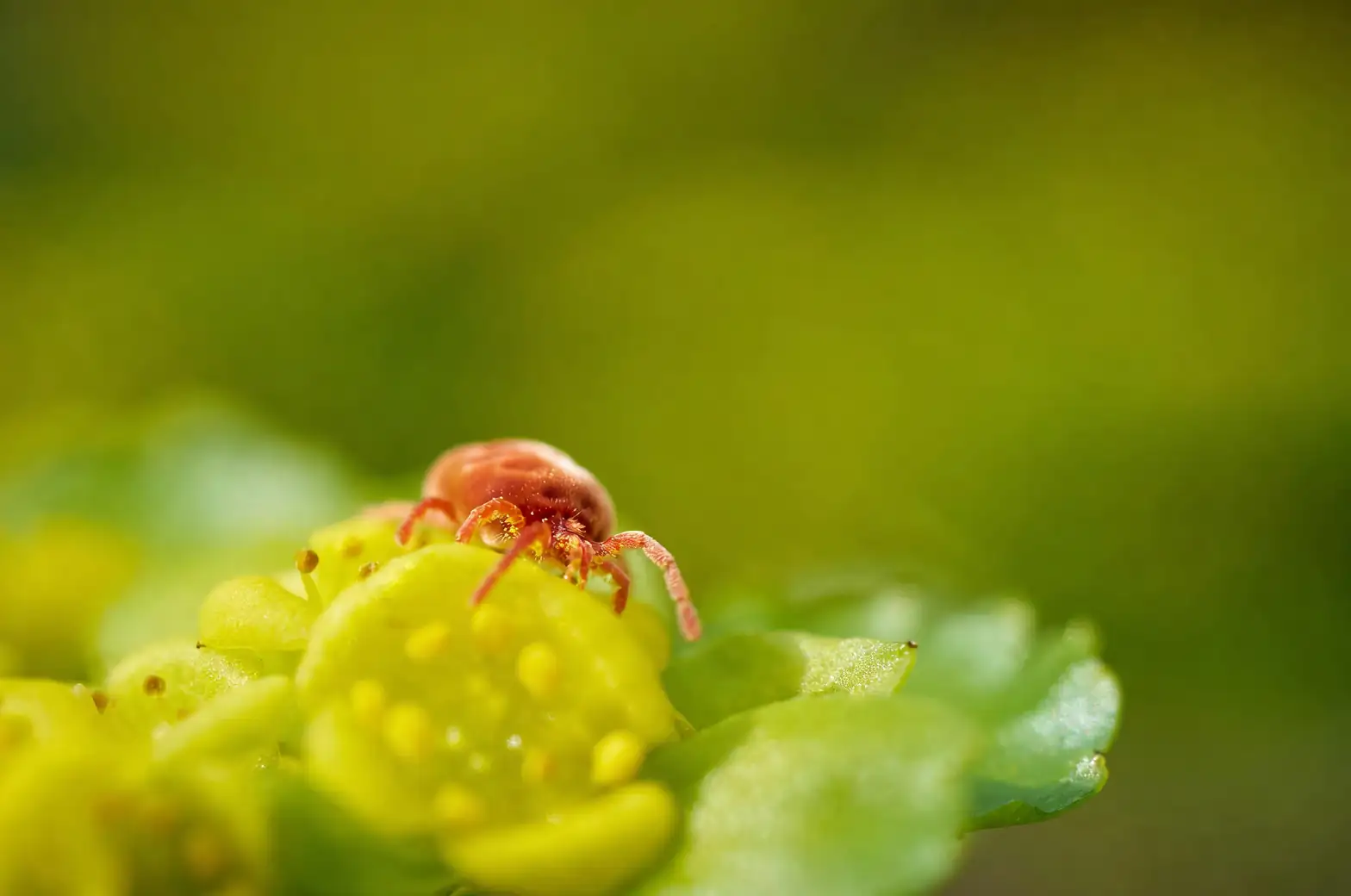
These minuscule arachnids can cause significant damage, leading to discolored and speckled foliage. To combat spider mites, consider introducing natural predators like ladybugs, or employ a gentle spray of soapy water or insecticidal soap to keep their numbers in check.
Holly Leaf Miner
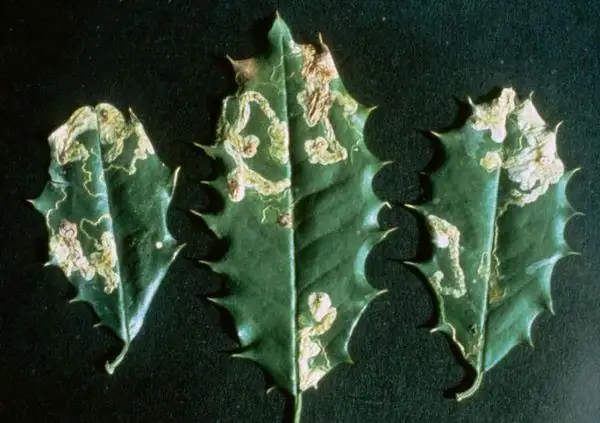
The leaf miner’s handiwork is easily recognized by the yellow to brown trails they leave inside the leaves. If you spot these unsightly signs, immediately remove and destroy affected foliage. A foliar insecticide might be necessary for severe infestations.
Managing Holly Diseases
Diseases in holly plants often stem from fungal infections, and environmental conditions can exacerbate these issues. Here’s how to identify and manage them:
Black Root Rot
Caused by the fungus Thielaviopsis basicola, black root rot affects the roots, leading to stunted growth and yellowing leaves. Preventing this disease focuses on maintaining good drainage and avoiding overwatering. If your holly becomes infected, removing the plant is often the best solution, as this fungus can persist in the soil.
Phytophthora Root Rot
Similar in symptom to black root rot, this disease is caused by water mold fungi and thrives in poorly drained soils. Symptoms include yellowing leaves and twig dieback. Prevent it by ensuring proper drainage and avoiding over-mulching or planting too deeply.
Tar Spot
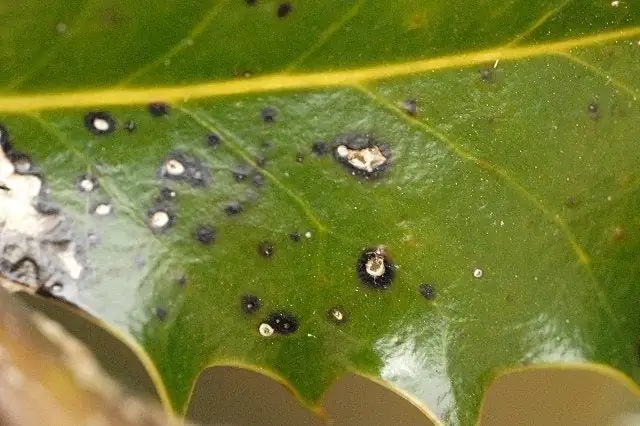
Recognizable by small yellow spots that develop into larger black lesions, tar spot thrives in moist, cool conditions. To control it, remove and dispose of infected leaves, and consider applying a fungicide if the problem persists.
Cankers
Manifesting as sunken, dead areas on stems, cankers require immediate action. Prune out infected branches and sterilize tools between cuts to prevent spreading the disease.
Preventative Measures for a Healthy Holly
An ounce of prevention is worth a pound of cure, especially in gardening. Here are some expert tips to keep your hollies thriving:
- Site Selection: Ensure well-drained soil and good air circulation. Raised beds can help prevent waterlogging.
- Proper Watering: Water at the base of the plant to minimize excess moisture on leaves, which can promote fungal growth.
- Regular Monitoring: Regularly inspect your hollies for early signs of pests or disease. Catching problems early makes them much easier to manage.
- Healthy Start: Choose disease-resistant varieties suitable for your climate and purchase only healthy, vigorous plants.
The Symbolism of Holly
Beyond its practical gardening considerations, holly is steeped in rich symbolism. With its evergreen leaves and bright berries, it represents endurance and hope—standing vivid against the stark winter landscape. In Christian tradition, holly is often linked to the crown of thorns and the blood of Christ, symbolizing protection and sacrifice.
Conclusion
Caring for hollies involves understanding the balance between aesthetics and plant health. By staying vigilant and proactive, you can keep these iconic plants lush and vibrant, ensuring they remain a cherished part of your garden year-round. Whether you’re warding off pests or nurturing new growth, remember that each holly bush is a testament to the enduring beauty and resilience of nature—a fitting reminder in any season.