Welcome to the wonderful world of houseplants, where lush greenery and vibrant flowers can transform your home into a cozy, oxygen-rich oasis. But before you start decorating, there’s an important consideration: not all plants are safe for everyone in your household. This guide will help you navigate the sometimes tricky landscape of choosing between safe and toxic plants for homes with kids and pets.
Understanding Plant Toxicity
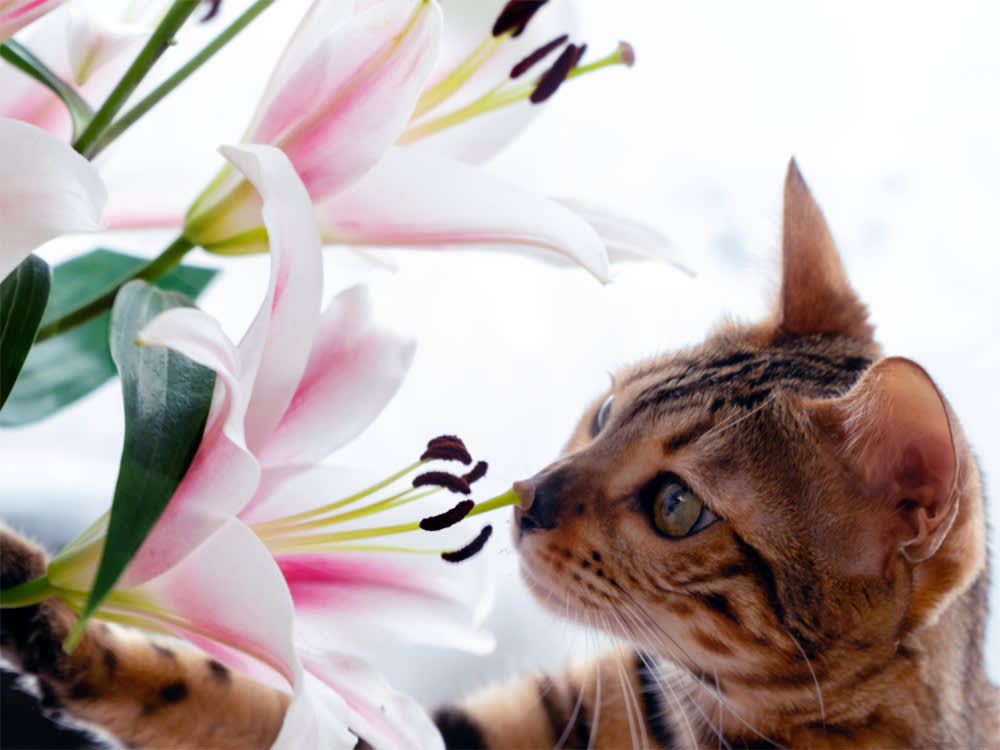
First, let’s demystify what it means for a plant to be “toxic.” Toxic plants contain substances that can cause anything from mild irritation to serious health issues upon ingestion or skin contact. For example, common houseplants like lilies can be lethally toxic to cats, even if they merely brush against the pollen and groom themselves afterward.
Quick Tip:
If you’re unsure about a plant’s toxicity, reach out to a poison control center at 1-800-222-1222 or use their online resources. It’s a free and confidential service that’s there to help you.
The Usual Suspects: Toxic Plants to Avoid
Here’s a list of common toxic plants to keep away from curious kids and pets:
- Lilies: Especially dangerous for cats, causing kidney failure.
- Philodendrons and Pothos: Can lead to mouth irritation and digestive issues.
- Snake Plant (Mother-in-Law’s Tongue): Known to cause nausea and vomiting if ingested by pets.
- Oleander: Highly toxic to both humans and animals; can cause heart issues.
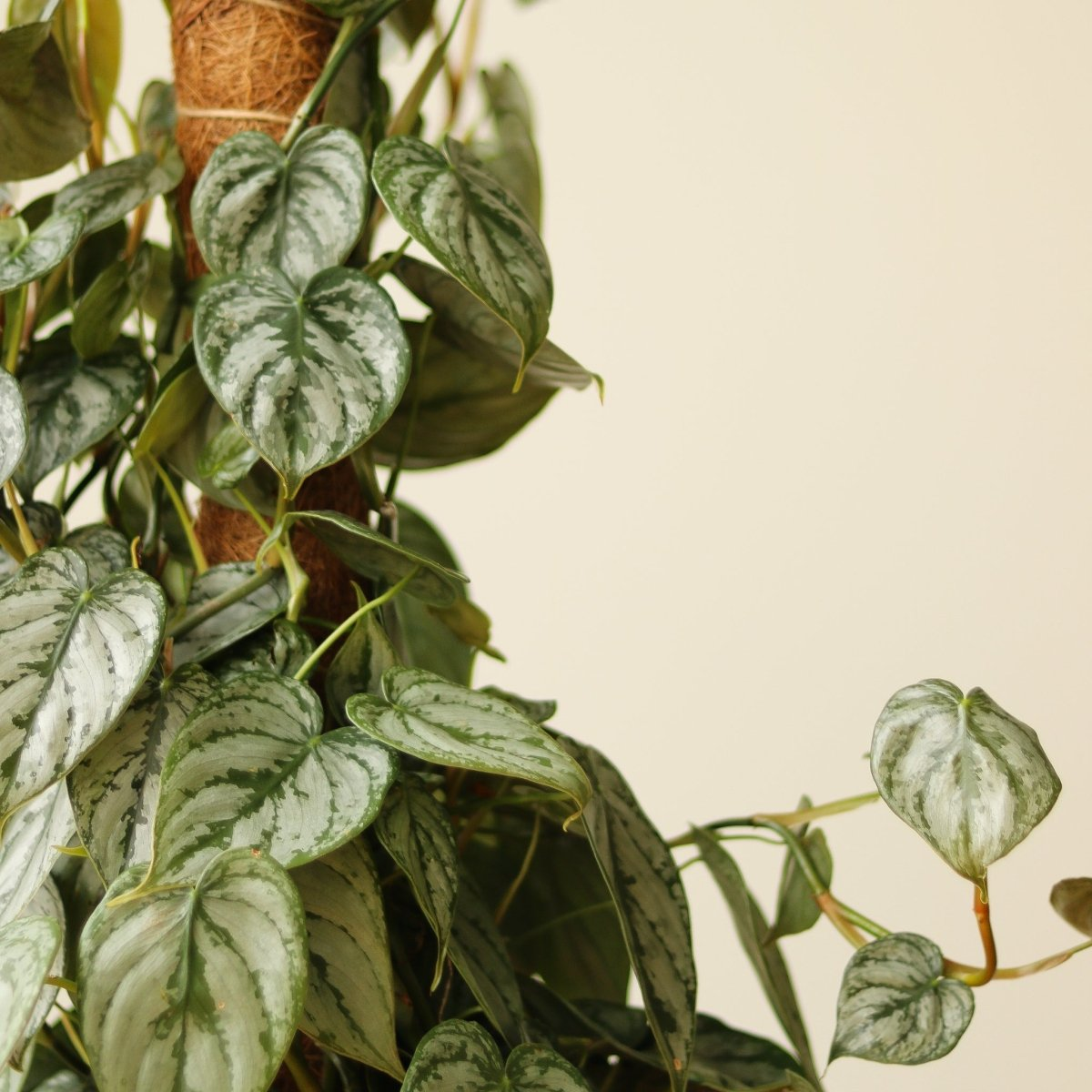
Safety Measures:
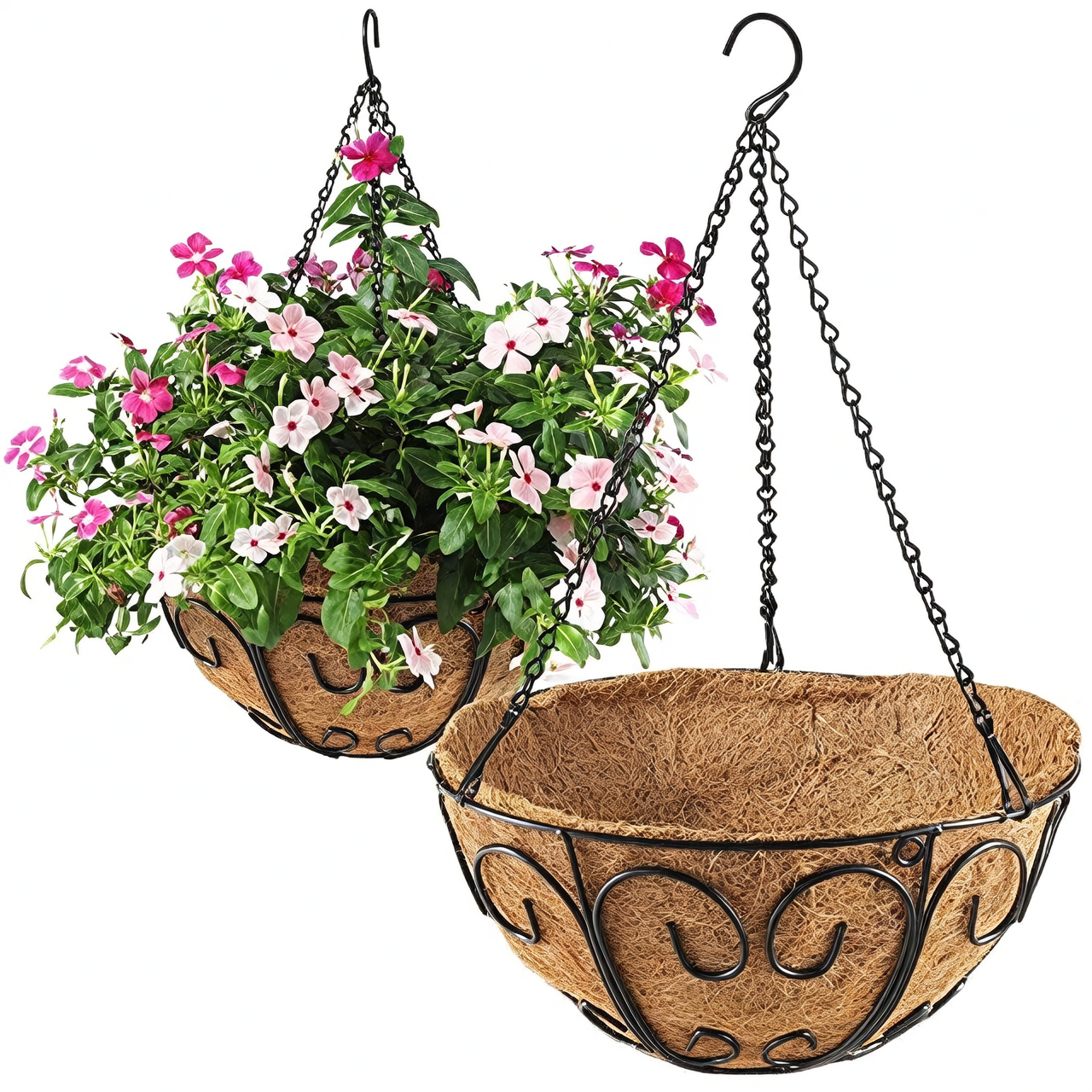
If you love these plants too much to part with them, consider placing them in hanging baskets or on high shelves, safely out of reach.
Inviting Greenery: Non-Toxic Houseplants
Fortunately, many plants are perfectly safe for homes with kids and pets. Here are some popular non-toxic options:
- Spider Plant: A hardy plant that thrives in indirect sunlight and is safe for pets.
- Boston Fern: Prefers a humid environment and is safe for both kids and pets.
- African Violets: Offers colorful blooms without the worry of toxicity.
- Christmas Cactus: Adds festive cheer with its seasonal blooms, safe for nibbling.
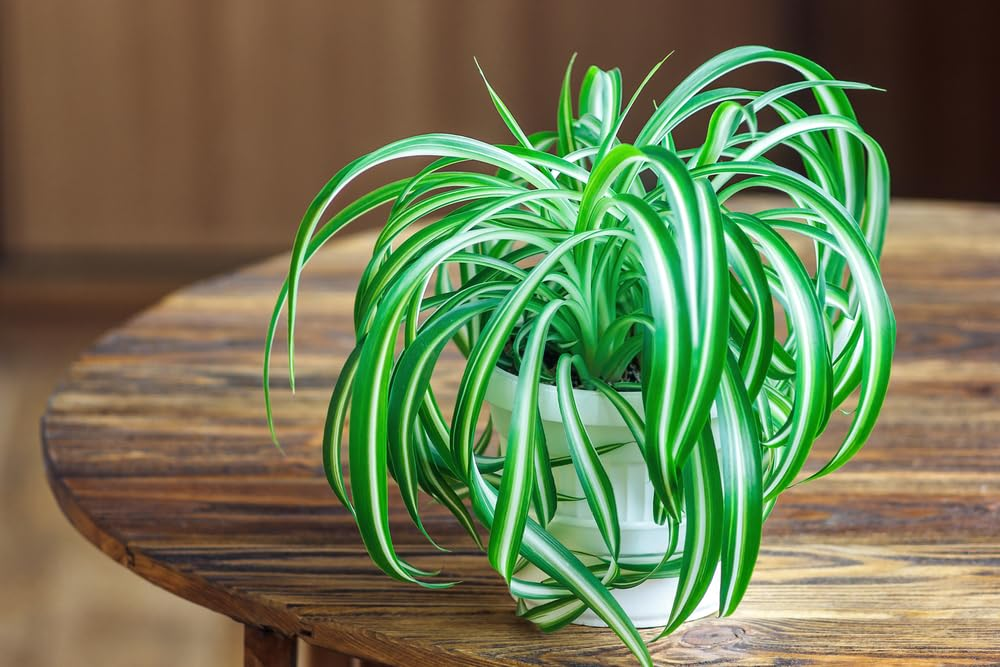
Care Tips:
Ensure your non-toxic plants remain healthy by placing them in the right spot according to their light and water needs. Most ferns, for instance, thrive in humidity, so consider misting them regularly, especially in dry winter months.
Making Your Home a Safe Haven
While you can’t always predict how your child or pet will react to a plant, there are steps you can take to minimize risks:
- Identify Your Plants: Knowing the exact species and its potential risks can prevent accidents. Use plant identification apps or consult with a local nursery.
- Educate Family Members: Make sure everyone in the household knows which plants are off-limits.
- Securely Arrange: Use plant stands and hanging pots to keep toxic plants out of reach.
When Accidents Happen
Despite our best efforts, accidents can occur. If a child or pet ingests a potentially harmful plant, it’s crucial to act quickly. Contact your local poison control center or veterinarian immediately for guidance.
Final Thoughts
Choosing the right plants for your home involves more than just aesthetics; it’s about creating a safe environment for everyone. By understanding which plants are safe and which are not, you can enjoy the beauty of houseplants without worry. Happy planting!