
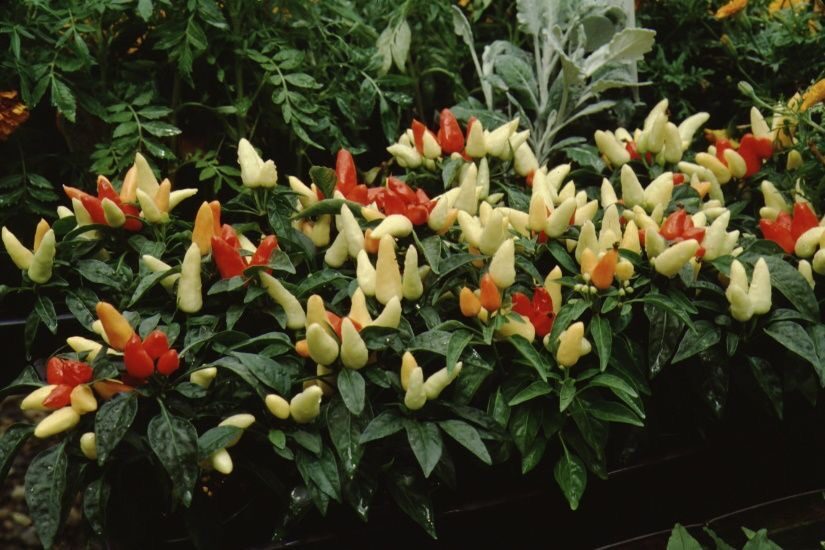
If a pepper could talk, the ornamental Capsicum annuum would whisper: “I’m small, I’m stunning—and I pack a molecular flamethrower.” Those jewel-like fruits that glow in green, yellow, orange, red, and sometimes purple are more than decoration. Their heat is a precise biological message, wired straight into the nerves of would-be grazers and careless gardeners alike. Here’s how capsaicin flips the body’s “hot switch,” why so many pests take the hint, and how to enjoy your plants without singeing your day.
Meet the plant behind the fire
Ornamental pepper (Capsicum annuum, family Solanaceae) originated in the tropical Americas and is now grown worldwide. Compact and bushy, it’s a classic bright-windowsill or sunny-balcony plant, especially gorgeous in autumn to winter when the fruit show peaks.
- Habit and size: 20–45 cm tall, equally wide; naturally branching and sturdy.
- Flowers and fruit: Small white starry blooms followed by glossy, upright peppers that ripen in waves—often multiple colors on one plant at once.
- Edibility note: Technically edible (same species as culinary peppers), but ornamental types are often extremely hot. The capsaicin can burn eyes, mouth, or broken skin—treat them as décor unless you handle and taste with extreme care.
The chemistry of a tingle: how capsaicin flips TRPV1
You don’t “taste” heat—you feel it. The sensation is a nerve response, not a flavor.
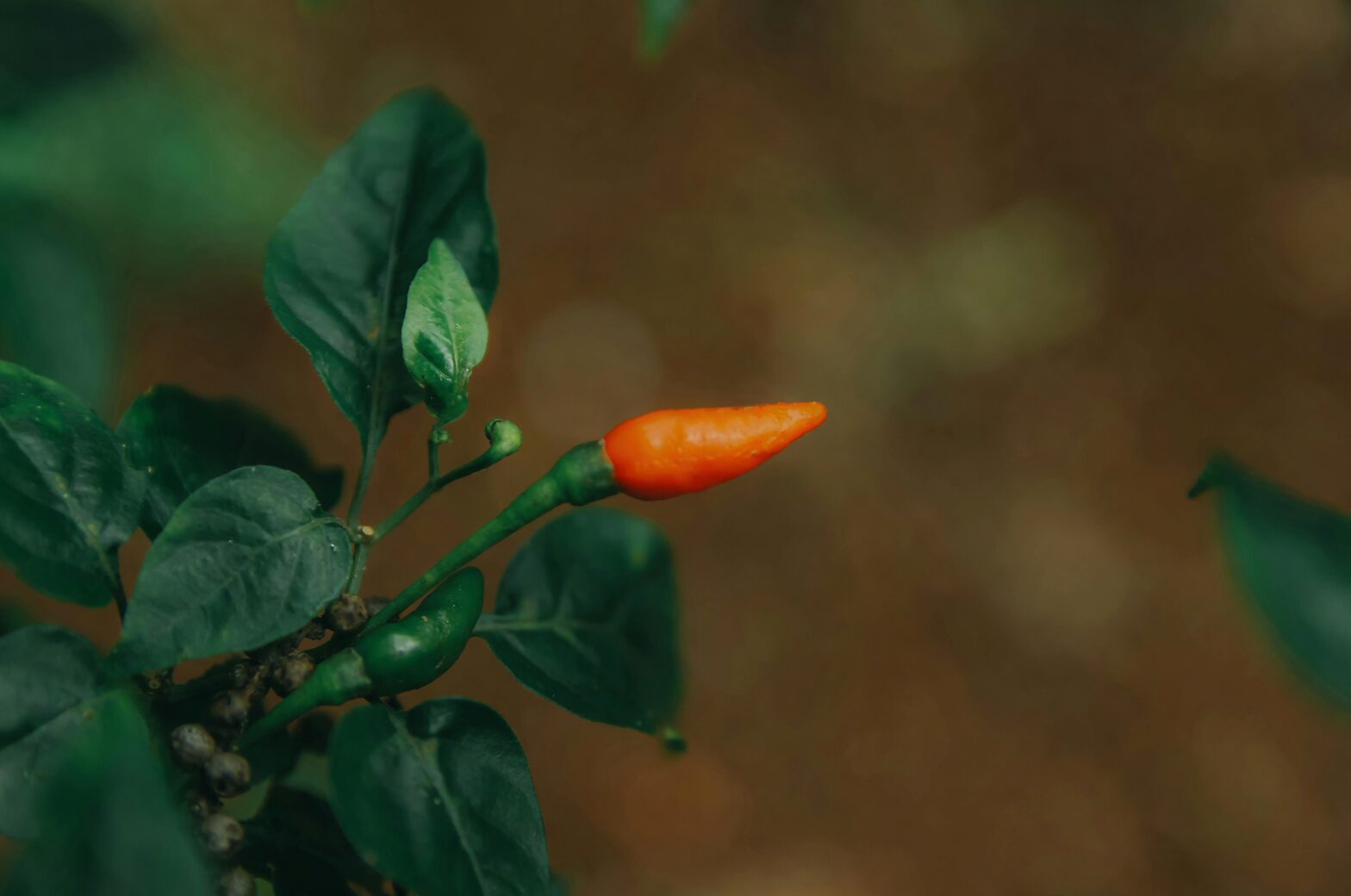
- The receptor: TRPV1 (transient receptor potential vanilloid 1) is a heat- and acid-sensitive ion channel on pain-sensing neurons. It normally fires when things are truly hot (roughly above 43°C/109°F), when tissue is acidic, or during inflammation.
- The trick: Capsaicin, the signature compound in chili peppers, docks onto TRPV1 and pries it open. Sodium and calcium ions rush in, the neuron depolarizes, and your brain interprets this as burning heat—whether or not there’s any real temperature rise.
- Why “it gets easier”: With repeated exposure, TRPV1 can desensitize or be internalized, and neuropeptides can be depleted. That’s why some people “build tolerance”—the alarm system dials down.
- Where the burn lives: Most capsaicin is made in the white internal placenta (the pith that holds the seeds). Seeds themselves don’t make capsaicin, but they often get coated with it.
Why so many pests back off
Capsaicin is nature’s elegant deterrent—loud to some, whisper-quiet to others.
- Mammal deterrent: In mammals, TRPV1 is highly sensitive to capsaicin. One bite equals “fire!”—a powerful lesson for rodents and other nibblers.
- Birds, the exception: Many birds are far less sensitive to capsaicin’s burn. They can eat hot peppers and disperse the seeds, giving peppers a selective edge: mammals chew and destroy seeds; birds carry them farther intact.
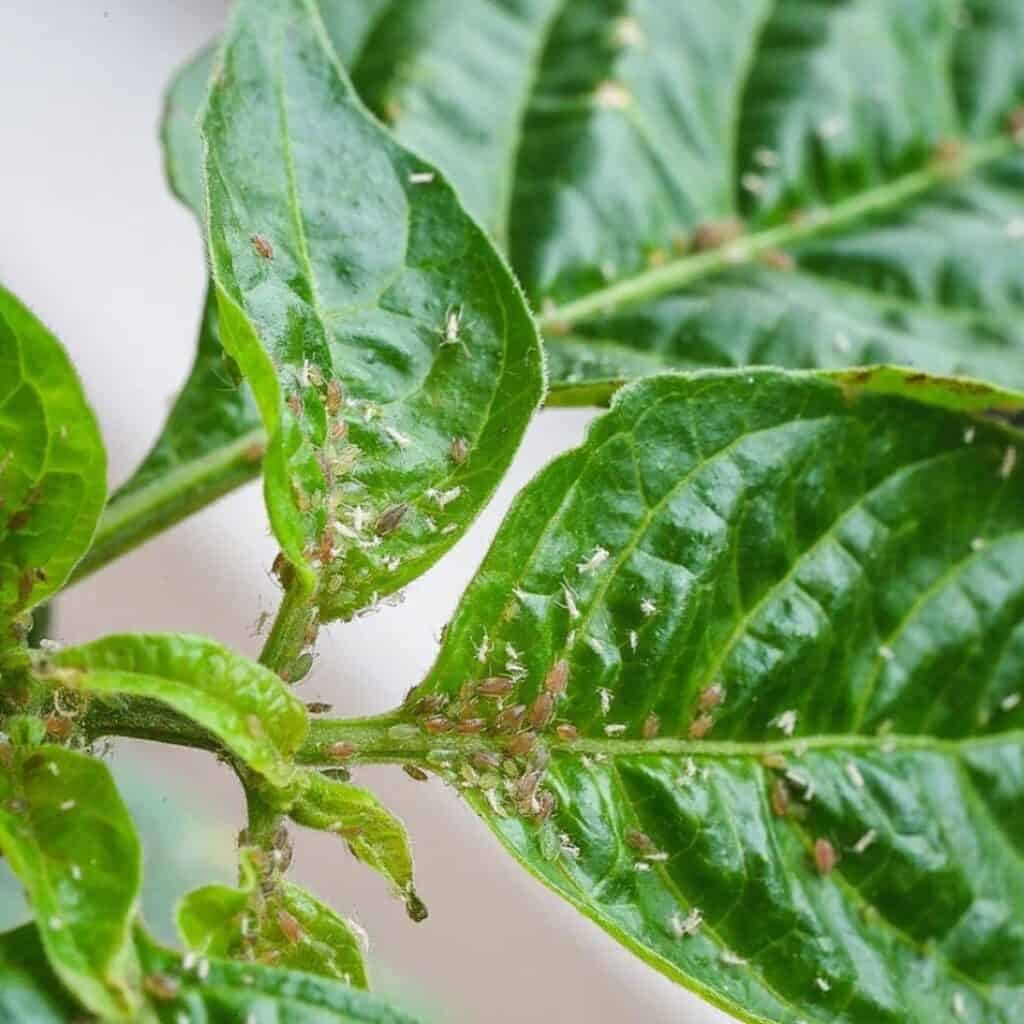
- Insects and mites: Capsaicin is registered in various products as an insecticide, miticide, and feeding deterrent. It can disrupt feeding or repel certain soft-bodied pests. But here’s the garden reality check: aphids and spider mites still show up on ornamental peppers, especially in warm, dry indoor air. They feed on leaves, not fruits, and the plant’s own capsaicin doesn’t automatically protect foliage from these sap-suckers.
- Fungi and pathogens: Capasicinoids can show antifungal activity, part of the fruit’s defense during ripening and seed maturation.
Takeaway: Capsaicin is excellent at discouraging mammals and can help deter some arthropods, but it’s not a force field. Good culture and targeted controls (like insecticidal soap or horticultural oil) still matter.
Safety first: gardener-approved protocols for handling hot fruits and pruning
Capsaicin is oil-loving (lipophilic) and stubborn. Water alone won’t whisk it away. Build safe habits into every interaction.
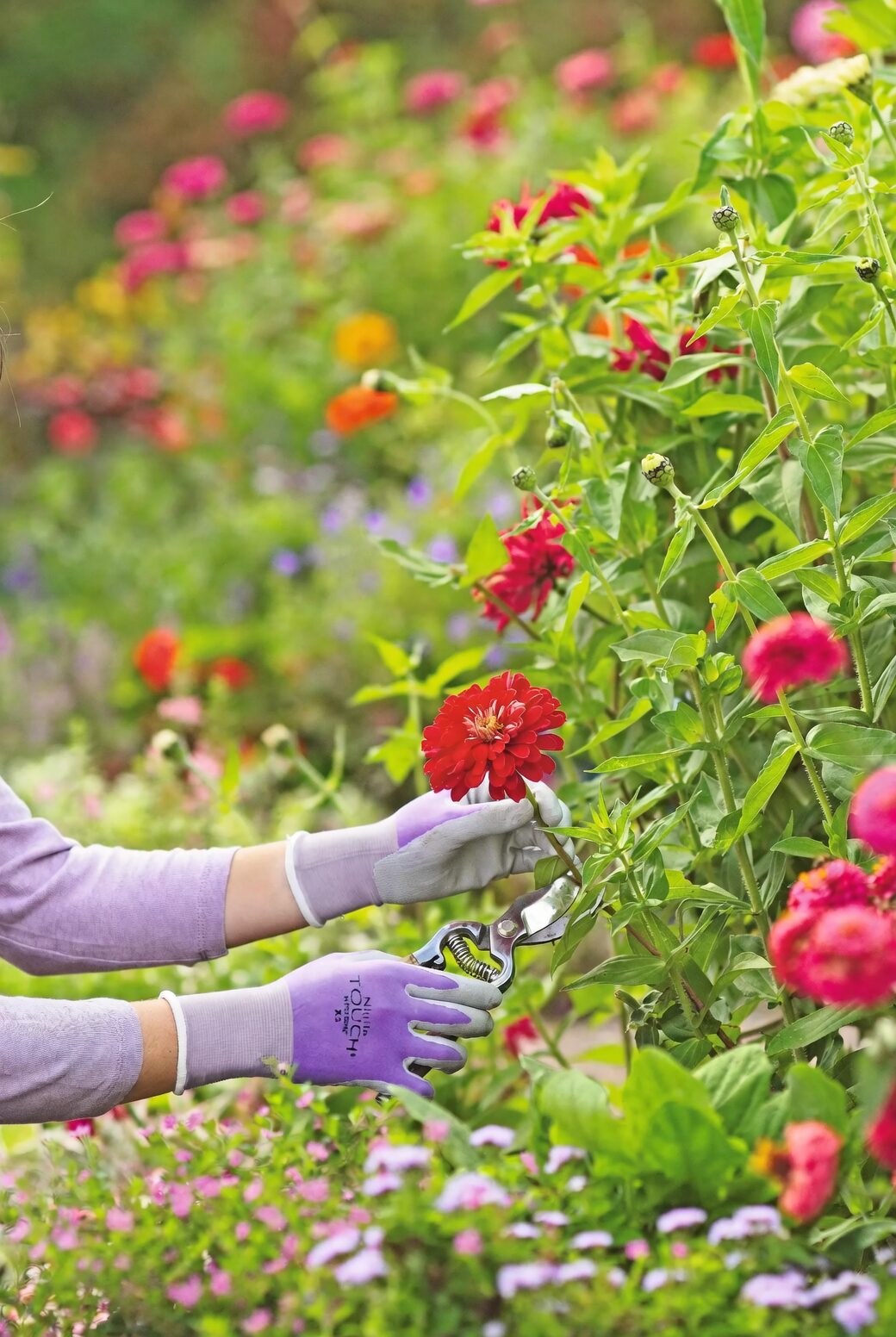
Before you touch the plant
- Wear protection:
- Nitrile gloves (better barrier than thin latex for oils).
- Snug, wraparound eye protection if you’re pruning heavily, picking lots of fruit, or handling dried pods.
- Long sleeves if you have sensitive skin.
- Set your station:
- Work in bright light and good airflow.
- Keep paper towels, dish soap, and a little vegetable oil at hand (for cleanup).
- Have a designated “pepper” pruner/knife and cutting board.
While you prune or harvest
- Minimize splatter: Cut fruits cleanly at the pedicel; avoid crushing pods.
- Don’t touch your face: Especially eyes, nose, or any chapped skin.
- Manage residues: Fruiting stems and pruning tools can transfer capsaicin. Wipe tools as you go if needed.
Smart cleaning that actually works

- Hands and skin:
- First, loosen the oil: Rub a teaspoon of cooking oil onto hands where exposure occurred.
- Then degrease: Wash thoroughly with cool water and dish soap; repeat if needed.
- Optional helpers: A little alcohol-based hand rub can help dissolve residues before soapy washing; micellar water works too.
- Avoid hot water at first—it can open pores and intensify the burn.
- Tools and surfaces:
- Wipe with paper towels, then wash with warm (not scalding) soapy water or dilute dish detergent. Alcohol can help on metal blades.
- Clothing:
- Pre-treat oily spots with liquid detergent before laundering.
First aid for accidental exposure
- Eyes: Remove contact lenses. Flush with clean, cool water or saline for 10–15 minutes. Don’t rub. Seek medical help if pain persists.
- Skin: Cool compresses, then oil + dish soap wash. Dairy (milk/yogurt) can soothe briefly due to fat and casein but still follow with soap.
- Inhalation/coughing: Move to fresh air. Capsaicin isn’t very volatile, but aerosols from chopping/drying can irritate airways.
- Pets and kids: Keep fruits and prunings out of reach. If a child or pet gets exposed, rinse eyes or mouth with cool water and contact a professional if irritation is severe.
Pruning and fruit-handling playbook
- Pinch early growth 2–3 times to encourage bushiness.
- Later, thin crowded leaves to improve airflow and light penetration—great for fruit color and reducing disease pressure.
- If the plant sets an overwhelming number of fruits, thin a few flowers or young pods. You’ll reduce stress-related drop and often get better-sized peppers.
- Always protect eyes and skin while thinning or tip-pruning; the plant’s shiny fruits are beautiful, but they smear capsaicin easily.
Using “pepper power” on pests—what works, what to skip
- Labeled capsaicin products: These can deter browsing mammals (like rodents) and sometimes soft-bodied pests. Always follow the label.
- Homemade chili sprays: They can burn leaves if too strong and are risky indoors (aerosols irritate eyes and lungs). If you try outdoors, test on a single leaf, use in cool, calm weather, and avoid spraying open blooms.
- For aphids and spider mites on ornamental peppers: Rinse plants, improve airflow/humidity balance, and use insecticidal soap or horticultural oil as needed. Repeat applications may be required to catch new hatchlings.
Growing for a blazing display (without the drama)
- Light: Full sun or very bright light—aim for 6–8 hours of direct sun. Low light means leggy plants and meager fruiting.
- Temperature: Best at 21–25°C (70–77°F). Protect from chills below 10°C (50°F); absolutely no frost.
- Watering: Keep evenly moist. Water when the top 2–3 cm of mix feels dry. Hot, dry air plus missed waterings often triggers flower and young-fruit drop.
- Humidity and airflow: Moderate humidity helps; avoid leaving foliage wet overnight. Good ventilation deters mites and disease.
- Feeding: April–August, feed weekly with a balanced fertilizer (e.g., 20-20-20) at label rates. After fruit set, 1–2 feeds higher in P and K (e.g., 15-30-15) support blooms and fruit.
- Soil and potting: A rich, well-drained potting mix with 10–30% perlite or coarse sand. Most ornamental types are happy in a 12–15 cm pot—don’t oversize the container.
- Placement tip: Keep away from bowls of ripening fruit—ethylene gas can encourage flower and fruit drop.
- Pests/diseases: Watch for aphids and spider mites in warm, dry air; treat promptly. Remove any fruit or leaf with rot or spotting and increase airflow.
Quick myth-busting
- “Seeds are the hottest part.” Not quite. The white placenta makes and holds most capsaicin; seeds pick it up by contact.
- “Water fixes a pepper burn.” Capsaicin is oil-loving. Use oil then soap, or dairy, or alcohol-based cleansers before a thorough wash.
- “Ornamental means inedible.” The fruits are typically edible but often extremely hot—and capsaicin can irritate skin and eyes. Handle with care and taste cautiously, if at all.
A final word from the windowsill
Ornamental pepper is proof that beauty and biochemistry can share the same pot. Give it sun and warmth, and it will repay you with a months-long light show. Respect the capsaicin, gear up for pruning and harvest, and you’ll enjoy every color-shifting candle on the plant—without accidentally lighting a fire on your fingers.