Bright green coins on slender stems, a glassy bowl of water on a sunlit sill, and a cat whose curiosity is bigger than its whiskers—sound familiar? Brazilian pennywort (Hydrocotyle umbellata) is a delightfully versatile, water-loving plant, but pet parents often ask the same thing: is it safe? Here’s the clear, pet-first guide you’ve been looking for—plus smart placement and training tricks to keep curious nibblers at bay.
Meet Brazilian pennywort (Hydrocotyle umbellata)
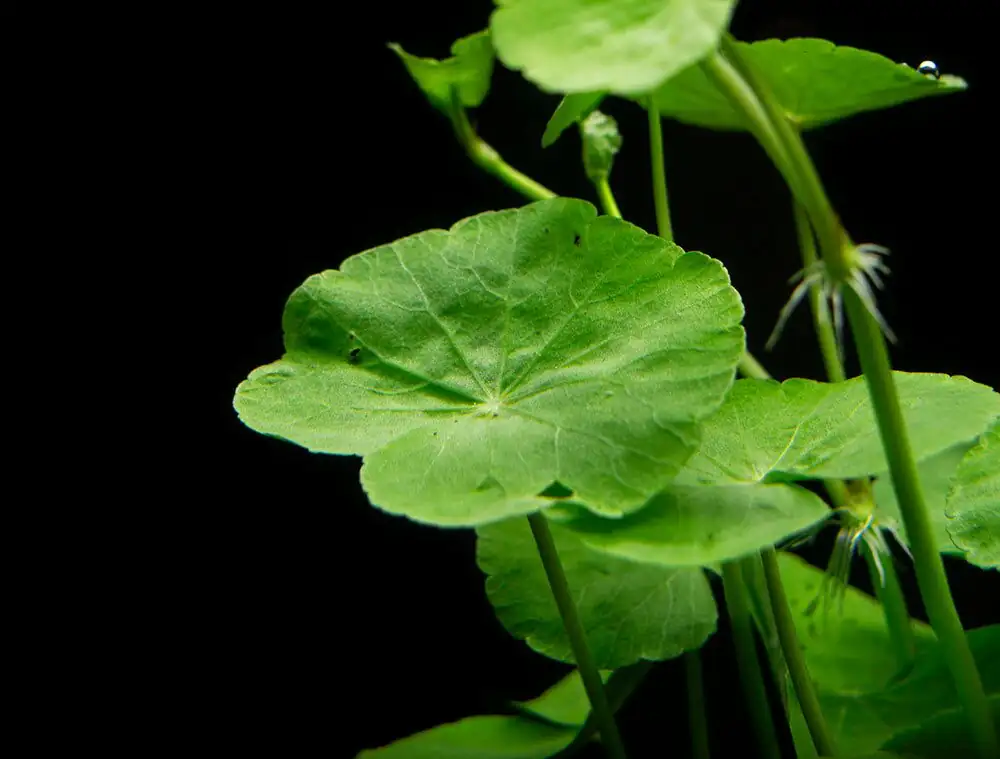
- What it looks like: Bright, glossy, coin-shaped leaves perched like tiny umbrellas on slender stalks. It creeps via runners that root at the nodes, quickly forming a lush mat.
- Where it comes from: Native to South America and widely grown as a decorative aquatic or windowsill plant.
- How it grows: 5–30 cm (2–12 in) tall; runners can spread 30–60+ cm (12–24+ in). Small greenish-white flowers appear summer to autumn, but it’s prized for foliage.
- Light and climate sweet spot:
- Bright light to full sun; indoors, an east- or south-facing window is great.
- Best at 20–28°C (68–82°F); try to keep highs under ~30°C (86°F).
- Protect from cold; ideally above 10°C (50°F), and at least above ~5°C (41°F).
- Water ways: Thrives in constantly moist soil or in clean water (hydro/water culture). In bowls or paludariums, refresh water regularly to prevent stagnation.
Note on names: “Pennywort” is a shared common name. You’ll also see “dollarweed,” “marsh pennywort,” or simply “pennywort” for related Hydrocotyle species in trade. Care and pet guidance below fits the commonly grown Hydrocotyle pennyworts sold for windowsills, bowls, and aquarium edges.
Is pennywort safe for pets?
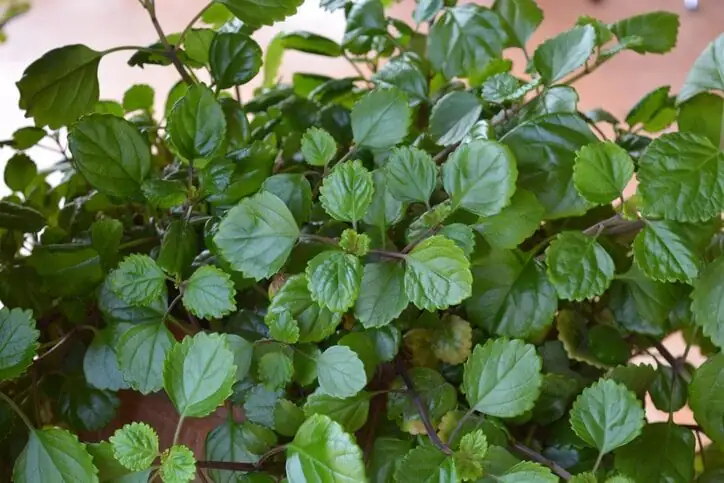
- The short answer: There’s no widely accepted evidence that Hydrocotyle pennyworts are significantly toxic to people or pets. However, any houseplant can trigger mild stomach upset if chewed.
- What that means at home:
- Most pets who taste a leaf may show no symptoms—or may experience temporary drooling, lip-smacking, a soft stool, or mild vomiting.
- Individual sensitivity varies. Kittens, puppies, birds, and small mammals are more likely to nibble, so prevention matters.
- When to call the pros:
- If your pet eats a large amount, is very young/elderly, or shows repeated vomiting, diarrhea, lethargy, or loss of appetite, contact your veterinarian.
- You can also call the ASPCA Animal Poison Control Center at (888) 426-4435 for 24/7 guidance.
- Important name mix-ups:
- Hydrocotyle umbellata is often sold alongside other Hydrocotyle “pennyworts,” and the trade sometimes blurs IDs. Treat them with the same “generally non-toxic, but may cause GI upset” caution.
The smart placement playbook (pet-proof without losing the look)
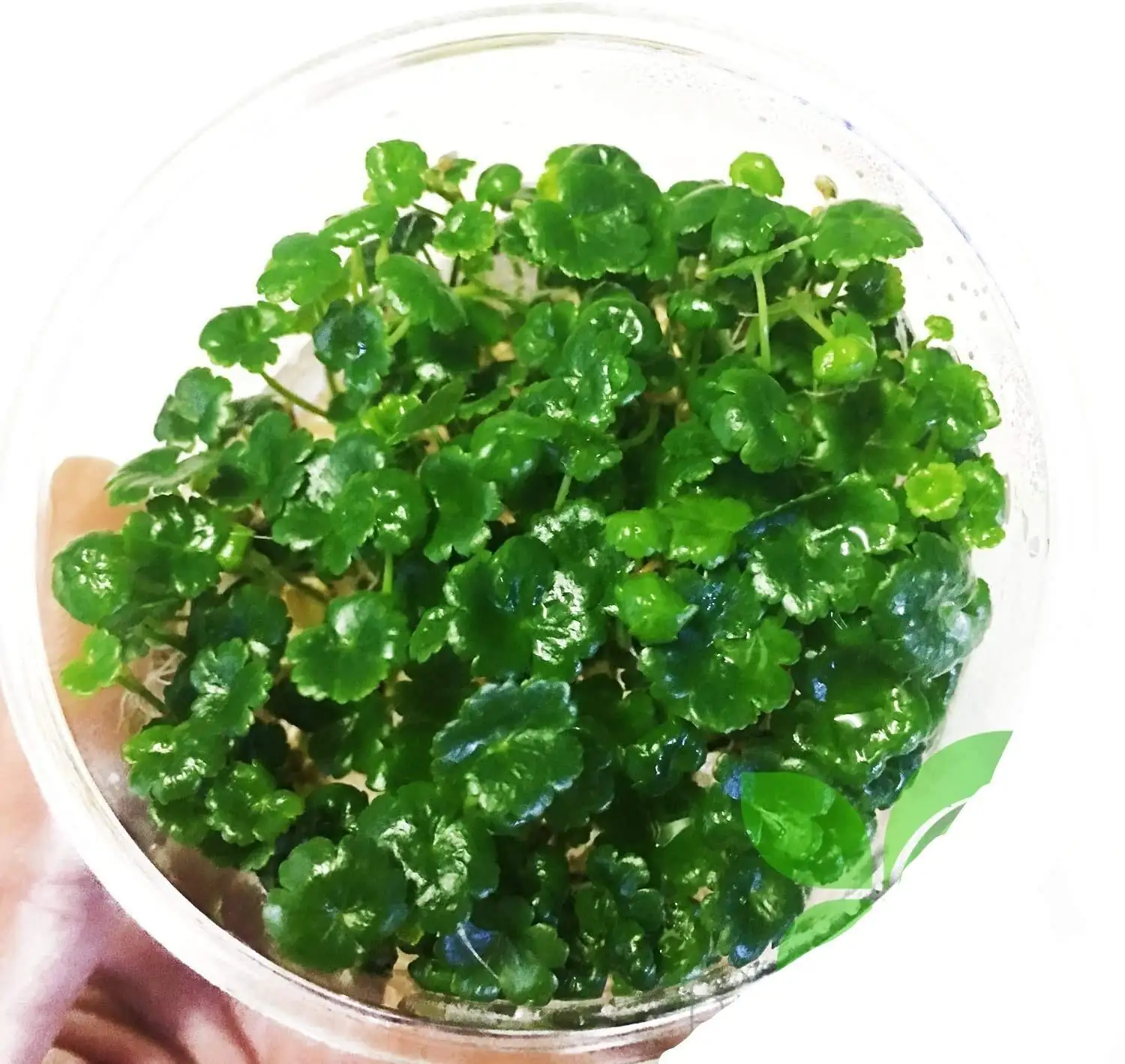
- Elevate and separate
- High shelves or wall-mounted plant rails your cat can’t easily leap to.
- Hanging planters or macramé slings placed away from popular cat routes.
- Tiered plant stands with the pennywort on the top, not at nose level.
- Embrace glass
- Grow in a lidded glass bowl, cloche, or paludarium to showcase leaves and keep mouths out.
- For aquascapes, let pennywort trail emergent above the tank with a secure lid; curious paws meet glass, not greens.
- Make it less interesting
- Top the substrate with smooth pebbles to deter digging.
- Keep runners trimmed so no tempting “green strings” dangle within reach.
- Avoid setting the plant on a favorite cat windowsill; place it where sun is strong but perches are scarce.
- Create gentle barriers
- Clear acrylic guards on shelves.
- Baby gates or exercise pens to block off a plant nook.
Training and enrichment that curb nibbling
- For dogs
- Teach “leave it”:
1) Hold a treat in a closed hand; when your dog backs off, mark (“Yes!” or click) and reward from the other hand.
2) Graduate to open-hand treats, then to a low-value item on the floor, and finally to the plant itself (behind a barrier at first).
- Add a “place” cue with a comfy mat to redirect when curiosity spikes.
- Offer satisfying alternatives (chews, food puzzles, sniffy walks) so the plant isn’t the highlight of their day.
- For cats
- Provide an approved graze: a pot of cat grass placed where they like to lounge.
- Clicker-train “off” and “leave”; reward four-on-the-floor and calm glances away from plants.
- Environmental tweaks: vertical perches and scratchers near windows; motion-activated air puffs or double-sided tape on nearby shelves (not on the plant) discourage approach.
- For rabbits, birds, and small mammals
- Assume nibbling will happen—display pennywort only behind glass or entirely out of reach.
- Supply abundant hay (rabbits/guinea pigs) and safe foraging options so the plant isn’t a target.
Care tweaks that make pennywort less tempting
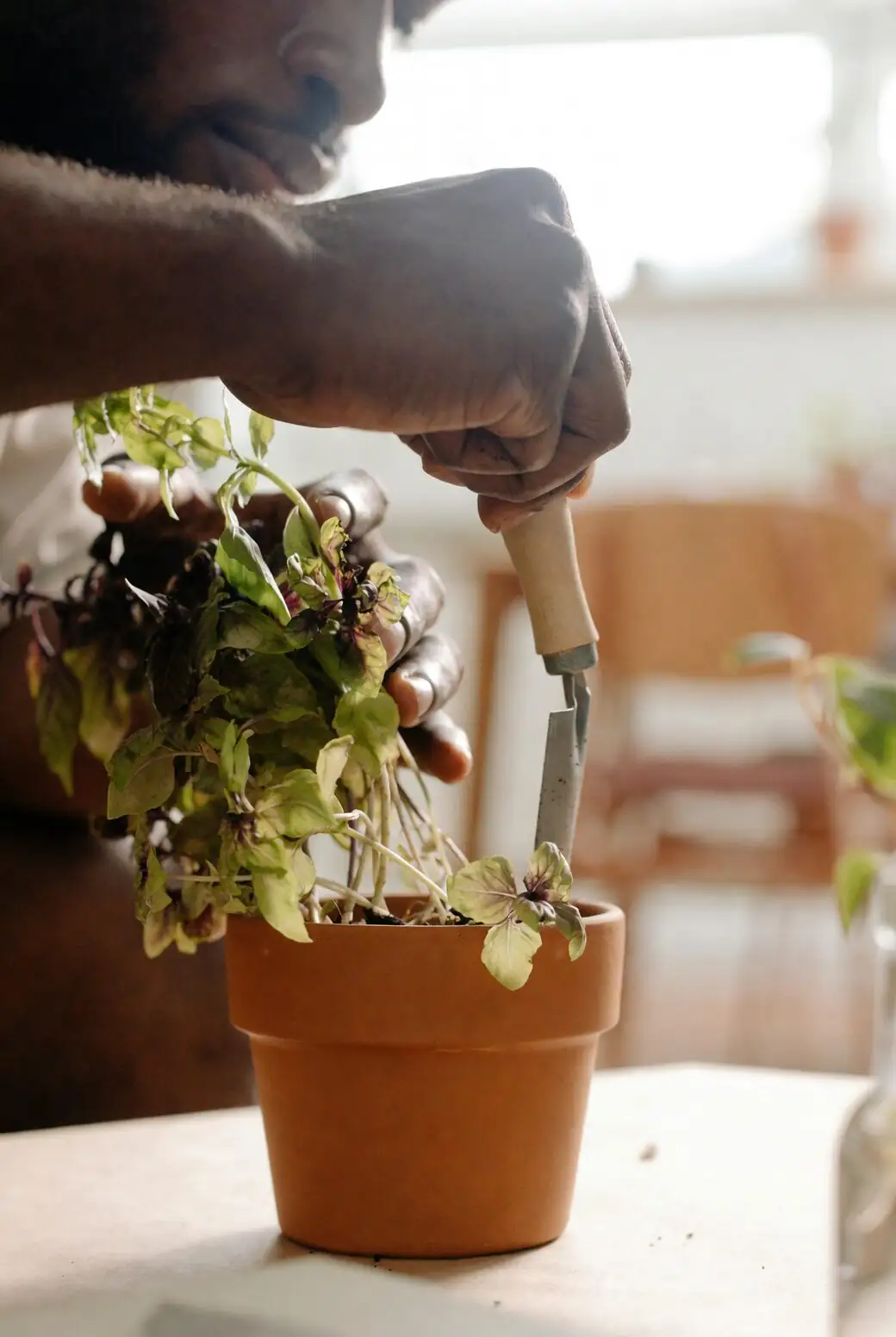
Healthy plants are less likely to shed tatty, tantalizing bits:
- Keep growth compact: bright light and steady moisture prevent lanky, dangly stems.
- Moisture consistency is key:
- Soil culture: keep evenly moist—never bone-dry. In active growth, watering every 2–3 days is common.
- Water culture: start with changes every 3–4 days; once new white roots appear, every 7–10 days is typical. Don’t let water go stale.
- Feed lightly during active growth:
- Low-strength balanced liquid feed every 2–4 weeks (about monthly in soil; many do every 2 weeks in water culture).
- Skip fertilizer in winter and keep it off leaves to avoid residue.
- Prune and rotate:
- Remove yellow or damaged leaves promptly; trim rangy runners.
- Rotate the bowl about half a turn weekly for even, tidy growth.
- Pest patrol:
- Aphids love tender new leaves. Rinse with water or use insecticidal soap—keep pets away until foliage is dry.
What to do if your pet nibbles
1) Remove remaining plant material from your pet’s mouth and the plant’s reach.
2) Offer fresh water and observe for 4–24 hours.
3) Note the amount eaten and the plant’s exact ID (a photo helps).
4) Call your veterinarian if vomiting/diarrhea persists, your pet seems lethargic, or you’re concerned—especially for small, young, or medically fragile pets.
5) For additional help, contact ASPCA Animal Poison Control at (888) 426-4435. Never induce vomiting unless a professional instructs you to.
Quick reference: pennywort basics for pet households
- Light: Bright light to full sun; shield from harsh midday scorch in hot climates.
- Water: Keep soil consistently moist; or grow in clean, refreshed water.
- Temperature: 20–28°C (68–82°F) ideal; protect from cold below ~10°C (50°F), minimum ~5°C (41°F).
- Humidity: Enjoys warm, humid air; 70–80% is great.
- Growth habit: Low, fast-spreading, mat-forming; easy to divide and share.
- Common issue: Yellowing leaves often signal inconsistent moisture, cold stress, low light, or stale water—stabilize conditions and remove old leaves.
A note on symbolism (flower language)
Because the leaves look like tiny coins, pennywort is often linked with prosperity and “money luck.” This symbolism is cultural rather than botanical—an aesthetic leap from leaf to meaning that likely arose in markets where round-leaved “coin plants” are gifted for good fortune. Take it as lighthearted décor lore, not destiny; the real “wealth” this plant brings is fresh, living green.
—
Bottom line: Brazilian pennywort is generally not known as toxic, but—like any plant—can cause mild stomach upset if sampled. Combine smart placement, simple training, and steady care, and you’ll enjoy that lush, coin-bright carpet while your pets stay safe and uninterested.