Discovering the Enchanting Snake Plant: A Hardy Houseplant with Surprising Traits
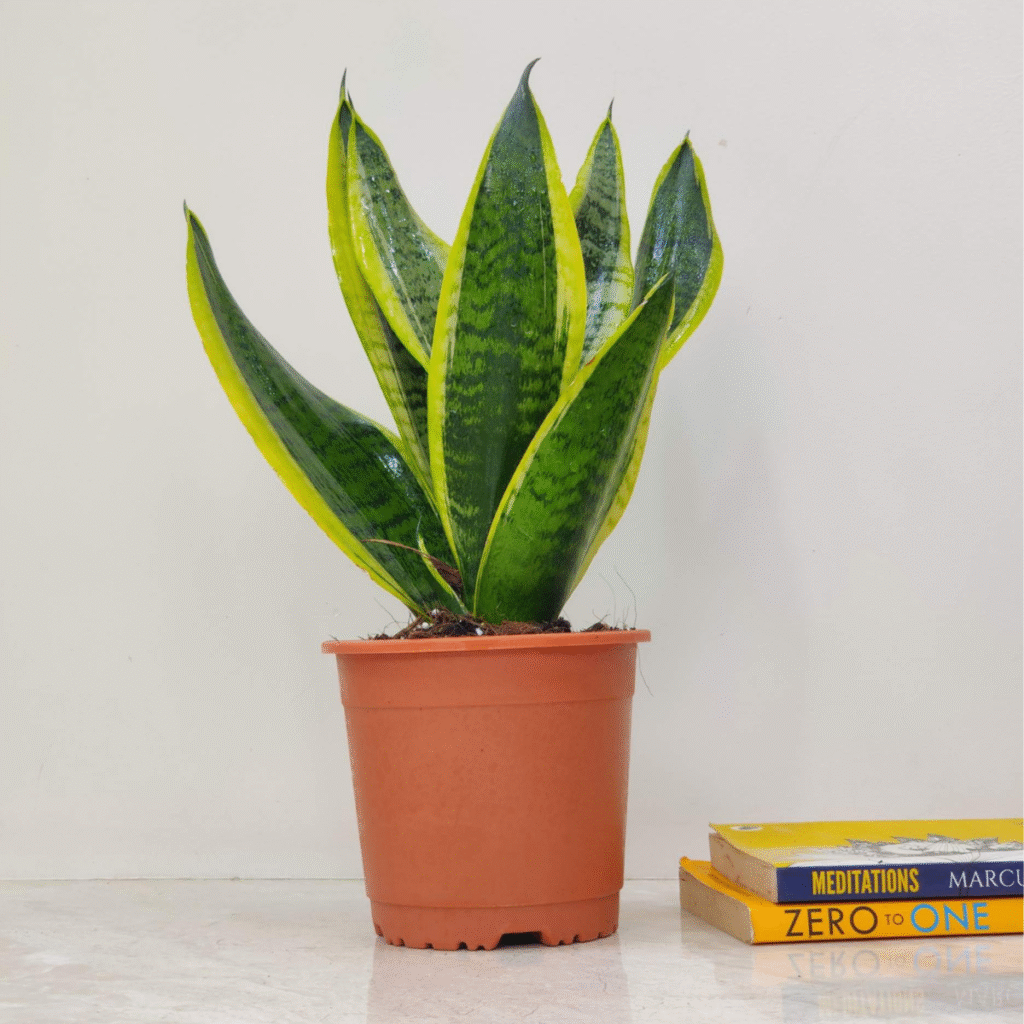
Welcome to the wonderful world of the snake plant, also known by its scientific name, Dracaena trifasciata (synonymous with Sansevieria trifasciata). This resilient houseplant has a reputation for being nearly indestructible, and it’s a favorite for both novice plant owners and seasoned green thumbs alike. Let’s dive into the fascinating features of this plant, from its oxygen-boosting abilities to its occasional indoor flowering.
The Resilient Nature of the Snake Plant
Why is the snake plant such a beloved choice for indoor gardening? Perhaps it’s because of its striking, sword-shaped leaves that rise majestically from a rosette base, creating a bold architectural statement in any room. The leaves are often patterned in smoky gray-green bands, reminiscent of snakeskin or a tiger’s tail, giving rise to the plant’s various monikers like “Mother-In-Law’s Tongue” and “Saint George’s Sword.”
Originating from the tropical regions of West Africa, particularly around Nigeria, the snake plant has adapted to survive in rocky, arid environments. This adaptation is precisely why it can thrive on neglect, making it perfect for those who might not have the greenest of thumbs. Whether you’re a busy professional or just someone who forgets to water their plants, the snake plant could be your perfect match.
The Nighttime Oxygen Booster
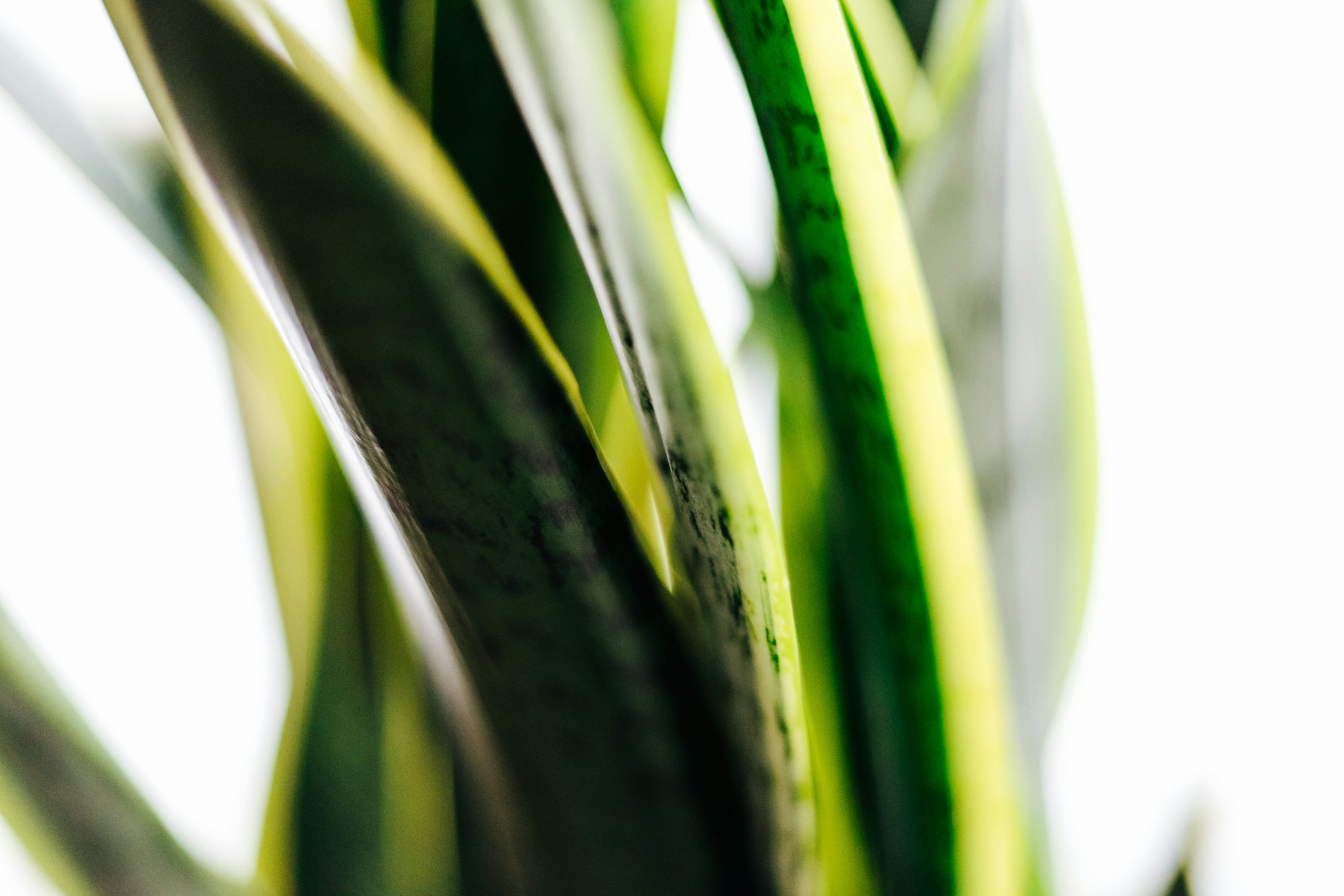
One of the coolest facts about snake plants is their ability to release oxygen at night. This is thanks to a unique process called CAM (Crassulacean Acid Metabolism) photosynthesis, where the plant opens its stomata at night to exchange gases, minimizing water loss. This nocturnal oxygen boost makes snake plants an excellent choice for bedrooms, as they can improve air quality while you sleep.
A Rare Treat: Indoor Flowering
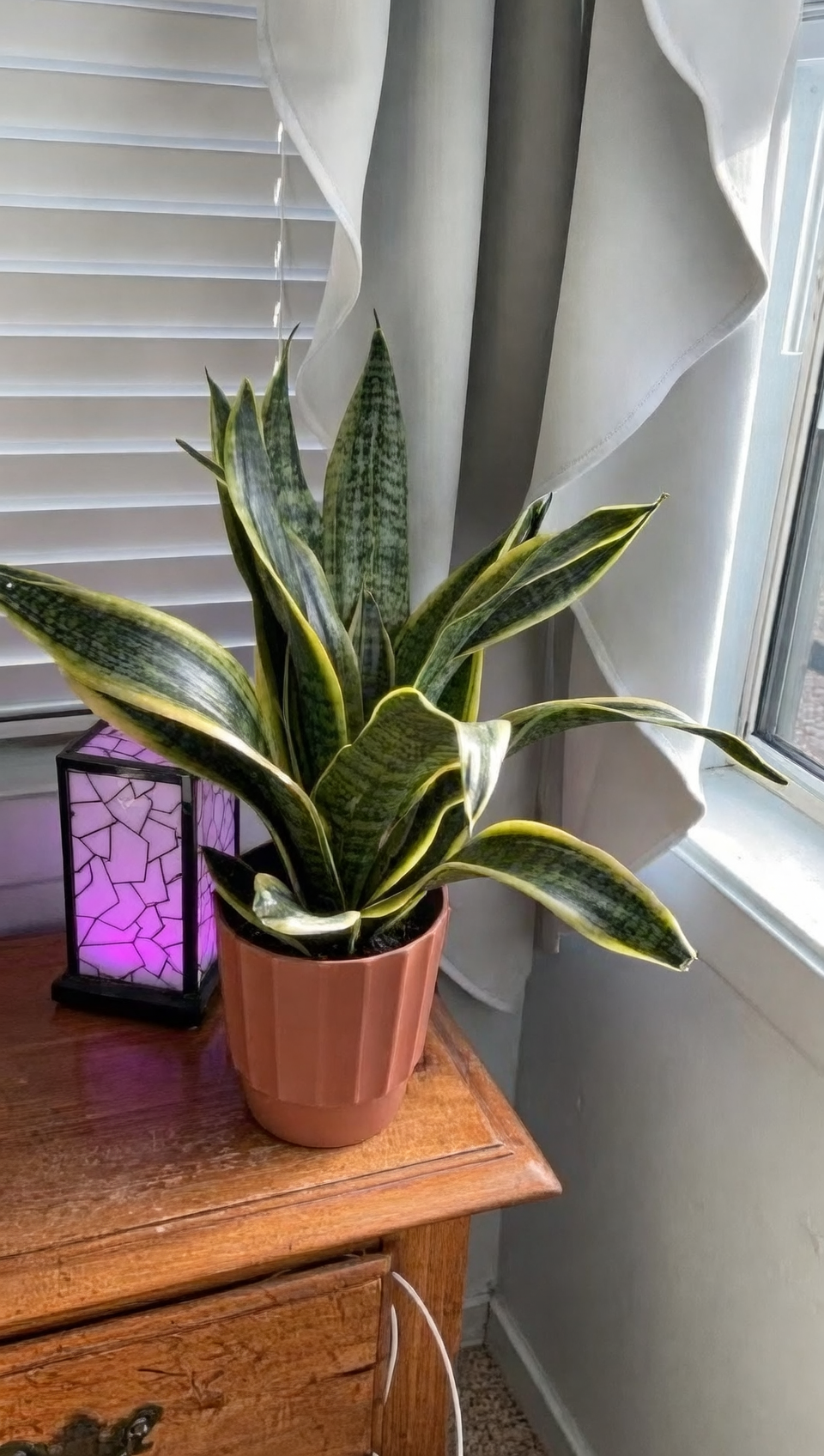
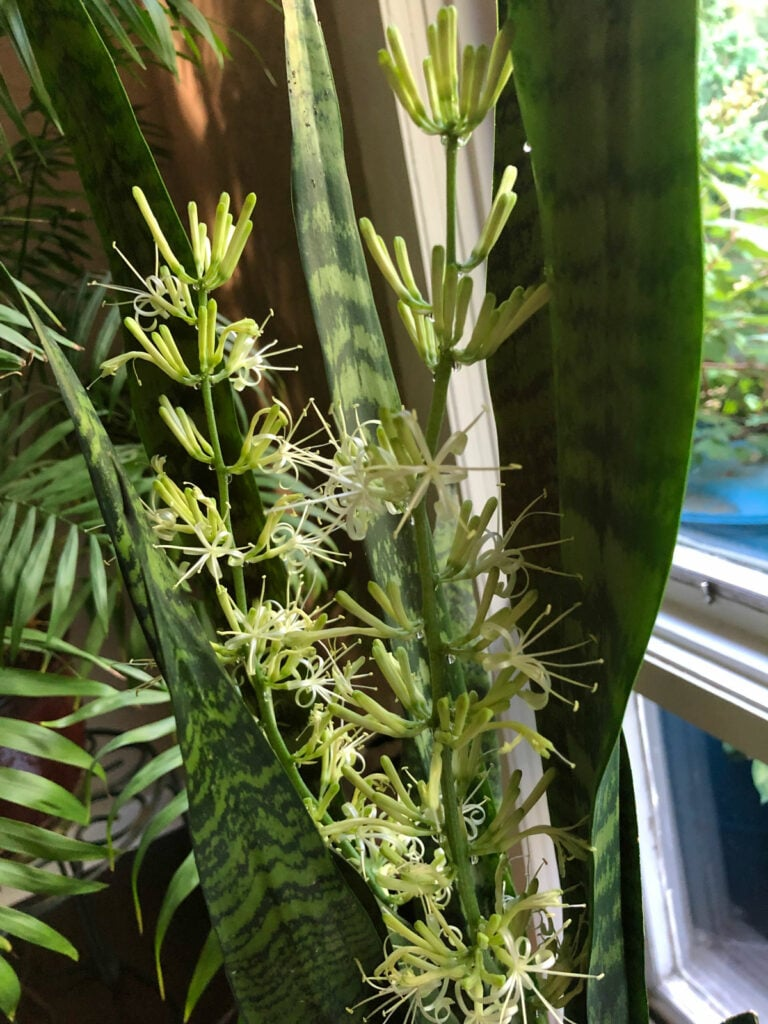
While flowering is a rare event for snake plants kept indoors, it can happen, especially if the plant is mature and well-cared for in good light conditions. The flowers, if they appear, are slender spikes adorned with small tubular blooms in shades of greenish-white to cream. These blooms are often sweetly fragrant at night, adding an unexpected delight to your home.
Caring for Your Snake Plant
Snake plants are famously easy to care for. They thrive in a range of light conditions, although they prefer bright, indirect light for optimal growth. Watering should be infrequent, allowing the soil to dry out completely between waterings. Remember, overwatering is the most common mistake that leads to root rot, so when in doubt, go light on the water.
In terms of temperature, the snake plant is quite adaptable but does best in conditions ranging from 13–24°C (55–75°F). It can tolerate warmer temperatures up to 32°C (90°F) but should be kept away from frost and cold drafts.
Fun Facts and Folklore
Did you know that the snake plant was once classified under a different genus? It was reclassified from Sansevieria to Dracaena based on DNA evidence, although the old name is still frequently used in the plant trade.
In feng shui, the snake plant is often seen as a symbol of resilience and protection. With its sword-like leaves, it’s thought to ward off negative energy and bring good fortune to its owners. However, while it’s a great addition to your home, it’s mildly toxic to pets if ingested, so be sure to keep it out of reach of curious cats and dogs.
A Plant for Every Home
Whether you’re looking to add a touch of greenery to your office, brighten up a corner of your living room, or enhance the air quality in your bedroom, the snake plant is a versatile and stylish choice. Its low-maintenance nature and unique characteristics make it a plant that not only survives but thrives, bringing a slice of the tropics into your everyday life. So why not invite a snake plant into your home and enjoy the benefits of this remarkable botanical marvel?