Imagine a plate of tiny emerald umbrellas, their round “coins” overlapping into a soft, rippling lawn. That’s Hydrocotyle umbellata—Brazilian pennywort—at its best in a low bowl: fresh, calming, and irresistibly touchable. If you’re dreaming of a lush tabletop or windowsill “carpet,” this is your plant. Here’s how to style it beautifully, keep it perfectly even with a simple rotation routine, and pair textures so your bowl becomes the quiet star of the room.
Meet the plant: why pennywort excels in low bowls
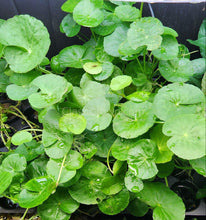
- Bright, coin-shaped leaves on slender stalks form a low, spreading mat.
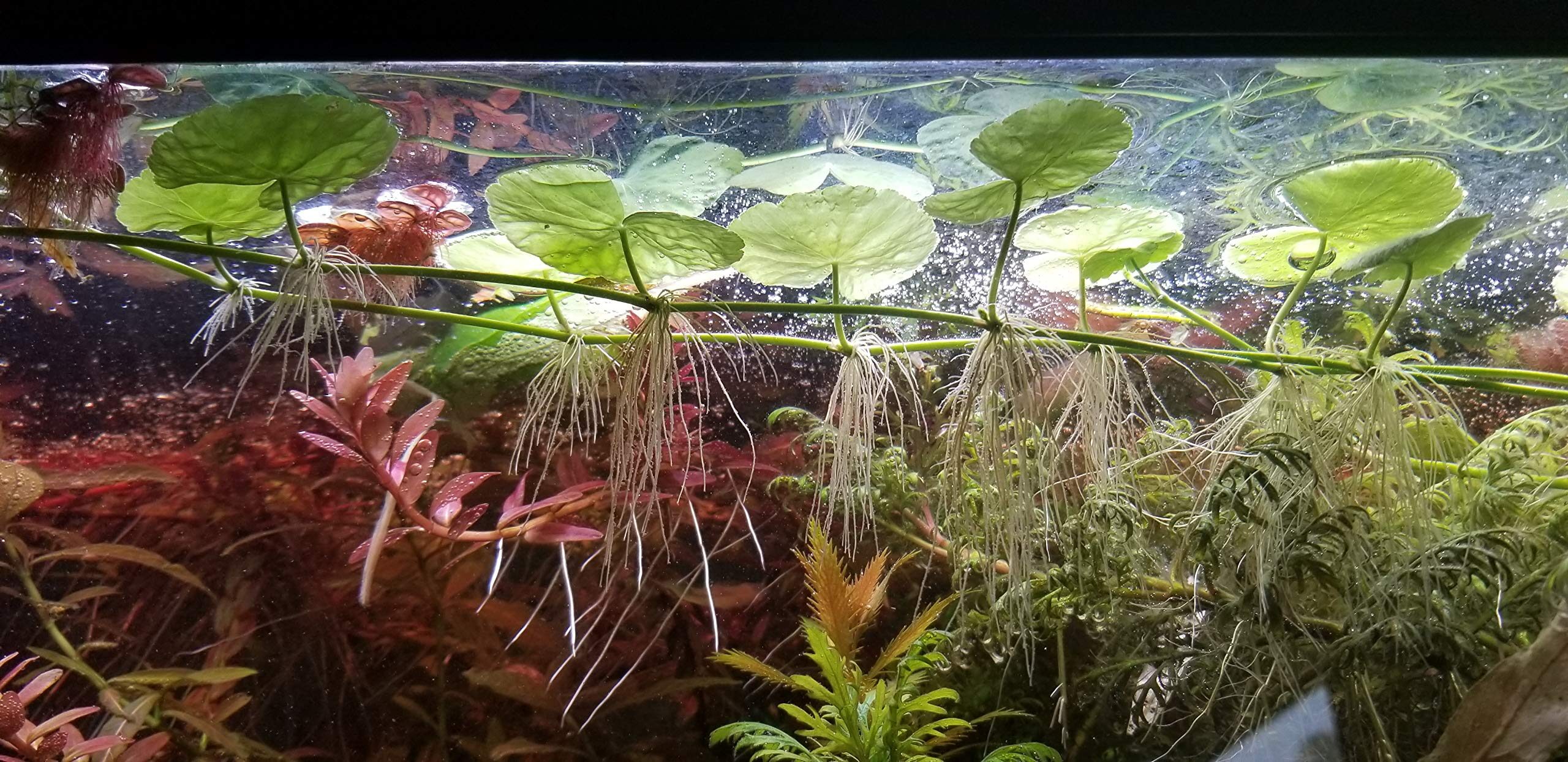
- Trailing stems root wherever they touch, quickly turning a few sprigs into a dense cushion.
- It loves steady moisture and bright light, thriving in either wet soil or shallow water.
- Typical height is 5–30 cm (2–12 in) depending on light; it spreads 30–60+ cm (12–24+ in) as runners creep and root.
Note: “Pennywort” is a catch-all name; you’ll see it sold as Brazilian pennywort (Hydrocotyle umbellata) and sometimes mixed up with other Hydrocotyle species. For styling and care here, think: bright light, consistently moist, and shallow, wide containers.
Choose your vessel: shaping a soft, low “carpet”
The container sets the mood—and the growth habit. Go wide and shallow to encourage sideways spread over height.
Ideal proportions
- Start with a 15–20 cm (6–8 in) diameter bowl for desks and windowsills; scale up to 25–35 cm (10–14 in) for coffee tables.
- Low profile: 5–10 cm (2–4 in) tall. A wide surface gives that plush, edge-to-edge look.
Materials and the look they create
- Glazed ceramic or porcelain: Holds moisture well, ideal for the consistently damp conditions pennywort loves. Matte glazes read modern; crackle glazes feel artisan.
- Glass: Perfect for water culture—show off snowy white roots against pebbles. Adds a serene, “mini-pond” vibe.
- Terracotta: Warm, timeless, and earthy. Because it’s porous and wicks moisture, use a glazed interior, a sealer, or slip a plastic nursery pot inside as a liner/cachepot to prevent rapid drying. Pair with a matching saucer for a soft, rustic statement.
- Stone or concrete: Grounded and sculptural; great where you want visual weight. Add felt pads to protect furniture.
- Metal (brass, aged zinc): Chic contrast to bright greens. Use a liner to avoid corrosion and water marks; patina can be gorgeous against the foliage.
Two foolproof setups
- Water culture (clean and minimal)
1) Rinse roots and trim any mushy bits.
2) Add a bed of pebbles or LECA; nestle stems so roots are anchored and just submerged.
3) Fill with clean water—keep leaves above water line.
4) Change water every 3–4 days at first; once new white roots appear, switch to every 7–10 days. Top up as needed.
- Moist-soil “bog” bowl (luxe and leafy)
1) Use a moisture-retentive, breathable mix: quality potting soil/loam + compost or leaf mold + a little coarse sand.
2) Plant small clumps 3–5 cm (1–2 in) apart across the surface for quick coverage.
3) Water thoroughly and keep consistently moist—never bone-dry.
Styling recipes for tables and sills
The spa-glass mini pond
- Vessel: Clear, low glass bowl with pale river pebbles.
- Finish: A few white stones on top echo the leaf circles; a single driftwood chip adds warmth.
- Placement: Sunny east-facing sill where morning light makes the water gleam.
Soft-modern terracotta with linen
- Vessel: Wide terracotta bowl (interior glazed or lined), deep saucer beneath.
- Textures: Natural linen runner + a matte cream bud vase nearby.
- Why it works: Terracotta’s baked-earth warmth makes the greens pop and feels timeless.

Marble-and-brass vignette
- Vessel: Brushed brass cachepot with inner plastic liner for moisture control.
- Companions: A small marble tray and a simple candle—cool stone against warm metal and lush green.
- Setting: Coffee table or console—elevated but quietly luxe.
Calm concrete trio
- Vessel: Low concrete bowl on a light wood tray with two small matte ceramic objects.
- Tip: Keep a little negative space around your bowl so the “carpet” reads as one continuous field.
Light choreography and the secret of symmetry
- Best indoor light: Bright light to full sun; an east- or south-facing windowsill is excellent. In very hot, intense sun, give light midday protection to prevent scorch.
- The rotation rule: Turn the bowl about a half-turn once a week. This keeps the “carpet” even, prevents leaning, and encourages uniform leaf size.
- Keep it low: Strong light plus frequent pinching of longer stems favors a dense mat over leggy lift.
From sprigs to “carpet”: your step-by-step plan
1) Prep the bowl (soil or water) as above.
2) Space multiple starters across the surface—not just one clump—to speed up coverage.
3) Encourage runners: Gently pin stems at the nodes with U-shaped florist pins or clean hairpins so they root and thicken the mat.
4) Groom weekly: Remove yellowing basal leaves for a glossy, fresh look.
5) Feed lightly in active growth:
- Water culture: balanced liquid fertilizer at low strength every 2 weeks.
- Soil: the same, about monthly.
Avoid heavy nitrogen—too much can lead to weak, floppy growth. Pause feeding in winter.
Comfort zone: temperature, humidity, and watering rhythm
- Temperature: 20–28°C (68–82°F) is ideal; try to keep summer highs under ~30°C (86°F). In winter, keep it bright and above 10°C (50°F) ideally; at minimum, above ~5°C (41°F) to reduce yellowing.
- Humidity: Loves warm, humid air (70–80% is great). In dry rooms, a humidity tray or occasional light misting helps.
- Watering cadence:
- Soil bowls: Keep evenly moist; in active growth, watering every 2–3 days is common (adjust for heat and pot size). Never let the mix crack or go bone-dry. Slightly reduce in winter, but don’t let it dry out.
- Water bowls: Fresh, clean water is everything—change as noted and avoid stagnation.
Where it shines at home
- Windowsill “river” bowl that glows in morning light.
- Coffee table centerpiece—low enough for conversation, lush enough to feel indulgent.
- Desk companion in a small glazed dish for a calming, green pause.
- Bathroom shelf in glass for a soothing, spa-like accent.
Protect surfaces with trays or saucers, especially for water bowls and moist-soil setups.
Quick troubleshooting
- Yellow leaves? Most often it’s inconsistent moisture (too dry/too soggy), stale water in hydro, cold stress, low light, or poor airflow. Refresh the water, stabilize watering, warm it up, brighten the spot, and remove tired leaves.
- Leggy, tall stems? Increase light, pinch regularly, and encourage node rooting for a denser mat.
- Aphids on new growth? Rinse with water or treat with insecticidal soap; improve airflow.
Pruning, repotting, and easy propagation
- Trim uneven or floppy stems to spark fresh shoots at the base and nodes.
- Repot or divide in spring when runners crowd the bowl; shallow, wide containers suit it best.
- Multiply it fast:
- Division: Split a dense clump and replant.
- Node/tip cuttings: 10–15 cm (4–6 in) pieces with a node; root in water or moist sand—often in ~2 weeks at 20–24°C (68–75°F).
- Seeds: Sow on a moist medium in spring or autumn; germination can take ~10 days with steady warmth and moisture.
Safety note
There’s no widely accepted evidence of significant toxicity to people or pets for commonly grown Hydrocotyle pennyworts, but any plant can cause mild stomach upset if chewed. Keep out of reach of curious nibblers.
A little symbolism for your tablescape
Those round, coin-like leaves have long invited associations with prosperity and “money luck.” While not a classical flower-language tradition, the symbolism is intuitive: a living dish of green “coins” by your entry or on your desk suggests growth, renewal, and abundance. It’s a modern, playful nod—one that pairs beautifully with a terracotta “treasure bowl” or a gleaming brass cachepot for a subtle fortune-chic moment.
A gentle seasonal rhythm
- Spring: Peak growth—repot, divide, and plant runners wide for fast carpeting.
- Summer: Bright light but shield from harsh midday scorch; mist in dry rooms; keep it under ~30°C (86°F).
- Autumn: Maintain even moisture; great time for a last tidy and, if you like, seed sowing.
- Winter: Bright light, slightly less water, no fertilizer. Keep it comfortably above 10°C (50°F) if possible.
Bring together the right vessel, bright light, a weekly half-turn, and steady moisture, and Hydrocotyle umbellata will reward you with that dreamy, soft “carpet” of green—an easy, elegant upgrade for any table or windowsill.