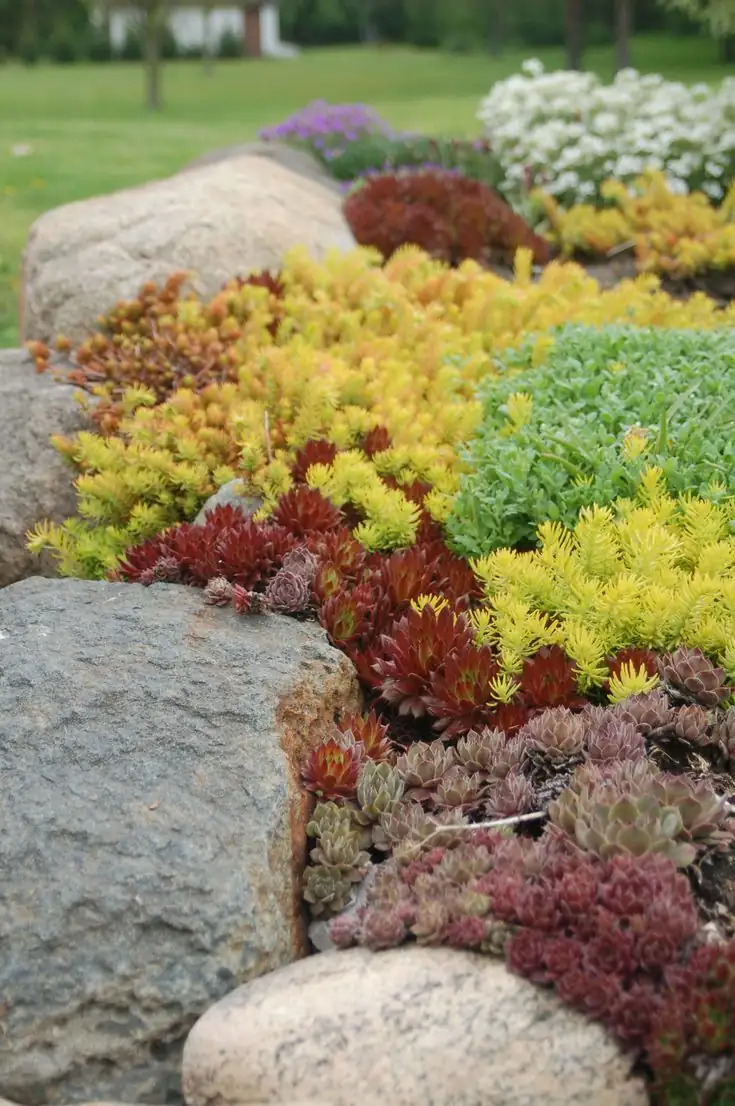
Welcome to the world of Sedum spp. and its close relatives, the Hylotelephium spp., where vibrant resilience meets effortless charm. These stalwart stonecrops are the superheroes of the garden, thriving in rocky outposts and enduring droughts with aplomb. But even the toughest heroes have their Achilles’ heel. Dive in as we explore how to keep your stonecrop healthy and vibrant, fending off pesky pests and dealing with disease.
The Stonecrop’s Secret Life and Common Pests
Sedums are the minimalist’s dream plant—low-maintenance yet striking, with their fleshy leaves and starry blooms that attract pollinators like bees and butterflies. However, beneath this easy-going facade lies a battleground where pests like aphids, mealybugs, and scale insects lurk, waiting for their chance to strike.
The Usual Suspects
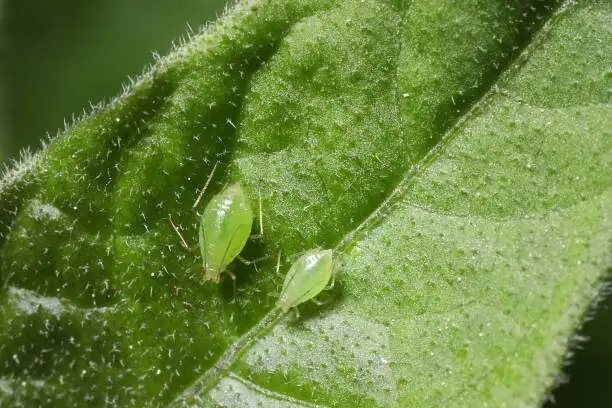
- Aphids: These sap-sucking pests can cause leaves to yellow and distort. If your sedum looks like it’s had a bad hair day, aphids might be the culprits. A simple spray of water or a touch of insecticidal soap can often keep these tiny terrors in check.
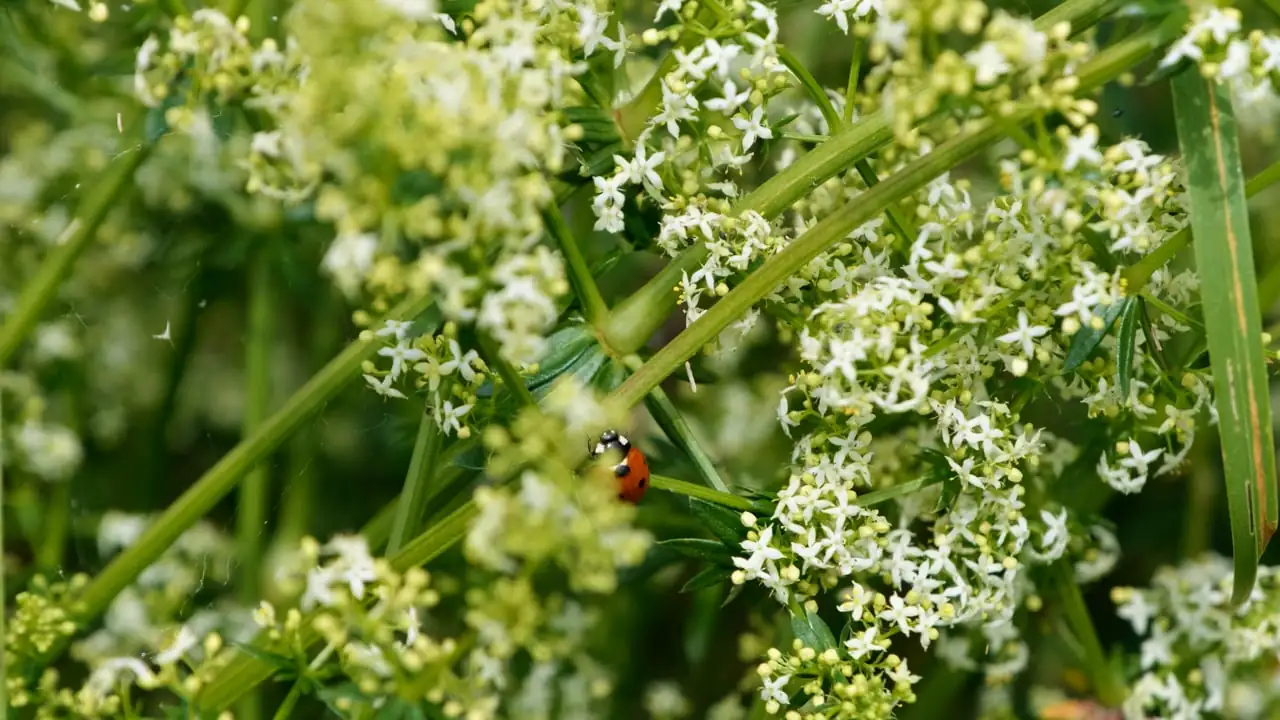
- Mealybugs and Scale: The sticky residue they leave behind is as unpleasant as finding gum on your shoe. Combat these pests by wiping them away with a soapy cloth or introducing natural predators like ladybugs.
Pest Control Tips
- Early Detection: Regularly inspect your sedum, especially the undersides of leaves where pests hide.
- Natural Allies: Encourage beneficial insects like lacewings to take up residence in your garden—they’re nature’s own pest control.
Disease Discourse: Fungi, Rots, and Mildews
Even the most robust plants can fall prey to diseases, particularly in less-than-ideal conditions. For stonecrops, the usual suspects are fungi-related.
Common Diseases
- Root and Crown Rot: Typically caused by overwatering or poor drainage, this is the silent killer of sedums. Ensure your soil is gritty and fast-draining, like a sieve for water, not a sponge.
- Powdery Mildew: This white, fuzzy coating can appear in humid conditions. While it might look like a dusting of powdered sugar, it’s not so sweet. Good airflow and avoiding overhead watering can keep this at bay.
- Leaf Spot and Blight: Often stemming from wet conditions, these can be controlled by removing affected leaves and ensuring your sedum gets plenty of sunlight and air.
Disease Defense
- Sanitation is Key: Remove any dead or diseased plant material promptly to prevent the spread of infections.
- Proper Watering: Adopt a “soak and dry” technique—water deeply but infrequently, allowing the soil to dry out completely between waterings.
Thriving Through Thick and Thin
Sedums are like the marathon runners of the plant world—they’re in it for the long haul. But how do you ensure they thrive and not just survive?
Cultivation Tips
- Sunlight and Soil: Full sun and well-draining soil are your sedum’s best friends. Think of it as their personal spa treatment.
- Pruning and Propagation: Minimal pruning is needed, but feel free to tidy up dead growth in early spring. For propagation, simply snip a stem and watch it root like magic in a gritty mix.
- Seasonal Care: In summer, protect from extreme heat with a touch of afternoon shade. In winter, keep them cool and dry—no pampering needed.
A Symbol of Strength
Stonecrop isn’t just a plant; it’s a symbol of resilience and endurance. In various cultures, these plants are seen as harbingers of prosperity and protection, once believed to ward off storms when planted on roofs. Their robust nature and vibrant blooms make them a living testament to the beauty of thriving against the odds.
So there you have it—your guide to keeping sedums healthy, happy, and ready to face whatever nature throws at them. Remember, in the world of stonecrops, it’s all about balance: a little sun, a little dryness, and a lot of love. May your garden thrive with the cheerful endurance of stonecrop!