Think of Orostachys furusei—better known as the Dunce Cap Succulent (子持年华)—as a tiny, lotus-stacked sculpture that thrives on bright light, brisk air, and quick-drying soil. It’s small enough for a sunny windowsill, bold enough to anchor a mixed succulent bowl, and particular enough that the first hint of soggy feet or stale air can tip it into trouble. This is your hands-on, fix-it-fast guide to keep those perfect rosettes crisp, compact, and rot-proof.
Meet your plant: compact, bright, and proudly low-maintenance (with a few rules)
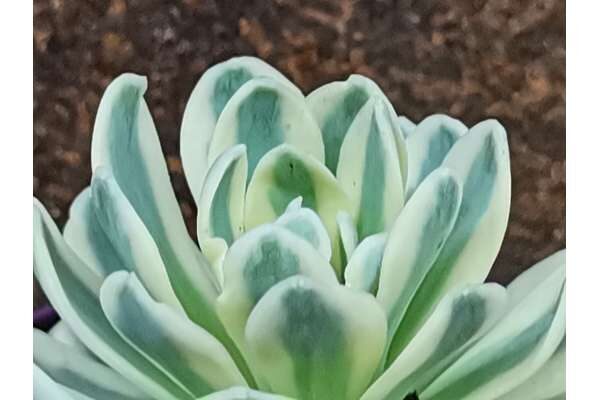
- Identity: Orostachys furusei (Crassulaceae), commonly called Dunce Cap Succulent; sometimes sold as “Rock Pine” or simply “Orostachys.”
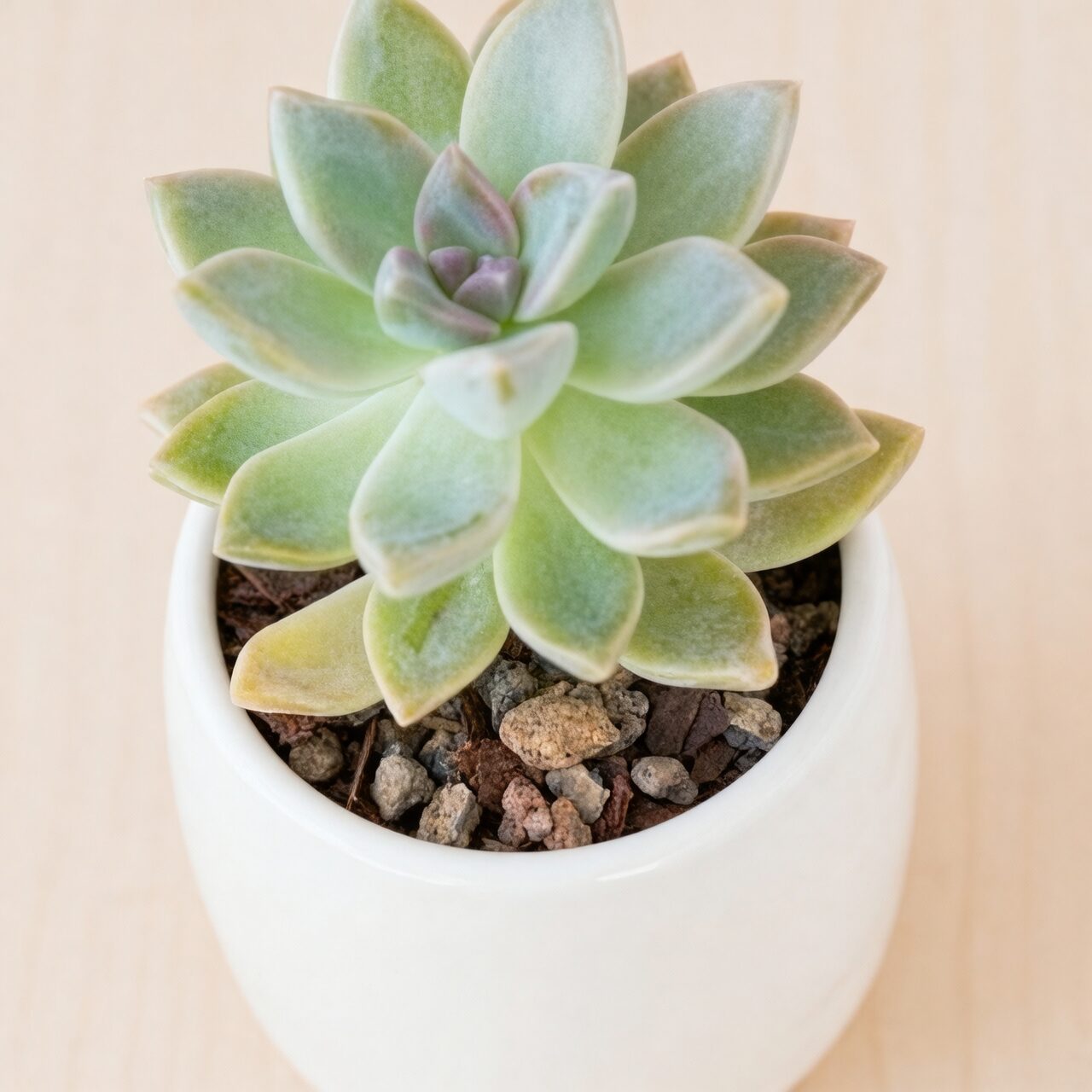
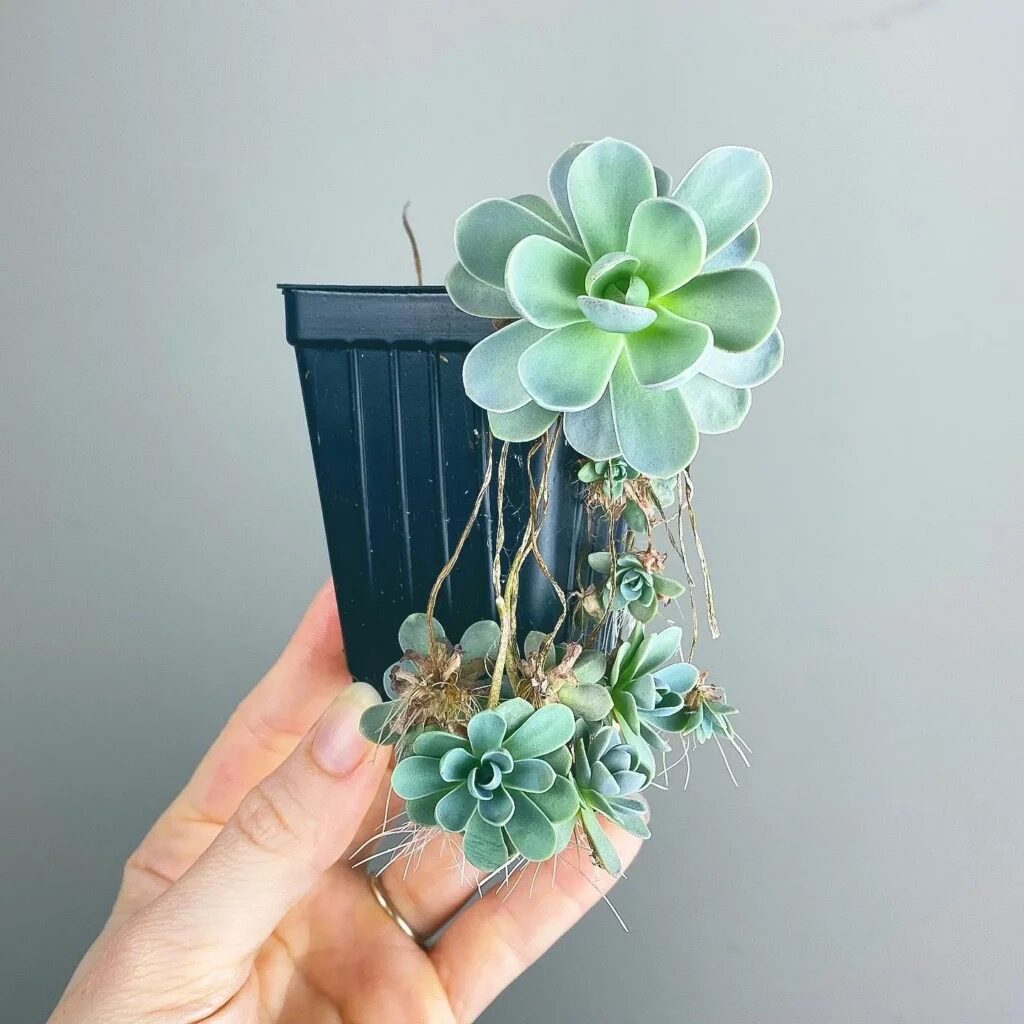
- Look and size: Lotus-like rosettes, 5–15 cm (2–6 in) across; bright green to bluish-green, tightly layered leaves; often clumps with age.
- Growth style: Rosette-forming, drought-tolerant, happiest in bright light and warmth on a gritty, very free-draining mix.
- Temperature and light: Ideal growth at 20–25°C (68–77°F). Keep above 5°C (41°F) in winter; not frost-hardy. Give bright light to full sun with light shade during extreme midsummer heat (especially behind glass).
- Watering snapshot: Drench, then let the mix dry well. Water more in summer, less in autumn, and sparingly in winter.
- Flowering: Summer to autumn. Like many monocarpic rosette succulents, the blooming rosette may decline after flowering. Many growers snip the stalk early to keep a favorite rosette pristine longer.
The early-warning dashboard: what your Dunce Cap is trying to tell you
Catch these signals early and you’ll avoid 90% of problems.
- Tight rosette loosening or “puckering” upward: Low light. Move to a brighter spot or add a grow light. Behind glass in peak summer, give a midday veil to prevent scorch.
- Leaves turning soft, translucent, or mushy at the base: Overwatering and slow-drying mix. Act fast—see Rot-Proofing Checklist below.
- Yellow-tan leaf spots with darker rims, sometimes sunken: Leaf spot/anthracnose brewing in damp, still air. Improve airflow immediately and keep foliage dry.
- Brown, corky speckles on sun-facing leaves: Sun scorch. Increase airflow and provide brief midday shade in extreme heat.
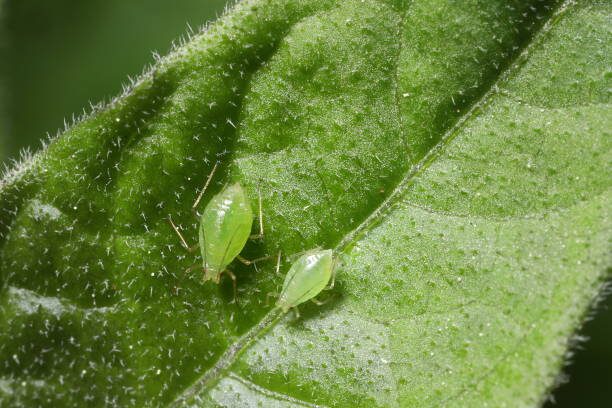
- White fluff in leaf axils or honeyed stickiness: Mealybugs or scale. Go straight to the Alcohol Swab Tactics.
- Sour smell from soil or a wobbly, collapsing rosette: Root rot. Unpot, inspect, and triage (details below).
Fast-response playbook
Alcohol swab tactics for mealybugs and scale (the precision strike)
- Tools: Cotton swabs, soft brush, toothpicks, and 70% isopropyl alcohol (rubbing alcohol).
- How-to:
- Isolate the plant.
- Dip a swab in alcohol and dab each mealybug/scale directly. For scale, lift the shell with a toothpick, then swab the spot underneath.
- Work into leaf axils and along the tight leaf shingle edges—mealybugs love the rosette’s folds.
- Avoid sloshing alcohol into the rosette center; dab precisely. If any pools form, wick it out with a corner of paper towel.
- Repeat weekly for 2–3 weeks to catch newly hatched crawlers.
- Pro tips:
- Treat in the cool of morning or evening, with bright indirect light—never in hot, direct sun right after application.
- After heavy infestations, flush the area with a puff of air or a gentle rinse the next day, then dry quickly with strong airflow.
Oil/soap rotations that are succulent-smart
Horticultural oil and insecticidal soap are excellent follow-ups when swabs alone can’t reach every crevice.
- What they do:
- Horticultural oils smother soft-bodied pests (mealybugs, scale crawlers, mites) by blocking their breathing pores and disrupting cell membranes.
- Insecticidal soaps disrupt pest cell membranes on contact.
- How to use safely:
- Choose ready-to-use products labeled for houseplants/succulents, or follow label dilution closely.
- Timing: Treat during cooler parts of the day, never on heat-stressed plants.
- Coverage: Light but thorough, including undersides and axils; avoid dripping into the crown.
- Rotation rhythm: Alternate oil and soap treatments 7–10 days apart if pests persist; 2–3 rounds usually does it.
- Test first: Patch-test on one outer leaf; wait 48 hours to confirm no spotting/burn.
- Avoid:
- Applying in blazing sun or during heat spikes.
- Combining with or applying soon after sulfur-based products.
- Overlapping multiple treatments the same day.
Airflow fixes for leaf spot/anthracnose (dry the leaf, starve the fungus)
Leaf spot and anthracnose exploit moisture and still air. Your counterattack is cultural:
- Space plants so leaves don’t touch; rotate the pot weekly for even light and faster drying.
- Run a small fan on low nearby (not blasting directly into the rosette).
- Water the soil, not the rosette; if water splashes on leaves, blot or blow it dry promptly.
- Top-dress with mineral grit/pumice to keep the crown drier and prevent splashback.
- Remove and bin affected leaves promptly; sterilize scissors with alcohol between cuts.
- Brighten the spot (without midday scorch) to speed surface drying.
- Repot if the mix feels peaty and slow—use a grittier, fast-draining blend.
The rot-proofing checklist (read this before you ever water again)
Think “fast in, fast out”: water flows through, roots drink, and air returns immediately.
- Pot and drainage
- Pot must have large drainage holes; unglazed clay helps in humid rooms.
- Choose a snug pot (often 12–15 cm / 4.7–5.9 in for a typical plant). Oversized pots stay wet too long.
- Elevate the pot on feet or mesh so water can escape freely.
- Mix composition
- Use a cactus/succulent mix cut heavily with coarse sand, grit, or pumice. Aim for rapid drainage and airy texture.
- Avoid rich, moisture-retentive components; they encourage soft, rot-prone growth.
- Watering technique
- Drench thoroughly, then wait until the mix dries well before watering again.
- Spring: often about once per month, adjusted for light, pot size, and ventilation.
- Summer: a bit more often during active growth—but never leave it sitting soggy.
- Autumn: taper.
- Winter: keep on the dry side, especially if cool.
- After any overhead splash, wick water out of the crown with a tissue tip.
- Environment
- Light: Very bright to full sun, with a short midday buffer during extreme heat behind glass.
- Air: Gentle, continuous airflow; avoid enclosed, steamy corners.
- Temperature: Above 5°C (41°F) in winter; avoid cold + wet at the same time.
- Hygiene and monitoring
- Remove dead/damaged leaves before they decay.
- Smell the soil occasionally—sour = trouble.
- Quarantine new arrivals to prevent pest surprises.
- Emergency triage for mushy base
- Unpot, trim any black/brown mushy roots.
- Replant in fresh, gritty mix; keep dry for several days, then resume conservative watering.
- Improve light and airflow to speed recovery.
Care rhythm by season (your simple calendar)
- Spring: Repot into fresh gritty mix, divide offsets, restart gentle watering and light monthly feeding (dilute balanced fertilizer). Brighten light.
- Summer: Very bright light with brief midday protection in extreme heat. Water only after the mix dries; good airflow is essential.
- Autumn: Reduce watering; stop feeding as growth slows. Consider snipping any flower stalk early if you want to prolong a favorite rosette.
- Winter: Keep bright, cool-to-moderate, and mostly dry above 5°C (41°F). No fertilizer.
Pest-and-disease cheat sheet
- Mealybugs and scale
- Early signs: white fluff, sticky honeydew, tiny brown “shields.”
- Control: Alcohol swabs first; follow with oil/soap rotations until clean; repeat weekly for 2–3 cycles. Increase airflow and keep rosette folds dry.
- Leaf spot/anthracnose
- Early signs: tan-to-brown leaf lesions, sometimes dark-rimmed or slightly sunken, spreading faster in damp, still air.
- Control: Remove affected leaves, sharpen airflow, water at soil level, brighten light, and refresh to a grittier mix if needed. Keep foliage dry.
- Stretching (etiolation)
- Signal: Loose, elongated rosette.
- Fix: Move to stronger light; outdoors in mild seasons is great if protected from scorching midday sun and heavy rain.
Quick profile and practical extras
- Origin: Southeast Asia.
- Habit: Rosette- and clump-forming; drought-tolerant; sensitive to waterlogging.
- Flowering: Summer to autumn; rosettes may decline post-bloom (monocarpic tendency). Many growers remove the stalk early to keep the plant tidy and long-lived.
- Propagation: Divide offsets during spring repotting; sow fresh seed cool (around 13–18°C / 55–64°F) if you’re feeling adventurous.
Buying and safety tips
- Choose a firm, symmetrical rosette with thick leaves and no soft spots, bruises, or pest signs. Avoid sour-smelling mixes or mushy bases.
- No widely cited, species-specific toxicity data; as with most house succulents, keep it out of reach of pets and small children to discourage nibbling.
Bring the light, bring the air, and keep that soil gritty—your Dunce Cap will answer with tight, lotus-stacked rosettes that look sculpted rather than grown. And if pests or spots ever gatecrash the party, you now have a pocket playbook to escort them out, fast.