
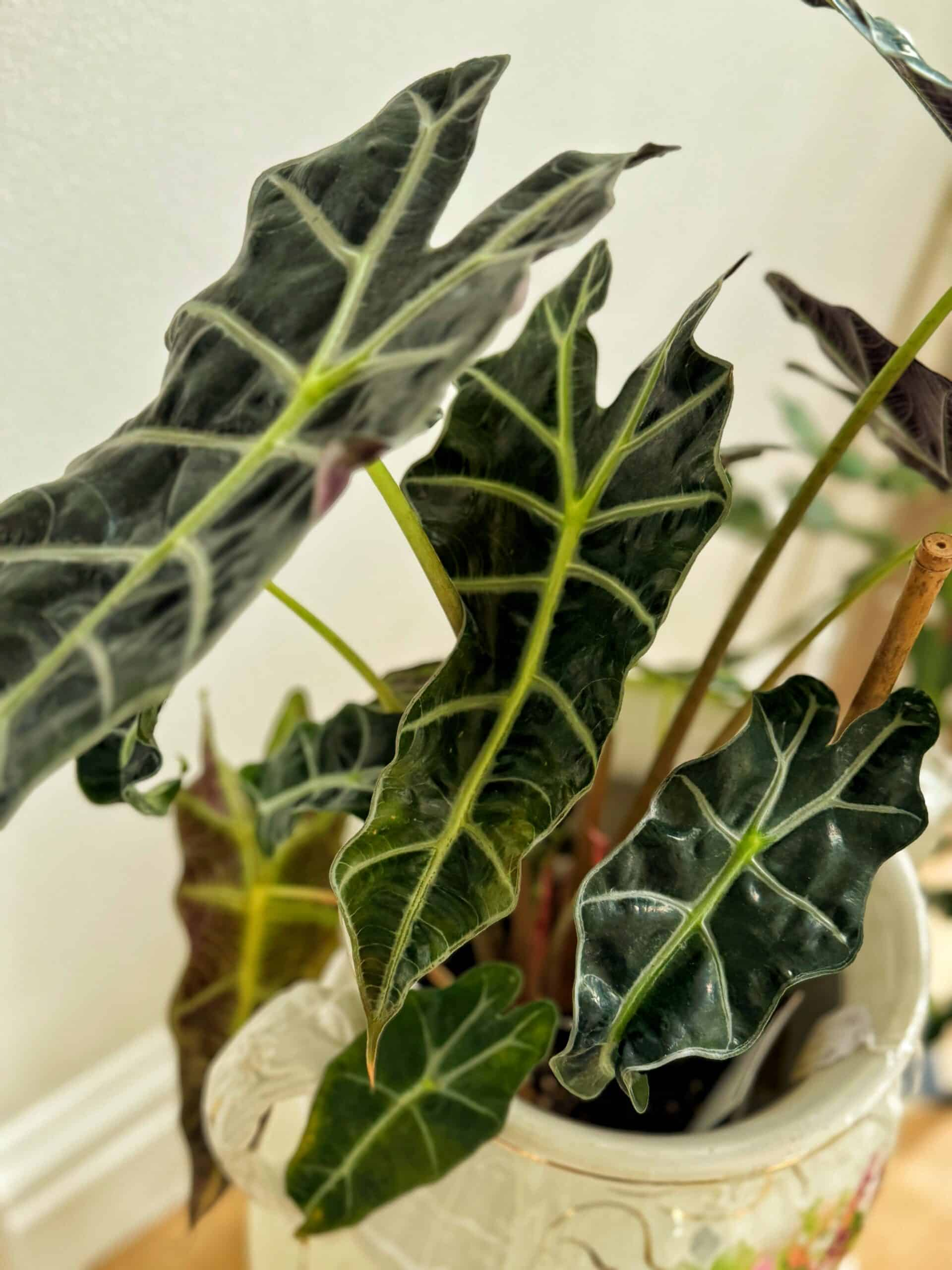
Those dramatic, sculptural “elephant ear” leaves deserve the spotlight—and with a few smart precautions, you can enjoy Alocasia indoors without stressing over pets or curious hands. Think of this as your calm, clear safety briefing: what’s actually inside the plant, how to place and handle it wisely, and step-by-step first aid if a nibble or sap splash happens.
Meet Alocasia, briefly
- Botanical name: Alocasia spp. (aroid family, Araceae)
- Common names: Elephant’s Ear, African Mask Plant, Alocasia, Giant Taro (ornamental—do not eat)
- Origin: Tropical and subtropical Asia to eastern Australia
- Vibe: Upright clumps with bold heart- or arrow-shaped leaves, often etched with silvery veins; a statement foliage plant for bright, indirect light
Important safety note upfront: Alocasia is toxic to people and pets if chewed or swallowed, and the sap can irritate skin and eyes. Thousands of homes keep it safely—treat it like you would hot cookware or strong cleaning products: respect and routine.
What makes Alocasia irritating or “toxic”?
Alocasia tissues contain insoluble calcium oxalate crystals—tiny, needle-like structures called raphides. When the plant is chewed, those crystals mechanically irritate the mouth and throat tissues. It’s less “poison” and more “microscopic fiberglass.”
Typical effects after chewing or swallowing:
- Immediate mouth/throat irritation or burning
- Swelling of lips, tongue, and oral tissues
- Drooling, difficulty swallowing
- Nausea, vomiting, sometimes diarrhea
- Eye/skin exposure to sap can cause stinging, redness, or a rash
These symptoms are usually self-limited with prompt first aid, but swelling and pain can be significant—especially for small children and pets—so prevention and a plan matter.
Safe placement playbook (pets and people)
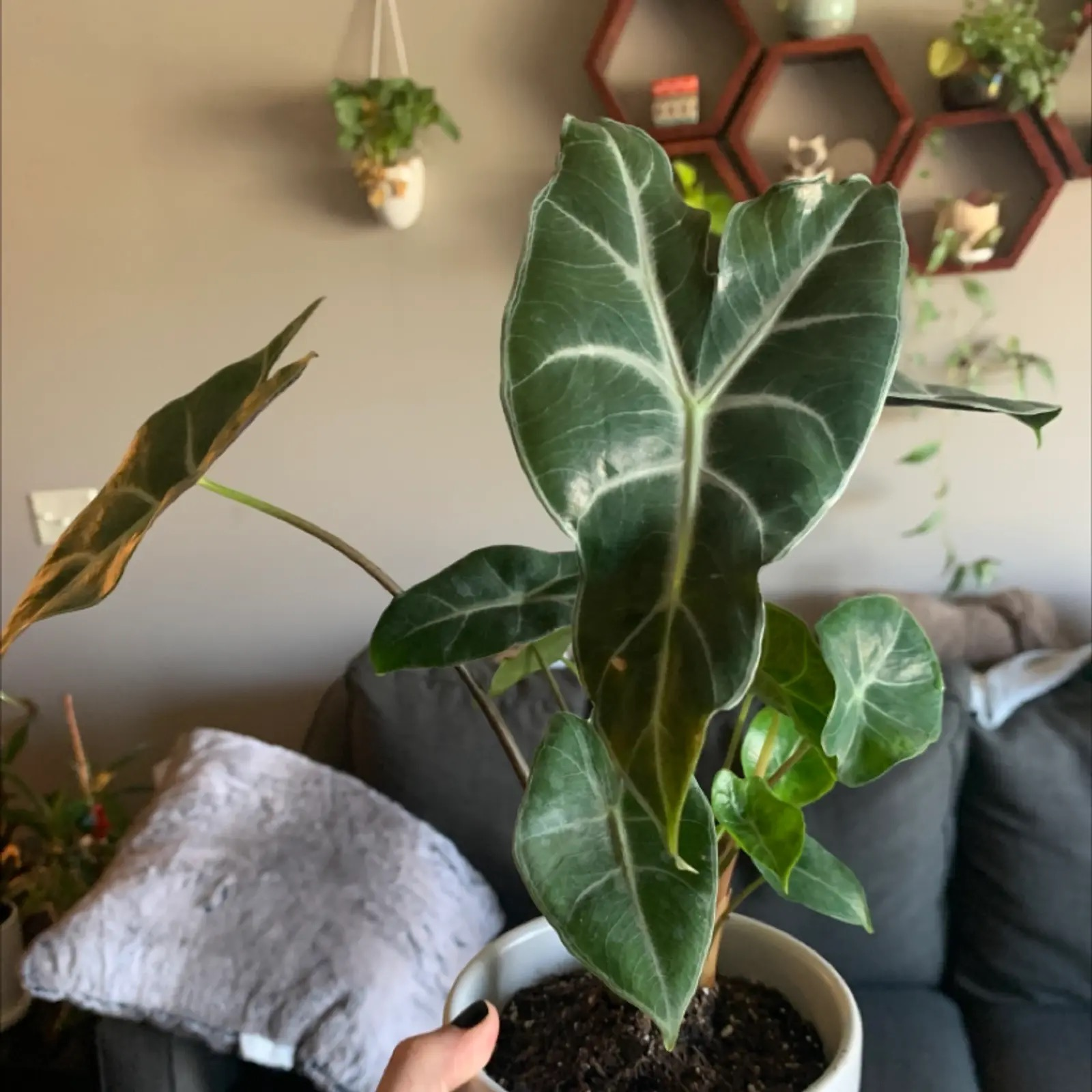
- Elevate and contain
- Place Alocasia in bright, indirect light well out of reach: high shelves, wall shelves, or enclosed plant cabinets.
- In pet-forward homes (especially with acrobatic cats), a closed room with a door works best—bathrooms or offices with good light and humidity are ideal.
- Stabilize
- Use heavy, tip-resistant pots; secure tall plants so a curious bump doesn’t bring a leaf within reach.
- Create decoys and boundaries (for pets)
- Offer pet-safe “greens” like cat grass to satisfy curiosity.
- Use positive-reinforcement training and physical barriers (baby gates, screen doors).
- Housekeeping
- Promptly collect fallen leaves or trimmed pieces.
- Don’t let pets drink from saucers or cachepots; discard runoff water and keep trays clean.
Handling hygiene: gloves up, eyes safe
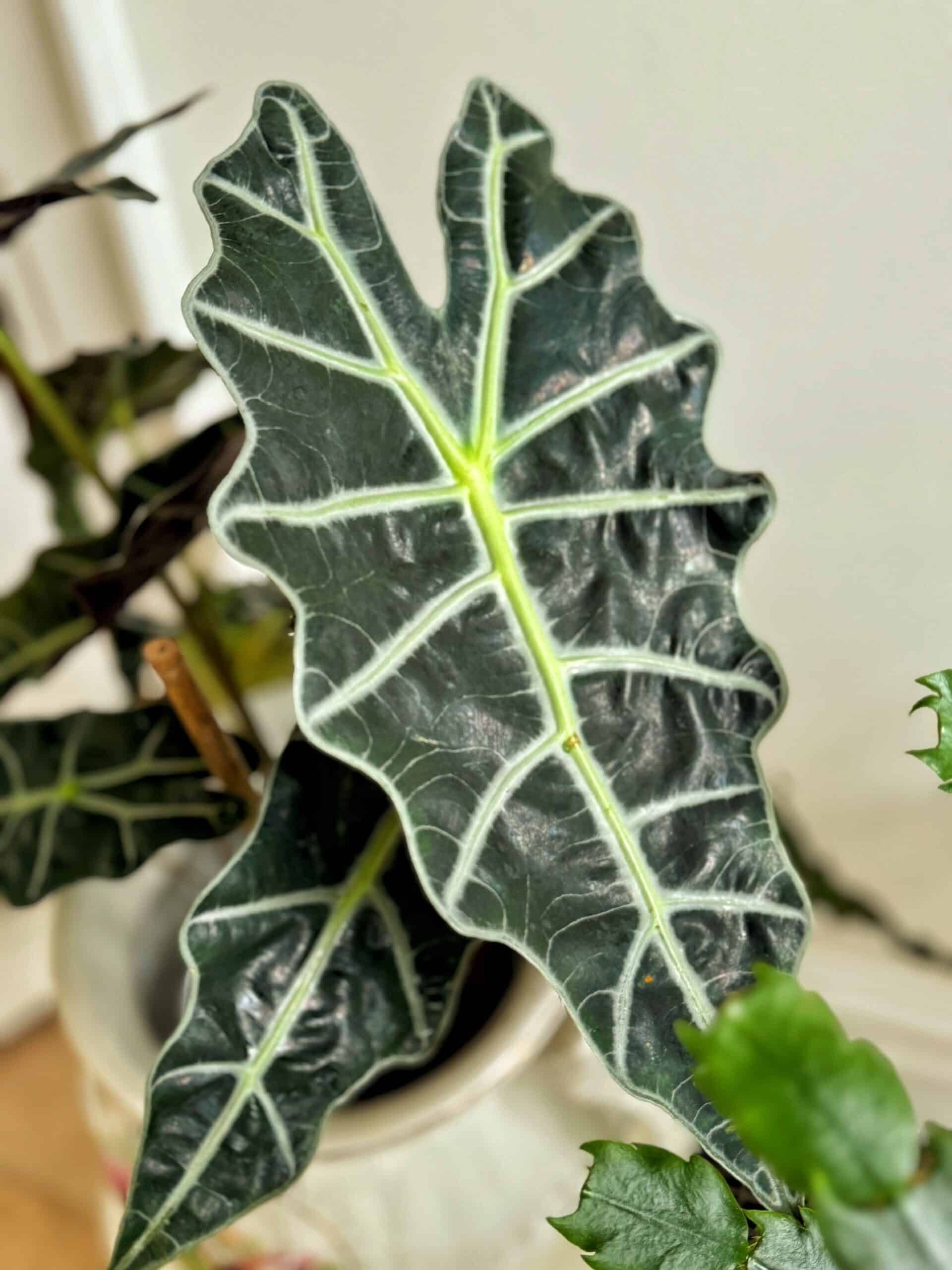
Alocasia sap can irritate skin and eyes, especially during pruning, repotting, or division when sap flow is highest.
- Wear gloves for pruning, division, or any heavy handling; long sleeves are a plus.
- Avoid rubbing your eyes; consider eye protection if you’re dividing rhizomes.
- Wash hands and forearms with soap and water afterward.
- Clean tools after use; bag and bin clippings so pets can’t scavenge.
First aid for people
If someone chews a leaf or stem:
- Remove plant bits from the mouth. Rinse and spit several times with cool water.
- Offer sips of cool water or milk; sucking on ice chips can soothe.
- Do not induce vomiting.
- Monitor for increasing swelling, trouble swallowing, or persistent pain.
If sap gets on skin:
- Rinse skin with running water and mild soap. Apply a cool compress for comfort.
If sap gets in eyes:
- Flush eyes with clean, lukewarm water for 15 minutes, blinking often. Remove contact lenses after the first few minutes of rinsing.
When to call for people:
- Any eye exposure with ongoing pain, redness, or vision changes
- Significant mouth/throat swelling, difficulty swallowing, repeated vomiting, or intense ongoing pain
- Young children, older adults, or anyone with underlying medical conditions who was exposed
US (24/7): Call Poison Help at 1-800-222-1222 for personalized guidance. If breathing is difficult, call emergency services.
First aid for pets
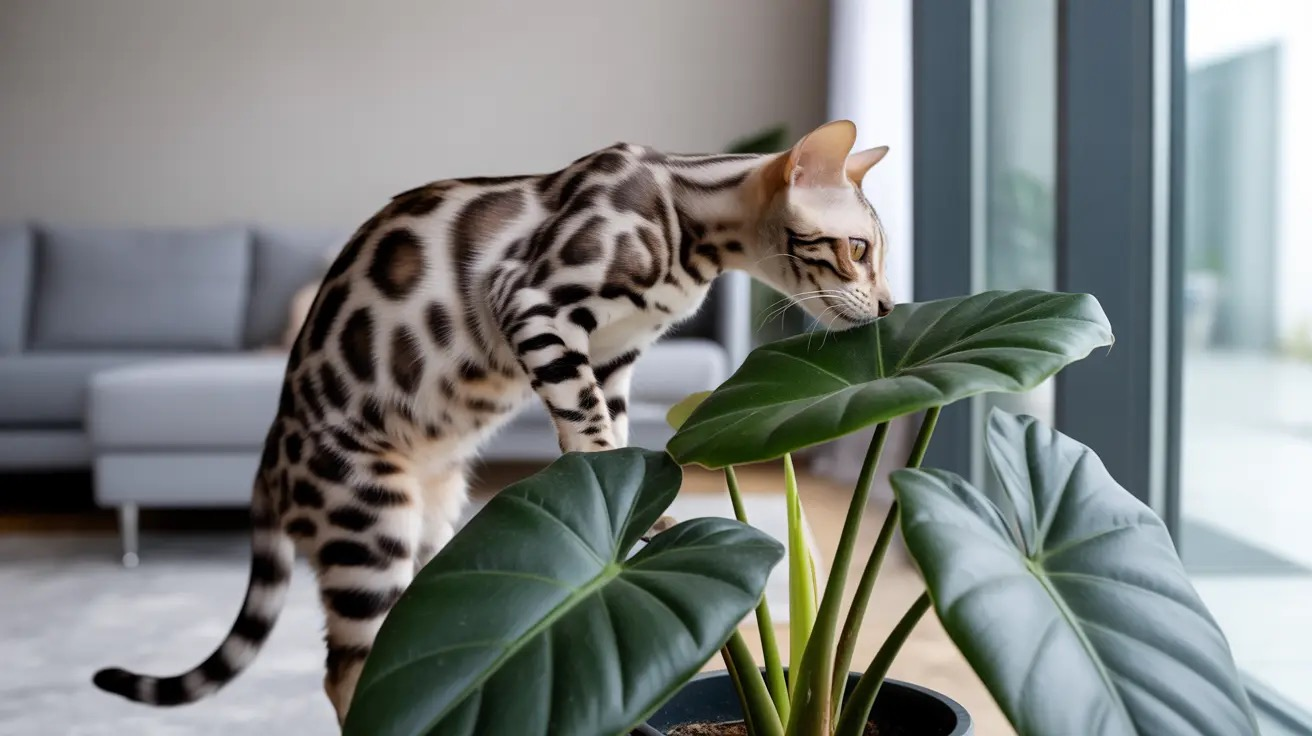
If a pet chews the plant:
- Gently remove visible plant material from the mouth.
- Rinse the mouth: use a small syringe or spoon to offer a little water; don’t force it.
- Wipe drool from fur/skin to prevent further irritation.
- Offer fresh water. Do not induce vomiting unless your veterinarian instructs you to.
Watch for:
- Pawing at the mouth, drooling, lip/tongue swelling
- Refusal to eat, vomiting, difficulty swallowing
When to call a vet now:
- Kittens/puppies or small pets
- Noticeable swelling of the lips/tongue, repeated vomiting, lethargy, or any trouble swallowing/breathing
- Eye exposure to sap, or if a large amount was chewed
US pet owners can also call ASPCA Animal Poison Control at 888-426-4435 (a fee may apply).
Quick myth-busting
- “Is the plant’s pot water poisonous?” Not in a practical sense—but don’t let pets drink from saucers or cachepots, as leaf sap and debris can irritate. Discard runoff and keep trays clean.
- “But isn’t ‘taro’ edible?” Some related aroids have been used as food after careful processing. Ornamental Alocasia in your living room is not for eating. Treat all parts as toxic.
- “Will a tiny nibble be deadly?” Severe outcomes are uncommon; the usual issue is painful mouth irritation. That said, swelling and distress can be significant—call for guidance if you’re unsure.
Safer plant alternatives for pet-centric homes
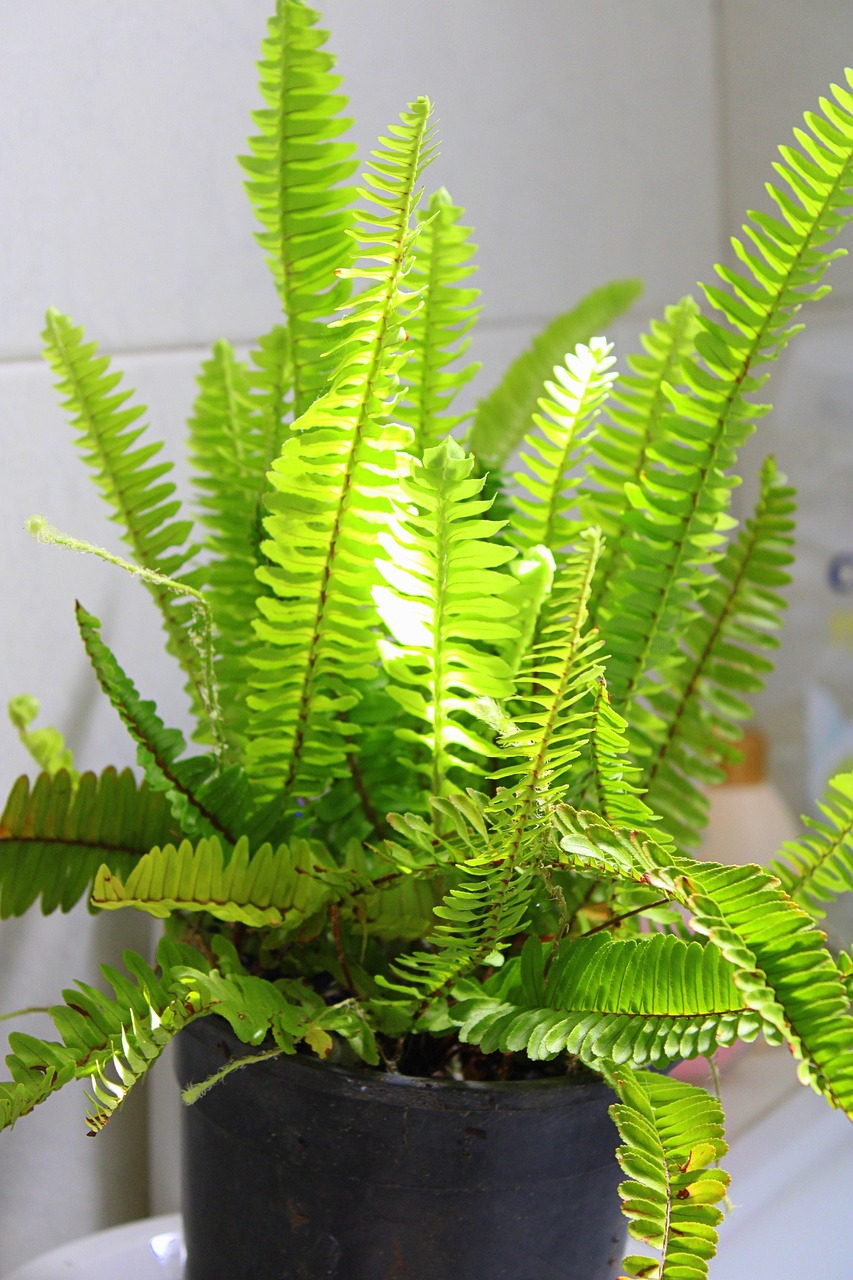
Crave the lush look without the risk? Consider non-toxic beauties like:
- Calathea and Maranta (prayer plants)
- Peperomia species
- Some ferns (e.g., Boston fern)
Safety-forward care that helps placement
If you’re moving Alocasia to a “pet-free” bright nook:
- Light: Bright, indirect or filtered light (3–5 hours). Avoid harsh midday sun.
- Warmth: 60–85°F (15–29°C); protect from drafts.
- Humidity: 50–65%+ is ideal—bathrooms or kitchens can be perfect if bright.
- Water: Keep evenly moist, never soggy. Let the top 2–3 inches of mix dry before watering. Empty saucers promptly.
- Note: Wear gloves for pruning—the sap can irritate.
Symbolism (flower language) with a reality check
Alocasia is often linked with resilience and forward momentum—those upright, veined leaves read like a visual “stand tall.” In some modern Feng Shui practices it’s associated with prosperity or career energy. These are contemporary, culturally influenced interpretations rather than timeworn traditions tied to the plant’s native range—lovely as personal meanings, but not historical fact.
The bottom line
Enjoy your Alocasia like you’d enjoy a gorgeous but sharp chef’s knife: it’s a tool for beauty, not a toy. Place it where it shines but can’t be chewed, handle it with gloves, tidy up trimmings, and keep a simple first-aid plan handy. With that, the only thing your Elephant’s Ear will pierce is the boredom of a blank corner.