
Bringing houseplants into your home is like inviting a bit of the outside world inside—improving air quality, boosting mood, and adding a splash of green. But when you have young children around, ensuring that your leafy friends are both child-friendly and safe becomes a priority. Here’s your guide to enjoying houseplants while keeping your little ones out of harm’s way.
Why Have Houseplants?
Before diving into safety tips, let’s quickly highlight why houseplants are a great addition to your home. Not only do they beautify living spaces, but they also have been shown to reduce stress and improve mental well-being. For children, interacting with plants can foster responsibility and spark curiosity about the natural world.
Choose Child-Safe Plants
When selecting houseplants, opt for varieties known to be non-toxic to children. Here are a few popular choices:
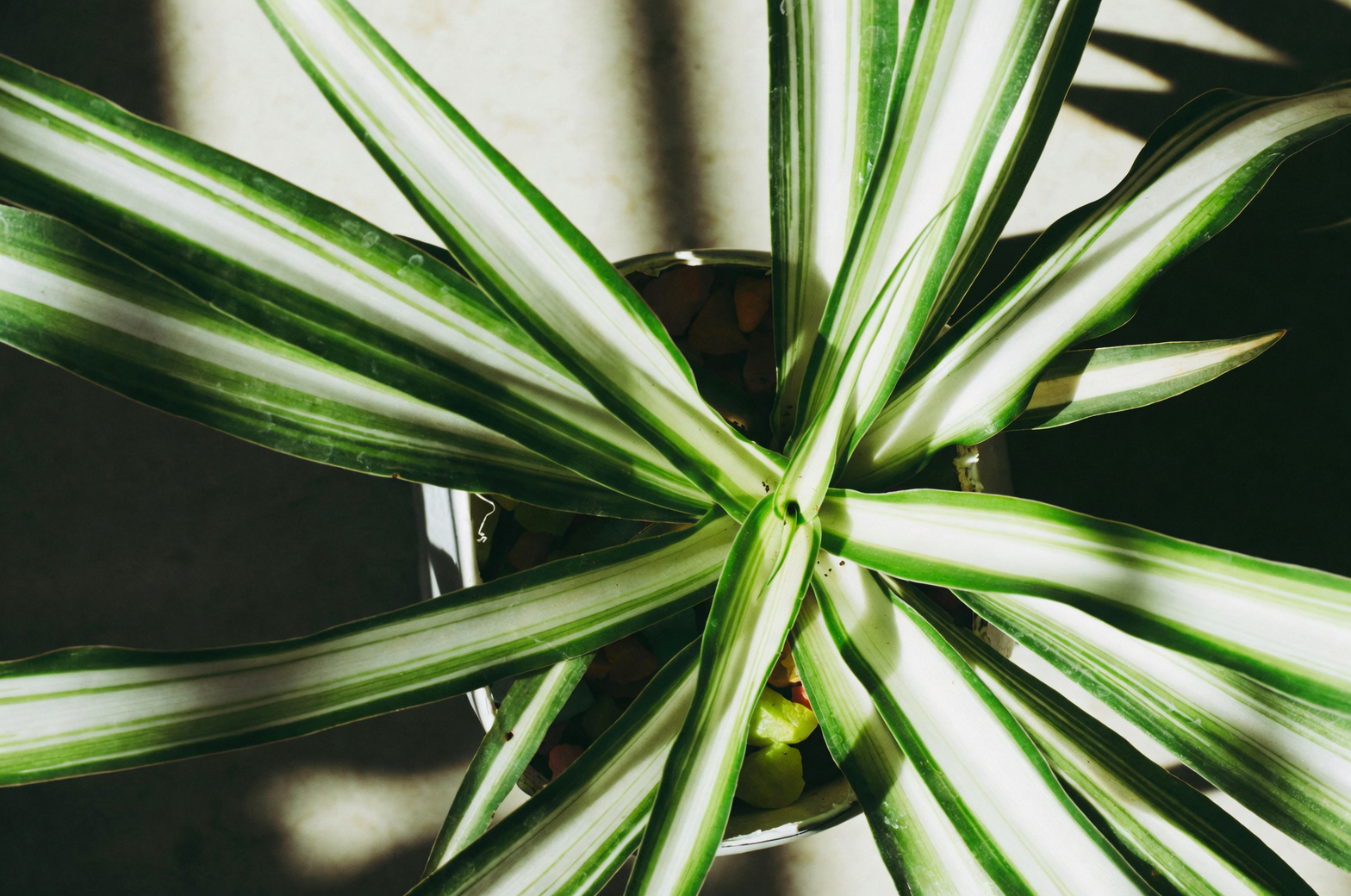
- Spider Plant (Chlorophytum comosum): This hardy plant is not only non-toxic but also fun for kids to propagate. The little “spiderettes” can be potted to grow new plants.
- Prayer Plant (Maranta leuconeura): With its fascinating leaf movement, this plant can captivate curious young minds without posing a risk.
- Peperomia (Peperomia caperata): Compact and easy to care for, these plants are a great beginner choice for little gardeners.
Conversely, steer clear of plants like philodendrons or pothos, which can cause irritation if ingested.
Placement is Key
To prevent accidents, the placement of your plants is crucial:
- Out of Reach: Place plants on high shelves or use hanging baskets to keep them out of reach of small children who are still in the exploring-everything-with-their-mouths stage.
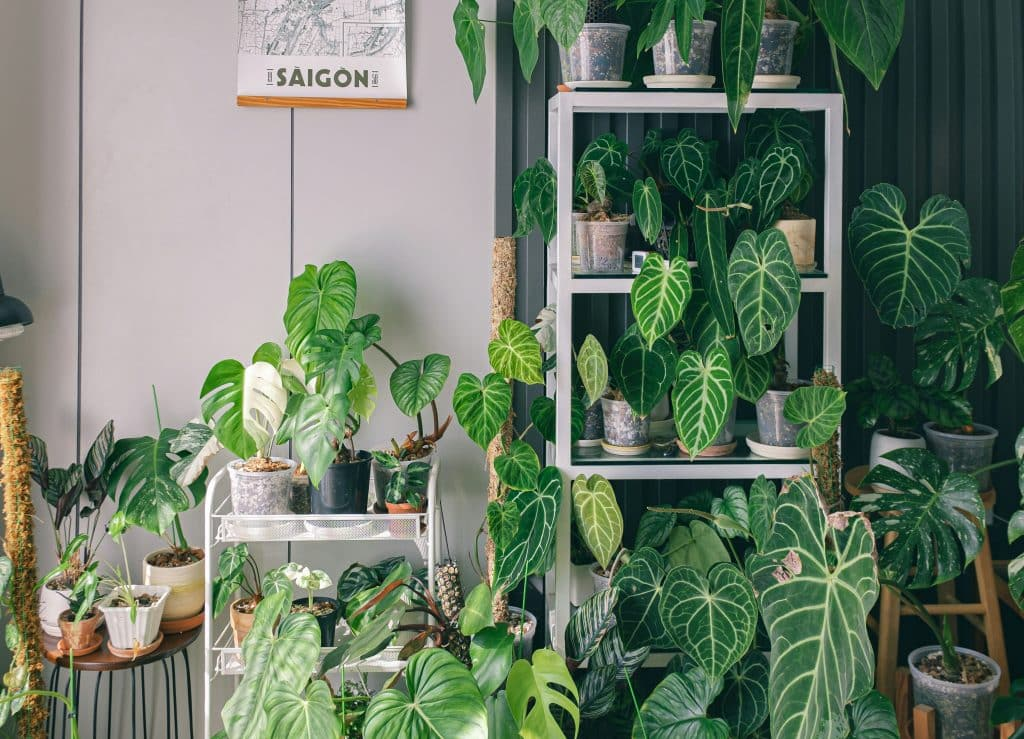
- Stable Pots: Ensure that pots are stable and not easily tipped over. Consider heavier pots or securing them with plant stands.
- Safe Spaces: Create designated plant zones in your home where your child knows they aren’t allowed to touch. This can also be a teaching opportunity about respecting boundaries.
Teaching and Involving Kids
Involve your children in the care of houseplants to build respect and understanding:
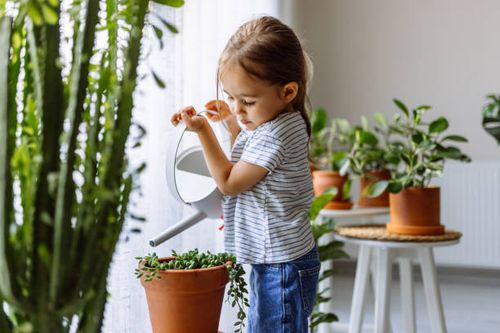
- Plant Care Routines: Simple tasks like watering can be a fun, supervised activity for kids. It teaches them about responsibility and the needs of living things.
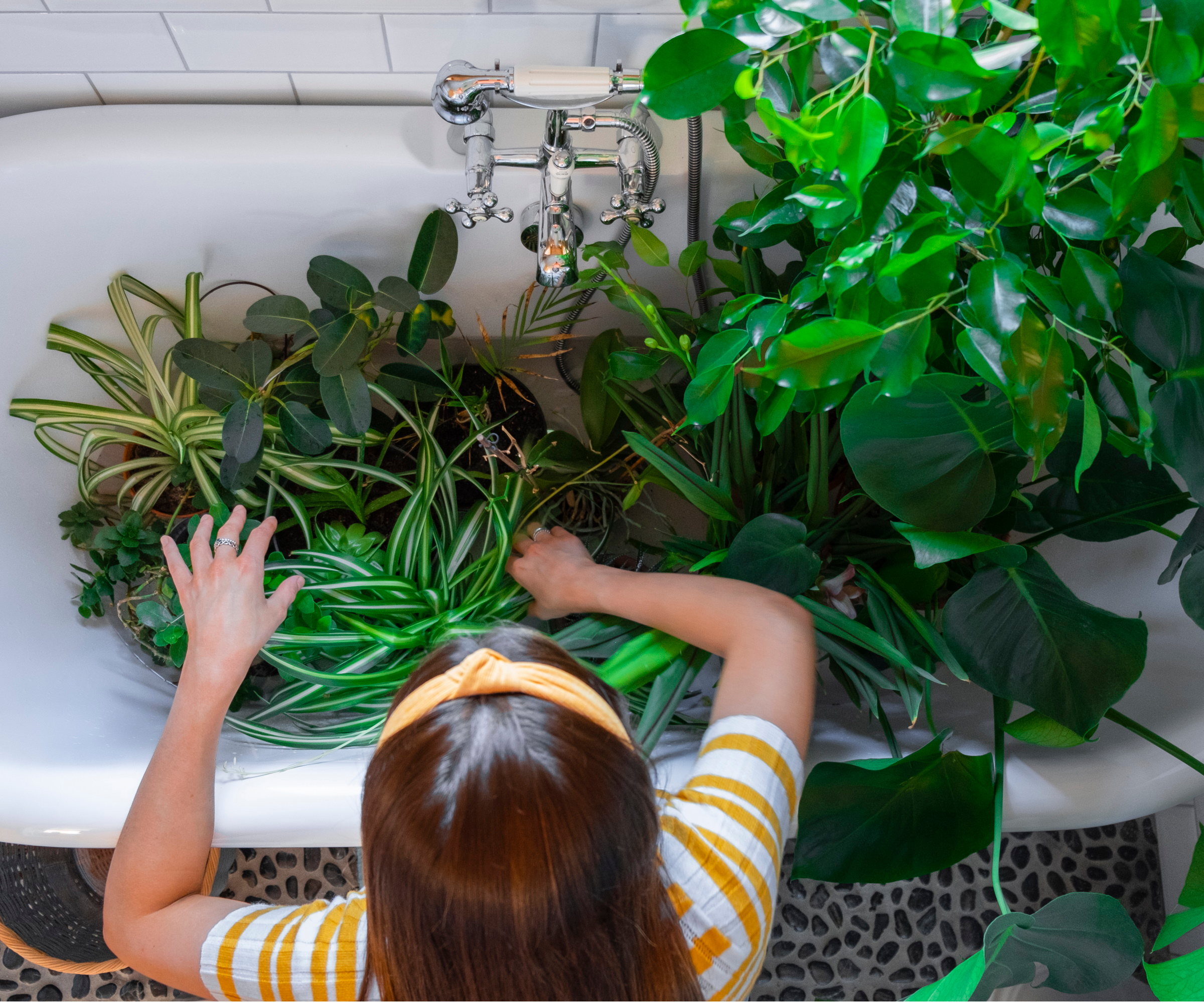
- Learning Opportunities: Use plant care as a chance to explain why some plants are safe and others aren’t. Encourage questions and exploration within safe boundaries.
Prepare for the Unexpected
Even with precautions, accidents can happen. Here’s how to be prepared:
- Know Your Plants: Always know the scientific names of your plants in case you need to contact poison control or a medical professional. This information is crucial if ingestion occurs.
- Emergency Numbers: Keep the number for your local poison control center handy, and know the symptoms to watch for if your child ingests a part of a plant.
Conclusion
Balancing houseplants and child safety is all about choosing the right plants, smart placement, and involving your children in their care. With these tips, you can enjoy the beauty and benefits of houseplants while keeping your tiny explorers safe. Remember, the key is vigilance and making plant care a shared family activity that educates and entertains.