A Journey Through Time: The Vibrant Voyage of Hippeastrum × hybridum
Imagine, if you will, a plant so captivating that it seems to defy the dreary winter months with an explosion of color and grandeur. This is precisely the allure of Hippeastrum × hybridum, more commonly known in the trade as “amaryllis.” But how did this dazzling bloom make its way from the misty heights of the Andes to the windowsills of homes worldwide?
Origins: From Andean Peaks to Global Gardens
Our story begins in the lush highlands and tropical lowlands of Central and South America, where the predecessors of today’s Hippeastrum hybrids thrived. Native to regions stretching from the central southern Andes—including parts of Peru, Bolivia, and Argentina—through Eastern Brazil, these plants were well adapted to a variety of climates. Their journey from wild species to beloved houseplants is a testament to human fascination with beauty and resilience.
The genus Hippeastrum boasts around 90 species, but it’s the hybrids, cultivated from a handful of these species, that have captured the world’s heart. The cultivation and hybridization of Hippeastrum began earnestly in the late 18th century. By the mid-19th century, the allure of their large, vibrant blooms had already spread to Europe and the United States. Breeders from the Netherlands, Israel, South Africa, and beyond contributed to the development of the spectacular varieties we enjoy today.
The Botanical Misnomer: Amaryllis vs. Hippeastrum
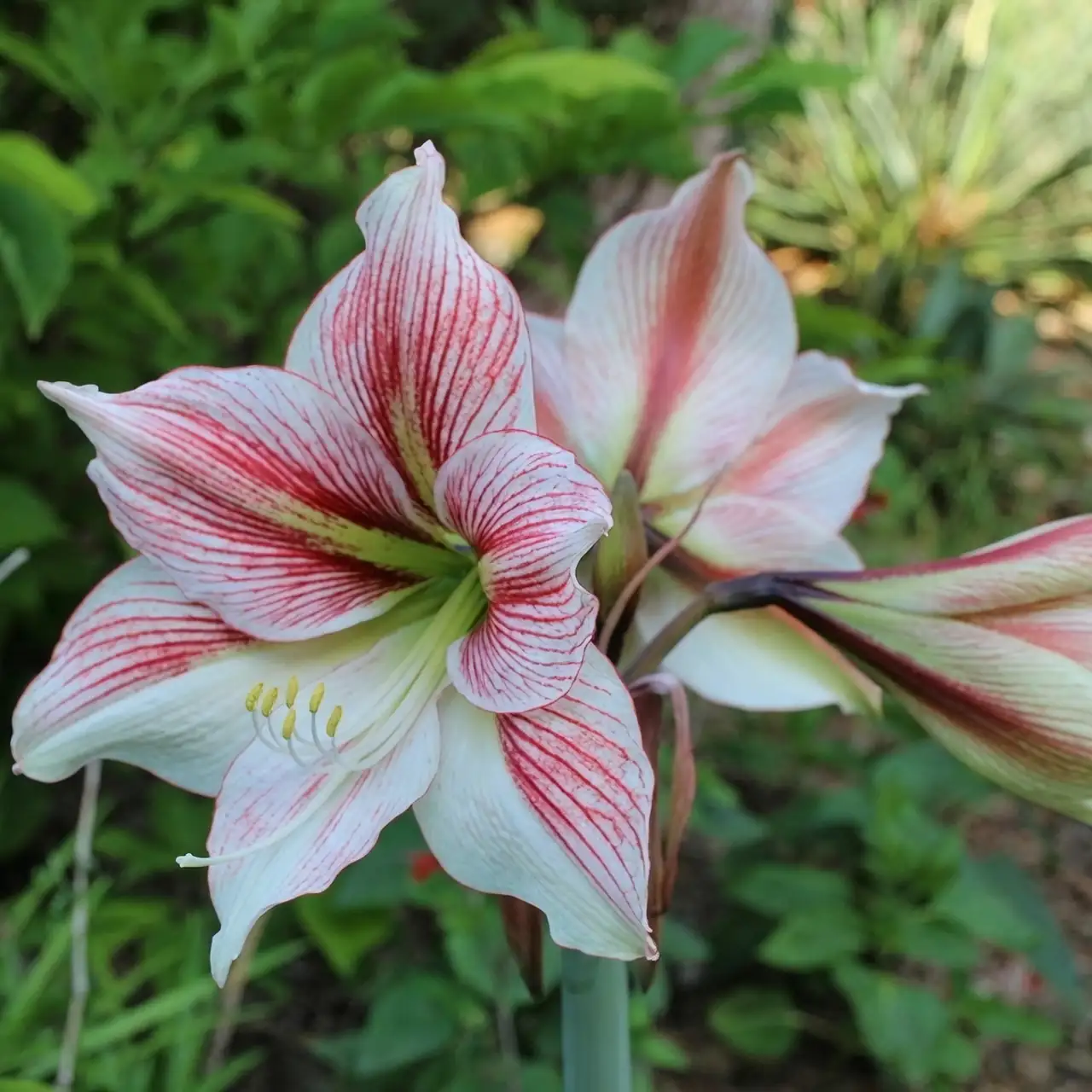
A rose by any other name would smell as sweet, but when it comes to “amaryllis,” names matter. Commonly, the festive blooms sold during the winter months are labeled as “amaryllis,” yet they truly belong to the genus Hippeastrum. The true Amaryllis, Amaryllis belladonna, hails from South Africa and possesses a distinct blooming cycle and environmental needs.
Despite this botanical mix-up, the name “amaryllis” has become synonymous with the Hippeastrum hybrids in the commercial market. This name traces back to Greek mythology, where Amaryllis was a shepherdess who, according to legend, pierced her heart with a golden arrow for love, and from her blood sprung beautiful flowers. It’s a fitting allegory for a plant that symbolizes splendid beauty and the celebration of life’s achievements.
A Star Among Indoor Plants
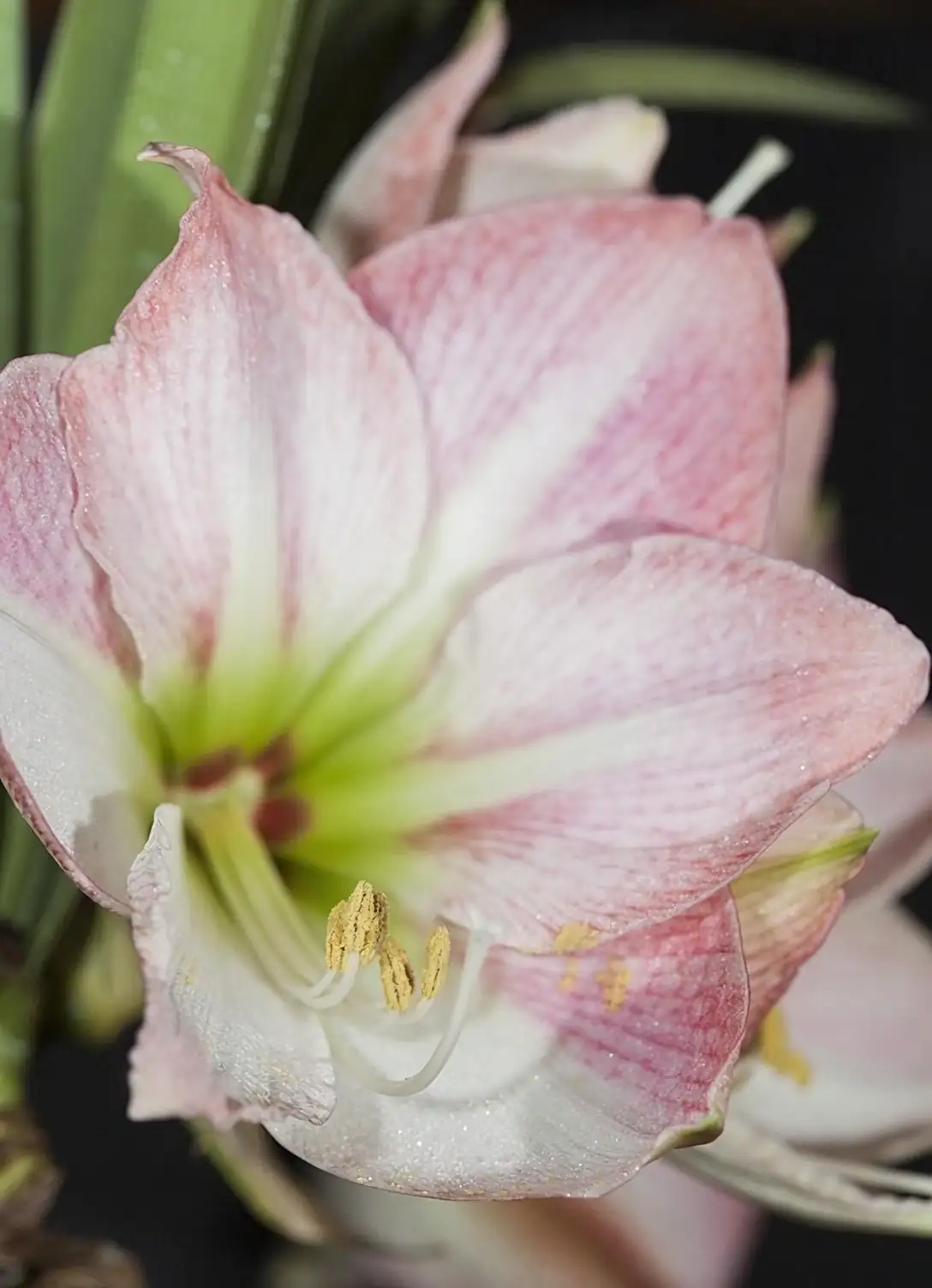
In the world of indoor gardening, Hippeastrum × hybridum stands out like a knight’s star—a nod to its Greek-derived botanical name. Its trumpet-shaped blooms sit atop tall, sturdy stems, offering a splash of color in the cold months when we crave it most. These flowers are not just a treat for the eyes; their appearance also signals a mastery of horticultural timing. Bulbs are often “programmed” to bloom during the winter by controlling their dormancy period, bringing nature’s spectacle indoors when it’s least expected.
These blooms are a kaleidoscope of colors and patterns, ranging from pure whites to deep crimsons, often with striking bicolors and picotee edges. Whether it’s a single or double petaled variety, each flower promises a show-stopping display.
Cultivating a Classic: Care and Craft
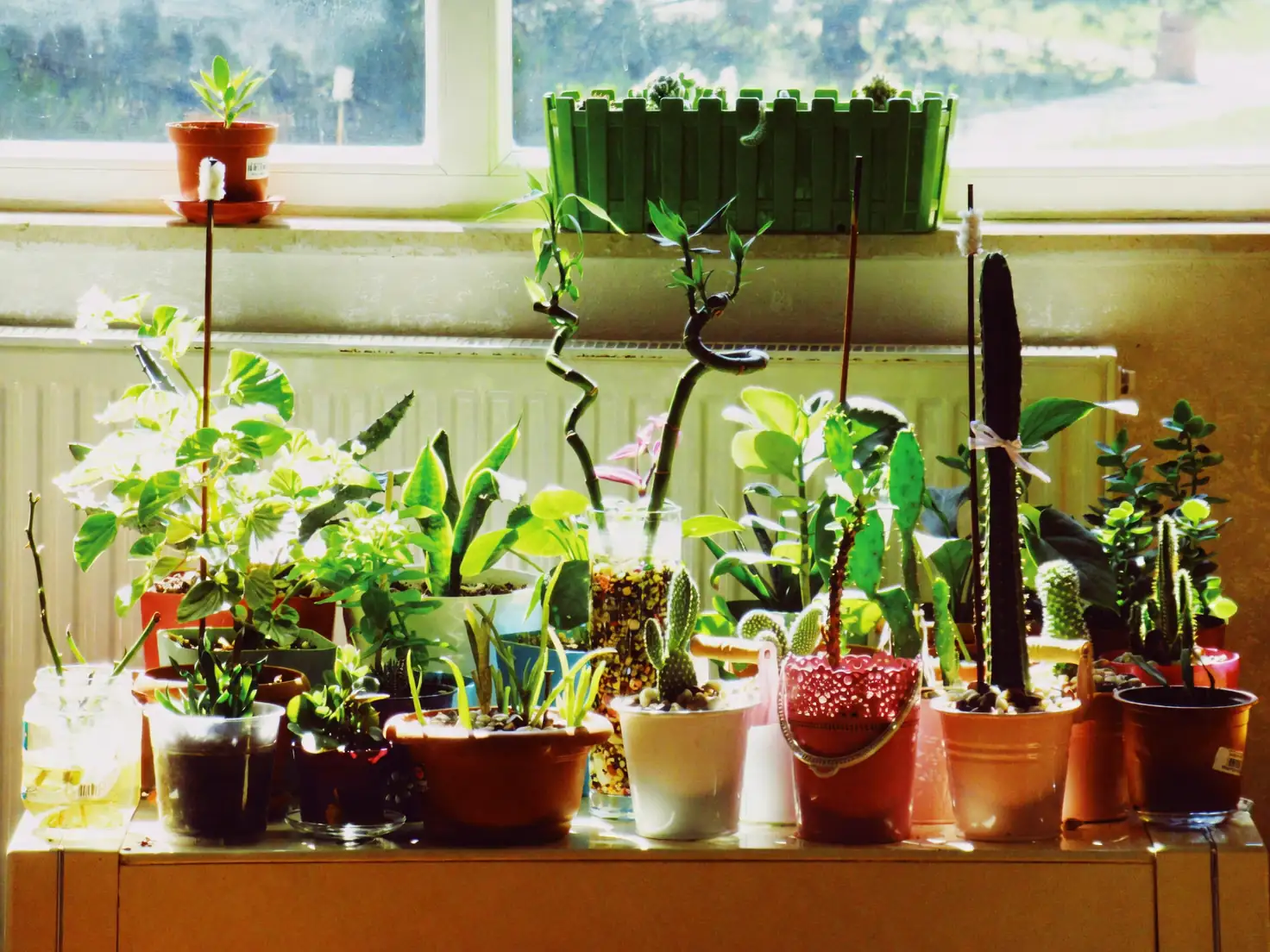
So, how does one ensure that their Hippeastrum bulb becomes a perennial performer? It starts with selecting the largest, healthiest bulb, as size correlates with flower count. Once potted, these bulbs require bright light to flourish, a touch of direct sun is beneficial, but avoid the scorching midday rays.
Watering should be done sparingly at first, then more consistently as the plant grows, taking care to keep the soil moist but not waterlogged. The key to longevity lies in allowing the bulb a proper rest period, mimicking its natural dormancy. After bloom, the plant should be kept in bright light, with regular watering and feeding until the leaves naturally die back.
A Symbol of Radiant Beauty
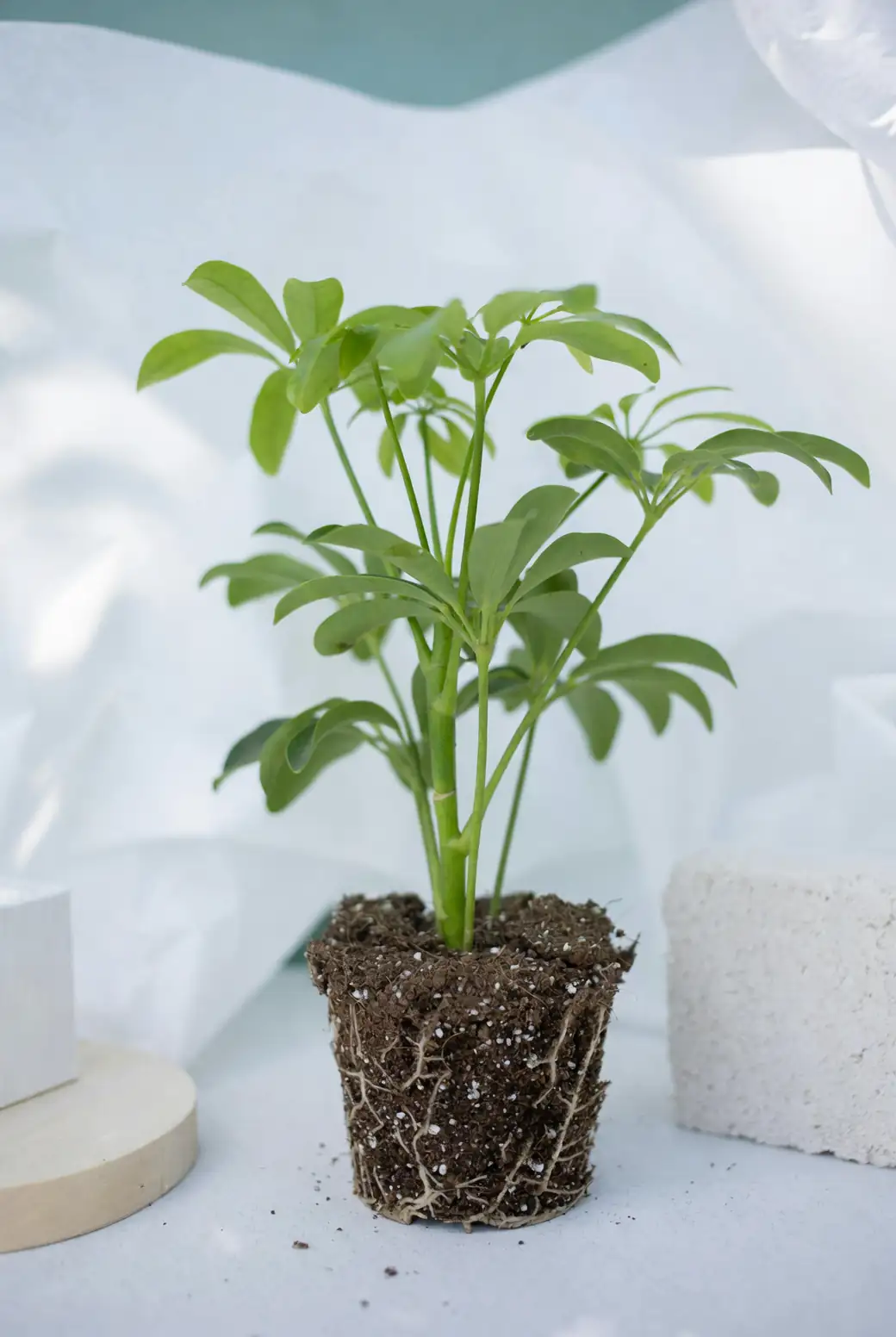
In the language of flowers, Hippeastrum symbolizes pride and radiant beauty—a floral emblem of standing tall amidst adversity. Its bloom is a celebration of life’s triumphs and a reminder of the strength and beauty within.
A Bloom of Many Uses
Beyond their ornamental charm, Hippeastrum flowers are prized as long-lasting cut flowers, gracing many a festive table. While research has explored the medicinal potential of compounds found in the broader Amaryllidaceae family, these bulbs remain primarily ornamental due to their toxicity if ingested.
Conclusion: The Timeless Appeal of Hippeastrum
From the ancient wilds of South America to the cozy confines of our homes, Hippeastrum × hybridum continues to captivate with its vibrant presence and storied history. As a living symbol of elegance and resilience, it invites us to pause and appreciate the natural world’s beauty, even when the frost of winter grips the world outside. Whether gracing a windowsill or bursting forth in a garden, this plant stands as a testament to nature’s artistry and the enduring allure of botanical wonders.