
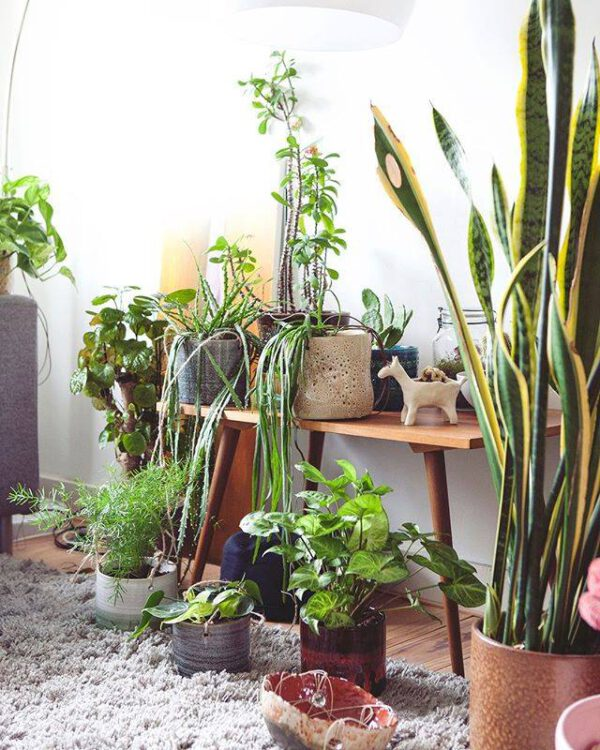
Creating a safe, engaging, and vibrant play area for your little ones is not just about filling the space with toys and colorful decor. Incorporating plants can bring a touch of nature indoors, providing fresh air and a soothing environment for your child to explore. However, when it comes to choosing plants for a baby’s play area, safety is paramount. Here are some lovely, non-toxic plant options that are perfect for little explorers.
Why Choose Plants for Baby Play Areas?
Plants do more than just beautify a space; they improve air quality by removing toxins and producing oxygen. For babies, being around plants can spark an early interest in nature, leading to cognitive and sensory development. Plus, the gentle sway of leaves and the variety of textures can be fascinating for curious little hands.
Top Baby-Safe Plants to Consider
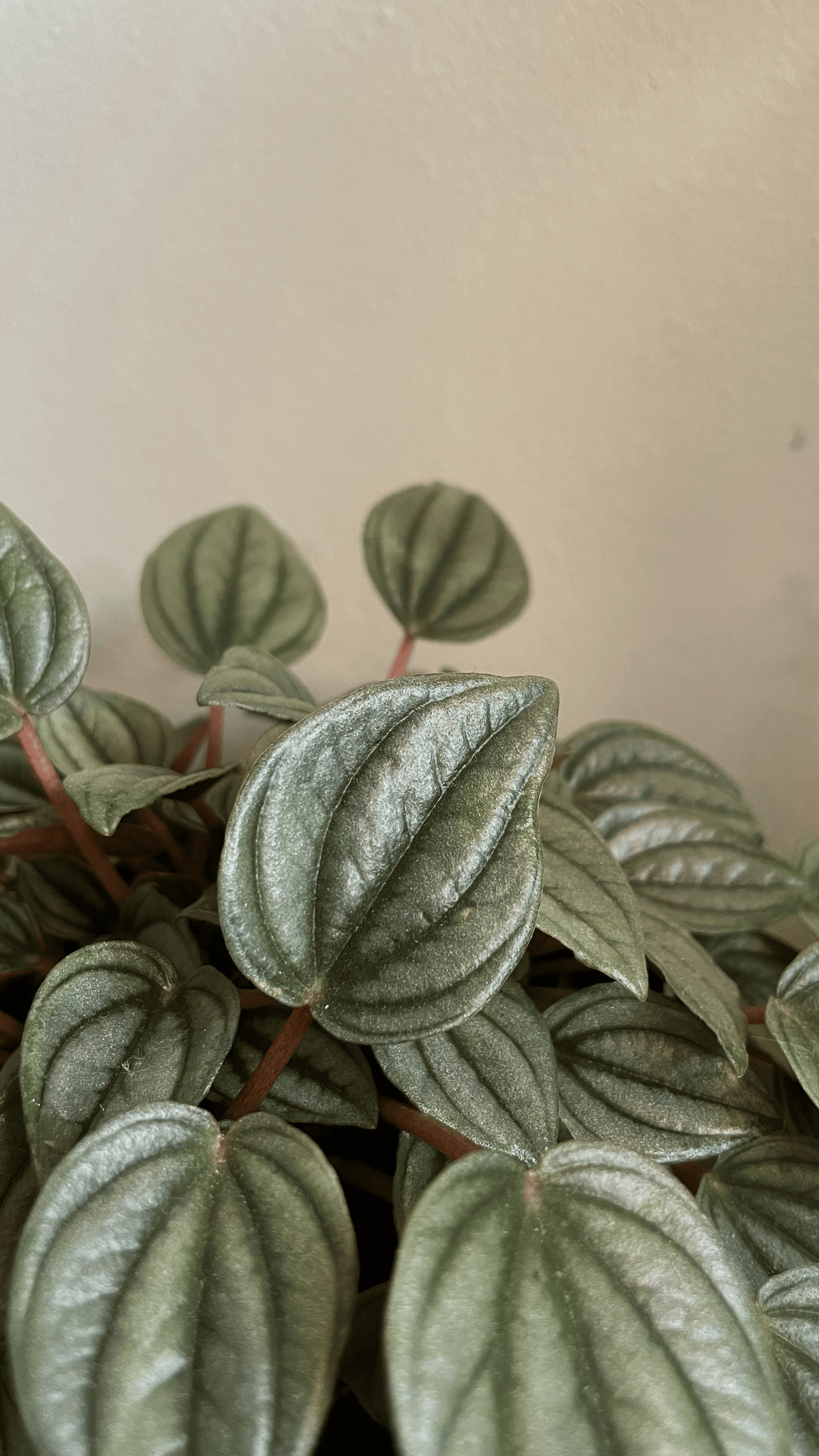
1. Peperomia Obtusifolia (Baby Rubber Plant)
This adorable plant is not only visually appealing but also exceptionally hardy. Known for its glossy, thick leaves, the Peperomia is perfect for tiny hands that might give it a bit of a rough time. It thrives with minimal care, needing just moderate light and occasional watering.
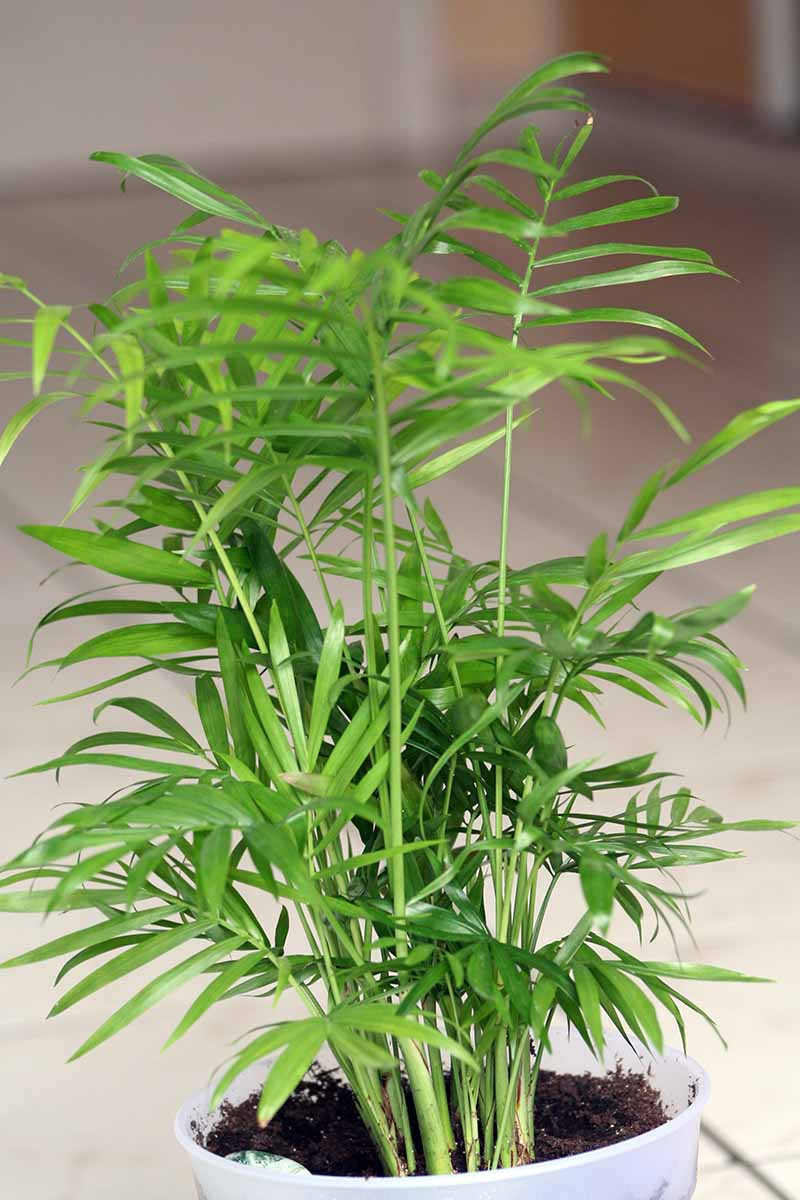
2. Parlor Palm (Chamaedorea Elegans)
This elegant plant features feathery, arching fronds that can add a playful touch to any room. The Parlor Palm is non-toxic and grows well in low-light conditions, making it an excellent choice for indoor play areas. It’s also a great air purifier, providing a breath of fresh air for your little one.
3. Spider Plant (Chlorophytum Comosum)
Known for its easy care and adaptability, the Spider Plant is a favorite for homes with children. It’s non-toxic and can thrive in various light conditions. Its arching leaves and occasional tiny white flowers can intrigue and delight babies who are starting to explore their environment.

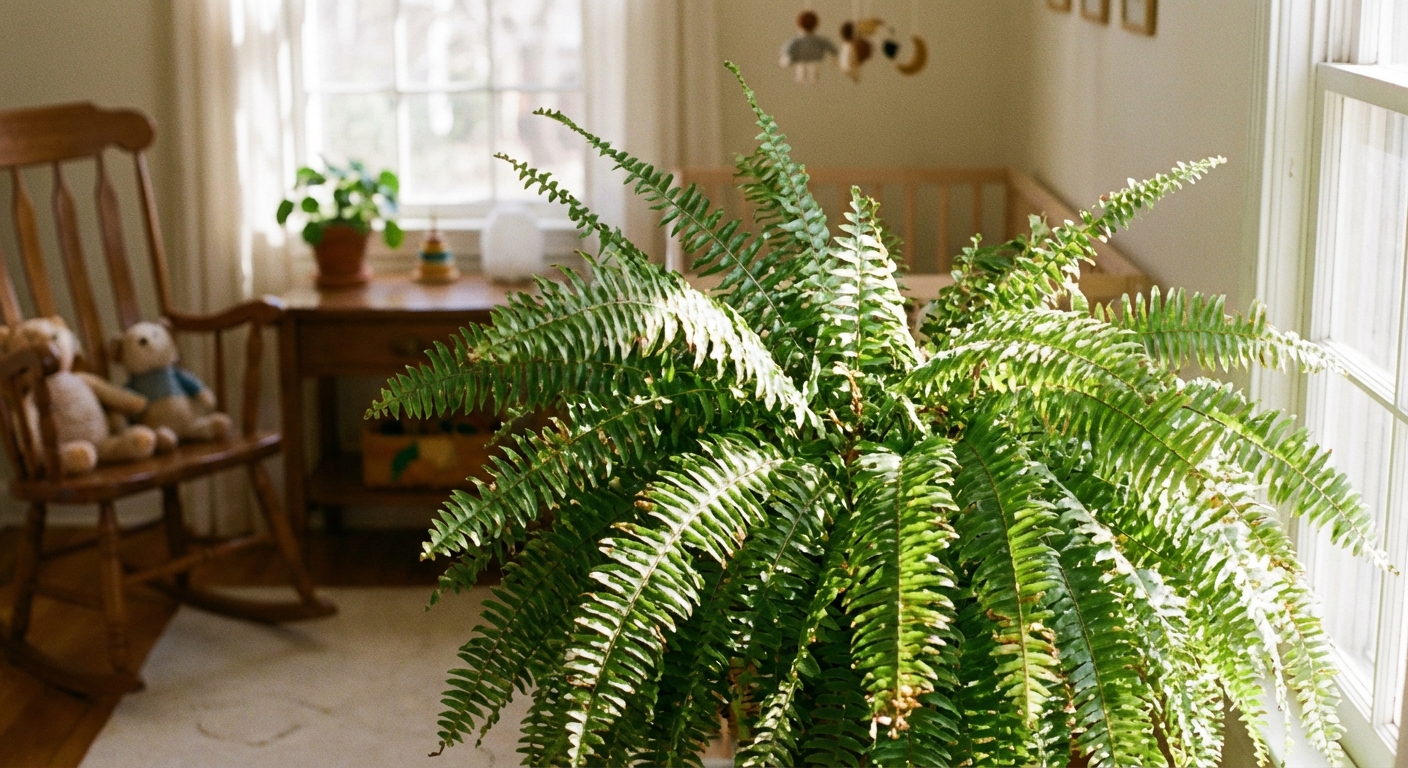
4. Boston Fern (Nephrolepis Exaltata)
For a lush, full look, the Boston Fern is a classic choice. Its soft, feathery fronds make it a safe and tactile option for children. While it prefers humidity and indirect light, this plant can also adapt to less-than-ideal conditions, making it a versatile addition to any play area.
Tips for Incorporating Plants Safely
- Placement is Key: Ensure plants are out of reach to prevent them from being knocked over or ingested. Hanging baskets or shelves are great options.
- Potting Considerations: Choose sturdy pots that won’t tip easily and avoid breakable materials like glass or ceramic.
- Regular Care: Keeping plants healthy requires regular watering and monitoring for pests. Healthy plants are less likely to shed leaves or attract bugs that could be harmful.
- Child Supervision: Teach your child about the plants and supervise interactions to ensure they learn to treat them gently.
Common Mistakes to Avoid
- Overcrowding the Play Area: While plants are wonderful, too many can create clutter and obstacles for little ones learning to navigate their space.
- Ignoring Plant Labels: Always check plant labels or consult with experts to confirm the non-toxicity of a plant before bringing it into a child’s play area.
- Neglecting Plant Health: Unhealthy plants can attract pests or develop mold, posing a risk to both children and adults. Regularly check your plants and address any health issues promptly.
By carefully selecting and incorporating these baby-safe plants, you can create a nurturing, vibrant play space that benefits both your child’s health and happiness. Happy planting!