Discovering the Whimsical World of Catnip: A Tale of Feline Frenzy and Insect Inhibition
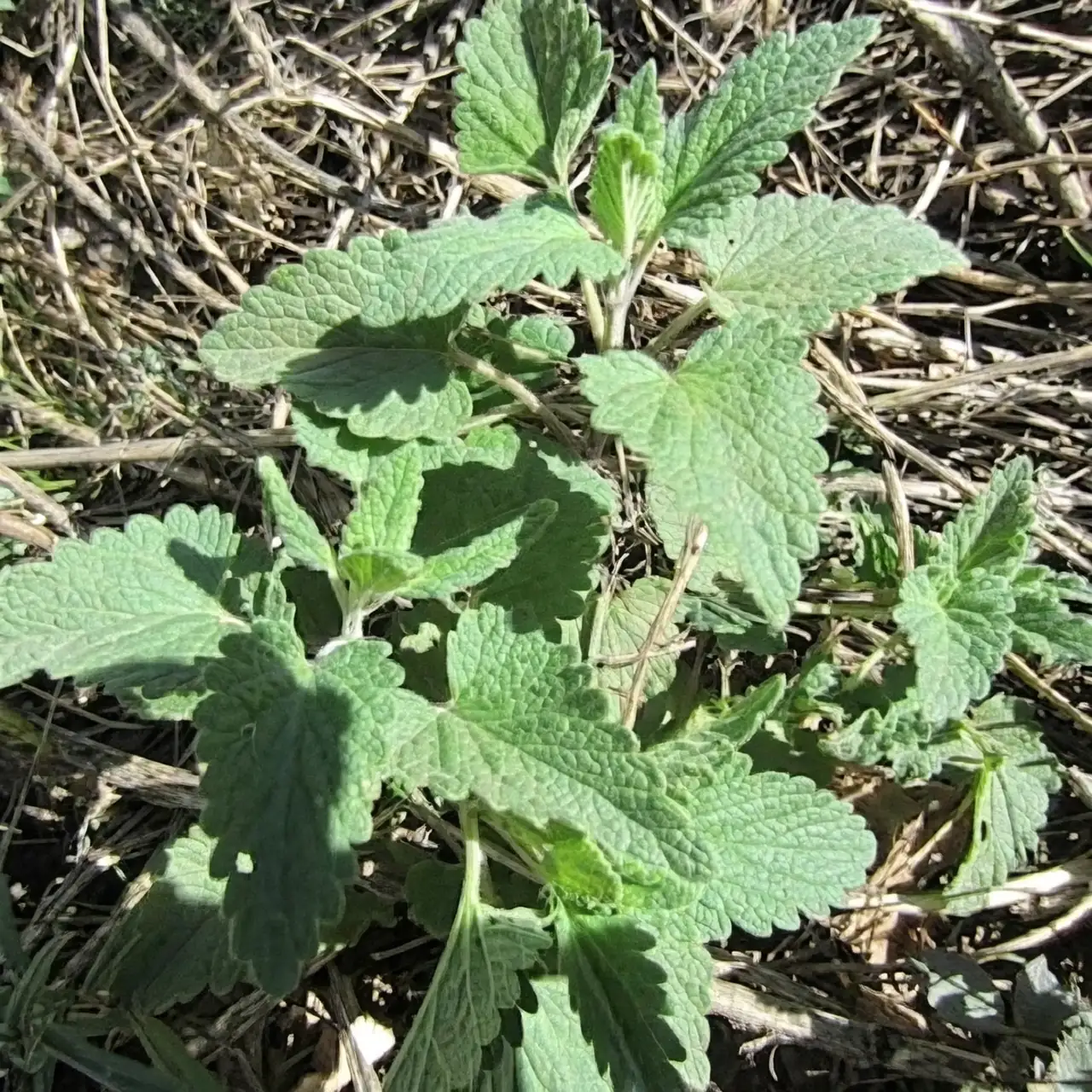
Imagine a plant that can send your feline friend into a euphoric whirlwind of playful antics, all while keeping pesky mosquitoes at bay. Welcome to the world of Nepeta cataria L., more commonly known as catnip. This intriguing member of the mint family has more up its sleeve than just amusing your cat. Let’s explore some lesser-known facts and delve into the science of this captivating herb that’s as versatile as it is enchanting.
The Science of Feline Frolic
Catnip’s fame largely rests on its ability to turn cats into gleeful acrobats. The secret is nepetalactone, a chemical compound found in the plant’s leaves and stems. When cats get a whiff of this aromatic compound, it binds to special receptors in their noses, triggering a cascade of reactions that can include rolling, rubbing, purring, and the occasional zoomie. This high typically lasts about 10–15 minutes, after which cats usually become temporarily immune to its effects for an hour or two.
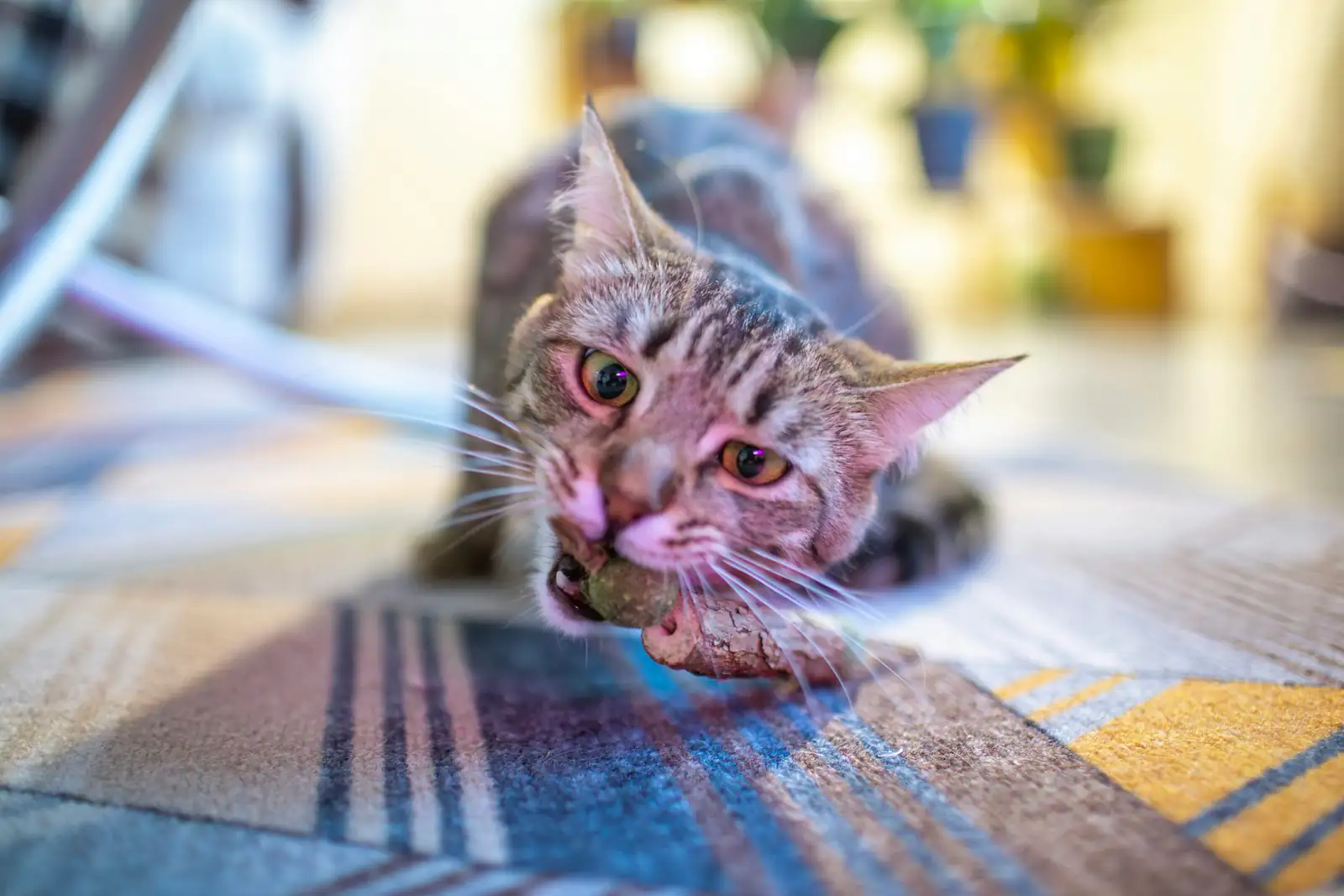
Interestingly, not all cats are susceptible to catnip’s charms. Sensitivity to nepetalactone is an inherited trait, and about 50–70% of cats are affected. Kittens and some senior cats often remain indifferent to the herb’s allure. The love for catnip isn’t limited to domestic cats, either. Even wild cousins like lions and tigers can find themselves enchanted by this humble plant.
Beyond Cats: The Human and Insect Connection
While cats might be the plant’s most famous fans, humans have also found uses for catnip. Historically, it was brewed as a calming tea in Europe long before Asian teas became popular. Today, it’s still enjoyed for its mild sedative effects, offering relaxation and easing minor digestive discomfort. However, pregnant individuals should steer clear of medicinal uses due to the potential for stimulating uterine contractions.

Moreover, catnip isn’t just a plaything for cats or a soothing brew for humans—it’s also an impressive insect repellent. Nepetalactone has been shown to deter mosquitoes more effectively than some synthetic options, making catnip a natural choice for those looking to keep bugs at bay without resorting to harsh chemicals.
Cultivation: A Breeze in the Garden
Catnip is as easygoing in the garden as it is versatile in use. It thrives in full sun but tolerates partial shade, although it may become leggy in less light. This hardy perennial prefers well-drained soil and is drought-tolerant once established, making it a great choice for beginner gardeners. Just be cautious with overwatering, as it can lead to root rot.

For those concerned about catnip spreading uncontrollably, fear not. While it can self-seed and spread via rhizomes, simple garden management like deadheading spent flowers can keep it in check. Alternatively, growing catnip in containers provides an easy way to enjoy its benefits without worrying about it taking over your garden.
Fun Facts to Tickle Your Curiosity
- A Multi-Sensory Experience: Cats tend to react more energetically when they inhale catnip, while ingesting it often leads to a more mellow response.
- A Global Traveler: Native to Europe, Southwestern and Central Asia, and North Africa, catnip is now naturalized across North America and other temperate regions.
- Not Just Any Mint: True catnip (Nepeta cataria) is distinct from ornamental catmints like Nepeta × faassenii, which may not excite your cat the same way.
- Historical Tidbits: In the Middle Ages, catnip was a household staple for soothing teas and was even thought to ward off ill fortune when hung in doorways.
Keeping It Safe and Sound
While catnip is generally safe for cats, moderation is key. Use it as a tool to encourage play and exercise, not as a food substitute. For humans, catnip is considered non-toxic, but as with any herb, it’s best to enjoy it in moderation.
Whether you’re looking to delight your feline friend, brew a calming tea, or repel those pesky insects, catnip offers a whimsical blend of utility and entertainment. So next time you see your cat rolling in bliss or notice fewer mosquitoes buzzing around, you’ll know that Nepeta cataria is quietly at work, making life a little more delightful for everyone.