
Houseplants bring a vibrant touch of nature indoors, purifying the air and adding a splash of color to our homes. However, some of these green beauties come with a hidden threat—they can be toxic to both humans and pets. Whether you’re an experienced plant parent or a newbie, it’s crucial to know which plants to handle with care. Here’s a practical guide to help you identify and safely enjoy your houseplants without risking your family’s health.
Spotting the Silent Threat: Common Toxic Houseplants
Many popular houseplants have toxic properties due to chemicals like calcium oxalate crystals or saponins, which can lead to unpleasant reactions if ingested or touched. Here are a few common culprits:
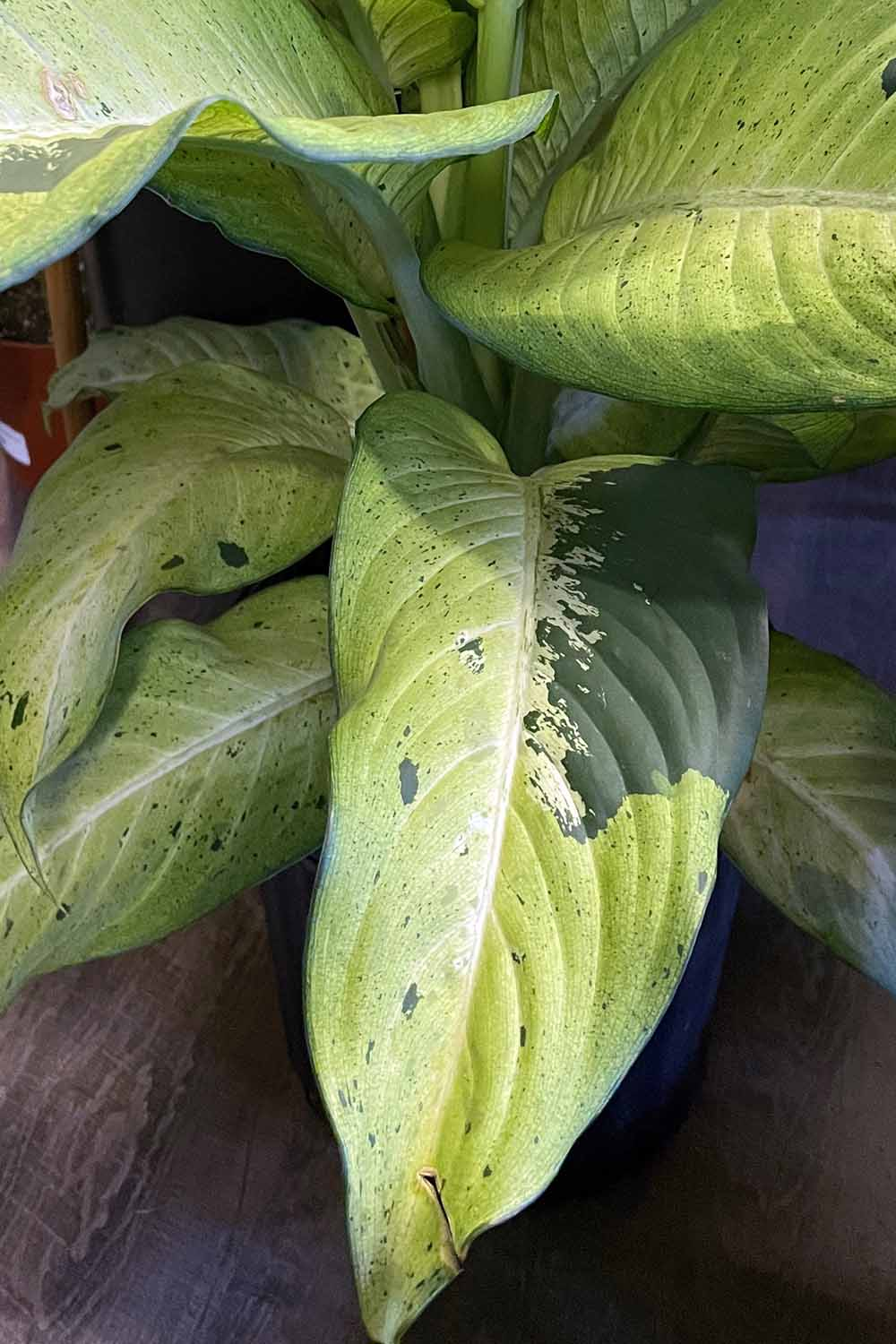
- Dumb Cane (Dieffenbachia): This tropical plant, ideal for low-light areas, can cause severe swelling of the tongue and throat if ingested. Keep it high and out of reach from curious hands and paws.
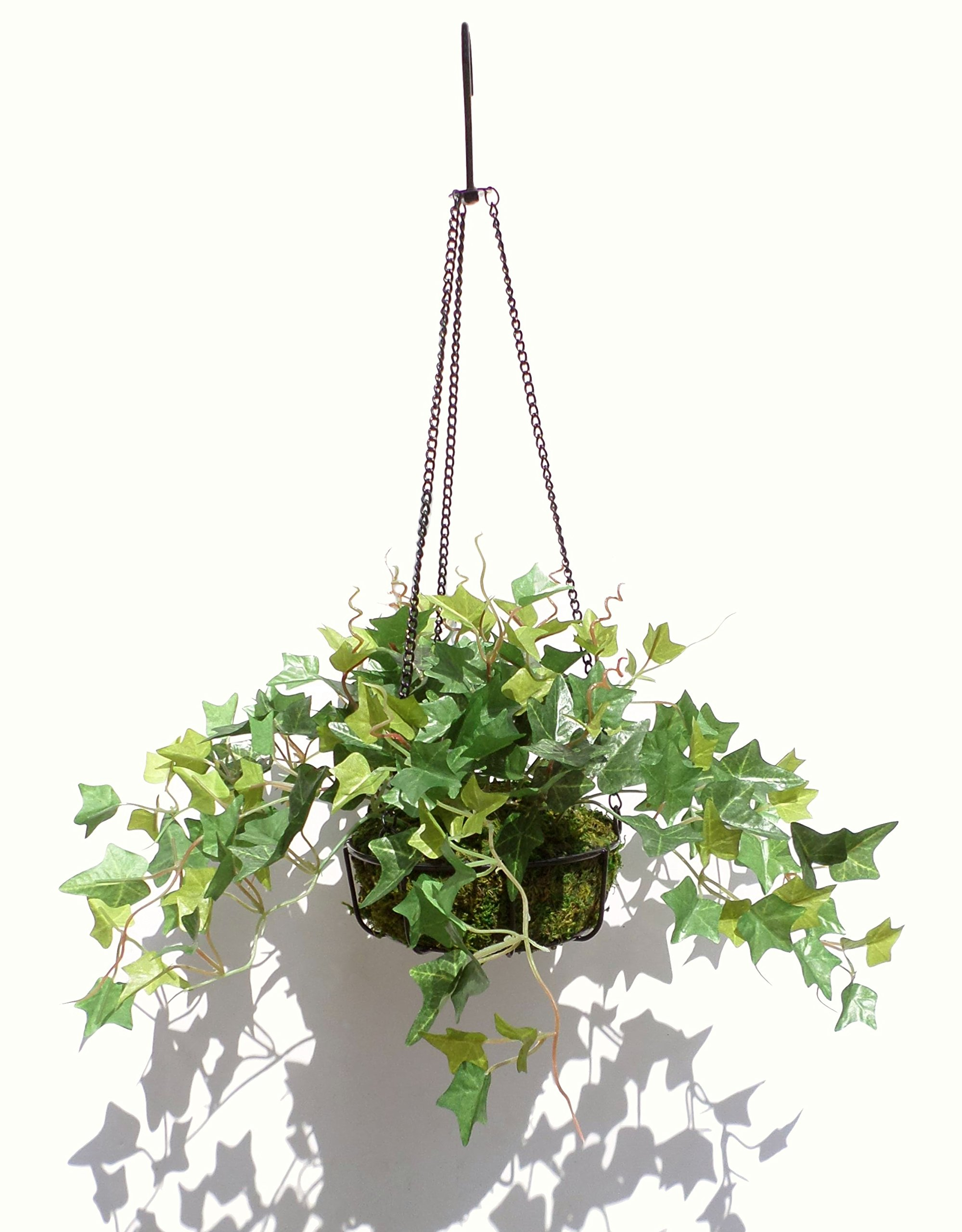
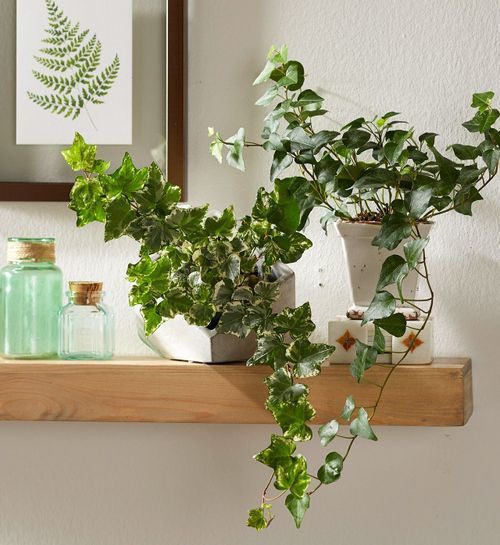
- English Ivy: While it makes for a charming hanging plant, ingesting its leaves or berries can cause skin irritation and throat discomfort.
- Philodendron: Known for its ease of care, this plant’s sap can irritate the skin and cause pain if ingested. It’s best kept away from pets and small children.
- Pothos (Devil’s Ivy): This hardy vine is a household favorite but contains saponins that can irritate the stomach if consumed by pets or children.
Safety First: Handling Toxic Houseplants
To keep your home safe while enjoying your greenery, consider these tips:
- Placement is Key: Ensure toxic plants are placed out of reach. High shelves, hanging baskets, or chic plant stands can be both stylish and practical solutions.
- Educate the Household: Teach children not to touch or taste plants. For pets, try using deterrent sprays to keep them away from your plants.
- Label Your Plants: Proper identification can prevent mishaps. Use tags or stakes with the plant’s name and any necessary warnings.
- Recognize Symptoms: If ingestion occurs, be aware of the signs of poisoning—such as drooling, vomiting, or swelling—and act quickly.
- Emergency Contacts: Always have the contact information for the National Poison Control Center (1-800-222-1222) on hand, and don’t hesitate to call your doctor or veterinarian if you suspect poisoning.
When Accidents Happen: Quick Response Steps

Despite your best efforts, accidents can happen. If a plant is ingested, here’s what to do:
- Remove Plant Material: Gently remove any plant pieces from the mouth and rinse thoroughly with water.
- Identify the Plant: Having a clear understanding of what was ingested can aid in treatment, so keep a list of your houseplants’ names and potential risks.
- Seek Professional Help: Contact the poison control center, your doctor, or your vet immediately for guidance.
Conclusion
While the allure of lush, leafy companions is undeniable, safety should never be compromised. By knowing which plants to watch out for and taking preventive measures, you can enjoy the beauty of nature in your home without the worry. So go ahead, let your green thumb flourish—just be sure to keep an eye on those sneaky toxic plants!