A Troubleshooting Guide to Common Begonia Pests and Diseases
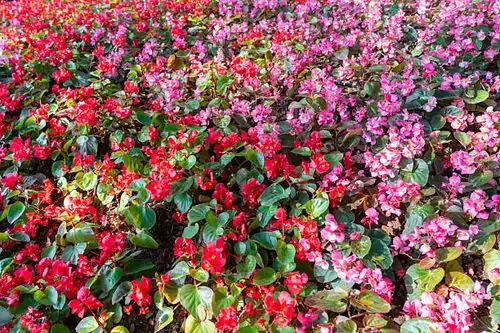
Begonias are the stars of the plant world, with their vibrant blooms and show-stopping foliage making them a popular choice for homes and gardens alike. But as any begonia enthusiast knows, these beauties can sometimes face pesky intruders and vexing diseases. Here’s your go-to guide for identifying, treating, and preventing common begonia pests and diseases, ensuring your plants stay healthy and thriving.
—
Common Pests That Love Begonias
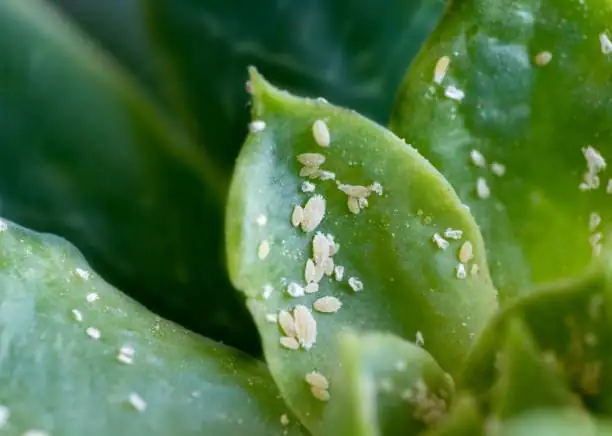
Mealybugs
These fluffy, white pests are the plant equivalent of a stubborn houseguest—they just don’t want to leave. Mealybugs are sapsuckers, draining nutrients from your begonias and potentially stunting their growth or even killing the plant if the infestation is severe.
Treatment and Prevention:
- Early Detection: Isolate infested plants immediately to prevent spreading.
- Physical Removal: Use a strong spray of water to knock them off, followed by a diluted solution of rubbing alcohol or insecticidal soap.
- Routine Care: Healthy plants are more resilient; avoid overwatering and overfertilizing, and regularly inspect your plants.
Spider Mites
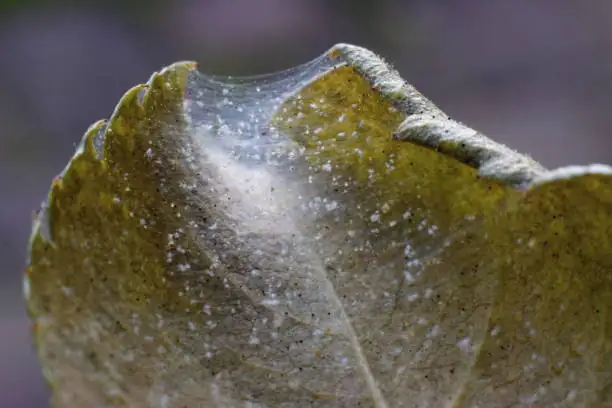
These tiny terrors leave behind tell-tale webs and stippling—small white or yellow dots on leaves. If left unchecked, they can turn leaves yellow and cause them to drop.
Treatment and Prevention:
- Cleaning and Trimming: Remove webs and affected leaves.
- Spray with Insecticidal Soap: Multiple applications may be necessary, especially if rain washes treatments away.
- Humidity and Airflow: Spider mites thrive in dry conditions, so maintain a humid environment and good air circulation.
Whiteflies
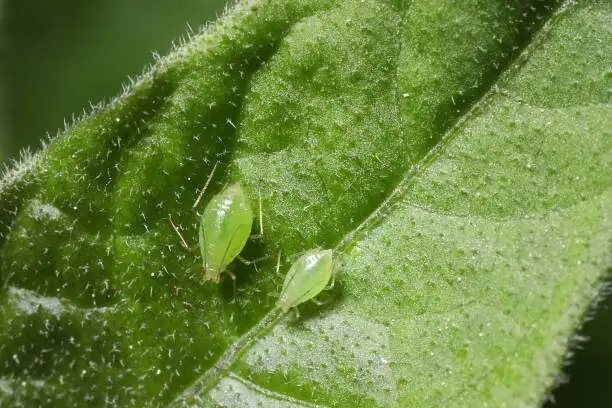
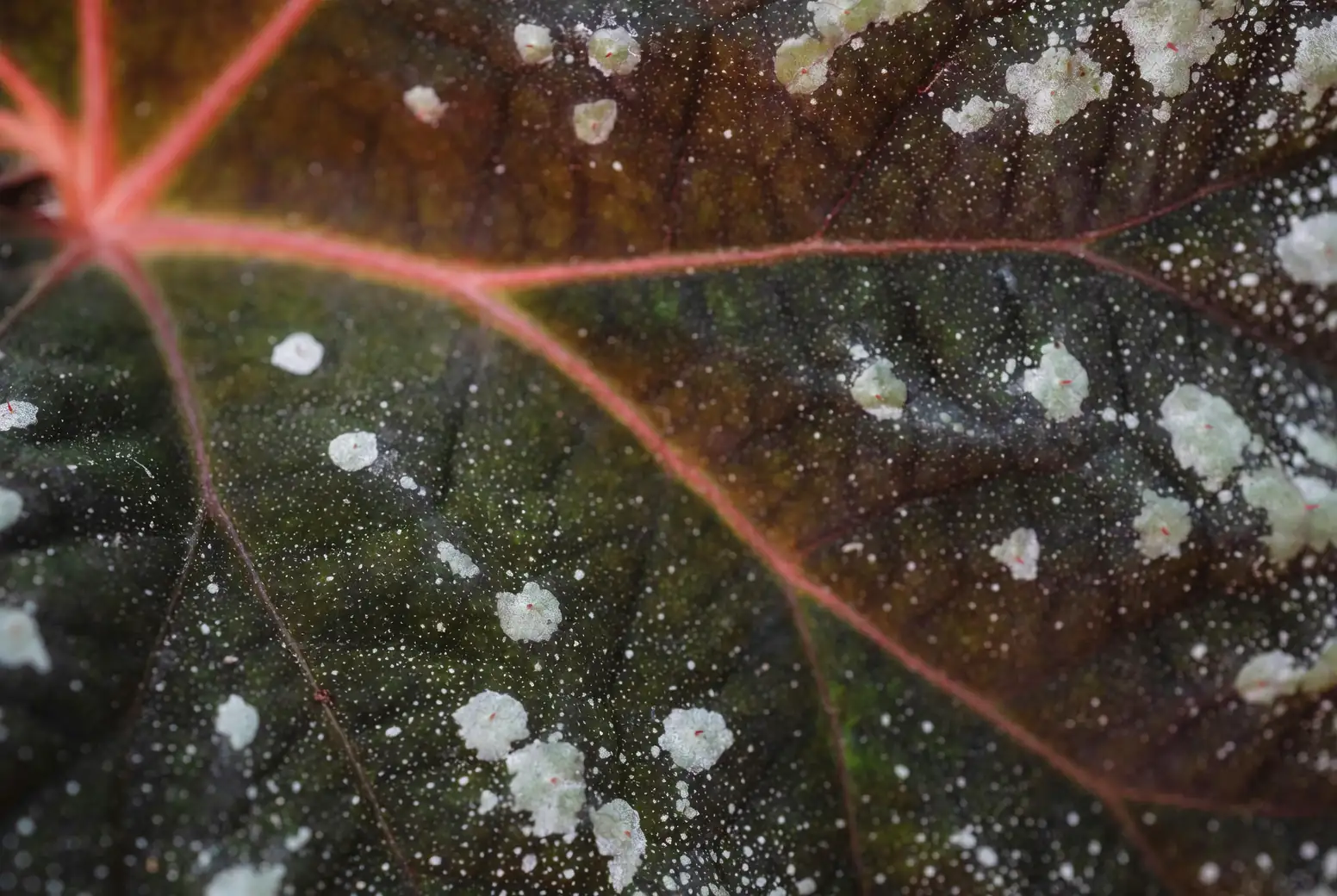
These small, fluttering insects are often found on the undersides of leaves. If disturbed, they’ll take flight, spreading to other plants.
Treatment and Prevention:
- Sticky Traps: Yellow traps can catch adult flies.
- Soap Sprays: Regular applications of soapy water can control populations.
- Predators in Greenhouses: Introducing beneficial insects, like predatory wasps, can manage whiteflies.
—
Diseases that Trouble Begonias
Powdery Mildew
This fungal issue appears as a white, powdery coating on leaves, leading to disfigured growth and reduced vigor.
Treatment and Prevention:
- Reduce Humidity: Increase air circulation and avoid overhead watering.
- Fungicidal Sprays: Use sulfur- or neem-based fungicides to manage outbreaks.
Botrytis (Gray Mold)
Common in humid conditions, this disease causes fuzzy gray mold and can quickly spread.
Treatment and Prevention:
- Good Hygiene: Remove affected parts promptly and ensure proper spacing for airflow.
- Avoid Wet Foliage: Water at the soil level to keep leaves dry.
Root and Stem Rot
Overwatering or poorly draining soil can lead to these fungal problems, which are often fatal.
Treatment and Prevention:
- Well-Draining Soil: Use a soil mix rich in organic matter with excellent drainage.
- Watering Discipline: Allow the top inch of soil to dry out between waterings.
—
Keeping Begonias Happy
Sunlight and Temperature: Most begonias prefer partial shade or bright, indirect light. They thrive in temperatures between 18–24°C (65–75°F) and should be protected from cold drafts and harsh midday sun.
Humidity: Aim for moderate to high humidity levels. Indoors, pebble trays or a humidifier can help, especially during winter.
Soil and Repotting: Use a well-draining, slightly acidic to neutral soil mix. Repot every 1–2 years to refresh the soil and accommodate growth.
—
Final Thoughts
Begonias, with their cheerful flowers and striking foliage, are worth the effort. By understanding the potential threats and how to manage them, you can ensure that your begonias remain a vibrant part of your plant collection. Whether you’re a seasoned gardener or a budding enthusiast, remember that a little vigilance goes a long way in keeping these beauties healthy and flourishing!