Guarding Your Garden’s Gold: Black-eyed Susan Pest and Disease Management
When Black-eyed Susans, with their cheery golden petals and striking dark centers, dance in the breeze, they bring a burst of sunshine to any garden. But even these resilient beauties, known scientifically as Rudbeckia hirta, can face challenges from unwanted pests and diseases. Fear not, though—armed with a bit of knowledge and some practical solutions, you can keep these vibrant blooms thriving.
Common Pests: Keep the Critters at Bay
Black-eyed Susans might be tough, but they’re not entirely immune to the pesky attention of garden insects. Here’s a lineup of the usual suspects and how to manage them:
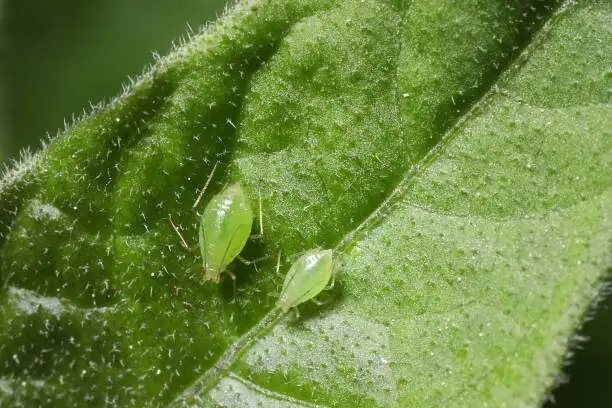
Aphids
These tiny, sap-sucking insects can cause curled or discolored leaves. While they might seem like a gardener’s nightmare, aphids are often managed with a gentle hand. You can:
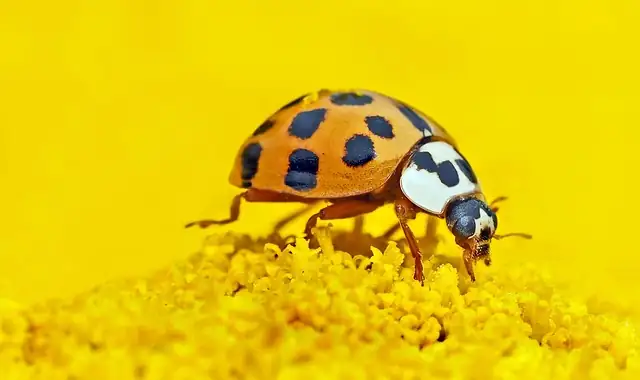
- Introduce Beneficial Insects: Lady beetles and lacewings love a good aphid snack.
- Wash Them Away: A steady stream of water can dislodge aphids effectively.
- Insecticidal Soap: Use this gentle solution for persistent problems.
Slugs and Snails
These mollusks love to munch on leaves, especially during damp conditions. Here’s how to deter them:
- Hand Removal: A little gross but effective—pick them off in the early morning or evening.
- Beer Traps: Slugs are attracted to beer; set a shallow dish in the garden and let them drown in their indulgence.
- Barrier Methods: Crushed eggshells or diatomaceous earth can deter slugs with their sharp edges.

Disease Dilemmas: Prevent and Protect
While Black-eyed Susans are generally easygoing, a few diseases can cause them distress. Let’s look at common issues and how to handle them:
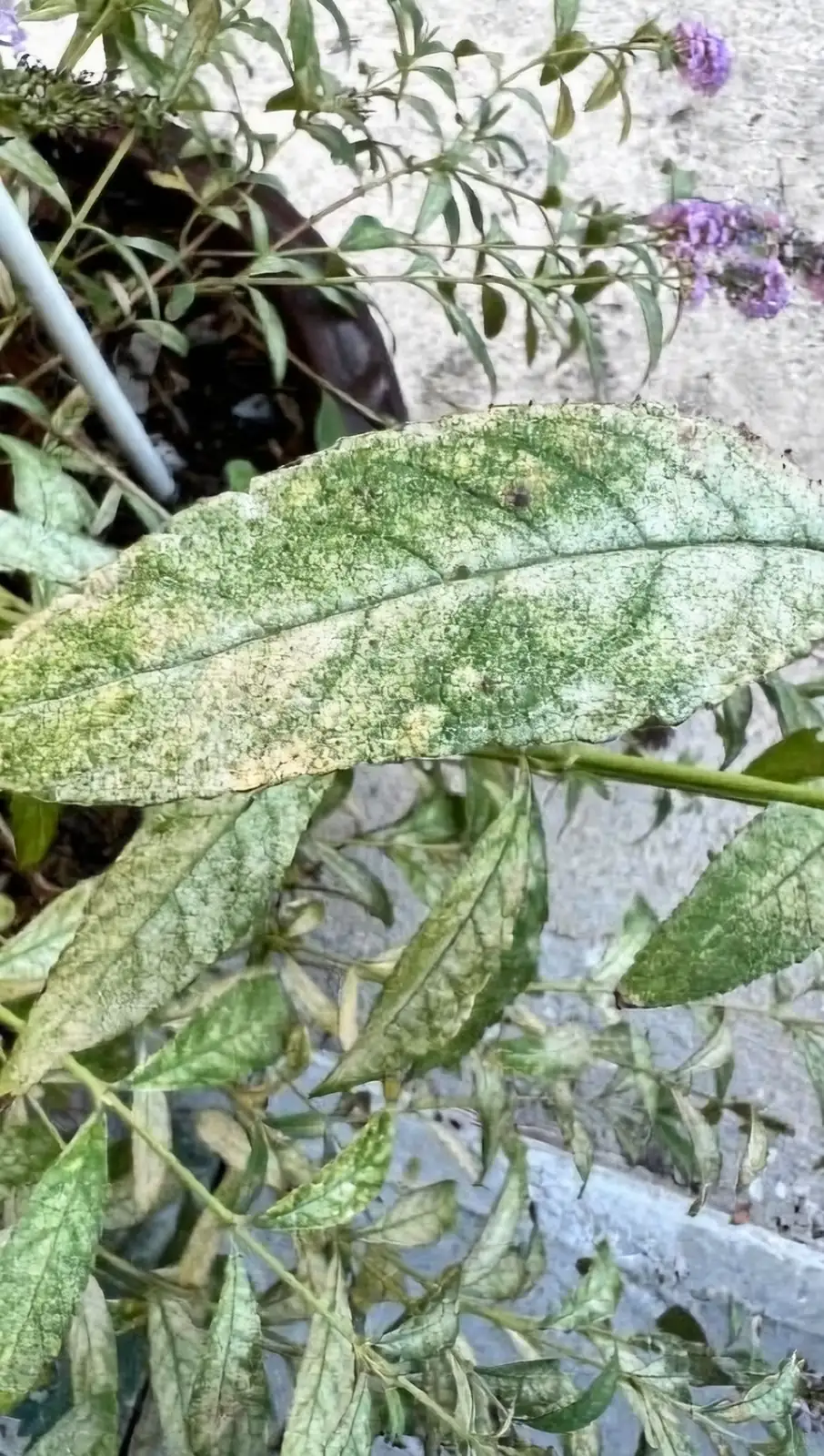
Powdery Mildew
This fungus appears as a white, powdery coating on leaves, often in humid conditions. To prevent and manage it:
- Increase Airflow: Space plants adequately and avoid overcrowding.
- Water Wisely: Water at the soil level to keep foliage dry.
- Fungicidal Sprays: Consider sulfur or potassium bicarbonate sprays if mildew persists.
Leaf Spots
These unsightly spots are caused by various fungi and thrive in wet conditions. Keep them at bay by:
- Removing Affected Leaves: Dispose of them to prevent further spread.
- Ensuring Good Drainage: Amend soil if necessary to improve drainage.
- Applying Fungicides: Products like thiophanate-methyl can be helpful—always follow the label instructions carefully.
Crown Rot
A more severe issue, this bacterial and fungal disease turns plant crowns to mush. It’s often signaled by a foul odor and wilting shoots. Combat this by:
- Removing Infected Plants: Uproot and dispose of them and surrounding soil to prevent spread.
- Improving Soil Conditions: Cultivate and aerate soil to promote drying.
- Mulch Management: Keep mulch away from crowns to reduce moisture retention.
Practical Tips for a Healthy, Happy Garden
- Sunshine and Space: Ensure your Black-eyed Susans get plenty of sun and room to breathe—six hours of sunlight at a minimum.
- Moderate Watering: Deep, weekly watering encourages strong roots but avoid soggy soils.
- Deadheading and Dividing: Regularly remove spent blooms to encourage more flowers and divide clumps every few years to maintain vigor.
The Language of Flowers: Black-eyed Susan’s Symbolism
In the language of flowers, Black-eyed Susans symbolize encouragement, motivation, and optimism—much like a steadfast friend cheering you on. Their resilience, flourishing even in challenging conditions, mirrors the encouragement they represent, making them a perfect gift for someone embarking on a new journey or overcoming challenges.
With these tips and insights, you’re well-equipped to champion the cause of your Black-eyed Susans, ensuring they continue to thrive and grace your garden with their sunny disposition. Happy gardening!