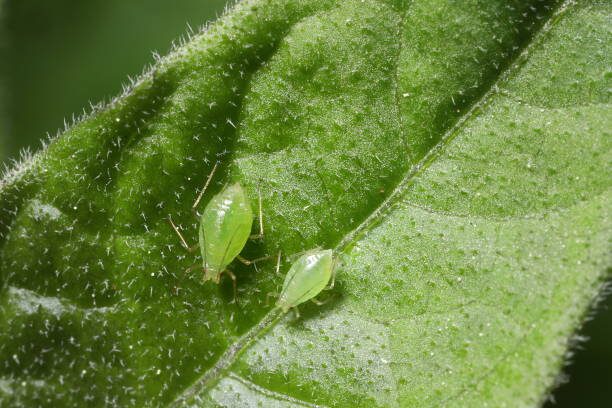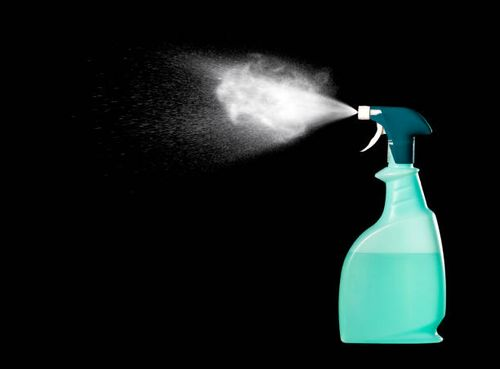
If you’ve found yourself battling unwanted insect invaders in your home, you’re not alone. Whether it’s ants marching across your kitchen counter or aphids feasting on your houseplants, choosing the right insecticide can be a game-changer. But with so many options available, how do you ensure you’re selecting a product that’s effective yet safe for your family, pets, and the environment? Let’s break down what you need to know to make informed choices.
Understanding the Basics: What Are Insecticides?
Insecticides are chemicals designed to kill or repel insects. They come in various formulations, including sprays, dusts, and baits, each suited for different situations and pests. However, it’s important to remember that all insecticides are toxic to some degree, so selecting the least harmful option is crucial.
Go Low: Choosing Less Toxic Options
When non-chemical methods like keeping your home clean and sealing entry points aren’t enough, it’s time to consider insecticides. But before you grab the first can you see, consider less toxic options. These products pose minimal risks to humans and the environment while still packing a punch against pests.
Some Less Toxic Choices Include:
- Horticultural Oils and Insecticidal Soaps: These are great for tackling soft-bodied pests like aphids and mealybugs on plants. Since pests don’t usually develop resistance to these, they’re a reliable choice. Just be cautious with their application under certain conditions like high temperatures or direct sunlight, as they can harm plants.
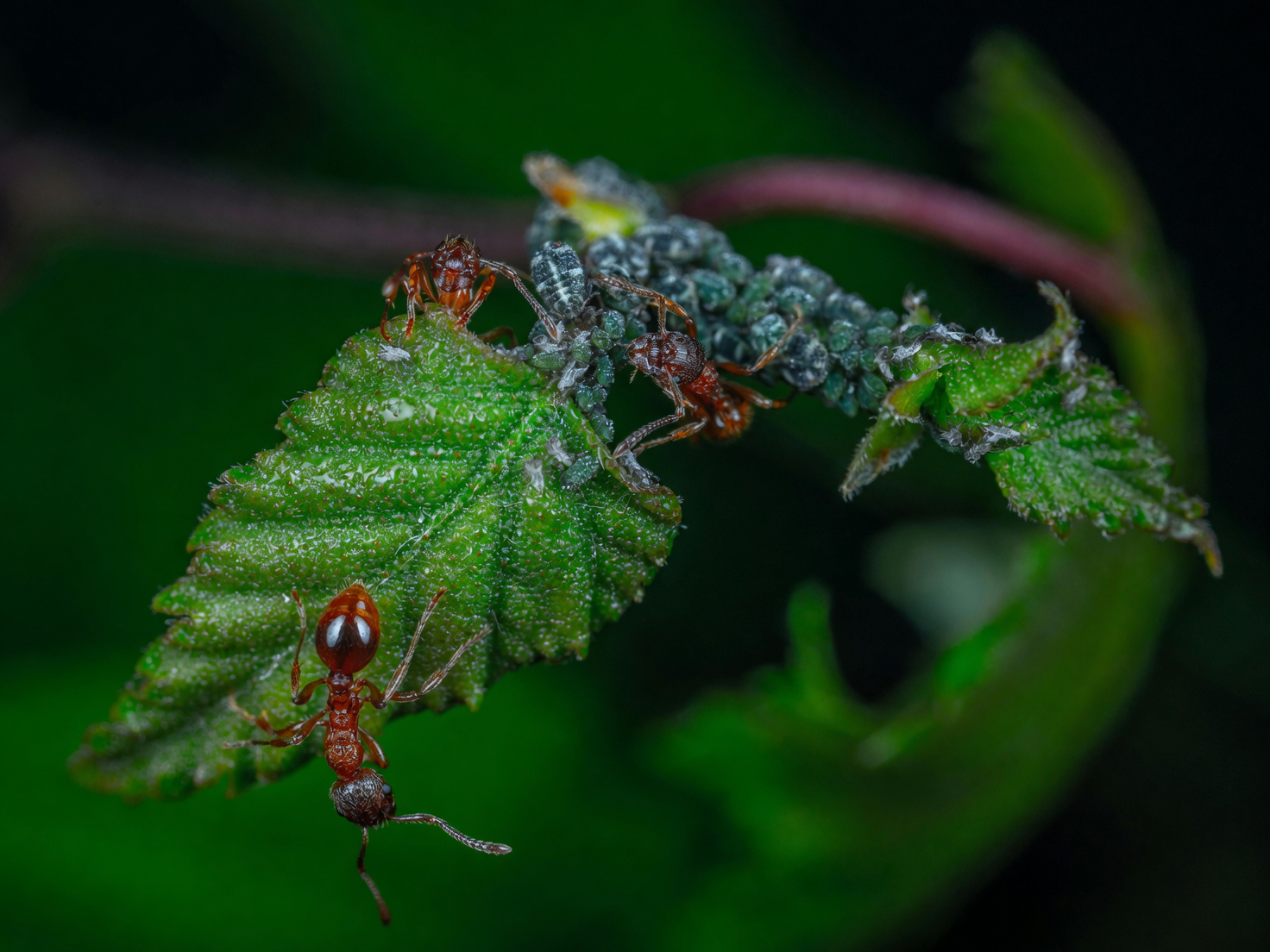
- Botanicals: Derived from plants, options like neem oil and pyrethrin can be effective. However, they should still be used with care, as some botanicals can be potent.
- Microbial Insecticides: Products like Bacillus thuringiensis (Bt) target specific pests and break down quickly in the environment, making them a safer choice for targeted pest issues.
Read the Label: Your Best Defense
One of the most crucial steps in using insecticides safely is thoroughly reading the product label. The label provides essential information on application methods, safety precautions, and storage instructions. Look for products labeled with “caution” as they are generally safer compared to those marked with “warning” or “danger.”

Safety First: Protecting Your Family and Pets
When using insecticides, keep safety at the forefront:
- Apply with Care: Use insecticides only where necessary and follow label instructions closely. Avoid applying them on windy days or before rain to prevent them from spreading unintentionally.
- Store Securely: Keep insecticides in their original containers, tightly sealed, and out of reach of children and pets.
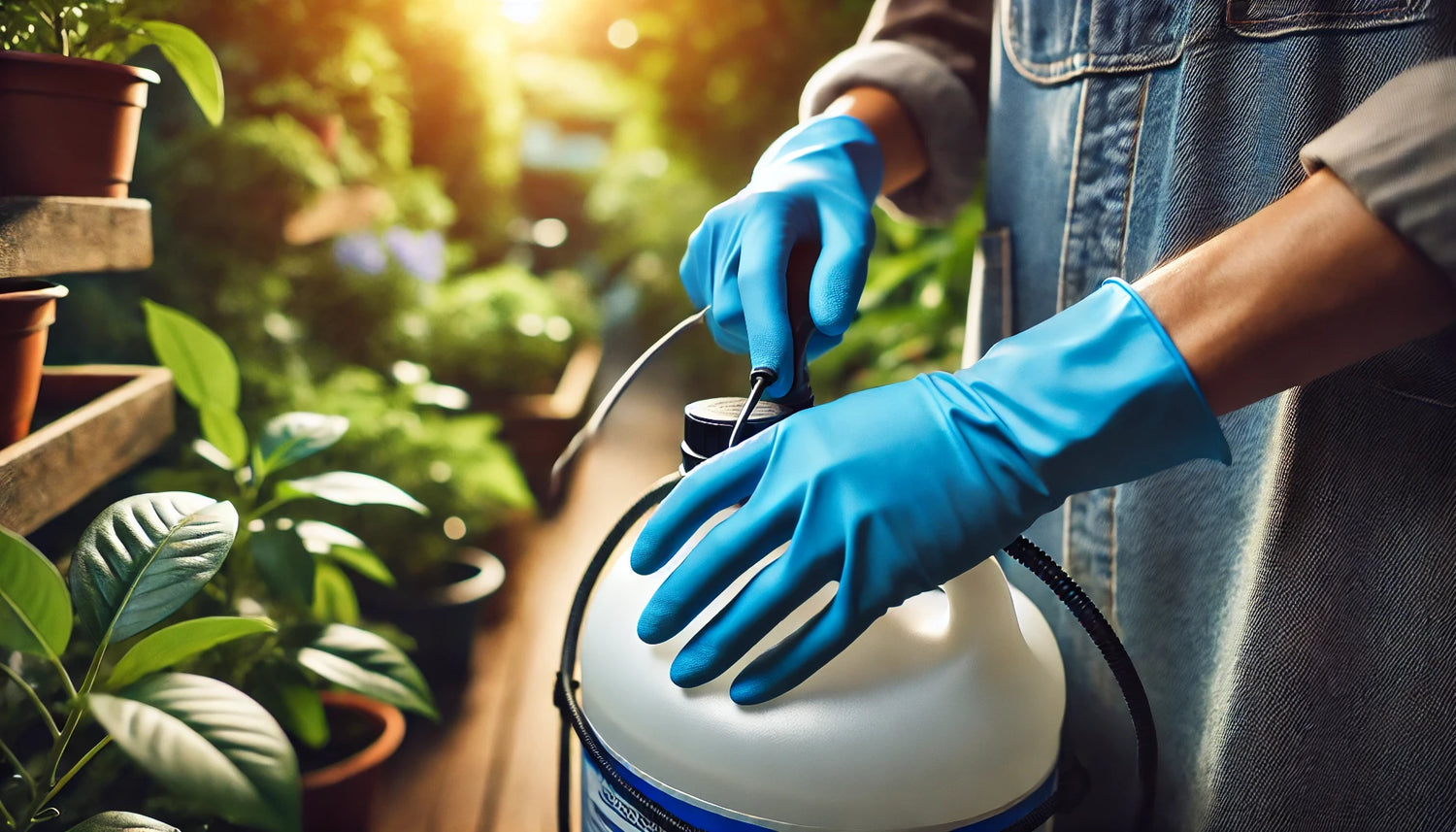
- Dress for Success: Wear protective clothing like gloves and eye protection during application to minimize exposure.
Practical Application Tips
- Spot Treatment: Focus on areas where pests are most active. For instance, apply bait stations for ants near their trails or entry points.
- Right Timing: Apply insecticidal soaps and oils during cooler parts of the day, like early morning or late evening, to prevent plant damage.
- Avoid Overuse: More isn’t always better. Using excessive amounts can lead to harmful residues on surfaces and plants.
Conclusion: Balancing Effectiveness and Safety
Choosing the right insecticide involves balancing effectiveness with safety. By opting for less toxic options, reading labels carefully, and applying products wisely, you can manage pest problems without compromising the well-being of your household and the environment. Remember, when in doubt, consult with local extension services or gardening experts for advice tailored to your specific situation. Happy pest busting!