The Pink Princess Philodendron: Your Guide to Pests and Diseases
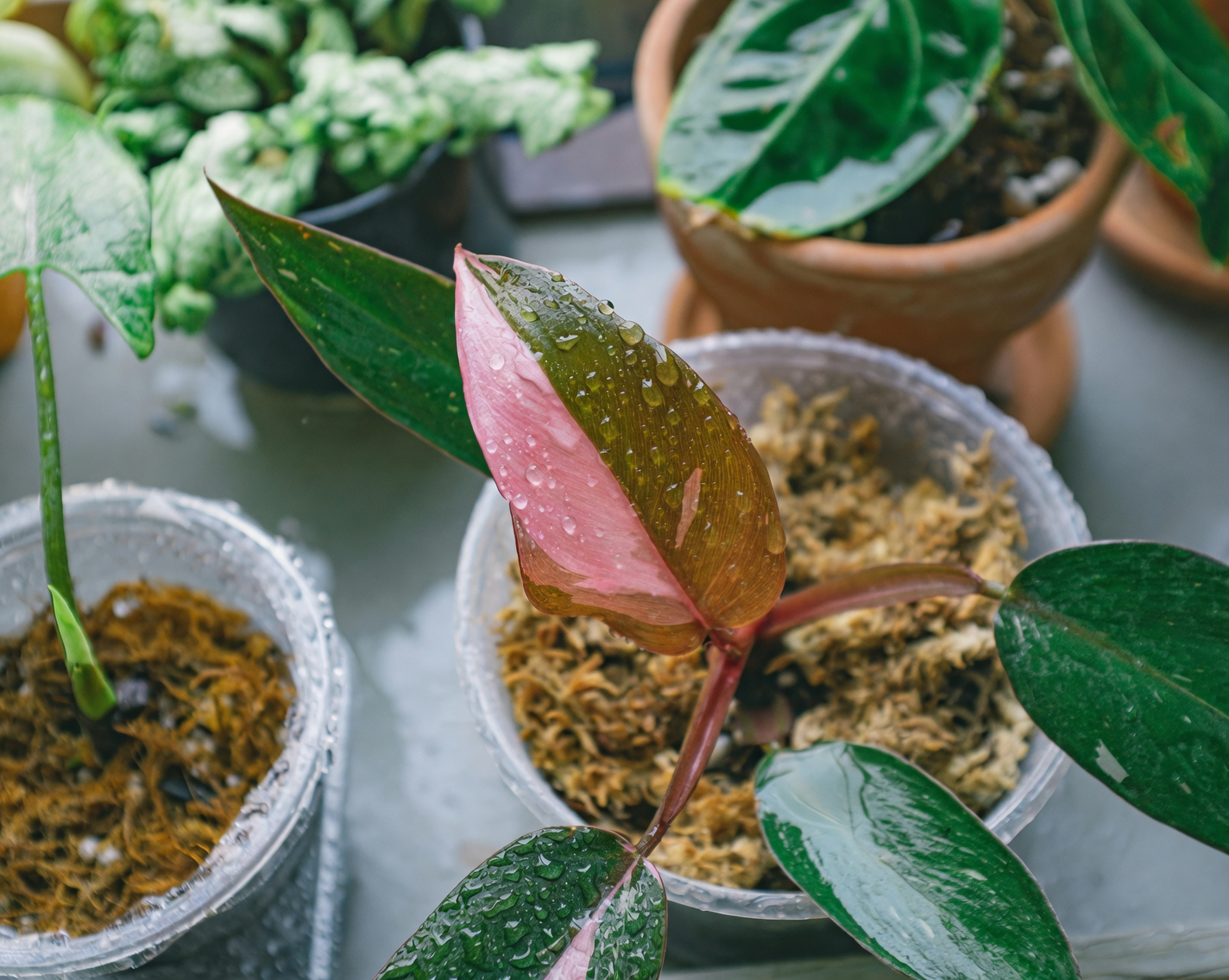
The Pink Princess Philodendron, or Philodendron erubescens ‘Pink Princess’, is a beloved staple in any houseplant enthusiast’s collection. Its stunning variegated leaves display unique pink patterns that make each leaf a one-of-a-kind masterpiece. But even this royal plant isn’t immune to the common pests and diseases that can plague houseplants. Fear not, fellow plant parent! With a bit of knowledge and vigilance, you can keep your Pink Princess healthy and thriving.
Common Pests: The Usual Suspects
- Mealybugs
Mealybugs resemble tiny cotton balls nestled in the leaf axils and along stems. These pesky critters are notorious sap-suckers, leaving behind sticky residue known as honeydew. If left unchecked, they can stunt your plant’s growth.
Treatment Tips:
- Dab the bugs with a cotton swab soaked in rubbing alcohol for a targeted approach.
- For infestations, consider insecticidal soap or neem oil.
- Spider Mites
Spider mites are microscopic nuisances that often go unnoticed until they’ve caused significant damage. Look for webs underneath leaves and stippling or discoloration on the foliage.
Treatment Tips:
- Increase humidity around your plant since spider mites thrive in dry conditions.
- Use a forceful spray of water to dislodge mites, then apply neem oil or miticides.
- Scale Insects
Scale insects appear as tiny bumps on stems and leaves, often mistaken for part of the plant. They excrete honeydew, leading to sticky leaves.
Treatment Tips:
- Remove scale by hand using a cotton swab with rubbing alcohol.
- Insecticidal soaps can be effective for larger infestations.
- Aphids
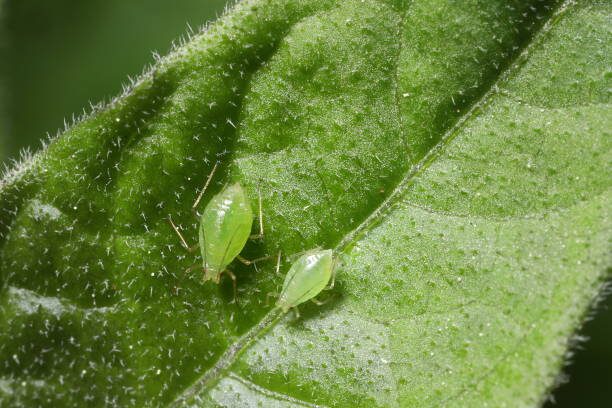
These small, soft-bodied insects come in various colors and often cluster on new growth. They’re known for distorting leaves and transmitting plant viruses.
Treatment Tips:
- Spray the plant with water to remove aphids.
- Apply insecticidal soap or introduce natural predators like ladybugs.
- Fungus Gnats
Annoying more than harmful, fungus gnats are small flies that hover around your plants. They’re usually a sign of overly moist soil.
Treatment Tips:
- Allow the top layer of soil to dry out between waterings.
- Use sticky traps or beneficial nematodes to control populations.
Disease Threats: Root Rot and Beyond
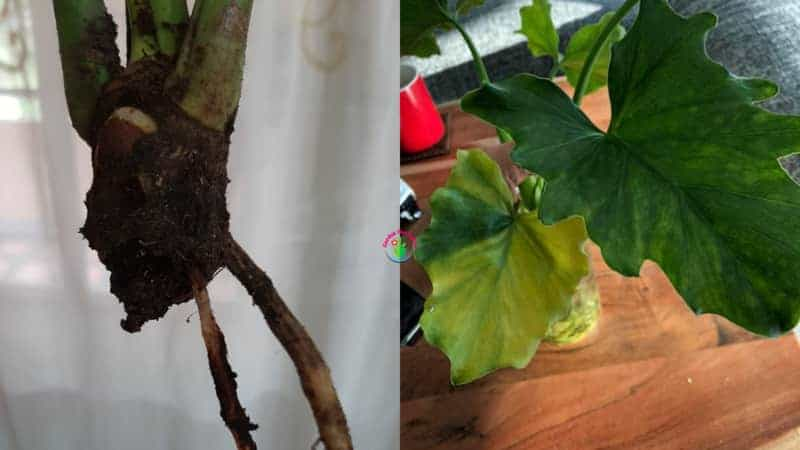
Root rot is the most prevalent disease affecting Pink Princess Philodendrons, primarily caused by overwatering or poor drainage. Roots sitting in soggy soil become mushy and black, leading to wilting or yellowing leaves.
Preventive Measures:
- Soil: Use a chunky, well-draining aroid mix containing peat, perlite, and orchid bark.
- Watering: Water only when the top half of the soil is dry. Ensure excess water can drain freely from the pot.
- Airflow: Maintain good airflow around the plant and avoid leaving foliage wet for extended periods.
Prevention is Key: Tips for a Healthy Pink Princess
- Lighting: Bright, indirect light is crucial. Too little light results in green-dominant leaves, while too much direct sunlight can scorch the delicate pink areas.
- Humidity: Keep humidity levels above 50% if possible. Use a humidifier, pebble tray, or group plants together to increase the ambient moisture.
- Regular Inspection: Make it a habit to inspect your plant weekly. Early detection of pests or diseases gives you a head start in managing them effectively.
- Proper Care: Follow a consistent care routine, including appropriate watering, fertilization, and pruning. Healthy plants are less susceptible to pests and diseases.
Conclusion
Caring for a Pink Princess Philodendron can feel like maintaining a masterpiece, but with attention and care, it can be a rewarding experience. Keep an eye out for signs of pests and diseases, and take swift action to address them. With these tips, your Pink Princess will continue to dazzle with its majestic hues and thrive in your indoor jungle. Happy planting! 🌿