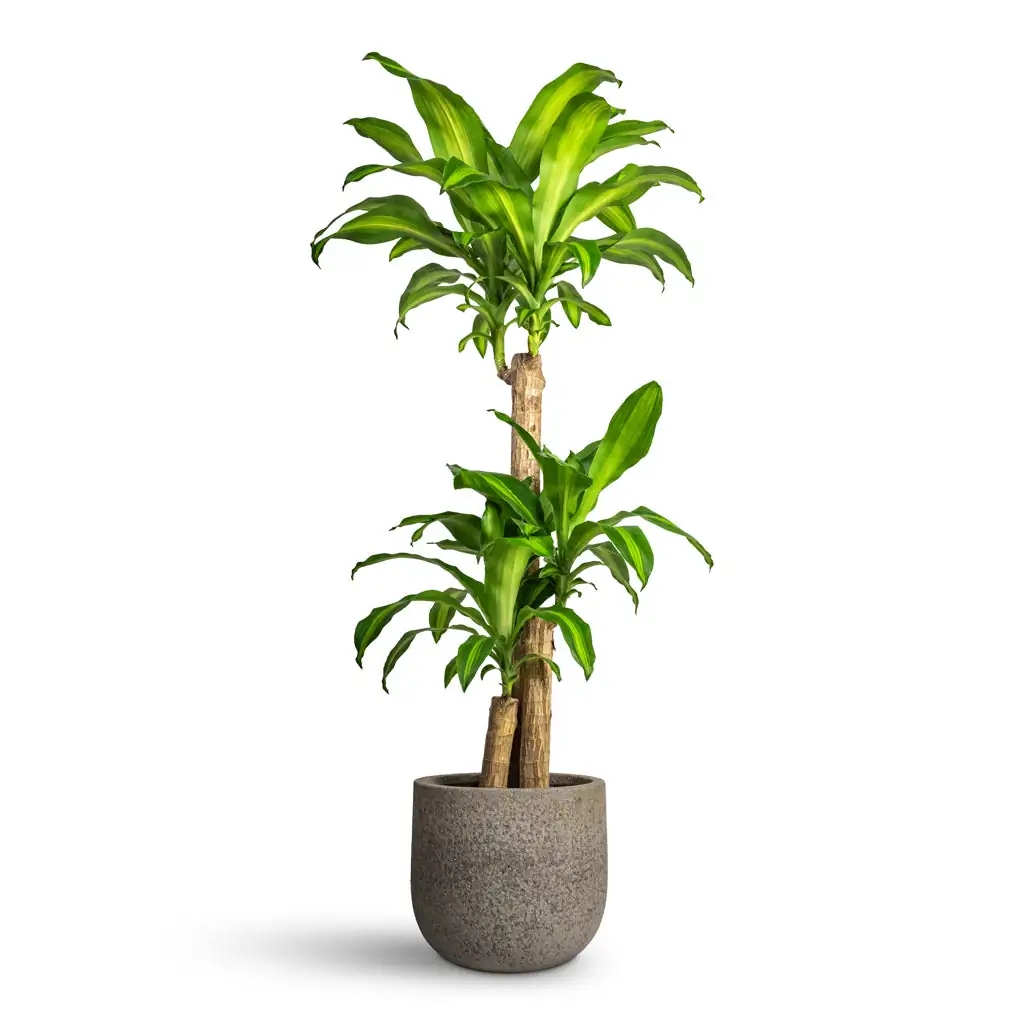
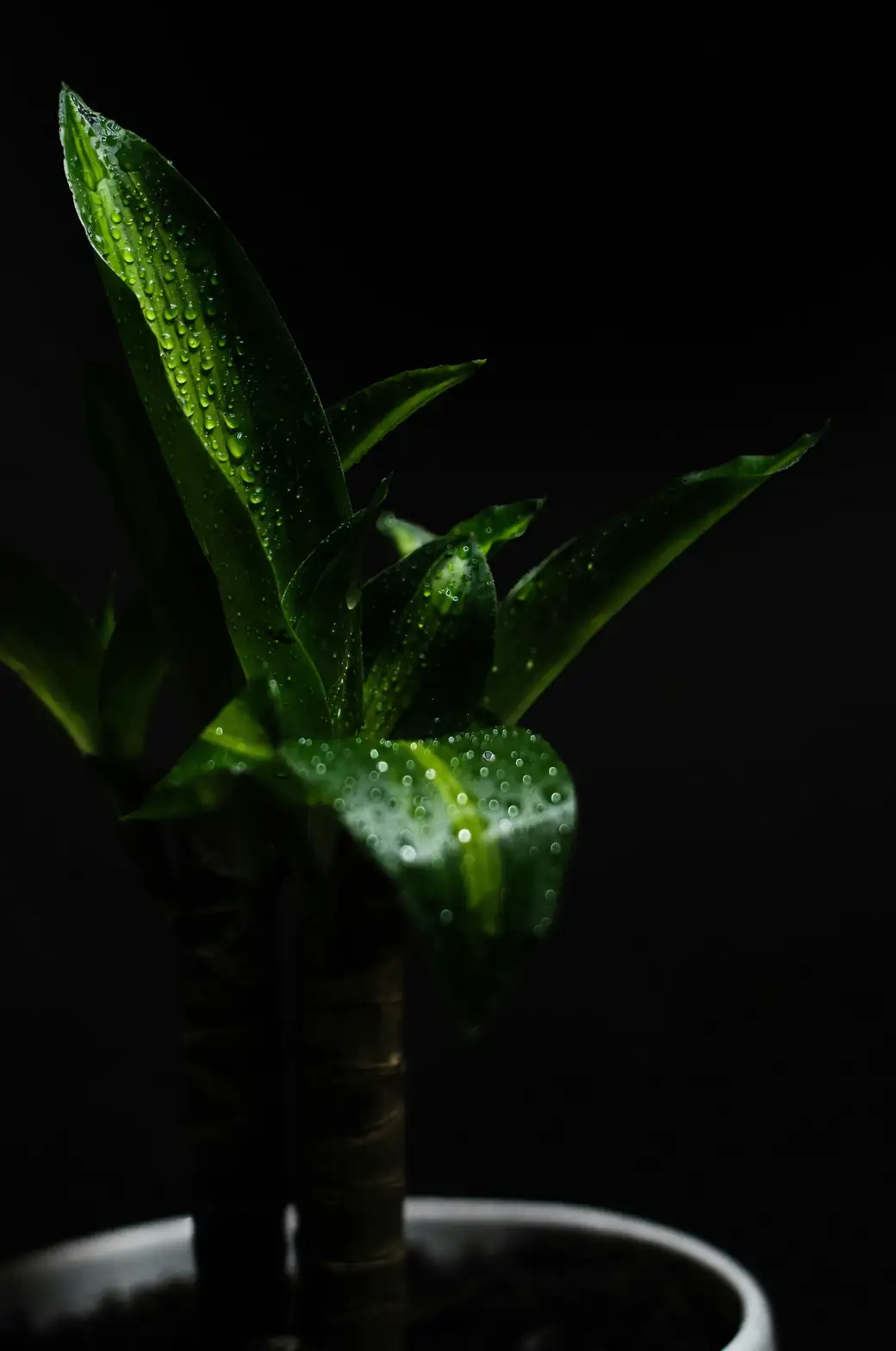
Imagine a plant that’s both a visual delight and a beacon of resilience—enter Dracaena fragrans, commonly known as the Corn Plant. This charming houseplant, with its glossy, sword-like leaves, is a favorite for brightening up homes and offices. But like any cherished companion, it requires a bit of care to keep it thriving. One of the challenges in maintaining a healthy Corn Plant is dealing with common pests and diseases. Let’s dive into the world of pest control and disease management to ensure your Dracaena fragrans remains the robust, green delight it’s meant to be.
Identifying Common Pests
Before you can tackle pests, you need to know what you’re up against. Here’s a guide to the most common nuisances that might target your Dracaena fragrans:
Scale Insects and Mealybugs
These tiny invaders can be quite a menace. Scale insects often appear as small, brown or tan bumps on the plant, while mealybugs resemble white, cottony masses. They both love to hide on the undersides of leaves and along the stems, feeding on the plant’s sap and weakening its vigor.
Combat Strategy: Regularly inspect your plant, especially the leaf axils and undersides. For minor infestations, wipe the leaves with a damp cloth. For more severe cases, consider using insecticidal soap or neem oil. Apply treatments every 5–7 days until the pests are eradicated.
Spider Mites
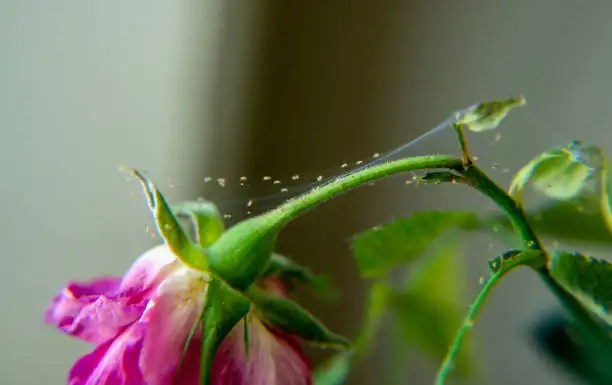
Though barely visible to the naked eye, spider mites can cause significant damage. They create tiny specks or spots on leaves, which can eventually lead to yellowing and leaf drop.
Combat Strategy: Spider mites thrive in dry conditions, so increase humidity around your plant. Spray the foliage with water to knock off mites and reduce dust. If they persist, insecticidal soap or neem oil can be effective treatments.
Aphids
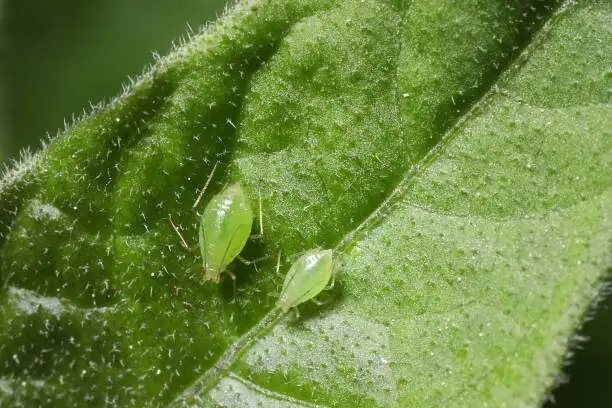
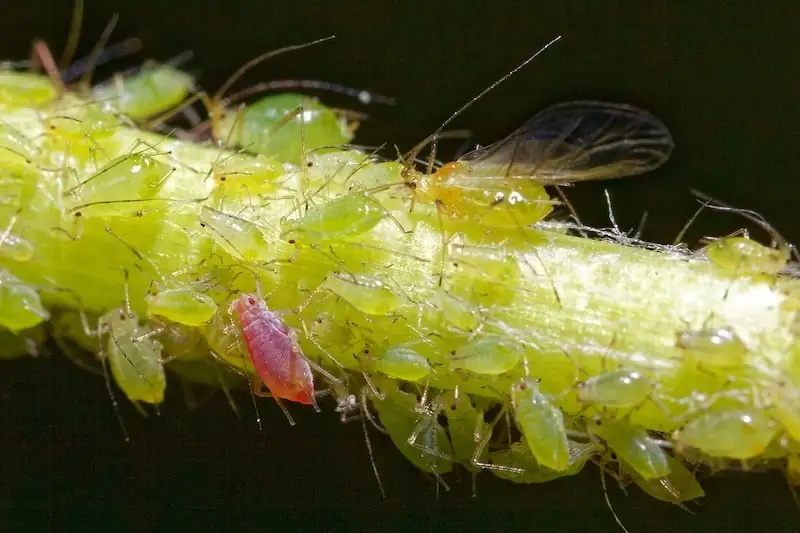
These small, soft-bodied insects can cause stunted growth and distorted leaves. Often found in clusters, aphids can also produce a sticky substance called honeydew, which attracts ants and encourages sooty mold growth.
Combat Strategy: A strong stream of water can dislodge aphids from your plant. For persistent infestations, use insecticidal soap sprays. Regularly check your plant to prevent aphids from returning.
Understanding Diseases
Just as with pests, diseases can challenge your Corn Plant. Thankfully, with proper care, they’re largely preventable.
Leaf Spot and Anthracnose
These fungal diseases manifest as brown spots or blotches on leaves. They often arise from persistently wet foliage and poor air circulation.
Combat Strategy: Keep your plant in a well-ventilated area. Ensure that the leaves dry quickly after watering by avoiding wetting them late in the day. Remove affected leaves promptly to prevent the spread of disease.
Root Rot
Overwatering can lead to root rot, a common issue that can severely damage your Corn Plant’s health.
Combat Strategy: Use a well-draining potting mix and ensure that excess water can drain away freely. Allow the topsoil to dry out between waterings, especially in cooler months.
Prevention Tips
The best way to deal with pests and diseases is to prevent them in the first place. Here are some habits to adopt:
- Inspect Regularly: Regular checks help you catch problems early.
- Maintain Proper Humidity: Dracaena fragrans thrives in moderate to high humidity; consider using a humidifier if your home is dry.
- Good Air Circulation: Ensure your plant has good airflow around it to prevent fungal diseases.
- Balanced Feeding: Over-fertilization, especially with high nitrogen, can make your plant more susceptible to pests. Feed lightly and only during the growing season.
Keeping Your Corn Plant Safe
While the Dracaena fragrans is a hardy plant, it’s important to note that it is toxic to pets if ingested. Symptoms can include vomiting and lethargy, so keep it out of reach of curious cats and dogs.
Conclusion
With the right care and a vigilant eye, your Dracaena fragrans can flourish, providing your home with greenery and a touch of elegance. By following these tips and strategies, you can enjoy a healthy Corn Plant that not only survives but thrives, enhancing your space with its resilient beauty. Remember, a little attention goes a long way in keeping your green companion happy.