


Unlocking the Culinary Magic of Pomegranates: From Juices to Savory Delights
Imagine biting into a jewel-like aril and experiencing a burst of tart-sweet flavor that tingles your taste buds. This is the magic of the pomegranate, scientifically known as Punica granatum and revered in culinary traditions worldwide. Native to regions stretching from southeastern Europe to the Himalayas, this fruit is not just a feast for the eyes with its vibrant red arils, but also a versatile ingredient in the kitchen. Let’s dive into how you can harness the unique flavors of pomegranate in your culinary creations.
The Art of Juice and Syrup
Pomegranate Juice: A Ruby Elixir
To extract the pomegranate’s essence, start with fresh, ripe fruits. Cut the pomegranate into quarters and gently separate the arils from the pith. A simple trick is to submerge the fruit in water, making it easier to dislodge the seeds without the mess. Once you have a bowlful of these glistening gems, blend them and strain the liquid to capture the pure juice. This juice is a refreshing drink on its own, but can also be the foundation for a variety of concoctions.
Pomegranate Syrup: A Touch of Sweetness
Transform your juice into a luscious syrup by simmering it with a touch of sugar and a squeeze of lemon. This syrup, known as grenadine in its purest form, is perfect for drizzling over pancakes, mixing into cocktails, or even as a glaze for roasted meats. Its balance of sweetness and tartness can elevate dishes from ordinary to extraordinary.
Savory Dishes: A Balance of Flavors
Pomegranate-Glazed Chicken
Combine the syrup’s sweet-and-sour profile with savory elements for a dish that sings with flavor. Marinate chicken breasts in a mix of pomegranate syrup, olive oil, garlic, and a sprinkle of rosemary. Roast until succulent, basting with the marinade for a glossy glaze. Serve with a garnish of fresh pomegranate arils and a side of couscous for a meal that captures the essence of Mediterranean cuisine.

Pomegranate and Walnut Salad
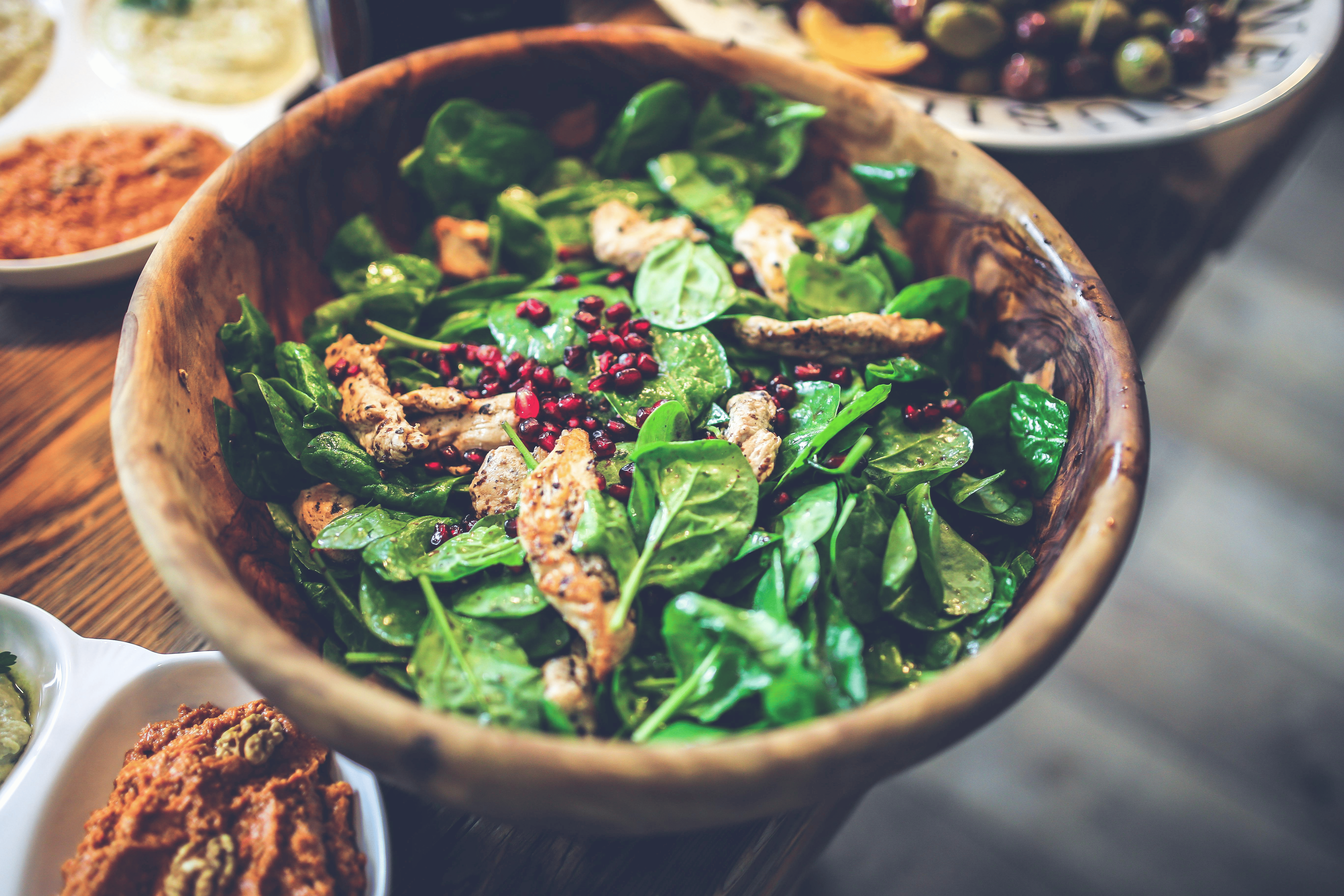
For a lighter fare, consider a salad that marries the crunch of walnuts with the juicy tang of pomegranate seeds. Toss arugula or spinach with sliced red onions, crumbled feta cheese, and toasted walnuts. Add a handful of pomegranate seeds for a burst of color and flavor, and dress with a simple vinaigrette of olive oil, lemon juice, and a splash of pomegranate syrup.
Culinary Traditions and Symbolism
The pomegranate has been cultivated since ancient times and often symbolizes abundance, prosperity, and fertility. Its rich history is mirrored in its culinary uses, where it has been a staple in traditional Middle Eastern dishes, from Persian fesenjan—a savory stew with pomegranate and walnuts—to Turkish muhammara, a spicy dip featuring pomegranate molasses.
Tips for Cooking with Pomegranates
- Selecting the Best Fruits: Look for pomegranates that feel heavy for their size and have a vibrant, unblemished skin.
- Storage: Store whole pomegranates in a cool, dry place for up to a month, or refrigerate for longer shelf life. Arils can be frozen for future use.
- Pro Tips: When deseeding, wear an apron to protect against the fruit’s staining juice, and use a gentle touch to avoid crushing the seeds.
Conclusion
Whether you’re new to cooking with pomegranates or a seasoned pro, this fruit offers a world of culinary possibilities. Its unique flavor profile can transform both sweet and savory dishes, making it a must-have in your kitchen arsenal. So go ahead, embrace the tart-sweet allure of pomegranates and let their vibrant flavors inspire your next culinary adventure!