
If your Pelargonium graveolens (aka Scented Geranium, Rose Geranium, “Mosquito Plant”) could text you, most SOS messages would read the same: too wet, too dim, too hot, or too crowded by tiny sap-suckers. The good news? This plant responds fast when you match its sun-loving, airy-soil preferences—and you don’t need a lab to diagnose problems. Here’s your quick-glance triage, then deeper, do-it-now fixes.
The 60‑second check
- Touch the soil: Is the top layer dry before you water? If it’s wet or clammy days after watering, overwatering/poor drainage is your main suspect.
- Read the light: Is it in full sun or the brightest window? Stretched stems, pale leaves, and few blooms point to low light.
- Feel the weather: In extreme heat, growth naturally pauses (semi-dormant). Water less, not more.
- Scan for pests: Check shoot tips, leaf undersides, and nodes for aphids, spider mites, whiteflies, or mealybugs.
- Look for blotches/fuzz: Spotty leaves or gray fuzz (Botrytis) = stagnant, humid air and wet foliage.
Fast diagnostics and fixes
Overwatering (the number-one issue)
How it shows
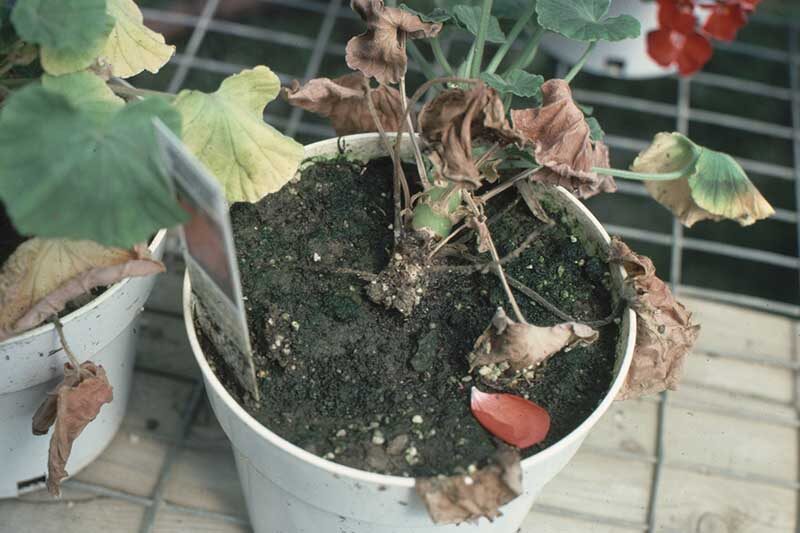
- Mix stays wet more than 2–3 days; leaves yellow from the bottom; stems feel soft; sudden leaf drop in hot spells; a sour smell from the pot.
- In severe cases, roots brown/black and mushy.
Immediate fixes
- Stop watering. Move to bright light with excellent airflow.
- If the pot is heavy and sodden, unpot gently. Trim brown, mushy roots. Repot into fresh, very free‑draining mix. Water once to settle, then wait until the top dries before the next drink.
- In high summer, water early morning only; never let the pot sit in a saucer of water.
Prevention
- Use a fast mix: light potting soil amended with coarse sand or perlite, or a loam-based blend of 2 parts garden loam : 1 part leaf mold/compost : 2 parts coarse sand (by volume).
- Let the top of the mix dry between waterings. Typical rhythm:
- Spring: about 2–3 times weekly
- Summer heat: reduce; soil should dry more between waterings
- Autumn: about 1–2 times weekly
- Winter: weekly or less, mid-day on bright days with room‑temperature water
Low light
How it shows
- Leggy, stretched growth, pale leaves, few or no flowers; older leaves yellowing in shade.
Immediate fixes
- Move to the brightest sun you have—outdoors in warm months, a south- or west-facing window indoors in cool months.
- Rotate the pot weekly for even growth. Pinch tips to encourage branching once the plant rebounds.
Prevention
- This is a sun-lover. Indoors, “bright room” isn’t enough; think “brightest window.” Outdoors, full sun with airflow is ideal.
Heat stress pauses (the midsummer “nap”)
How it shows
- In very hot spells, growth slows or pauses; leaves may yellow or drop; the plant looks unenthused.
Immediate fixes
- Provide bright shade or partial shade at the peak of the day and ramp up airflow (porch, balcony, a breezy window).
- Reduce watering while growth is paused. Water early mornings only. Pause heavy feeding.
Prevention
- Best growth is around 10–20°C (50–68°F). Keep above ~7°C (45°F) in winter; frost will damage it.
- Expect seasonal slowdowns and adjust water/feeding accordingly.
Pest quick-cures
Aphids
Spot the signs
- Clusters of soft green/black insects on shoot tips and buds; sticky honeydew; crinkled new growth.
Fast fix
- Pinch off heavily infested tips, then rinse the plant thoroughly (undersides, too).
- Treat with insecticidal soap or horticultural oil, repeating every 5–7 days until gone. Isolate the plant during treatment.
Prevention
- Keep growth compact with regular pinching; strong light and airflow discourage outbreaks.
Spider mites
Spot the signs
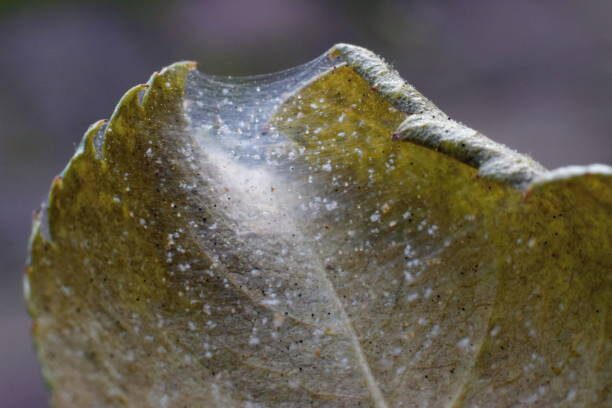
- Fine stippling on leaves, dulling to bronze; tiny webbing at nodes in dry heat.
Fast fix
- Rinse foliage thoroughly, especially undersides. Follow with insecticidal soap or horticultural oil. Repeat weekly until you see clean, glossy new growth.
- Improve airflow and keep dust off leaves.
Prevention
- Hot, still, dusty conditions trigger mites. Place in bright light with moving air; avoid chronic dryness paired with heat.
Whiteflies
Spot the signs
- Tiny white moth-like insects that fly up when the plant is disturbed; sticky residue may appear.
Fast fix
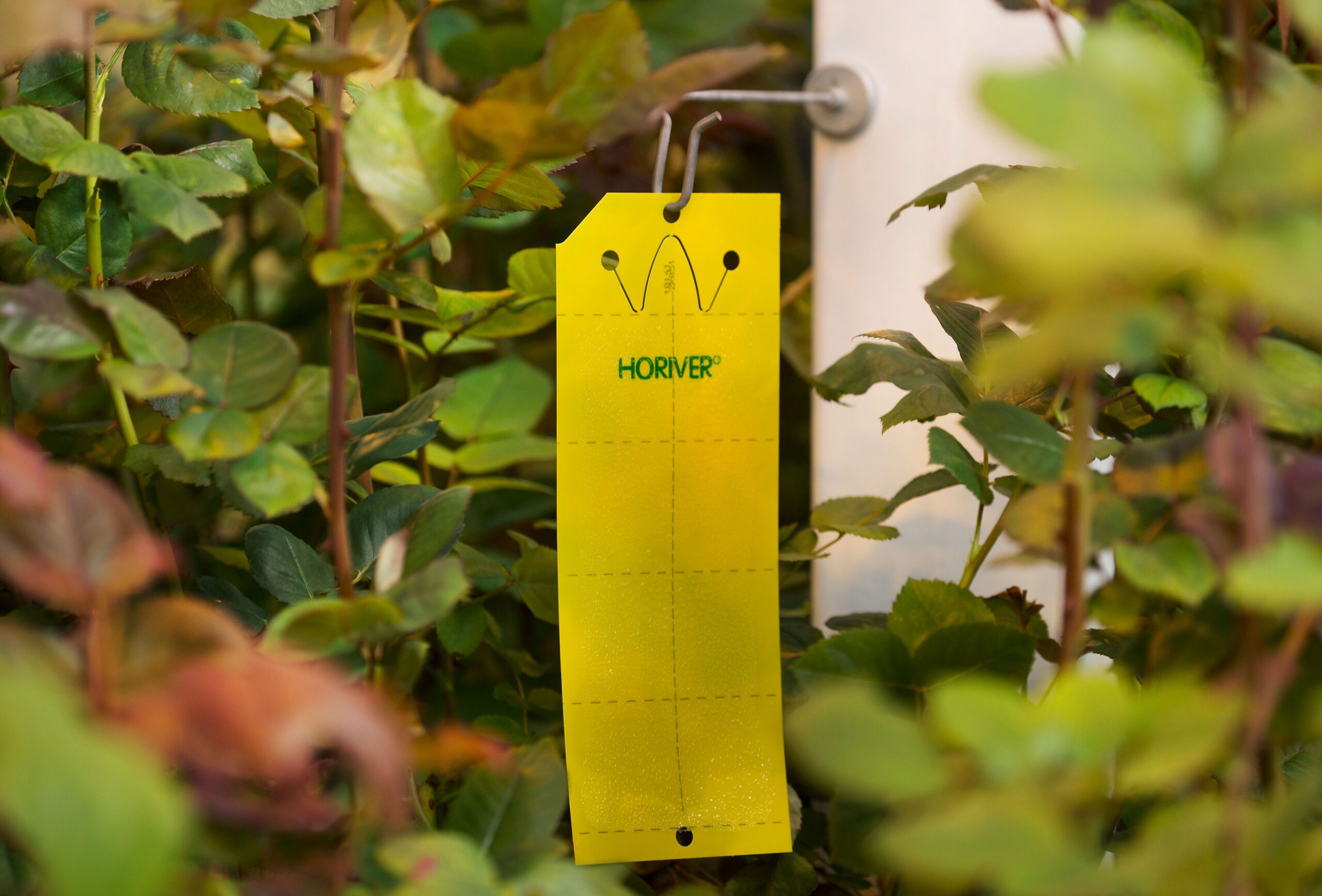
- Shake the plant to flush adults, then use yellow sticky cards as monitors and reducers.
- Rinse undersides, then apply insecticidal soap or horticultural oil. Repeat at intervals to catch hatching nymphs. Isolate until controlled.
Prevention
- Avoid overcrowding plants and stagnant, warm indoor corners. Quarantine new arrivals.
Mealybugs
Spot the signs
- Cottony tufts in leaf axils and along stems; sticky honeydew; distorted new growth.
Fast fix
- Dab visible mealybugs with a cotton swab dipped in isopropyl alcohol, then rinse.
- Follow with insecticidal soap or horticultural oil, repeating every 7–10 days. Isolate until clear.
Prevention
- Inspect regularly around nodes and under leaves. Avoid overfertilizing soft, sappy growth that pests love.
Disease fast-fixes
Botrytis blight (gray mold)
Spot the signs
- Gray, fuzzy mold on leaves, flowers, or stems—especially in cool, damp, still air.
Fast fix
- Remove affected tissues immediately and dispose of them—don’t compost. Clean your pruners.
- Improve ventilation and spacing; shift to bright, airy light. Water soil early in the day; keep foliage dry.
Prevention
- Avoid overhead watering, especially late. Don’t crowd plants. Keep humidity from staying high and stagnant.
Leaf spot
Spot the signs
- Discrete dark or tan spots that expand and coalesce in damp conditions; lower leaves often go first.
Fast fix
- Prune off spotted leaves; tidy debris from the soil surface.
- Increase airflow, water at the base, and avoid splashing.
- Check drainage—soggy mix makes matters worse.
Prevention
- Free‑draining soil, sun, and dry leaves are your best defenses.
Pro practices that prevent 90% of problems
- Soil and pot: Use a pot with large drainage holes and a fast, gritty medium. Scale pots up gradually; oversized pots stay wet longer.
- Watering rhythm: Water thoroughly, then wait for the top to dry. Never leave the pot standing in water.
- Light and placement: Full sun outdoors or your brightest window indoors. In extreme heat, switch to bright shade for a few hours at midday.
- Airflow: Think “breezy balcony,” not “stuffy corner.” Ventilation keeps pests and gray mold at bay.
- Feeding: During active growth (about April–September), feed every 10–14 days with a balanced liquid fertilizer. Pause or reduce feeding in winter and during heat‑pause spells.
- Pruning: Pinch tips at 12–15 cm tall to build a bushy, branching plant. Deadhead spent blooms and remove yellow leaves. Hard-prune by 1/3 to 1/2 in late winter if leggy.
- Repotting: About once a year—often late summer or after the main late‑winter prune. Trim long fibrous roots, refresh at least half the mix, water once, then let it recover in bright shade before returning to full sun.
- Seasonal care:
- Spring: ramp up water (2–3× weekly), start feeding, pinch for shape.
- Summer: expect a semi‑dormant pause in extreme heat—reduce water, add airflow/bright shade.
- Autumn: taper water (1–2× weekly); it’s a good window to repot.
- Winter: keep above 7°C (45°F), water sparingly on bright mid‑days, and avoid cold water on roots.
Emergency protocol for root rot or a plant that’s crashing
1) Unpot and inspect. Healthy roots are firm and pale; black or mushy roots must go.
2) Sterilize scissors and trim back to healthy tissue.
3) Rebuild with fresh, very free‑draining mix and a slightly smaller or equal-sized pot with open drainage.
4) Cut top growth back by up to half to balance reduced roots.
5) Water once, allow excess to drain, then hold watering until the top dries. Recover in bright shade with airflow for a week, then return to strong light.
Environment cheat sheet
- Sunlight: Full sun to very bright light; tolerates light shade. Indoors, brightest window only.
- Temperature: Sweet spot is 10–20°C (50–68°F). Protect from frost; keep above ~7°C (45°F).
- Humidity: Average is fine—avoid persistently humid, stagnant air and wet foliage.
Aromatic perks and a quick word on symbolism
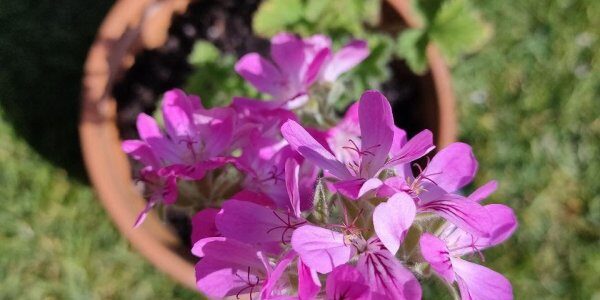
Brush the soft, lobed leaves and you’ll get the classic rose-leaning perfume that made this plant a staple near kitchen doors and balcony rails. Leaves can scent syrups, teas, and jams—just infuse and remove for a clean finish. As for “flower language,” scented geraniums have been linked with admiration, love, comfort, happiness, and the hope of reunion—meanings woven from Victorian-era floriography and later traditions rather than botany. Enjoy the sentiment, but let your plant’s vigor be the message you grow.
Safety notes
Low overall toxicity, but the fragrant oils can irritate sensitive skin. If pets or small children nibble a lot, mild stomach upset is possible. Keep it within sniffing distance, not chewing distance.
Bottom line
Give Pelargonium graveolens sun, a breezy perch, and soil that drains like a sieve. In heat waves, let it nap and keep the watering can on a leash. Catch pests early with a rinse-and-soap routine and keep leaves dry to dodge mold and spots. Follow local regulations and label directions for any pesticide you choose. Do that, and your windowsill “rose” will repay you with months of scent and charm.