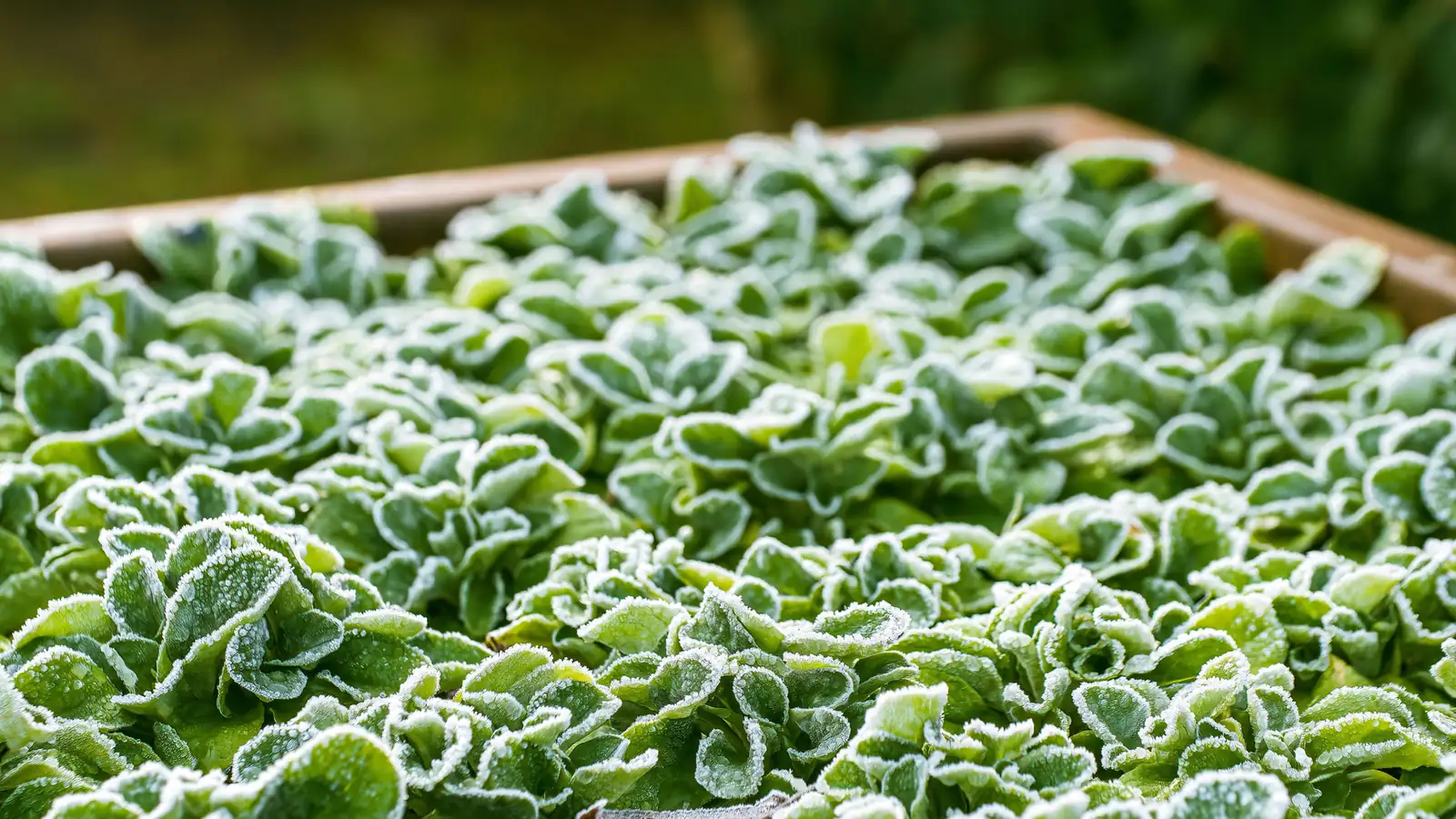
Sage is a Mediterranean sun-lover with a winter pet peeve: cold, stagnant moisture around its roots. If you garden where soils get soggy or freezes come and go, winter wet—not cold—is the usual culprit behind lost plants. Here’s how to set Salvia officinalis up for winter success: sharpen drainage, mulch with a light hand, and give containers the right shelter so roots stay dry, buffered, and alive.
Why winter wet is the enemy (and how sage actually copes with cold)
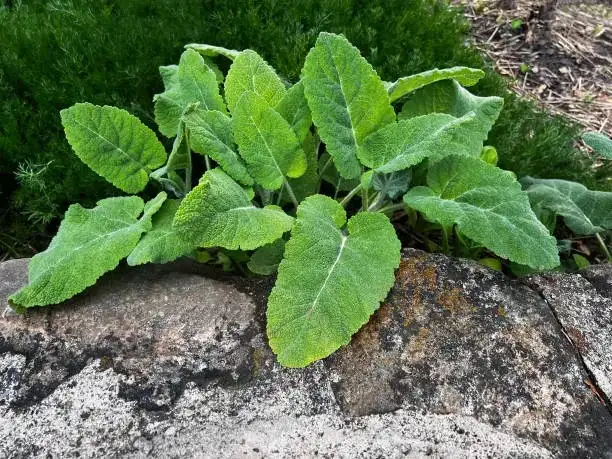
Common sage is an evergreen, woody subshrub from the Mediterranean. It thrives in lean, sharply drained soils and full sun, and it’s generally hardy across a wide range (USDA Zones 4–10, depending on cultivar and conditions). Cold snaps on their own are often fine once plants are established. Trouble begins when:
- Water sits at the crown or around roots, then freezes and thaws.
- Heavy soils hold winter moisture.
- Container roots are exposed to repeated freeze–thaw cycles and waterlogged potting mix.
Think of sage like a mountain hiker: it’s dressed for wind and chill, but hates wet socks. Keep its “feet” dry and it will shrug off much of winter.
Ground-grown sage: build drainage before the first frost
Choose a sunny, fast-draining position
- Full sun (6+ hours) builds sturdy, flavorful foliage and helps surfaces dry faster after rain.
- Avoid low spots, downspouts, and areas where meltwater pools.
- In hot-summer regions, light afternoon shade is fine—deep shade is not.
Improve the soil structure
Sage doesn’t need rich soil; it needs air around the roots.
- Loosen the planting area broadly rather than digging a tight hole.
- Blend in coarse mineral material—sharp grit or coarse sand—especially if your soil is clay-heavy. This opens pore spaces and speeds winter drainage.
- Keep organic matter modest; too much water-holding compost creates sponges where you want sieves.
Plant high and keep the crown dry
- Plant on a gentle mound or a low berm so water moves away from the crown.
- In very heavy soils, consider a raised bed filled with a free-draining mix.
- Space plants so air moves freely; good airflow helps leaves dry and reduces powdery mildew in humid spells.
Pruning before winter: less is more
- Do only light tidying in autumn. Avoid hard cuts into old, leafless wood before cold weather—sage resents it and may not reshoot.
- Plan your shaping/light rejuvenation for mid-to-late spring once growth resumes.
Mulch, but do it the Mediterranean way
Mulch is insulation—and like a warm scarf, it’s helpful when used correctly and harmful when it traps moisture against the throat.
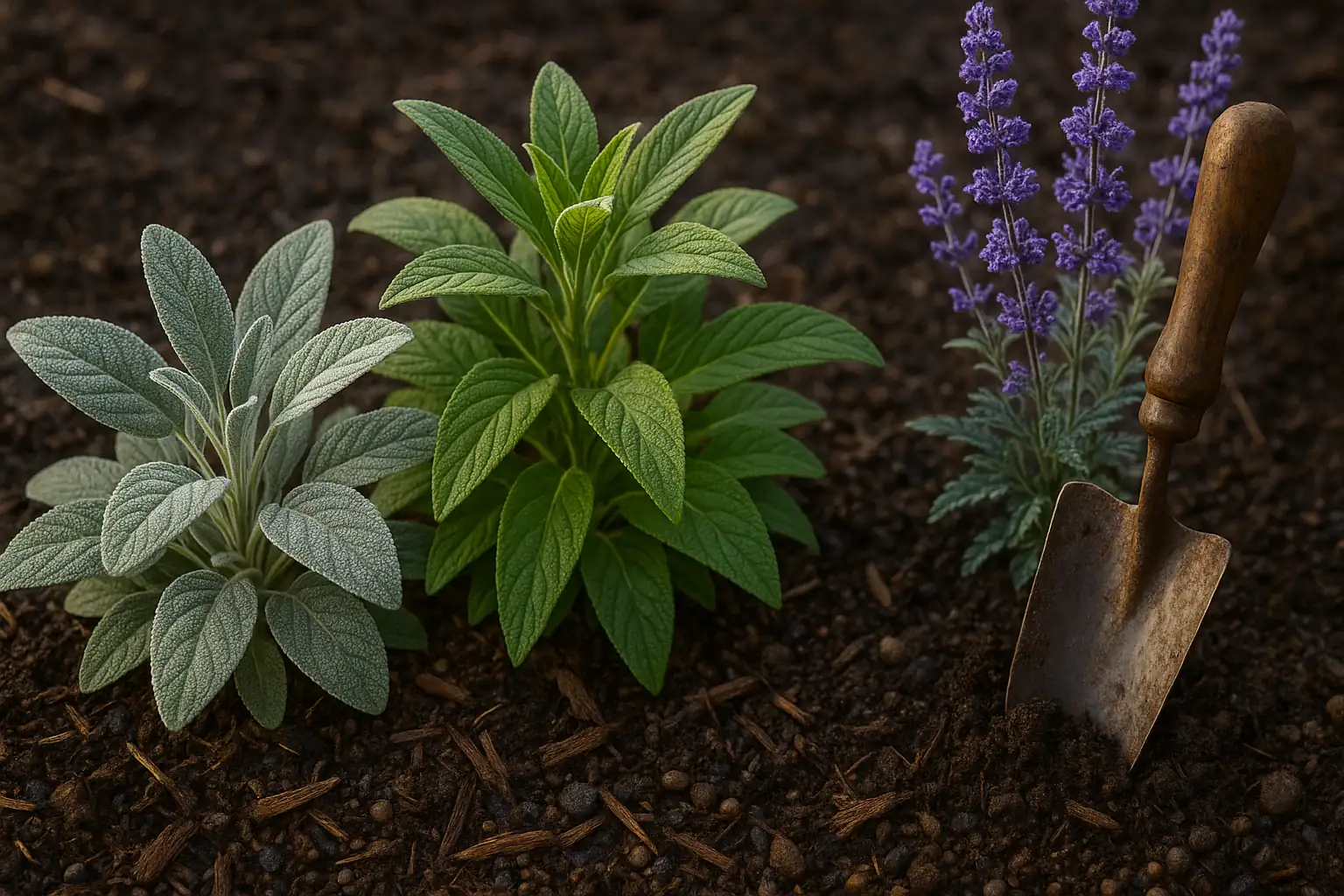
- Keep the crown bare. Never pack mulch up around stems; leave a “dry collar” around the base.
- Use mineral mulch close to the plant. A thin ring (2–3 cm) of gravel or grit around the crown sheds water and keeps splash off the foliage.
- If you want extra root insulation in colder climates, apply a light organic mulch (e.g., chipped bark or shredded leaves) beyond the bare crown zone, only after the ground has cooled. Aim for about 5 cm in average conditions. In very cold areas, you can increase thickness farther from the crown. The goal: insulate the soil, not smother the plant.
- In late winter, check that mulch hasn’t crept in toward the stems after wind or snow.
Container sages: protect roots from cold and soggy compost
Pots are both a blessing and a hazard. They drain well, but roots are more exposed to temperature swings and winter wet.
Start with the right pot and mix
- Size: Use at least a 30 cm (12 in) wide and deep pot with generous drainage holes.
- Material: Plastic, fiberglass, or composite containers buffer roots and resist freeze cracking better than clay or glazed ceramic.
- Mix: Use a free-draining, peat-free potting mix and blend in grit—up to about 25% by volume—to keep the root zone airy. Avoid moisture-retentive blends.
Watering in winter
- Water sparingly. Let the top 2–3 cm (about 1 in) dry before watering again, and water less frequently as days shorten.
- Never let saucers hold water in winter. Elevate pots on feet to keep the drainage holes clear.
Where to park pots for winter
Think “bright, dry, and sheltered.”
- Slide pots under wide eaves, a covered porch, or beside a sunlit wall where rain is reduced and radiant warmth moderates nighttime lows.
- Group containers together to create a shared microclimate; place the most vulnerable in the center.
- For extra insulation, wrap the outside of the pot with burlap or bubble wrap (not the foliage), or “double pot” by slipping the planted pot into a slightly larger one with insulating material (dry leaves, straw) between.
- In very cold regions, “pot-plunge” into a well-drained bed: sink the pot so the rim sits at soil level, which stabilizes temperature and reduces wind exposure. Choose a site that doesn’t flood.
- If a brutal cold snap is forecast, throw a frost cloth over the plant overnight and remove it during the day for light and airflow.
The container rule of thumb for cold
Because roots in pots feel cold more intensely than roots in the ground, gardeners often treat potted perennials as if they were two USDA zones less hardy than their rating. For hardy sages, this often means just adding shelter and insulation rather than hauling them indoors—especially if winter wet is controlled.
Bringing containers indoors (only if you can give bright light)
- Sage can overwinter in a very bright, cool spot (a sunny south-facing window, conservatory, or unheated greenhouse with good light).
- Keep watering minimal and airflow good to deter powdery mildew.
- Avoid warm, dim rooms—sage will sulk and stretch.
Rain management: keeping the crown dry without starving the plant of light
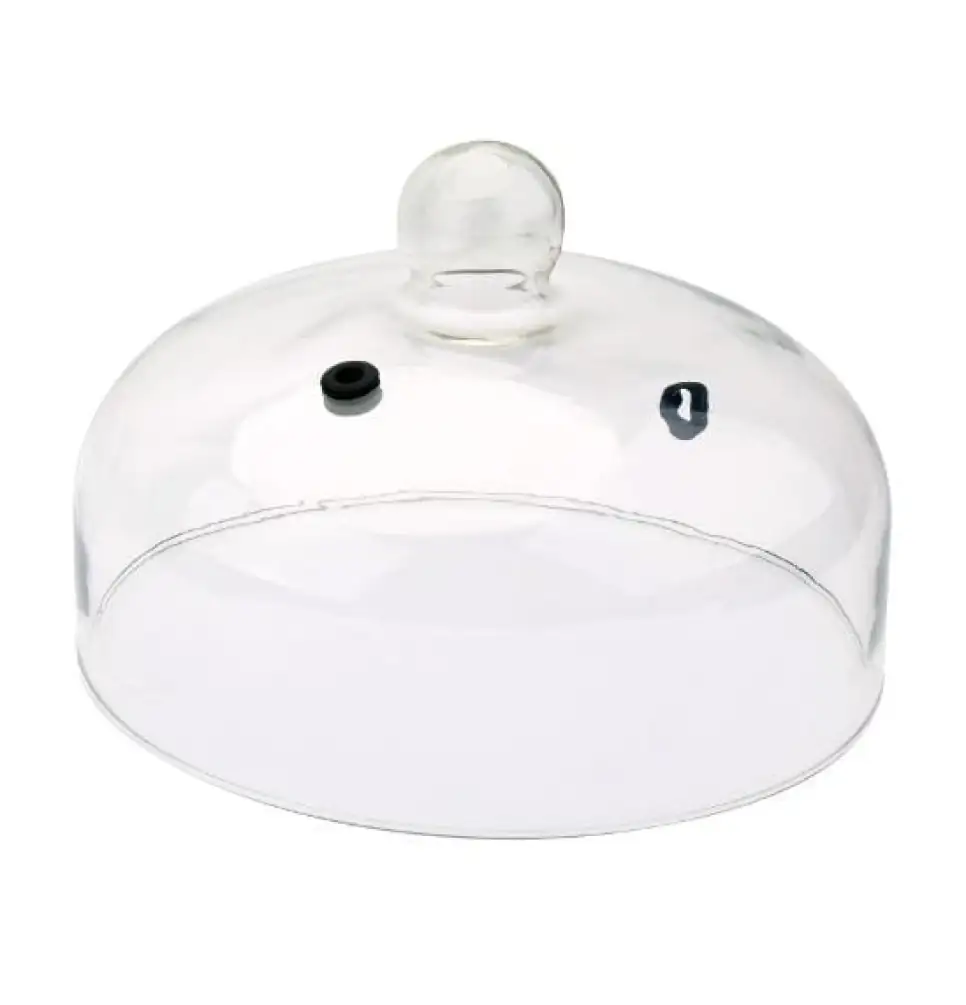
- Use temporary, clear covers: A simple cold-frame lid, cloche, or lean-to of clear polycarbonate can shed rain while letting in light. Vent on mild days.
- Aim water away: Redirect downspouts and avoid drip lines that dump water on your sage.
- After heavy rains, gently loosen crusted soil and brush water-splashed debris off the crown.
A simple seasonal plan for winter success
Late summer to early autumn
- Check drainage. Top up grit around the crown, refresh pot feet, and make sure containers aren’t sitting in saucers full of water.
- Ease off watering and stop feeding. Sage prefers to harden off going into winter.
- Take note of airflow; trim only lightly to tidy.
After the first hard frost
- Mulch smartly: leave the crown bare, add a gravel ring, then place a modest organic mulch beyond that zone if needed for insulation.
- Move pots to sheltered positions under eaves or against sunny walls. Group and insulate pots.
- Consider pot-plunging if repeated deep freezes are common.
Deep winter
- Water sparingly during thaws; let the surface dry between drinks.
- Shake off heavy snow from branches to prevent breakage, but don’t expose the crown to buried, soggy mulch.
Early spring
- Remove any wind-blown mulch crowding the crown.
- Resume light watering as growth restarts.
- Lightly prune in mid-to-late spring to encourage bushy new shoots; avoid cutting back into hard, leafless wood.
Troubleshooting winter woes
- Yellowing, limp leaves in cool weather: Often a drainage or overwatering issue. Check for clogged pot holes, soggy soil, or mulch snuggled up to the crown. Let the mix dry and improve drainage.
- Powdery mildew in mild, humid spells: Increase sun and airflow; thin very lightly if crowded and avoid overhead watering. It’s usually a sign of stagnant air and damp leaves.
- Dead patches after a wet freeze–thaw: Cut back only to living wood in spring. Focus on drainage upgrades, not fertilizer. Many plants bounce back once the root zone is drier and warmer.
Extra insurance in cold–wet climates
- Layering is an easy autumn backup. Pin a low, flexible stem to gritty soil so it roots; you’ll have a spare plant by spring without stressing the parent.
- Replace very old, woody plants every few years or refresh from cuttings in the growing season. Younger plants establish quickly and handle winter better when drainage is right.
Quick choices that make a big difference
- Do:
- Plant high or in raised beds.
- Use grit to open heavy soils.
- Keep crowns mulch-free; use gravel right around the base.
- Shelter containers under eaves and elevate them on pot feet.
- Water sparingly in winter.
- Don’t:
- Bury stems in mulch.
- Leave pots in saucers of water.
- Hard-prune in autumn.
- Park containers where downspouts or roof drip soak them.
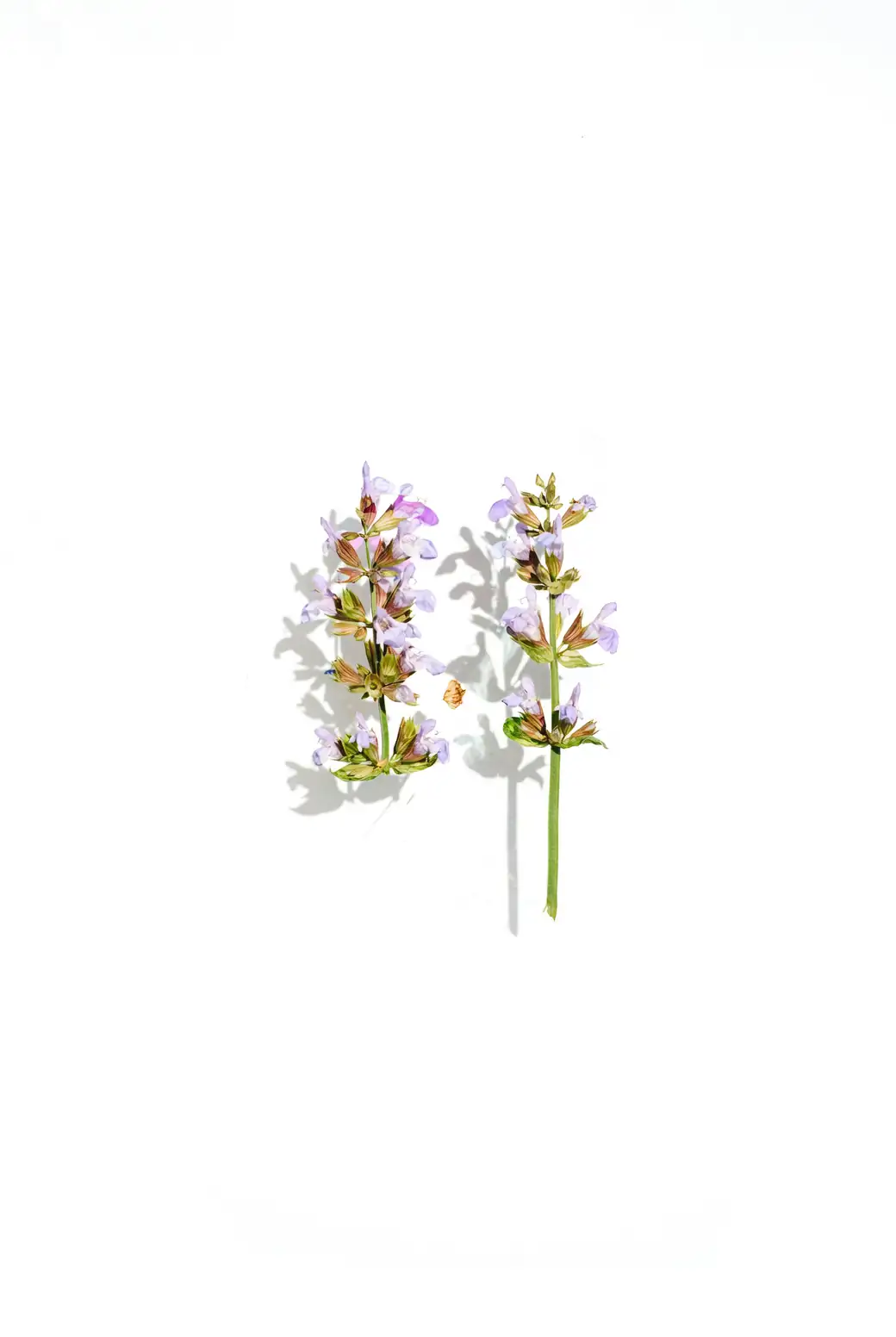
When you think like a Mediterranean hillside—lots of sun, lean soil, fast drainage—sage rewards you with evergreen leaves, a steady winter presence, and a flush of nectar-rich flowers from early to late summer. Keep the roots dry and the crown breathing, and your Salvia officinalis will sail through winter with quiet confidence.