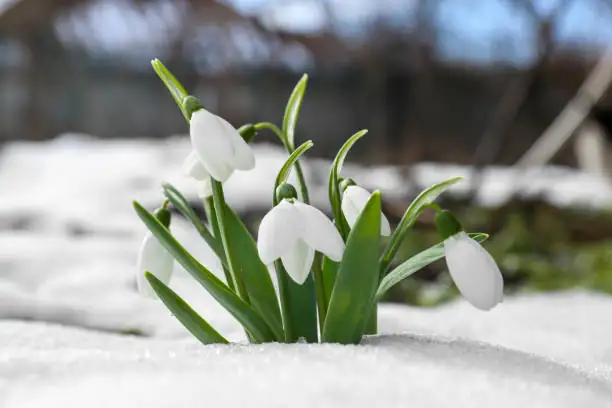
When winter is at its quietest, Galanthus nivalis—the common snowdrop—rings in the season with delicate, nodding bells of white. In pots, these tiny heralds of hope are unmatched for bringing life to stoops, windows, and doorways from January through March. With the right moisture, drainage, and a simple post-bloom plan, your container snowdrops can keep performing for years—first as cool-season stars, then as naturalized clumps in the garden.
Meet the snowdrop in brief
- Botanical name: Galanthus nivalis (family Amaryllidaceae)
- Common names: Snowdrop, February Fairmaids
- Habit: Hardy, perennial bulbs forming clumps over time via offsets
- Size: Typically 7–15 cm (3–6 in) tall
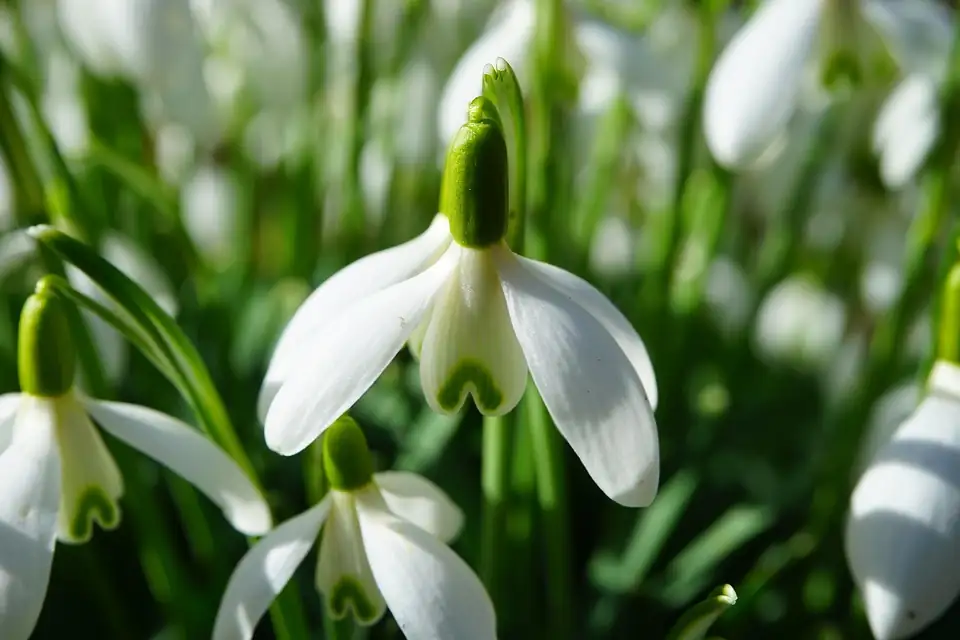
- Flowers: One nodding white bloom per stem; three large outer tepals and three smaller inner segments marked with charming green spots
- Season: Late winter to early spring (often January–March)
- Site: Sun in early spring; part shade later (ideal under deciduous shrubs/trees)
- Hardiness: USDA Zones 3–7 (often into Zone 8 in cool-summer sites)
- Best planting method: “In the green” right after flowering for quick establishment
Moisture and drainage musts (the secret to happy snowdrops in pots)
Snowdrops ask for two seemingly opposite things—steady moisture during active growth and strict avoidance of waterlogging. The key is a humus-rich mix that drains freely but doesn’t dry out too fast.
- Container essentials
- Use a frost-proof pot with generous drainage holes; elevate on pot feet to stop water collecting.
- Avoid deep saucers in wet spells—empty them promptly.
- In very cold climates, group pots against a north or east wall for wind protection; the root zone in containers is more exposed than in-ground.
- Potting mix recipe (peat-free and bulb-friendly)
- 2 parts high-quality, fine-textured compost
- 1 part leaf mould or composted bark (for humus and moisture-holding)
- 1 part sharp grit, perlite, or pumice (for rapid drainage)
- Optional: a small handful of limestone chips or a dusting of garden lime if your compost is acidic—snowdrops are often happiest in neutral to alkaline, humus-rich conditions.
- Top-dress with 0.5–1 cm of horticultural grit to keep the necks and surface drier and the display crisp.
- Watering rhythm
- After planting, water thoroughly to settle the mix.
- Through late winter and spring, keep the compost lightly and evenly moist—never sodden.
- Once leaves begin to yellow after flowering, gradually reduce watering.
- During summer dormancy, err on the drier side and absolutely avoid waterlogged pots.
- Feeding
- Snowdrops are light feeders. Use a low-dose, balanced bulb fertilizer just as shoots emerge or right after flowering.
- Avoid heavy feeding; foliage needs to photosynthesize to recharge bulbs—don’t cut it early.
Step-by-step: potting up Galanthus nivalis
- If you’re planting “in the green” (fresh, leafy clumps after bloom):
- Fill the pot with your prepared mix to the desired planting depth.
- Plant clumps so the white bulb necks sit about 3–5 cm (1–2 in) below the surface and at the same depth they were growing.
- Tuck roots in gently, keep clumps together, and firm lightly.
- Water to settle; finish with a grit mulch.
- If you’re planting dry bulbs (autumn):
- Plant about 7–8 cm (3 in) deep and a few centimeters apart for a natural look. Water once to settle, then sparingly until cold, damp weather arrives.
- Light and placement
- Place containers where they get bright late-winter sun or dappled light—under leafless shrubs/trees or at a cool front step.
- Indoors is not ideal; if purchased flowering from a garden center, acclimate outdoors quickly to cool, bright conditions.
Container recipes for cool-season sparkle
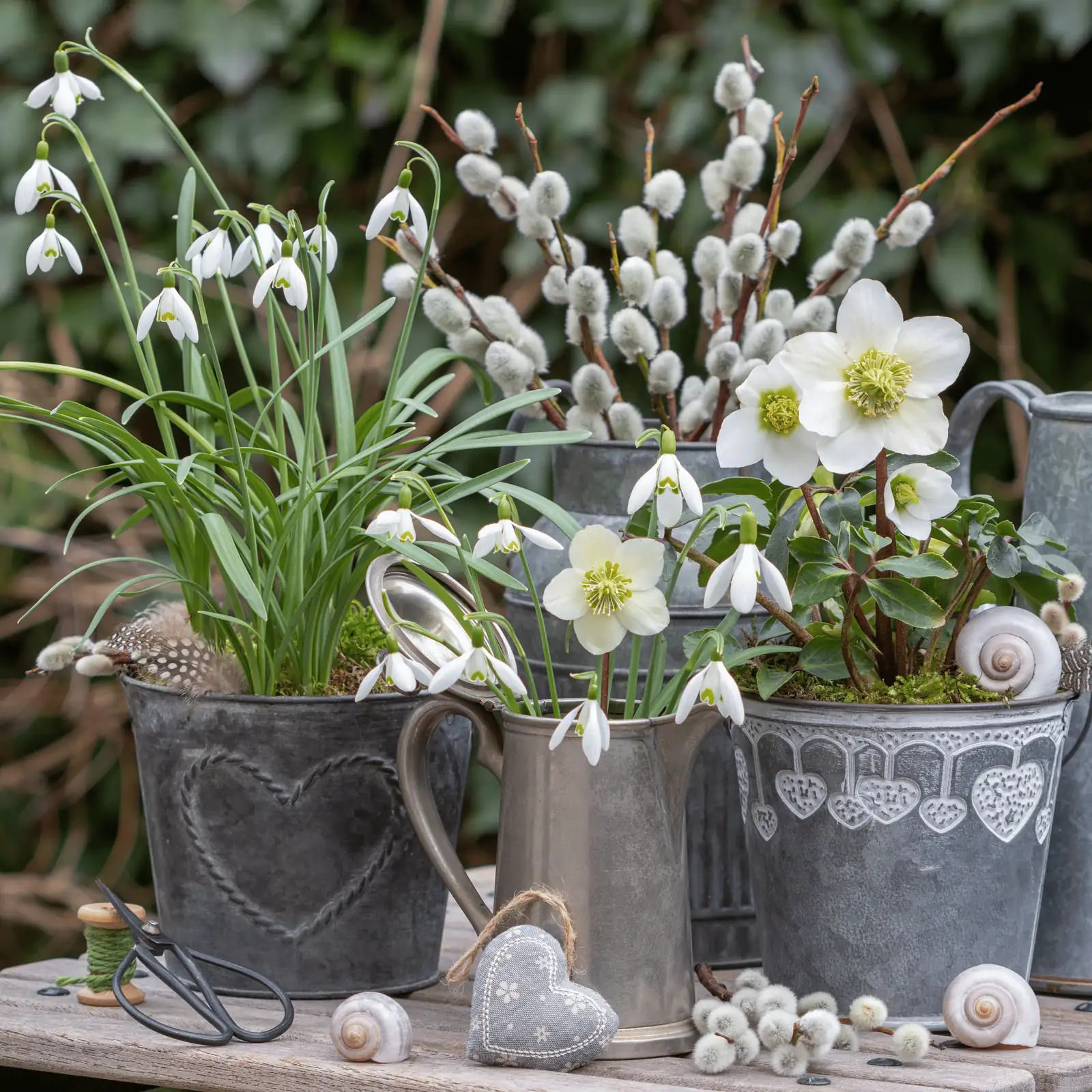
These mixes celebrate snowdrops’ purity without overwhelming them and keep cultural needs aligned (cool, bright, moist-but-drained).
1) Quiet glow: snowdrops and hellebores
- Pot: 30–40 cm wide, frost-proof
- Plants:
- Center: 1 Helleborus niger or H. x hybridus (evergreen anchor, long bloom)
- Mid ring: 12–15 snowdrop bulbs or 3–5 “in the green” clumps
- Edge: 3 Carex oshimensis ‘Evergold’ (soft gold skirts)
- Notes: The hellebore enjoys similar cool-season moisture; snowdrops can be lifted “in the green” to the garden post-bloom while hellebores and sedges remain.
2) Chalk and charcoal
- Pot: Trough or shallow bowl, 45–60 cm
- Plants:
- Drifts of snowdrops through the center (15–25 bulbs/clumps)
- Punctuate with 3–5 Ophiopogon planiscapus ‘Nigrescens’ (black mondo grass)
- Scatter miniature Iris reticulata bulbs for pops of violet
- Notes: Iris reticulata loves sharp drainage and a drier summer rest, aligning well with snowdrops.
3) Woodland windowbox
- Container: Window planter, 60–75 cm
- Plants:
- Back: 3 Polystichum setiferum (soft shield fern, evergreen fronds)
- Mid: 10–15 snowdrops woven in gentle S-curves
- Front: 5–7 Cyclamen coum (magenta to shell-pink saucers)
- Notes: Cyclamen coum appreciates cool, free-draining compost; ensure excellent drainage and light watering.
4) The gold-and-ivory classic
- Pot: 35–45 cm urn
- Plants:
- Core: 1 Skimmia japonica (compact, fragrant spring bloom/buds)
- Ring: 12–18 snowdrops
- Lip: Winter aconite (Eranthis hyemalis) dots for bright yolk-yellow contrast
- Notes: Aconites echo the woodland mood and share the love of humus-rich, moist-but-drained soil in spring.
Design tip: Plant snowdrops in informal groups rather than strict circles. They look most magical as small “drifts,” even in a pot. Finish with moss or grit to give a finished, winter-garden feel.
Caring through the season in containers
- Temperatures: Snowdrops are exceptionally cold hardy (down to around -15°F to -20°F / -26°C to -29°C). In containers, the root zone chills faster—use thicker pots, cluster displays, or insulate with pot jackets in severe cold snaps.
- Deadheading: Optional. Removing spent blooms can tidy the look; the real key is keeping leaves intact until they yellow naturally.
- Division: Snowdrops dislike frequent disturbance. In pots or beds, divide clumps after flowering only every few years if flowering wanes.
After the show: transitioning snowdrops from pots to the garden
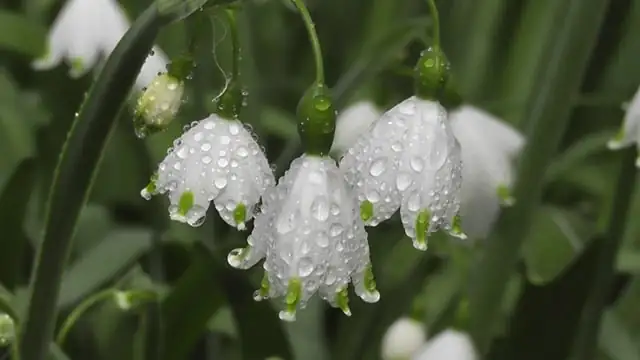
Your pots don’t have to be the end of the road. Moving container-grown snowdrops to the garden ensures long-term success and bigger shows year after year.
- Best timing: Right after flowering, “in the green” (late winter to early spring).
- Lifting from pots:
- Water the pot lightly an hour before.
- Slide out clumps with as much root and soil as possible; keep roots from drying.
- Where to plant:
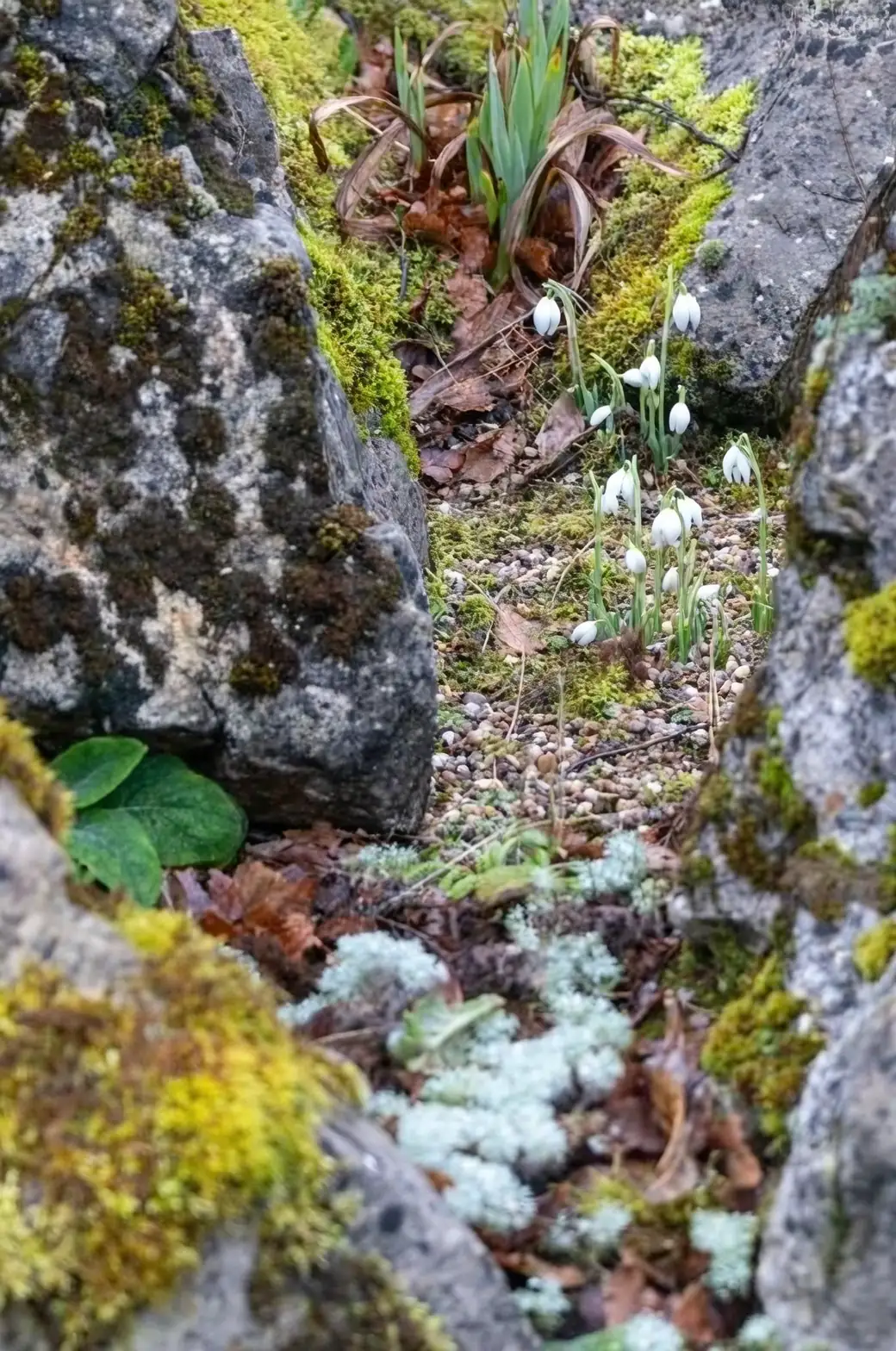
- Under deciduous trees and shrubs, along paths, rock gardens, or the front of borders—anywhere bright in late winter and shadier in summer.
- Soil: Humus-rich, fertile, and well-drained; snowdrops often thrive in neutral to alkaline ground with added organic matter.
- Planting depth and spacing:
- Replant clumps at the same depth they were in the pot (bulb neck just beneath the soil surface, typically 3–5 cm / 1–2 in of cover).
- Space clumps 10–15 cm (4–6 in) apart to allow natural increase.
- Watering and aftercare:
- Water in thoroughly to settle and ensure even moisture until foliage yellows.
- Do not cut leaves early; let them die back naturally to recharge bulbs.
- Apply a light bulb feed after flowering if desired and mulch with leaf mould or compost.
Tip: Mark the spot. Once foliage retreats, it’s easy to forget where you tucked them. Labels or a simple map help avoid accidental digging.
Long-term success in the ground
- Once established, snowdrops are easy and reliable—often naturalizing into lovely clumps.
- Calendar cues:
- Fall (Oct–Nov): Plant dry bulbs 7–8 cm (3 in) deep if you’re starting fresh.
- Winter (Jan–Mar): Enjoy peak flowering.
- Late winter to spring (Feb–Apr): Best time to plant/divide “in the green.”
- Summer: Dormant; keep soils on the drier side and avoid soggy sites.
- Minimal interference: Leave clumps undisturbed unless flowering declines; then divide after bloom and replant immediately.
Quick troubleshooting
- Sparse blooms:
- Causes include insufficient winter chill, bulbs that dried out before planting, too-warm a site, overcrowded clumps, or incorrect depth for dry bulbs. Remedy by relocating to a cooler spring site, dividing “in the green,” and ensuring steady spring moisture.
- Rodents/squirrels:
- Snowdrop alkaloids deter most grazers, but curious diggers may disturb pots. Use grit mulch and keep displays near doors or windows.
- Overdry pots:
- In a cold, windy spell, potting mix can dry faster than soil. Check with a finger test and water lightly when the top 2–3 cm are dry.
Safety note
All parts are toxic to people and pets (cats and dogs) if ingested due to alkaloids such as lycorine. Handle sensibly and site pots away from curious children and animals.
The deeper meaning: flower language and cultural threads
Snowdrops have long symbolized hope, renewal, purity, and consolation—timeless meanings rooted in their courageous timing. They bloom when winter still holds the garden, whispering that warmth will return. In Christian lore they’re linked to the Virgin Mary; in Victorian floriography, a single snowdrop could be considered unlucky indoors, yet drifts outdoors were welcomed as comfort at winter’s end. That tension—fragility set against resilience—explains their lasting appeal. They don’t shout like later bulbs; they kneel gracefully, then ring their quiet bell to announce new beginnings.
A final note for collectors and the curious
Galanthus has inspired passionate “galanthophiles” who prize subtle differences in markings and form. While rare cultivars can command surprising prices, the classic Galanthus nivalis is still the perfect container gateway—humble, hardy, and generous. Pot it beautifully now, then graduate it to the garden “in the green,” and you’ll be rewarded with faithful, expanding clumps that greet you each winter with their steadfast, milky bells.