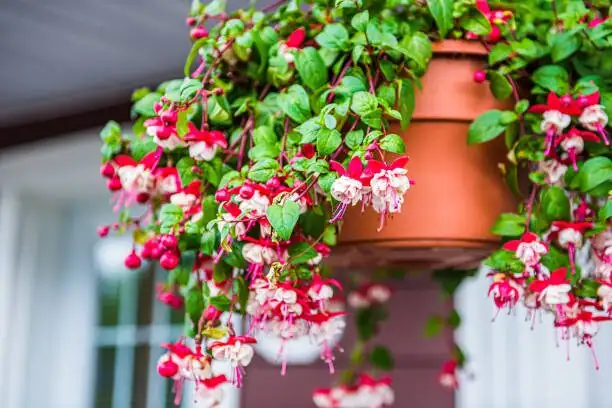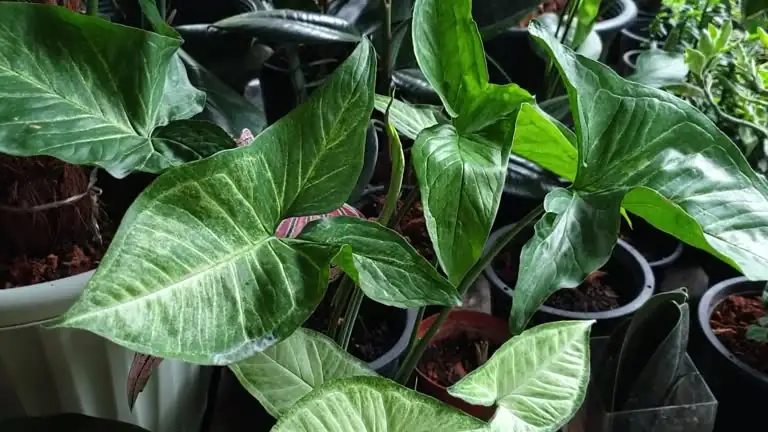
Houseplants bring life and vibrancy to any space, but sometimes, they can leave us scratching our heads when they refuse to bloom or grow new leaves. Fear not, plant enthusiasts! With a bit of understanding and some practical tweaks, you can help your leafy friends thrive. Let’s dive into some common culprits and how to address them.
Understanding Your Plant’s Needs
Before we jump into solutions, it’s essential to understand that different plants have different requirements. A cactus doesn’t need the same care as a fern, and a peace lily has different light preferences than a succulent. Start by identifying your plant species to tailor your care approach effectively.
Light Levels: Are They Just Right?
Light is a crucial factor for both blooming and leaf growth. If your plant isn’t flowering or producing new leaves, the amount of light it’s getting might be off.
- Too Little Light: Plants like African violets or orchids need bright, indirect light to bloom. If they’re in a dim corner, consider moving them closer to a window or using a grow light.
- Too Much Light: On the flip side, some plants, like ferns, prefer shaded conditions. Direct sunlight might scorch their leaves, inhibiting growth.
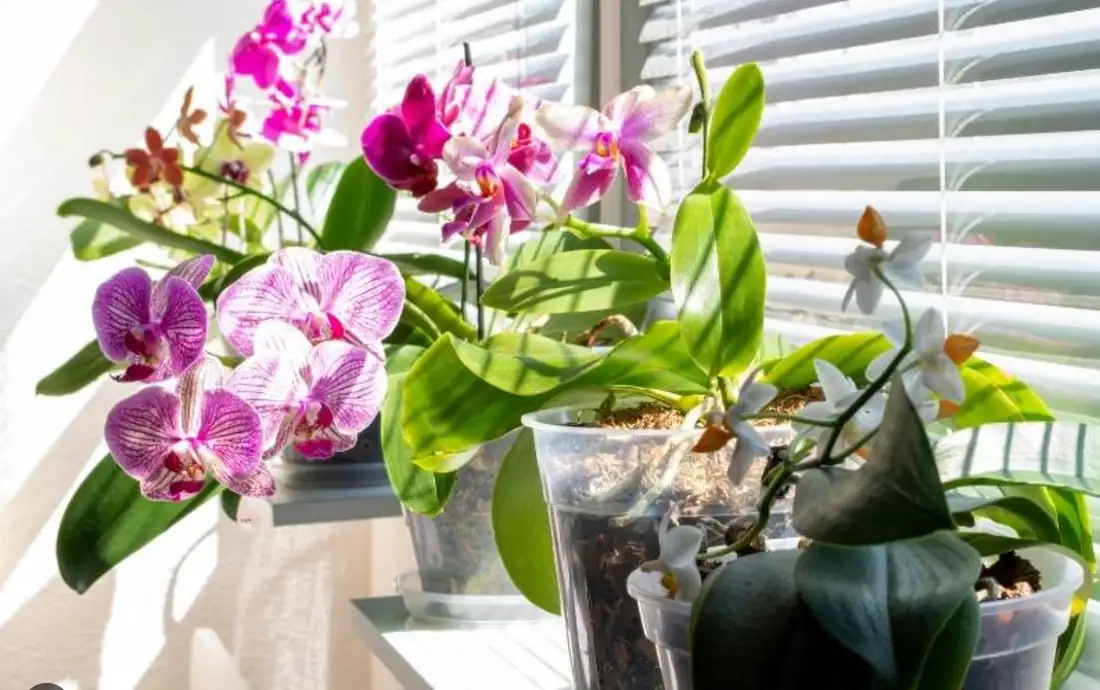
Quick Tip:
Observe the leaf color and condition. Yellow or burnt leaves often indicate too much light, while pale leaves suggest too little.
Watering Woes: Finding the Balance
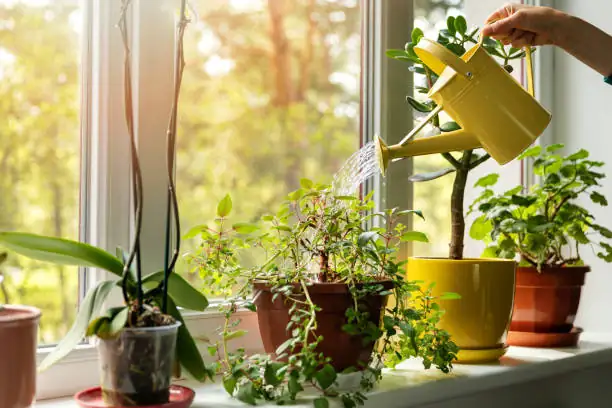
Watering can be tricky. Both overwatering and underwatering can stunt growth and prevent blooming.
- Underwatering: If the soil is bone dry and the leaves look wilted, increase your watering frequency. Most houseplants prefer the soil to dry out slightly between watering sessions.
- Overwatering: Soggy soil can lead to root rot, a common issue. Ensure your pots have drainage holes and only water when the top inch of soil feels dry.
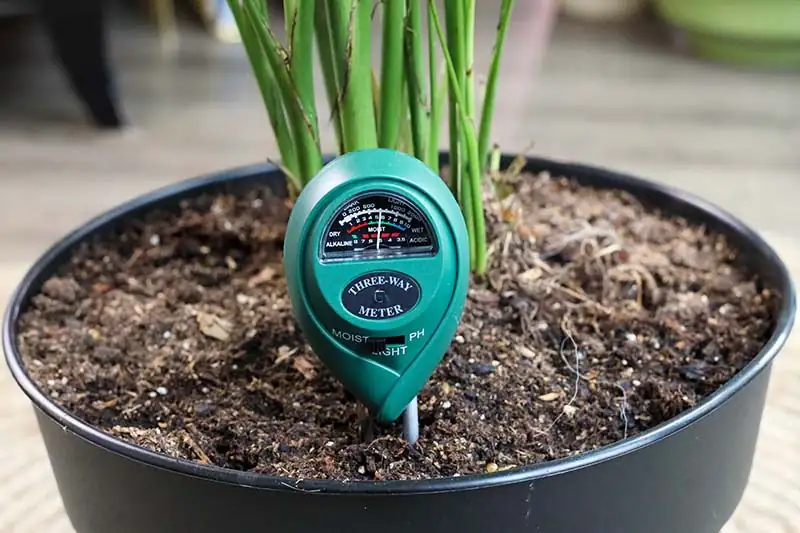
Quick Tip:
Use your finger to test soil moisture. If it feels damp, hold off on watering for a few days.
Nutrient Needs: Feeding Your Plant Properly
Houseplants need a balanced diet of nutrients to grow well. A lack of nutrients or an imbalance can prevent blooms and leaf growth.
- Underfeeding: If your plant hasn’t been fertilized in a while, it might lack the nutrients needed for growth. Use a balanced houseplant fertilizer every month during the growing season (spring and summer).
- Overfeeding: Too much nitrogen encourages leaf growth but can hinder blooming. If you’ve been heavy-handed with fertilizer, flush the soil with water to remove excess salts.
Temperature and Humidity: Are They Comfortable?
Many houseplants originate from tropical climates and thrive in warm, humid environments.
- Temperature: Keep plants away from drafts, heaters, or air conditioners. Most houseplants prefer temperatures between 65-75°F (18-24°C).
- Humidity: Low humidity can cause brown leaf tips and inhibit growth. Increase humidity by grouping plants, using a humidifier, or placing a tray of water near your plant.
Potting and Root Health: Is Your Plant Root-Bound?
If a plant’s roots are crammed into a small pot, it can’t absorb nutrients and water efficiently, which stunts growth.
- Check for Root Bound Issues: If roots are circling the pot or growing out of drainage holes, it’s time to repot. Choose a pot that’s about 2 inches larger in diameter.
Seasonal Dormancy: Is It Time for a Rest?
Remember, many plants have a natural dormant period, especially in winter. During this time, growth slows, and blooming may not occur. This rest period is normal, so reduce watering and fertilizer until growth picks up in spring.
Final Thoughts
Houseplants not blooming or growing leaves can be a sign of various issues, but with a bit of detective work and adjustment, you can get them back on track. Keep observing, stay patient, and soon your plants will reward you with lush leaves and beautiful blooms. Happy planting!