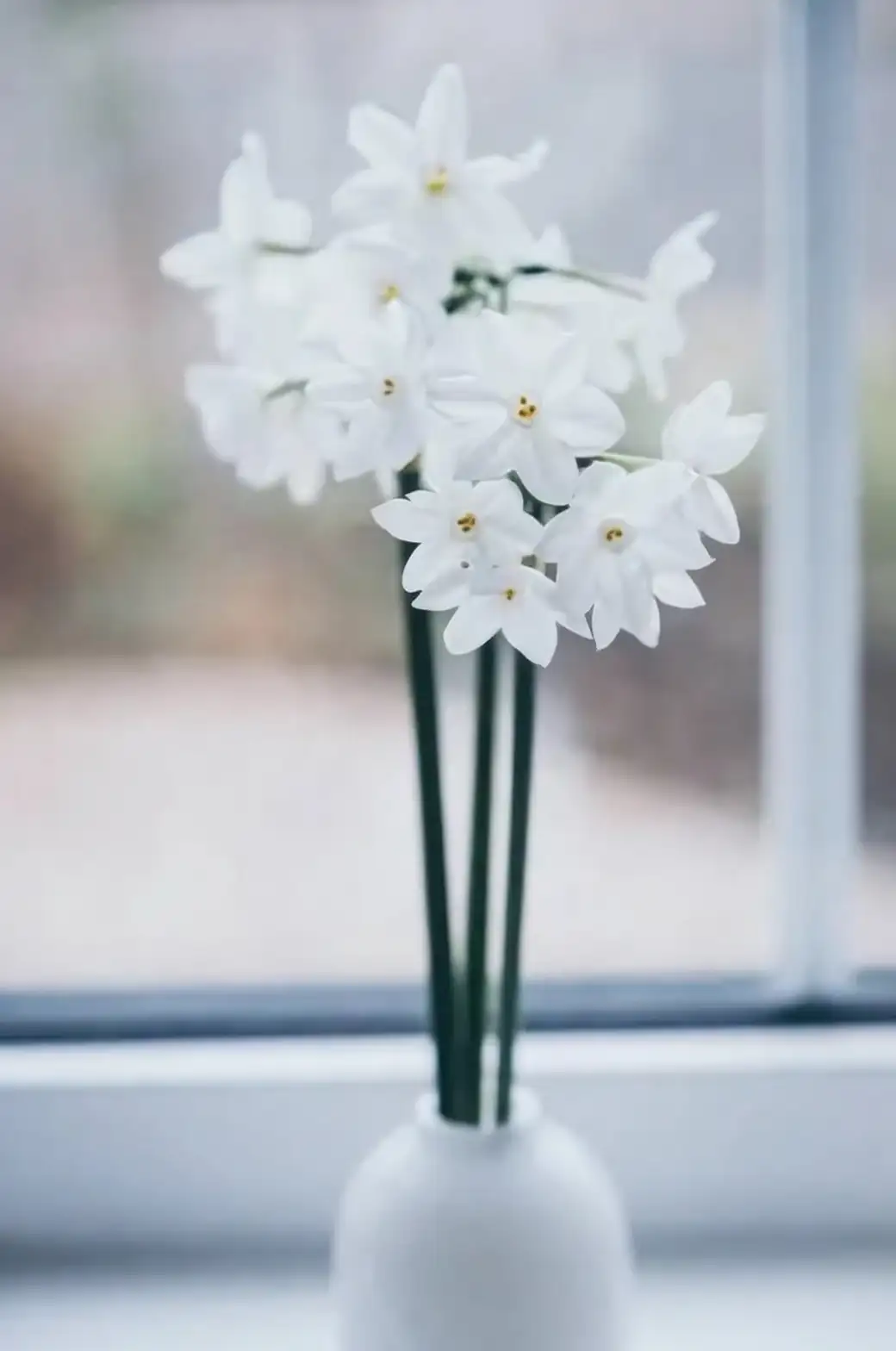
Imagine a flower that skips winter’s long to‑do list, wakes up fast, perfumes the whole room, and then calmly slips back to sleep before summer hits. That’s Narcissus tazetta—the classic paperwhite—nature’s cheerful shortcut to “instant spring.”
Why paperwhites need almost no chill (and others do)
Most spring bulbs demand a lengthy cold spell to trigger flowering (that’s the “chilling requirement”). Paperwhites are the rebels of the bulb world. Originating around the mild, maritime Mediterranean, tazetta‑type narcissus evolved to grow and bloom during cool, not icy, winters. Their internal “flower clock” is already primed at harvest, so they can:
- Start roots in cool conditions
- Push leaves and buds quickly once hydrated
- Deliver flowers in about 4–6 weeks indoors without a classic deep chill
In short: moisture + bright light + cool air are enough. That’s why they’re beloved for winter windowsills and Lunar New Year displays—you don’t need a garage fridge or a frosty porch to make the magic happen.
The growth rhythm: sprint, recharge, siesta
Think of a paperwhite bulb as a portable pantry and calendar.
- Cool‑season sprint (winter to spring): Roots form, leaves rise, flower clusters open. Keep conditions bright and cool—about 10–20°C (50–68°F)—for sturdy stems and longer‑lasting blooms.
- Recharge phase (after flowering): Leave the foliage intact until it yellows naturally (usually 6–8 weeks). Those leaves are feeding the bulb for next time. If you plan to keep it, give very bright light and light, balanced feeding in a pot (water culture displays are typically just one‑season affairs).
- Summer siesta (dormancy): The bulb prefers a dry, airy rest. Reduce or stop watering as leaves yellow. In mild climates, tazettas can live outdoors (good drainage is key) and slowly clump up over time.
That room‑filling perfume: a quick tour of the molecules
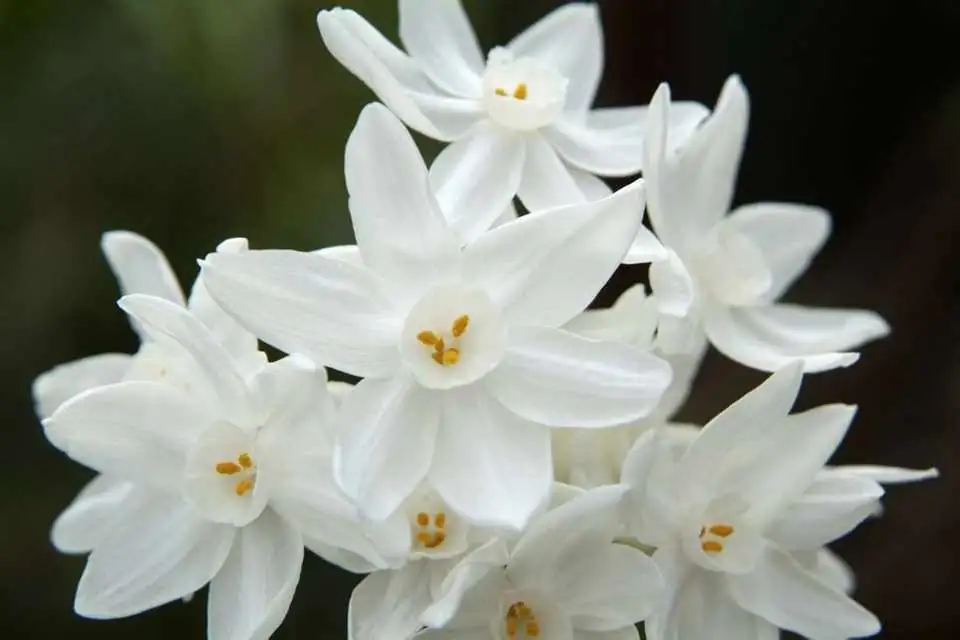
What makes a paperwhite smell so big for such small flowers? A cocktail of fragrant volatiles, dominated by:
- Floral “benzenoids” such as benzyl acetate and related esters (think jasmine‑sweet, creamy floral)
- Indole in tiny amounts (powerful, heady, almost “white‑floral at night”)
- Monoterpenes like linalool and ocimene (fresh, citrusy‑floral sparkle)
- A supporting cast of green, honeyed, and spicy notes that round it out
Because our noses vary, some people find the scent deliciously sweet; others call it spicy, musky, or even too intense. That’s normal—paperwhite fragrance is rich and complex, and a single blooming bowl can perfume an entire room.
Why warmth makes stems go leggy (and how to fix it)
If your paperwhites shoot skyward and flop, you’ve met the warmth + low‑light effect.
- The biology, science‑lite: In warm, dim conditions, plants ramp up growth hormones (notably gibberellins), stretching cells faster than the tissues can thicken. Internodes lengthen, but structural strength lags. Meanwhile, low light limits carbohydrate production, so stems have less “building material.”
- The result: Tall, soft, top‑heavy stems and short‑lived flowers.
- The fix:
- Keep it cool: Aim for 5–15°C (41–59°F) while shoots and buds form; avoid sustained heat above 25°C (77°F).
- Flood with light: Bright east or south window; about 6+ hours of good light per day helps keep internodes short.
- Give a breeze: Gentle airflow encourages sturdier growth and reduces mold in water culture.
- Crowd the bulbs: Plant several together for mutual support, or “corral” stems with a twig wreath.
- Optional advanced trick: Some growers use a carefully diluted alcohol solution to reduce excessive elongation; if you try it, research the method and proceed cautiously to avoid root damage. Cool, bright conditions are still the simplest, most reliable solution.
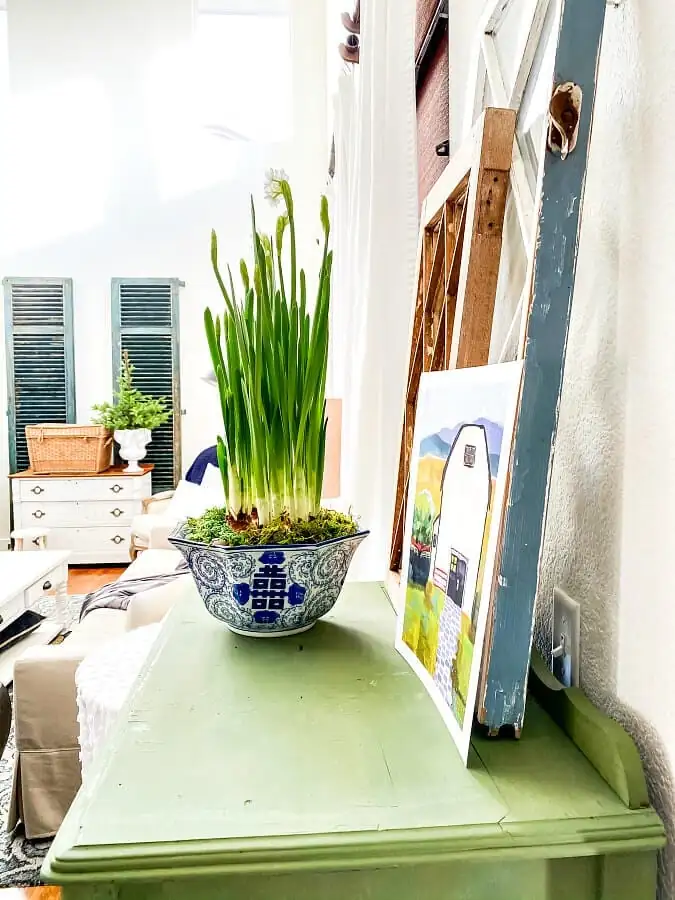
How to set up an easy, compact indoor display
- Start clean: Choose firm, heavy bulbs with intact skins. Avoid soft spots or mold.
- Choose your format:
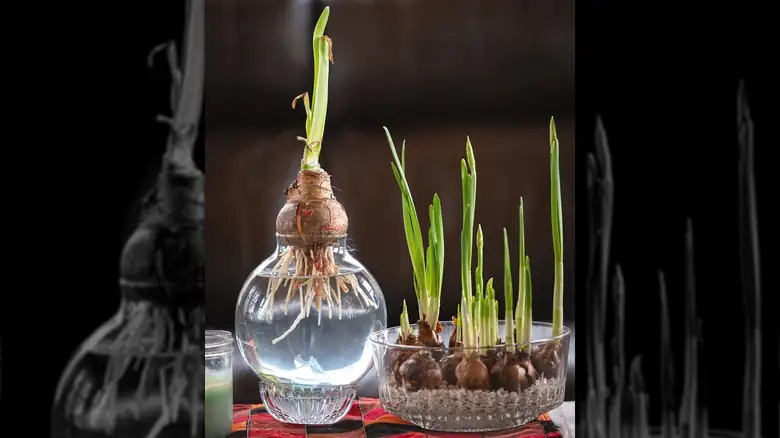
- Water culture: Nestle bulbs on pebbles. Add water to just touch the basal plate so only roots—not the bulb—sit in water. Refresh often (more frequently at first; about weekly once buds are set).
- Potting mix: Use a free‑draining bulb mix (about 2 parts potting mix to 1 part grit). Water lightly until growth takes off, then keep evenly moist, never soggy.
- Light and temperature: Bright light to full sun and cool air are your best friends for sturdy stems and longer bloom life.
- Timing: Expect flowers in roughly 4–6 weeks in good conditions.
Outdoors or long‑term?
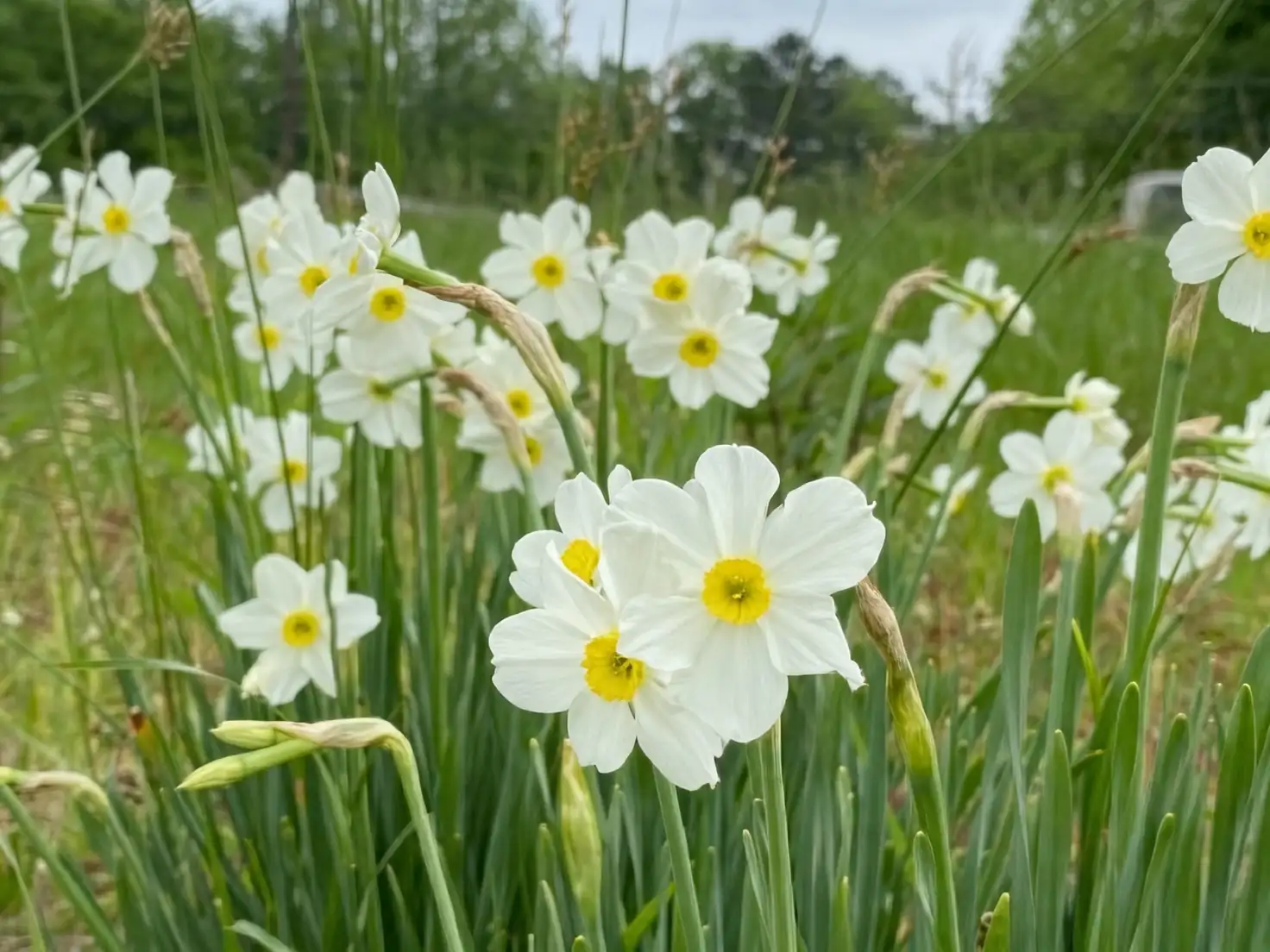
- Mild climates: Paperwhites can perennialize outdoors where winters are gentle (roughly USDA Zone 8–10/11, varying by form and local wet). Provide excellent drainage and spring sun.
- Colder regions: Enjoy indoors as a seasonal bulb. If you want to keep them, let foliage recharge in bright light, then store bulbs cool and dry for dormancy—or move to the garden only if winter cold and wet won’t clobber them.
- Division: Over years, bulbs make offsets; divide clumps during dormancy if crowded.
Quick troubleshooting
- Tall and floppy: Too warm + not enough light. Move to the brightest, coolest spot. Rotate the pot for even light.
- Leaves but no flowers next year: Bulbs may have been too small, cut back too early, or underlit. Let foliage fully yellow before removing; feed lightly during recharge if you’re keeping them.
- Rot in water culture: Keep bulbs mostly above water; refresh water often; add airflow and cooler temps.
- Short bloom life: Heat speeds everything up. Aim for cool rooms during flowering.
Safety, pets, and bouquets
- Toxicity: All parts (especially bulbs) are toxic to people and pets if ingested, and the sap can irritate skin. Keep out of reach and wash hands after handling.
- Cut‑flower note: Daffodil sap can shorten the life of other flowers. Condition paperwhite stems separately in water before combining in mixed arrangements.
Symbolism, with a little context
- East Asia: 水仙 is a beloved winter and Lunar New Year plant symbolizing renewal, prosperity, and a thriving home. The tradition of carving and training bulbs into elegant forms adds artistic meaning to the seasonal display.
- The Narcissus myth: In Western lore, Narcissus fell in love with his own reflection—hence themes of self‑regard and reflection. Over time, daffodils also came to signal fresh starts and hope as some of the earliest spring bloomers.
- Read the “flower language” with care: These meanings are cultural stories layered onto a plant’s natural cycle. The universal takeaway with paperwhites is simple: they bring an early promise of spring—fast.
Fast facts to remember
- Minimal chilling needed: Paperwhites flower indoors without traditional cold‑storage.
- Bloom speed: About 4–6 weeks from “go” in bright, cool conditions.
- Best habit: Cool (10–20°C/50–68°F) + very bright light = compact, sturdy stems.
- Fragrance: Big, sweet, complex perfume from a mix of benzenoids, indole, and floral terpenes.
- Growth rhythm: Cool‑season sprint, post‑bloom recharge, summer dormancy.
- Easy displays: Pebbles and water or a gritty potting mix—just keep bulbs clean, bright, and cool.
Keep them cool, give them sunshine, and let those little stars do what they do best: bring spring forward, one perfumed cluster at a time.