Breathe in that sweet, spicy perfume on a cold day and suddenly winter feels softer. That’s the magic of Narcissus tazetta—the paperwhite narcissus, or 水仙 in Chinese—a humble bulb that stitches together two powerful stories: a Greek mirror of self-reflection and an East Asian New Year ritual of renewal and prosperity.
Meet Narcissus tazetta (aka Paperwhite, aka 水仙)
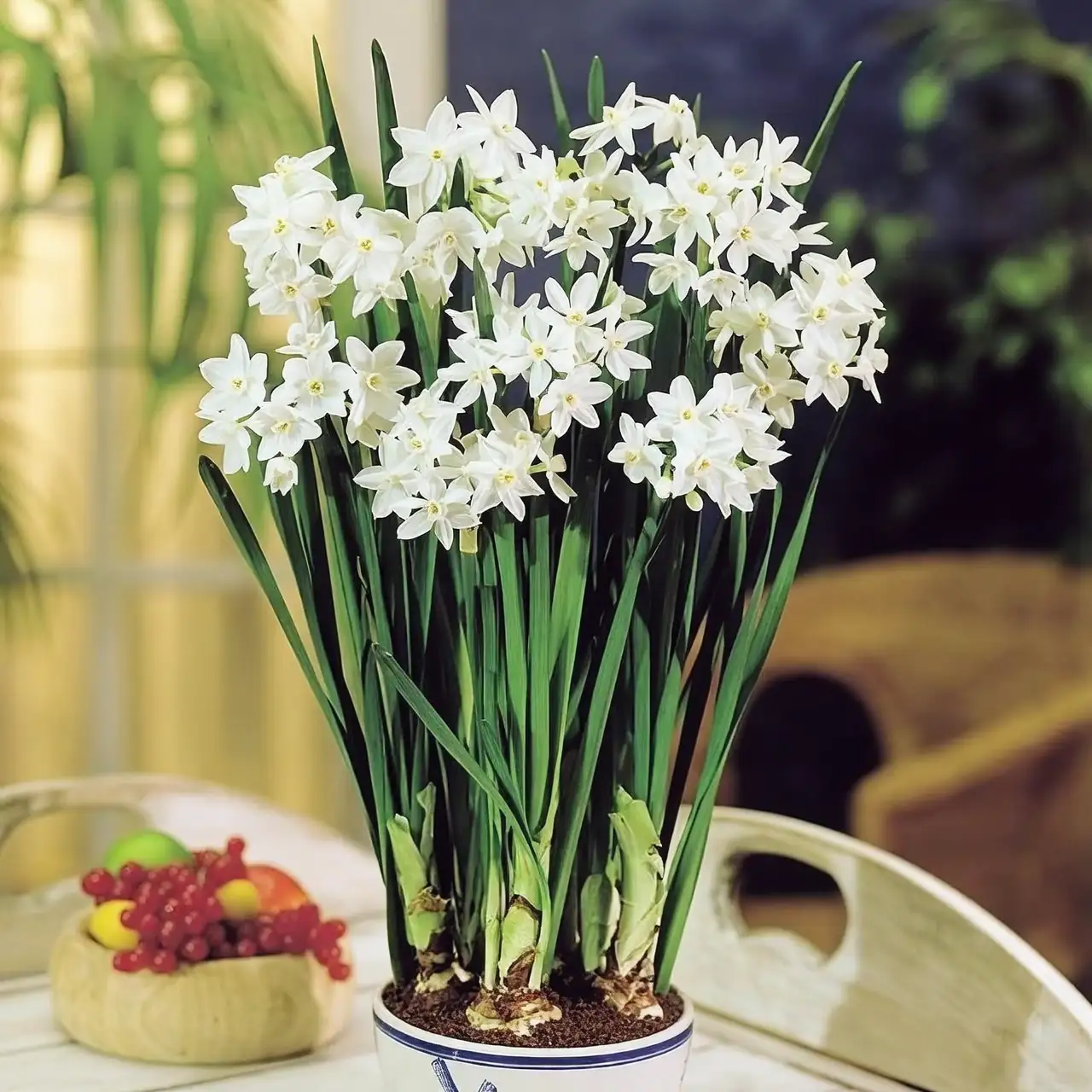
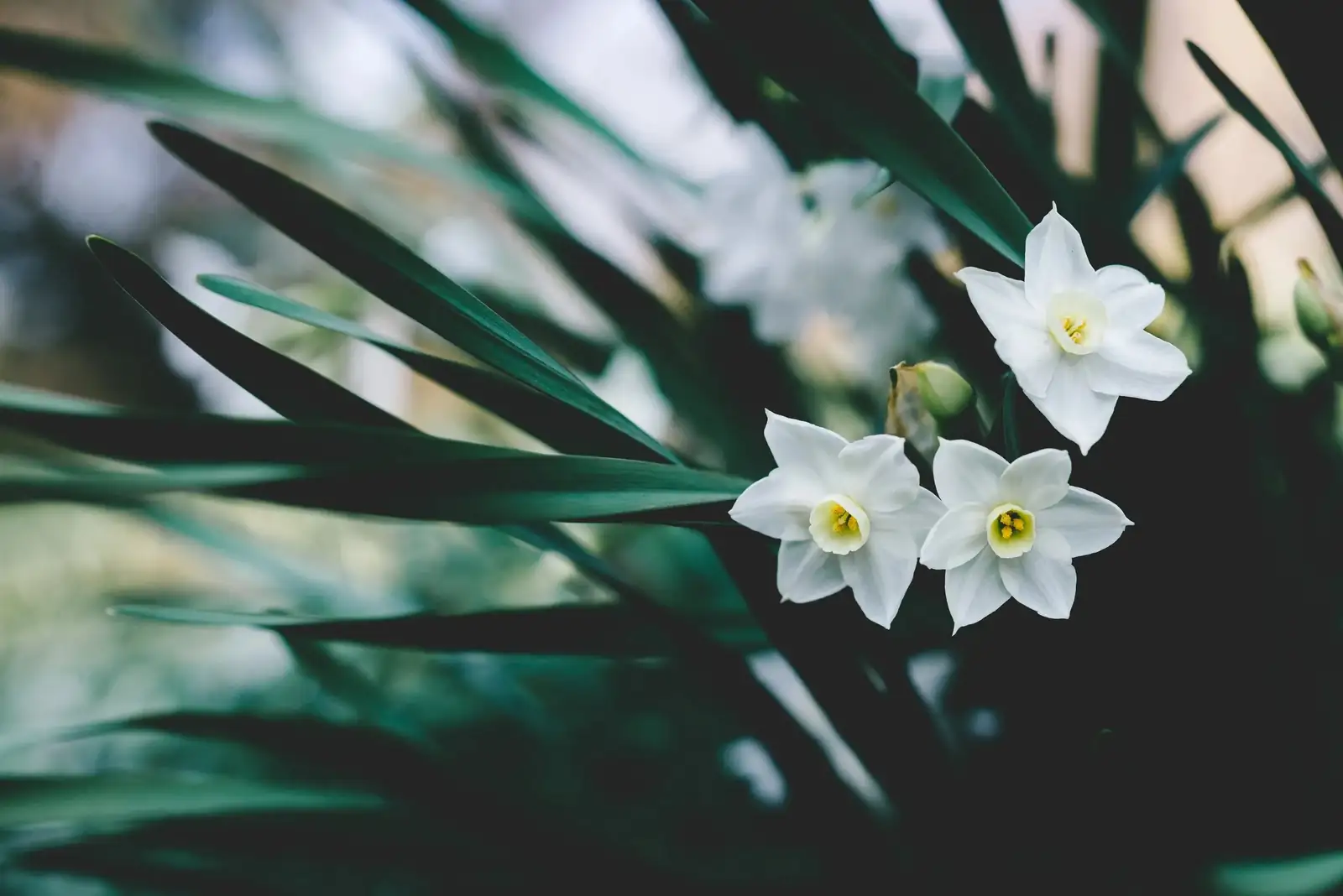
- What it is: A bulb-forming member of the amaryllis family with slender blue‑green leaves and fragrant clusters of starry white blooms around a tiny central cup.
- Where it comes from: Native to the Mediterranean, long cultivated and celebrated across temperate regions—especially beloved in East Asia for winter and Lunar New Year displays.
- How it behaves: Indoors it’s the “winter daffodil” you can coax into bloom in roughly 4–6 weeks. Plants typically stand 20–45 cm tall in bowls or pots, throwing multiple blossoms per stem that perfume the room.
- Names you may meet: Paperwhite, Bunch-Flowered Daffodil, Chinese Sacred Lily, Tazetta Narcissus—different labels for closely related forms within the tazetta/paperwhite group.
How a Greek mirror became the language of self‑love
The name Narcissus comes wrapped in myth. In Ovid’s telling, the dazzling youth Narcissus spurned admirers until Nemesis led him to a still pool. He fell for his reflection, unable to turn away, and a narcissus flower sprang where he faded.
What flower language grew from that tale?
- Self‑love and vanity: The cautionary side—narcissism and obsession.
- Reflection and awakening: A gentler reading—know thyself, look inward, and transform. This nuance, beloved by later writers and Victorian floriography, is where many modern gift‑givers land: balanced self‑regard rather than arrogance.
East Asia’s 水仙: renewal, purity, and prosperity
Across China and other parts of East Asia, 水仙 is a New Year classic. Bulbs are set on pebbles in shallow bowls, roots drinking water while the bulb stays mostly dry—then trained into elegant curves or carved to showcase fans of leaves and nested flower sprays. Timed just right, they open in the heart of winter, surrounding the home with a graceful, citrus‑sweet scent as the Lunar New Year arrives.
Why water and white matter
- Renewal: Winter‑to‑spring bloom is a living metaphor for fresh starts.
- Purity: White, waxy petals emerging from clear water have long symbolized cleansing and virtue.
- Prosperity: Clusters of many small blooms suggest “bunches” of blessings; a thriving clump implies household abundance and a flourishing year ahead.
Timing the tradition
Start bulbs about 30–40 days before the festival to catch peak bloom during New Year gatherings. Cool, bright conditions help the schedule fall into place.
Bridging meanings: a modern flower language
Give Narcissus tazetta to say:
- Reflect, renew, and rise: The Greek mirror meets the New Year altar—self‑knowledge that blossoms into better fortune.
- Purity with purpose: Clean starts, clear intentions, prosperous outcomes.
It’s a message that works for fresh beginnings—new jobs, new homes, and the turning of the year—without losing the mythic reminder to keep self‑regard in balance.
Gifting notes that feel thoughtful (and auspicious)
- What to give
- A bowl of bulbs on pebbles with a shallow water line (roots in, bulb above). Add a red ribbon, a gold‑rimmed bowl, or slip in a New Year couplet for extra festive luck.
- For purists, a traditionally carved or gently trained 水仙 is a showstopper.
- When to give
- In the weeks leading up to the Lunar New Year so buds open right on time. For winter birthdays or housewarmings, earlier is lovely—paperwhites brighten short days.
- Scent etiquette
- The fragrance is beautiful but strong; avoid gifting for small bedrooms or scent‑sensitive recipients.
- Pet and child safety
- All parts are toxic, especially the bulb. Keep out of reach of pets and curious kids.
- Cut‑flower tip
- If you’re mixing stems in a bouquet, condition narcissus separately first—their sap can shorten the life of other flowers.
Feng shui placement for renewal and prosperity
Honor tradition while keeping the plant happy.

- Best light and climate (for the plant)
- Bright window (east or south), cool air (about 10–20°C), and away from heaters. Strong light keeps stems sturdy; coolness extends bloom time.
- Classic feng shui zones (for the symbolism)
- Southeast (wealth and abundance): A living cue for prosperity.
- East (family and health): Renewal and harmonious growth.
- North (career): A fresh start for projects and recognition.
- Where not to place
- Avoid hot, drafty spots, directly above radiators, or cramped, stale corners.
- Skip bedrooms if the fragrance feels overwhelming.
- Water culture must‑dos
- Keep water shallow and very clean: roots in water, bulb mostly dry. Refresh frequently, especially early on, to prevent rot. A stable, shallow bowl keeps top‑heavy stems safe.
Quick care so the symbolism actually blooms
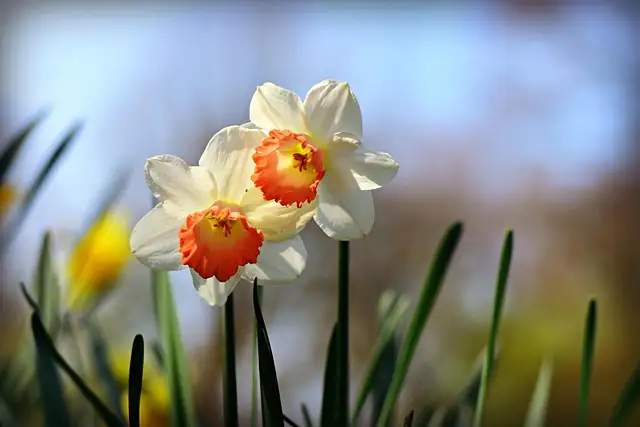
- Light: Bright light to full sun indoors; rotate regularly for even growth.
- Temperature: Cool rooms (5–15°C) make compact, long‑lasting displays; warmth + low light equals floppy stems.
- Water: In bowls, keep the bulb dry with only roots in water; in pots, use a free‑draining mix and never let it sit in soggy soil.
- Hygiene: Rinse containers, refresh water, and remove spent blooms promptly.
- After flowering: Let leaves stay until fully yellow to recharge the bulb. If you’re keeping bulbs long‑term, light feeding during active growth helps.
A note on names you might see
Horticulturally, the beloved “paperwhite/水仙” group sits under Narcissus tazetta, and you may also see related labels like Chinese Sacred Lily. The traditions described here—fragrance, winter forcing, pebble‑and‑water displays—are all squarely in that tazetta realm.
Why Narcissus tazetta endures
It’s the rare plant that can be both a mirror and a lantern—asking us to look inward even as it lights the way into a new year. On the sill, in a shallow bowl of clear water, 水仙 is pure theater: renewal unfolding petal by petal—and, if you believe the old stories, prosperity perfuming the room.