Transform Your Garden with Romantic Wisteria sinensis
Imagine strolling under cascading blooms of purple, their sweet fragrance enveloping you in a romantic embrace. This is the magic of Wisteria sinensis, the Chinese wisteria—a plant that promises not just beauty, but an experience. With its ability to transform ordinary structures into living spectacles, this vigorous vine offers the perfect solution for adding vertical interest and old-world charm to your garden.
Why Choose Wisteria sinensis?
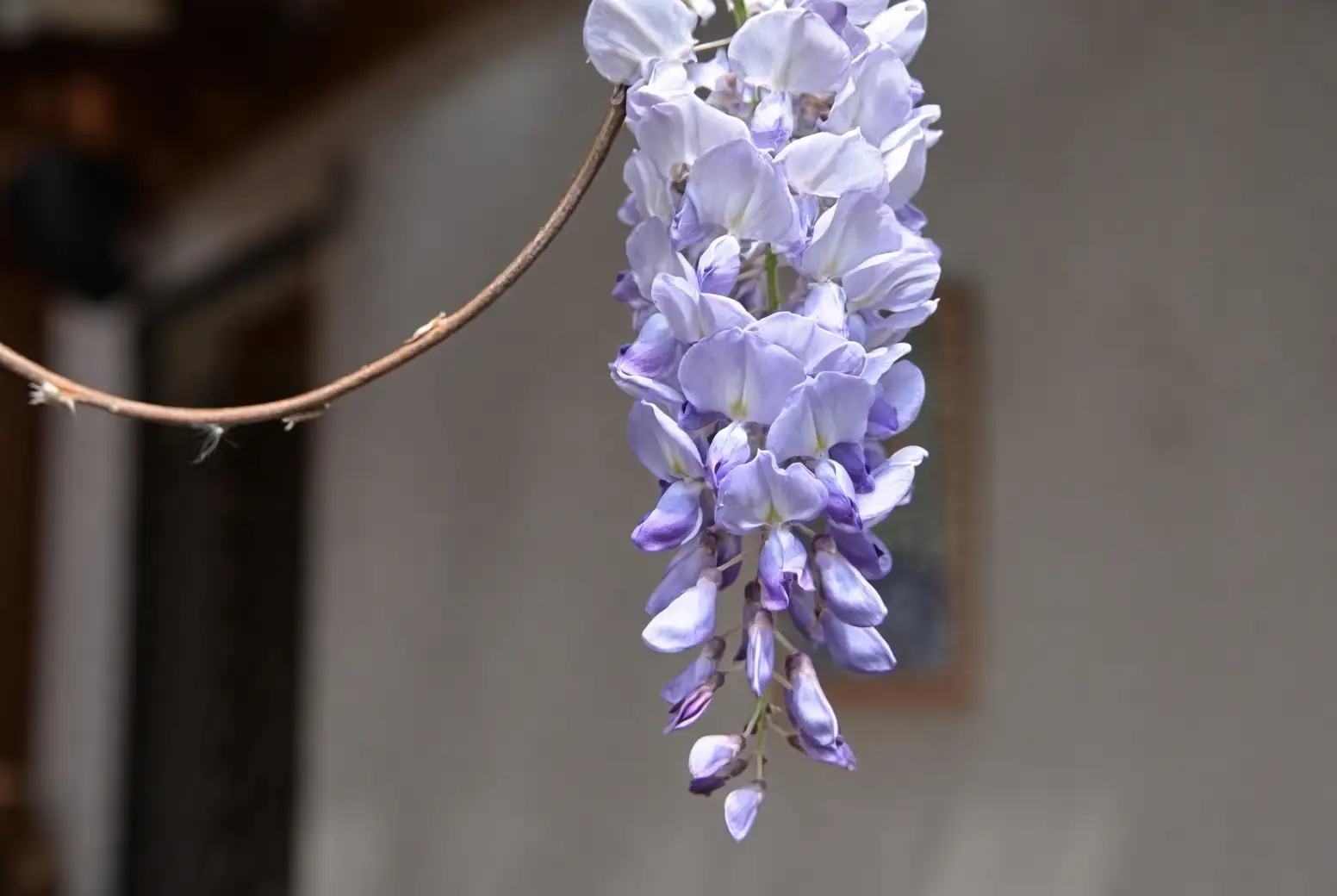
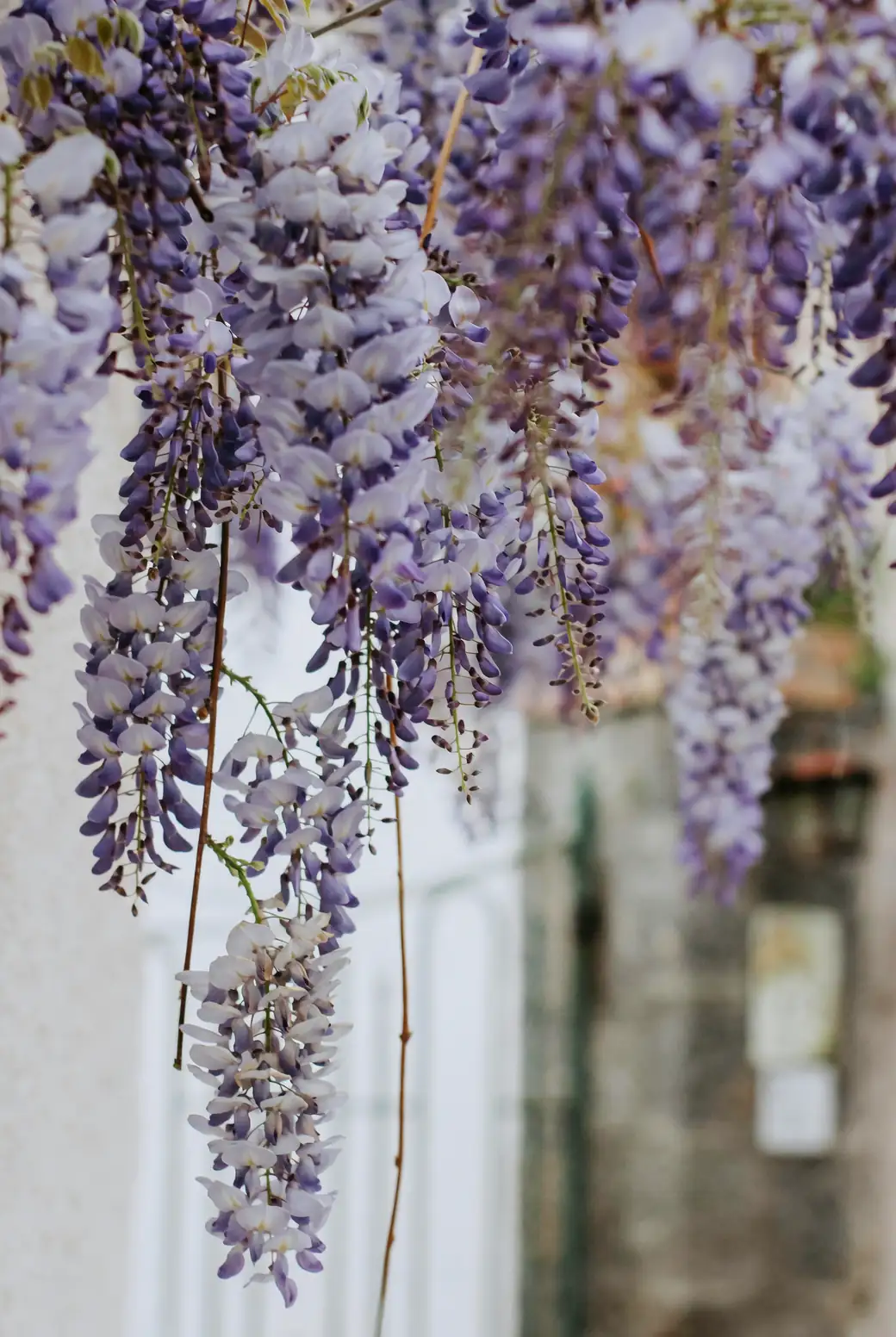
Wisteria sinensis is not just a plant; it’s a statement. This deciduous climber, native to China, is renowned for its vigorous growth and stunning floral displays. Each spring, it rewards gardeners with long racemes of butterfly-shaped blooms in shades of lilac to bluish-purple, creating a waterfall effect that’s both enchanting and unforgettable.
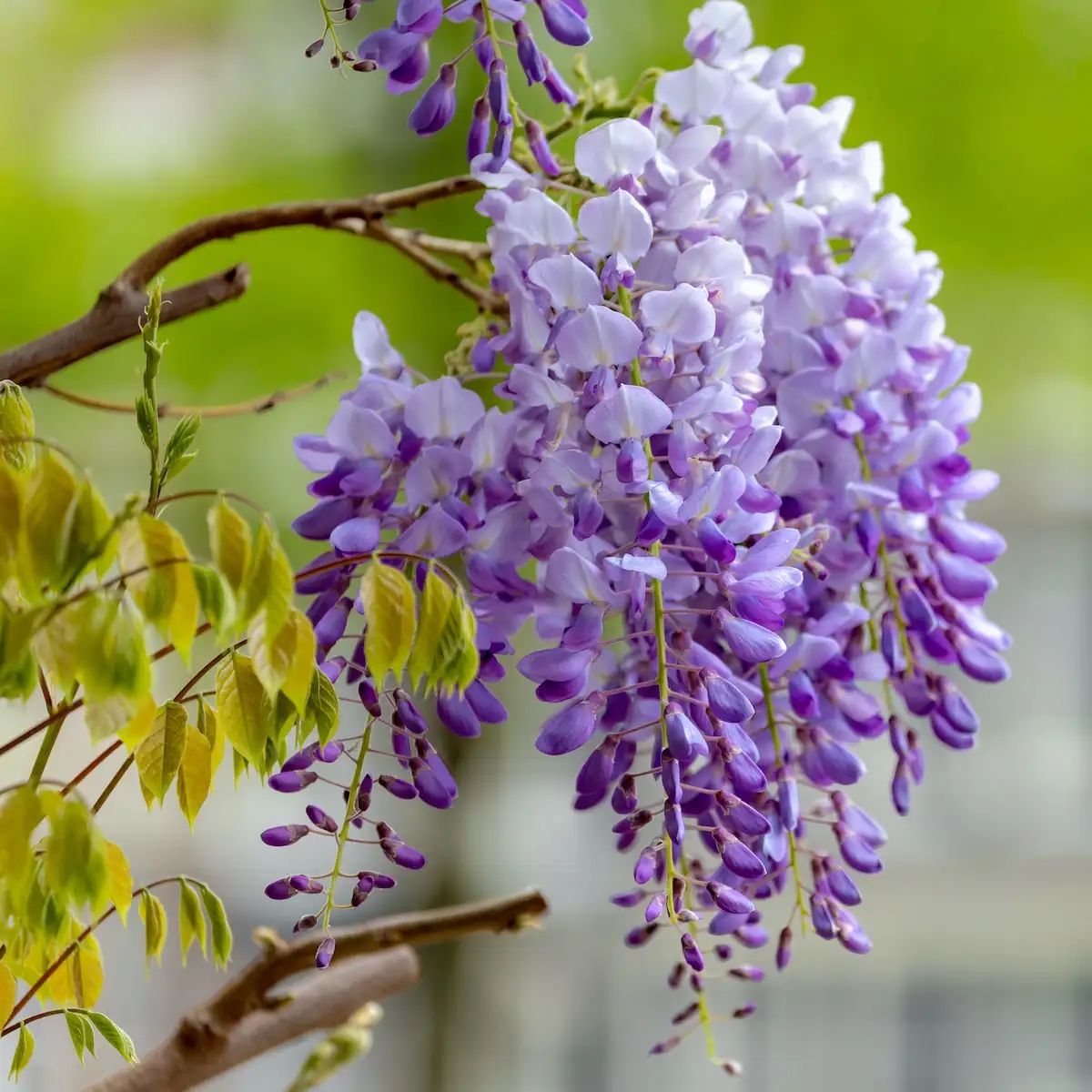
But why stop there? The vine also symbolizes devotion and enduring love, making it a poetic addition to any garden. Its historical roots are deep, with wisteria gracing Chinese gardens for centuries and inspiring countless artists and poets.
Designing with Wisteria
Placement is Key: When incorporating wisteria into your garden design, structure and placement are paramount. This vine is best suited for sturdy arbors, pergolas, or trellises. It’s known for its robust, woody stems that can become as thick as tree trunks, so ensure your support structure can handle the weight. Keep it away from buildings and gutters, as its strength can cause damage.
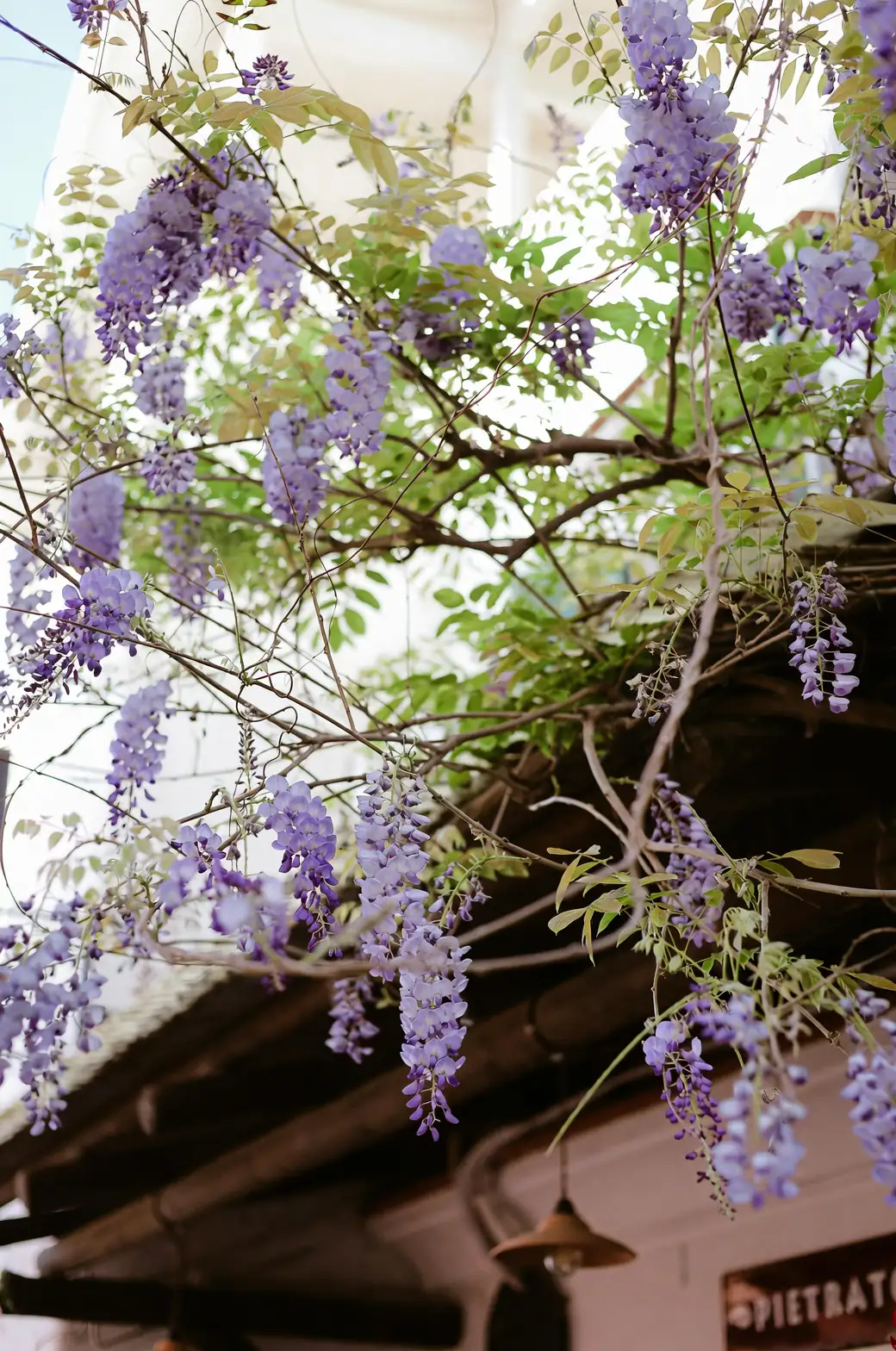
Creating a Living Canopy: Imagine a pergola draped with wisteria, providing a shady retreat in the heat of summer. The vine’s dense foliage and floral clusters can transform any outdoor space into a private oasis. When trained carefully, wisteria can also serve as a stunning wall espalier or a cascading curtain over a garden gate.
Cultivation Tips for Success
Sunlight and Soil: For the best blooms, plant your wisteria in full sun—at least six hours of direct sunlight daily. It thrives in fertile, well-drained soil but is adaptable to various soil types, as long as they are not waterlogged.
Watering and Feeding: During its first year, ensure consistent watering to help establish a deep root system. Once established, wisteria is relatively drought-tolerant but performs best with moderate watering during growth. Use high-phosphorus fertilizers in early spring to support flowering, but avoid nitrogen-heavy feeds.
Pruning for Beauty and Control: Pruning is crucial for managing size and promoting blooms. In late winter, remove at least half of the previous year’s growth, leaving a few buds to form flowering spurs. After flowering, trim new shoots to maintain shape and encourage further blooming.
A Word of Caution
While wisteria is a garden jewel, it carries a note of caution. All parts of the plant are toxic if ingested, particularly the seeds and pods. If you have children or pets, ensure these parts are out of reach or consider removing seed pods after flowering.
Bringing It All Together
Incorporating Wisteria sinensis into your garden design is a commitment to both beauty and maintenance, but the rewards are manifold. This vine not only adds vertical drama and romance to your outdoor space but also becomes a living testament to the timeless elegance of nature. Whether you choose to train it over an arbor, allow it to cascade down a pergola, or shape it into a standard tree form, wisteria will undoubtedly become a beloved feature of your garden.
So, are you ready to embrace the romance of Wisteria sinensis? With its breathtaking blooms and delightful fragrance, this vine is sure to captivate your senses and those of everyone who visits your garden.