Unraveling the Mysteries of Caladium Bicolor: Pests and Diseases Troubleshooting Guide
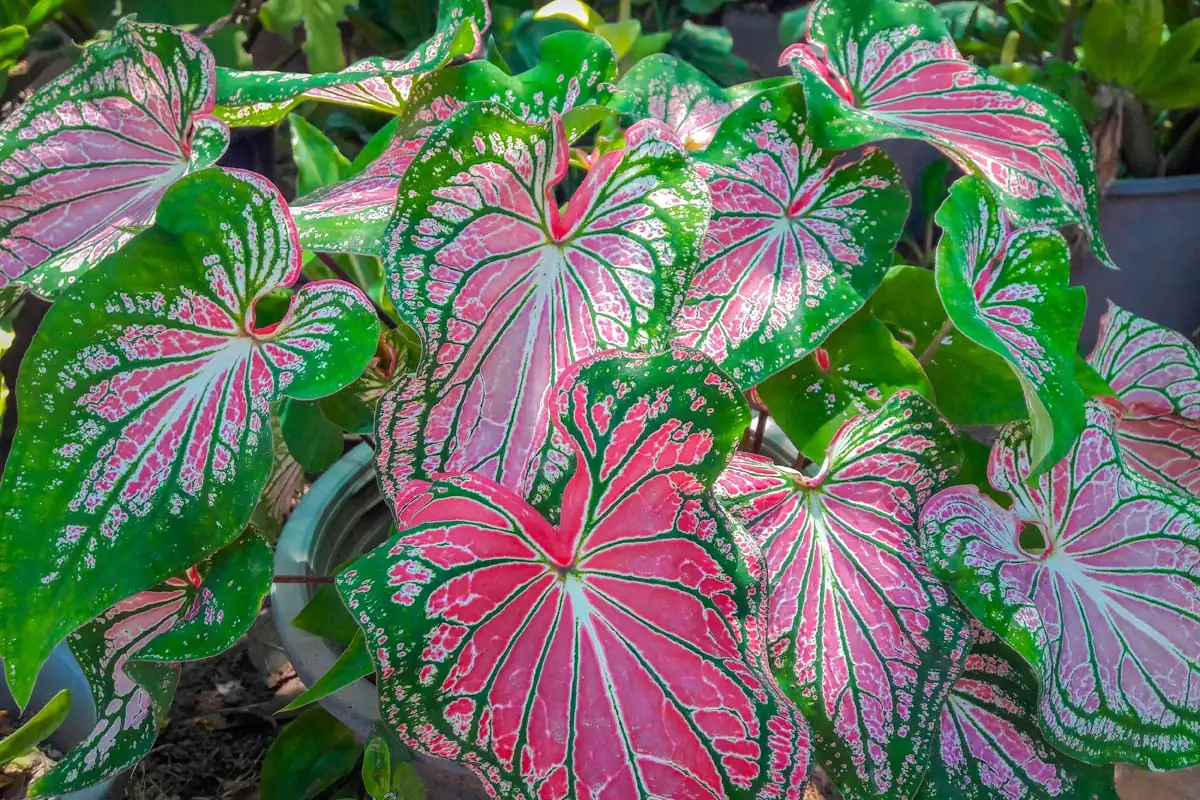
Caladium bicolor, known affectionately as “Angel Wings” or “Heart of Jesus,” is like the Monet of the plant world. With its buttery strokes of greens, whites, reds, and pinks, it brings an unparalleled splash of color to any shady nook of your home or garden. Yet, like any masterpiece, maintaining its beauty requires a keen eye and a gentle touch. Let’s delve into the common pests and diseases that might try to dull this natural canvas and how best to address them.
Recognizing the Signs: Is Your Caladium Crying for Help?
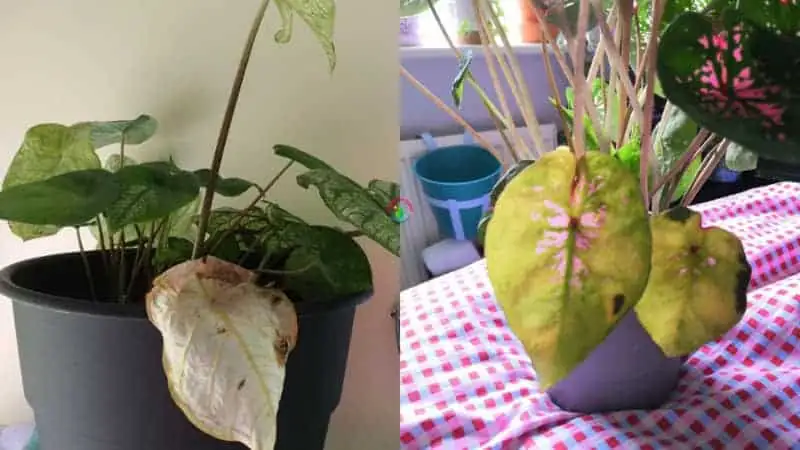
One of the first steps in troubleshooting is knowing what to look for. Imagine your Caladium as a drama queen of the plant kingdom—it doesn’t hide its troubles quietly. Yellowing leaves, wilting, or browning tips are all cues that something is amiss, much like a child throwing a tantrum for attention.
- Yellowing Leaves: Often a sign of overwatering. Think of this as the plant’s version of wearing too many layers in summer. It could also mean it’s catching a chill from being too close to a draft or isn’t getting enough nutrients.
- Wilting and Browning: Typically, this points to underwatering or low humidity. Imagine being left out in a desert without a drink—your Caladium feels the same way.
- Faded Colors: This can result from too much direct sunlight. If your Caladium’s colors are fading faster than your favorite pair of jeans, it might be time to reassess its lighting.
The Usual Suspects: Pests to Watch Out For
Even the most diligent plant parent can find their Caladium besieged by tiny invaders. Here’s a rundown of the common culprits and how to handle them:
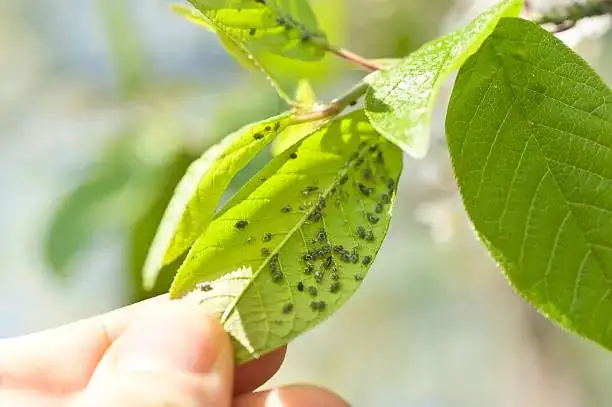
- Aphids and Spider Mites: These pests are like uninvited guests at a party. Aphids can cause leaves to curl and become sticky, while spider mites leave a telltale webbing. Treat them with insecticidal soap or horticultural oil. Increasing humidity can also help keep spider mites at bay—consider it like turning up the heat at your party to make it less inviting for them.
- Mealybugs and Scale Insects: These sap-suckers can weaken your plant over time. Regularly check for these pests and dab them with a cotton swab dipped in alcohol.
- Caterpillars and Grasshoppers: Outdoors, these munchers might take a liking to your Caladium’s leaves. Handpick them off or use Bacillus thuringiensis (Bt) as a targeted approach.
Fighting Fungal Foes: Diseases and Their Remedies
Fungal diseases can strike when conditions aren’t ideal, much like how mold appears in a damp basement. Here are some common issues and their solutions:
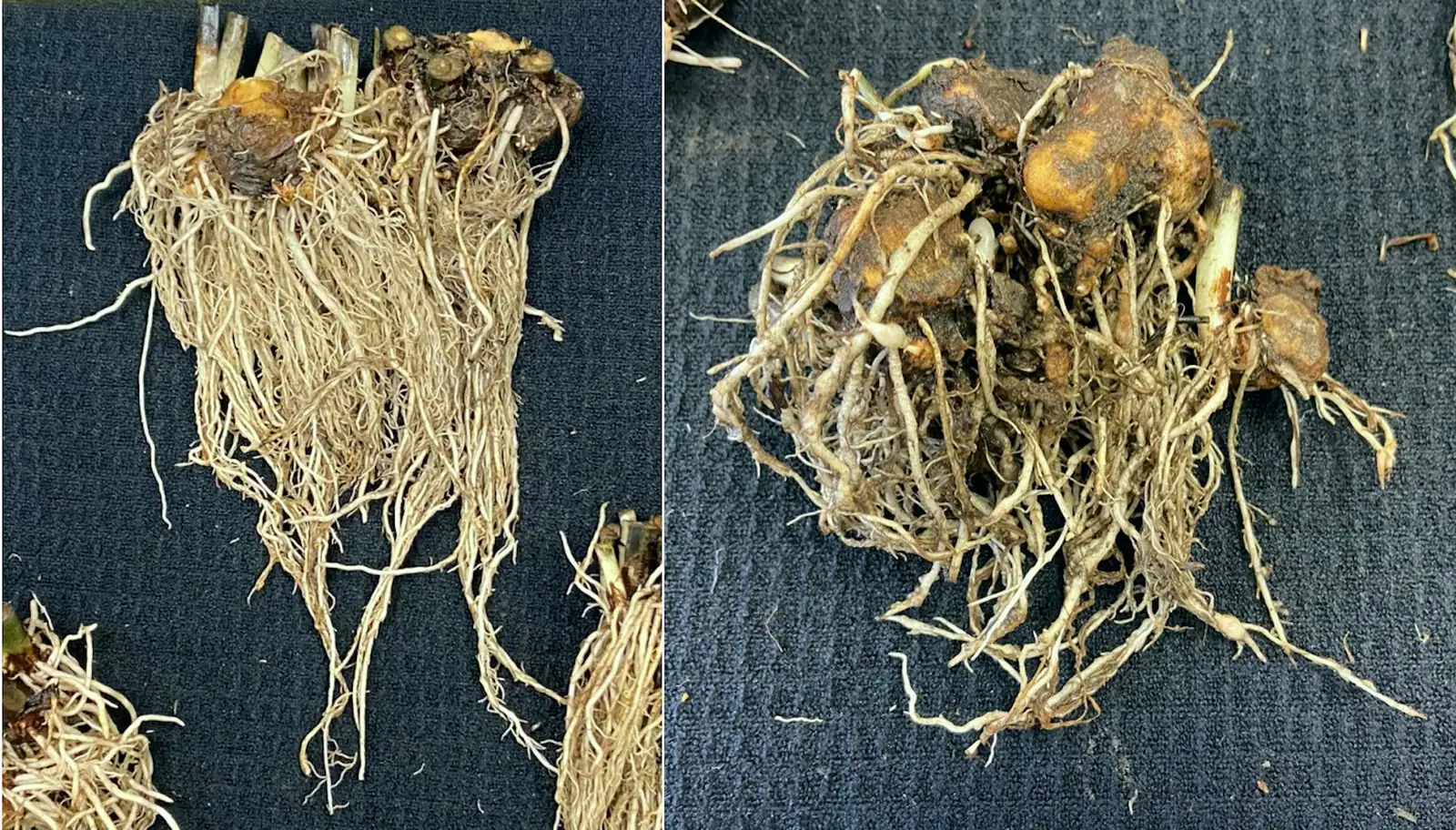
- Root and Tuber Rot: This is often due to poor drainage or overwatering. Picture your plant’s roots drowning in a swamp—unpleasant, right? Ensure your soil is well-draining and avoid waterlogging.
- Leaf Spots and Blights: These can be managed by improving air circulation and ensuring the foliage remains dry. In extreme cases, a fungicide may be necessary.
Preventive Care: Your Caladium’s Health Regimen
Keeping your Caladium healthy is much like maintaining a balanced diet and exercise routine: consistency is key.
- Watering: Water when the top inch of soil feels dry, aiming for that sweet spot of evenly moist soil.
- Lighting: Bright, filtered light is best. Think of it as your Caladium basking under a shady tree rather than sunbathing at the beach.
- Humidity: Keep humidity levels high. This could mean employing a humidifier or grouping plants together to create a micro-jungle.
Embracing the Dormant Cycle
Caladiums, like many of us, enjoy a good rest. As the days shorten, you’ll notice the leaves yellowing as they prepare for dormancy. This is normal. Reduce watering and let nature take its course. Store the tubers in a dry, cool place until they’re ready to re-emerge in spring.
By staying vigilant and giving your Caladium the care it needs, you can ensure that it remains a vibrant and cherished part of your plant collection. With patience and attention, you’ll be able to enjoy the beauty and heart-shaped hues of your Caladium bicolor for years to come. So, step into your garden armed with knowledge, and let your Caladium shine!