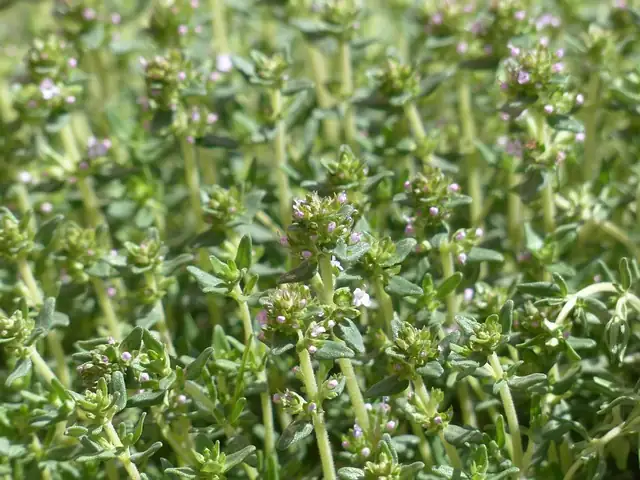
Imagine a plant so resilient and aromatic that it has stood the test of time, both in the kitchen and in the annals of legends. Enter Thymus vulgaris, commonly known as thyme—an unassuming herb that has woven itself into the fabric of history, culture, and folklore.
Thyme: A Symbol of Courage and Protection
Throughout the ages, thyme has been more than just a culinary delight. Its symbolic meanings resonate with courage, protection, and a clean, uplifting energy. This hardy herb, with its tiny, oil-rich leaves, has been a silent witness to the bravery of Greek soldiers, who infused their baths with thyme before heading into battle. Imagine the scene: warriors, clad in armor, drawing strength not only from each other but also from the humble sprigs of thyme floating in the steaming water.
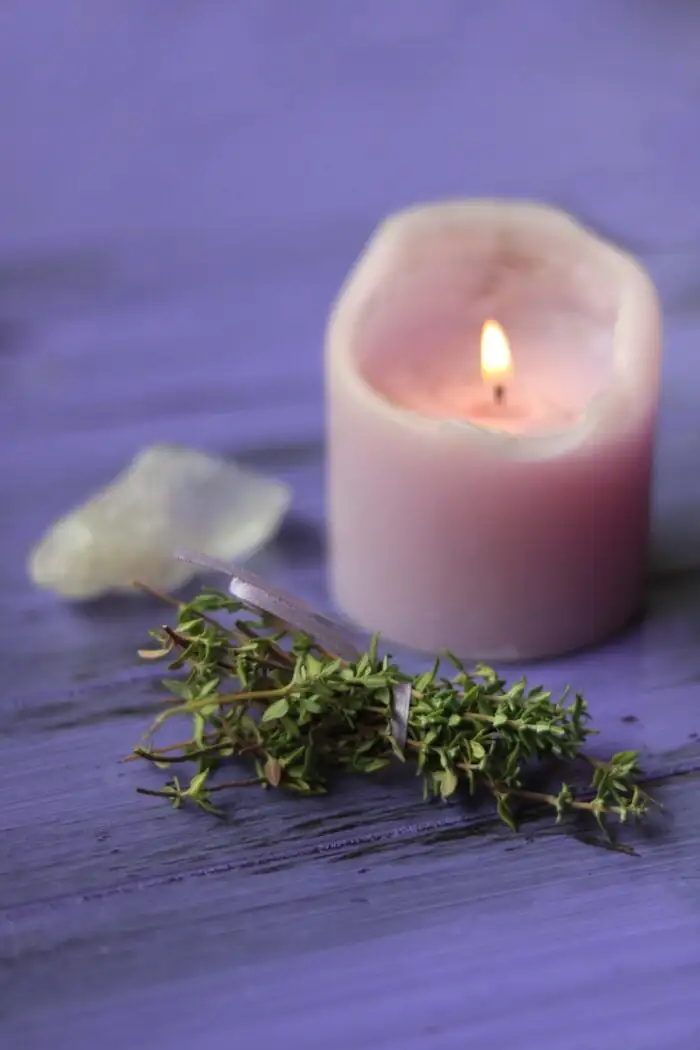
In the courts of medieval Europe, thyme took on a more delicate role. Ladies of the court would embroider thyme onto the tunics of their chosen knights, a silent yet powerful message of bravery and protection. Picture these knights riding into the unknown, their hearts steeled by the symbolic power of the herb stitched into their garments—a tradition rooted in the belief that thyme would shield them from harm.

The Flower Language of Thyme
In the language of flowers, thyme speaks of activity, bravery, and strength. But how did this small, evergreen herb earn such a robust reputation? The answer lies in its ancient roots, stretching back to the Mediterranean, where it was native. Its name, derived from the Greek word “thymon,” reflects its role as an offering in incense or sacrifice—practices steeped in the reverence of courage.
The ancients held thyme in high regard, not only for its symbolic meanings but also for its practical uses. Sumerians used it as an antiseptic, while the Greeks burned it as incense in their temples. The Romans associated it with the goddess Venus, seeing it as an emblem of graceful elegance and human activity. In these cultures, to “smell of thyme” was an expression of praise, a nod to its uplifting properties.
Cultural Origins and Folklore
The journey of thyme through history is as rich and varied as its uses. In Maryland, people would dig up their thyme bushes and carry them when moving house—an act of taking good luck along for the ride. In France, thyme leaves once served as a political symbol, demonstrating its pervasive influence beyond the realms of kitchen and garden.

Thyme’s association with protection extended even to the supernatural. It was believed that thyme could ward off nightmares, prompting people to tuck sprigs under their pillows. In tales of old, thyme was said to have sprung from the tears of Helen of Troy or the goddess Aphrodite, imbuing it with a mystical aura that transcended its earthly presence.
Practical Uses and Modern Reverence
Today, thyme continues to be cherished for its versatility. In the kitchen, it is a cornerstone of many dishes, from soups and stews to herbes de Provence. Its aromatic oils, particularly thymol, have found their way into soaps, perfumes, and cleaning products, testifying to its enduring appeal.
Gardeners appreciate thyme not only for its culinary uses but also for its ecological benefits. Its nectar-rich flowers are a magnet for bees and butterflies, making it a valuable addition to any pollinator-friendly garden. As a low-growing groundcover, it thrives in full sun, needing little more than well-drained soil to flourish.

A Herb for All Seasons
Thymus vulgaris is more than just an herb; it is a piece of living history, a thread connecting us to the past while enriching our present. Whether you are sipping thyme tea to soothe a tired mind or using it to add flavor to a favorite dish, remember the rich tapestry of courage and protection that this humble plant represents. So next time you pass by a thyme plant, take a moment to breathe in its fragrant leaves and reflect on the timeless stories it carries within.