
Discovering the Symbolism and Cultural Resonance of Baby’s Tears
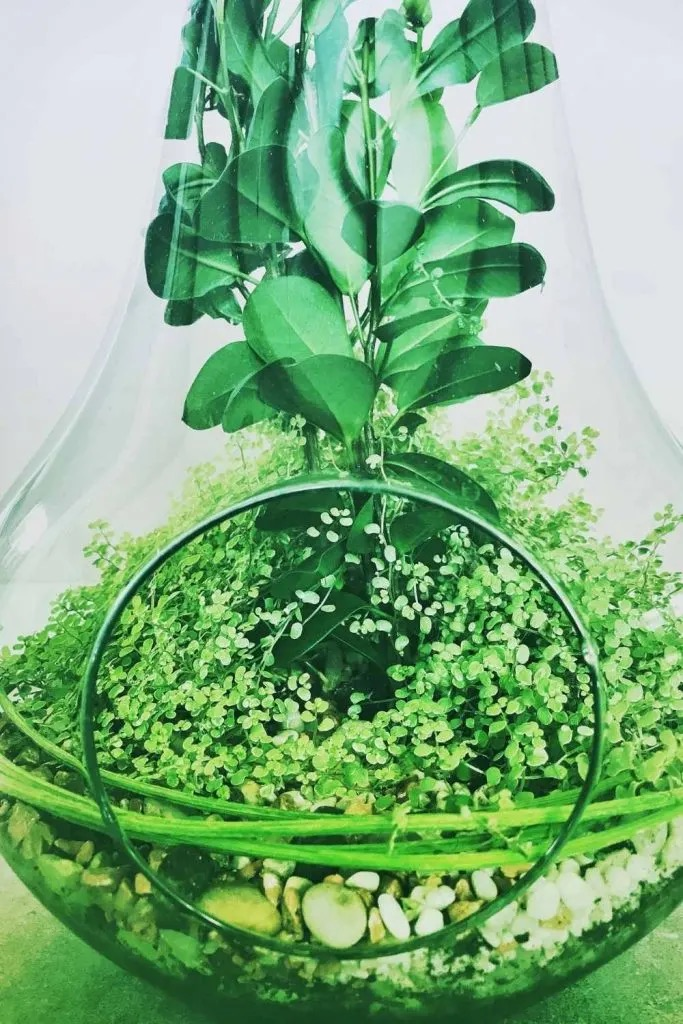
If you’ve ever wandered into a garden center or peeked into a terrarium, you may have encountered the lush, emerald-green mat of Baby’s Tears. This charming plant, whose scientific name is Soleirolia soleirolii, hails from the picturesque Mediterranean islands of Corsica and Sardinia. With its myriad of delicate, round leaves, it resembles a living, breathing carpet. But beyond its visual appeal, Baby’s Tears harbors layers of symbolism and cultural significance that make it a fascinating addition to any home.
A Plant of Many Names and Stories
Known by a plethora of whimsical aliases such as Angel’s Tears, Mind-Your-Own-Business, and Peace In The Home, Baby’s Tears is as rich in history as it is in names. These monikers hint at its ability to spread joyfully and effortlessly, filling every corner with its verdant presence. The plant’s ability to root wherever its stems touch soil is often seen as a metaphor for resilience and adaptability, traits that many cultures celebrate and strive to emulate.
The Language of Flowers: Innocence, Renewal, and Resilience
In the language of flowers, Baby’s Tears is often associated with innocence and purity. Its small, gentle leaves evoke a sense of tender care and vulnerability, akin to the soft cheeks of a baby. This imagery of youth and fragility has allowed the plant to become a symbol of renewal. Just as a blanket of Baby’s Tears spreads rapidly and covers new ground, it reminds us of life’s relentless push toward growth and rejuvenation.
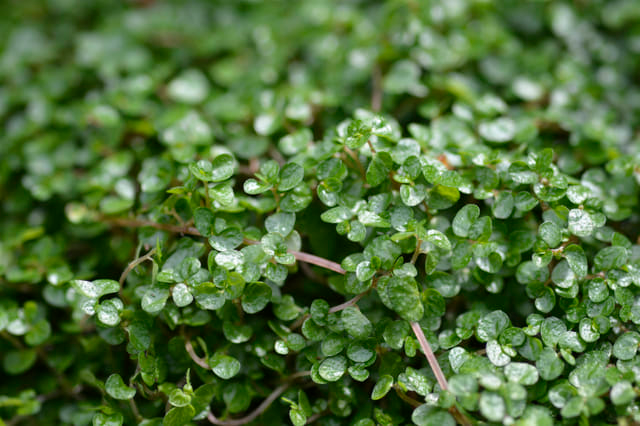
In a world constantly in flux, Baby’s Tears also embodies adaptability. It thrives in the damp, shaded environments it loves, illustrating how we, too, can flourish when we find our niche. Its connection to the water element in feng shui further enhances this symbolism, representing emotional flow and the ability to adjust to life’s challenges.
Feng Shui: A Harmonious Balance
In feng shui, Baby’s Tears is a botanical embodiment of the water element. When placed in a North-facing orientation, it harmonizes with the space, encouraging prosperity and emotional depth. The plant’s presence is thought to foster intuition and inner wisdom, attributes linked to the water element’s fluidity and transformative power.
The plant’s vibrant greenery also promotes a sense of tranquility and balance. However, like all things in feng shui, placement is key. Too much water element can lead to stagnation, so it’s important to balance Baby’s Tears with other elements to maintain harmony in your home.
Benefits Beyond Beauty
Beyond its symbolic meanings, Baby’s Tears offers practical benefits. Its dense foliage acts as a natural air purifier, helping to remove toxins and increase oxygen levels in your home. This makes it not only a beautiful decorative piece but also a contributor to a healthier living environment.
Caring for Baby’s Tears can also be a therapeutic experience. Its low-maintenance nature means it requires attention without overwhelming demands, making it perfect for both novice and seasoned gardeners. The act of tending to this plant can be a soothing ritual, offering a respite from the hustle and bustle of daily life.
Bringing Magic Into Your Space
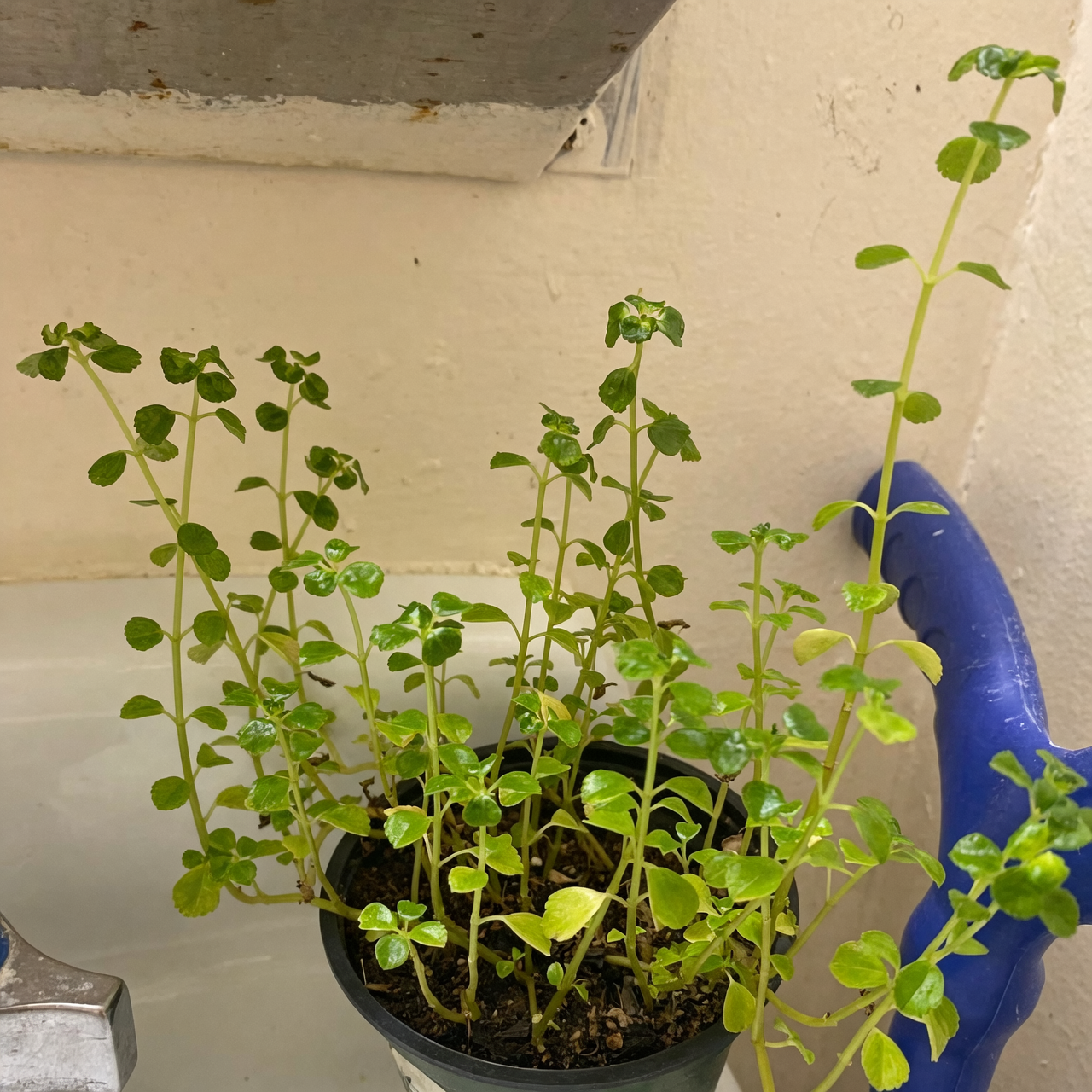
In modern settings, Baby’s Tears is often found in terrariums and fairy gardens, creating an enchanting atmosphere that invites whimsy and wonder into our homes. Its presence can transform a simple space into a magical retreat, a testament to the power of greenery in enhancing our living environments.
Whether you’re drawn to Baby’s Tears for its aesthetic appeal, its rich cultural tapestry, or its symbolic meanings, this plant is a delightful companion in any indoor garden. Its ability to adapt and thrive in diverse conditions echoes our own potential for growth and resilience. So, why not invite a little of this magic into your home? After all, in the world of plants, sometimes the smallest leaves carry the deepest meanings.