
Indoor plants can turn your living space into a lush oasis, but to keep them vibrant and healthy, understanding the nuances of temperature and humidity is key. Whether you’re a green-thumbed guru or a curious beginner, this guide will help you create the perfect environment for your leafy friends.
The Ideal Temperature for Your Indoor Jungle
Most indoor plants hail from tropical or subtropical regions, meaning they flourish in warmer conditions than most of our homes naturally provide. Here’s how to keep them cozy:
- Daytime Delight: Aim for temperatures between 70°F and 80°F (21°C to 27°C) during the day. This range suits most foliage plants, ensuring they photosynthesize efficiently and grow robustly.
- Nighttime Cool Down: A slight drop to 60°F to 68°F (16°C to 20°C) at night helps plants recover from daytime dehydration and can enhance flower colors. For flowering plants, a chillier 55°F to 60°F (13°C to 16°C) is often beneficial.
- Avoid Drafty Dilemmas: Keep plants away from heat registers and air conditioning vents. Sudden temperature changes can cause stress, leading to leaf drop or even plant failure.
Navigating Humidity: More Than Just a Misting
Humidity can be a silent struggle for indoor plants, especially during winter when heating systems dry the air. Here’s how to keep humidity levels just right:
- Humidity Heroes: Most indoor plants appreciate higher humidity levels. Aim for 40% to 60% relative humidity for general plant happiness. Tropical plants often thrive above 70%.
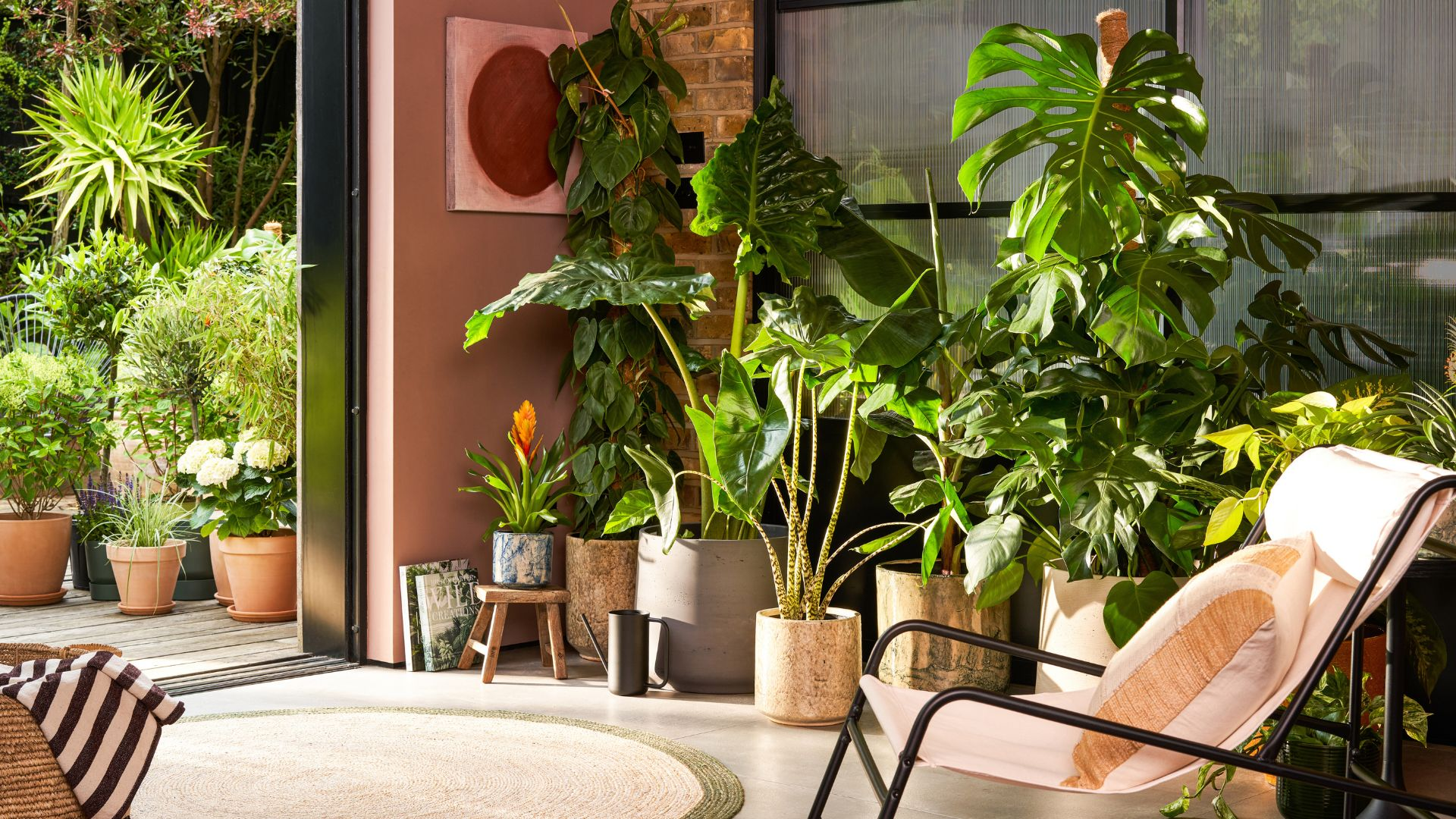
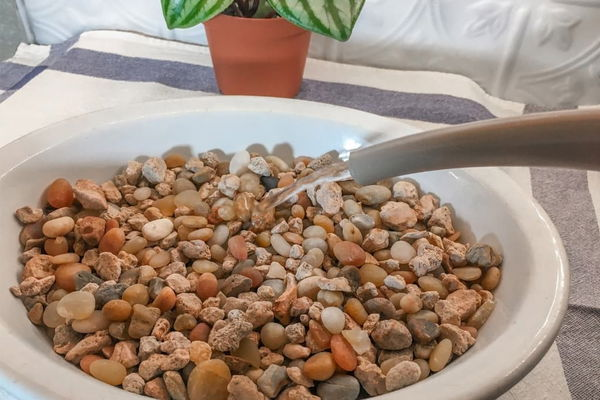
- Group Power: Place plants close together on a pebble tray filled with water. As the water evaporates, it increases the humidity around them.
- Misting Myths: While misting can temporarily boost humidity, it needs to be frequent. Use tepid water and avoid misting plants with fuzzy leaves, like African violets, to prevent fungal issues.
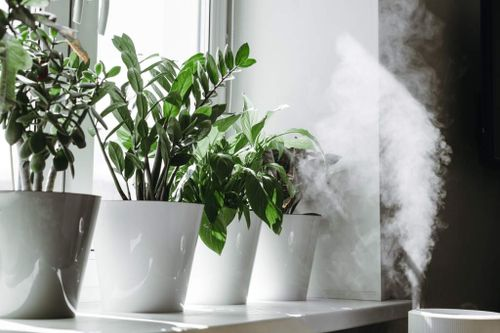
- Gadget Gains: Consider a humidifier for a hassle-free humidity boost, benefiting both plants and people.
Spotting and Solving Temperature and Humidity Problems
Being proactive about potential plant problems can save your indoor garden. Keep an eye out for these signs:
- Temperature Stress: Leaves turning brown or crispy, wilting, or dropping, especially if plants are by hot windows or cold drafts.
- Humidity Woes: Look for brown leaf tips or edges and increased soil dryness, indicating low humidity stress.
- Quick Fixes: Move plants away from drafty spots, use sheer curtains to diffuse sunlight, and keep a thermometer handy to monitor room temperature.
Conclusion
Creating a thriving indoor garden is all about balance. By keeping temperatures within their preferred ranges and ensuring adequate humidity, your plants will reward you with lush growth and vibrant blooms. Remember, each plant has its own quirks, so a little research can go a long way. With these tips in mind, you’re well on your way to a thriving indoor paradise!