Discover the Magic of Companion Planting with Yarrow: Your Garden’s Secret Weapon
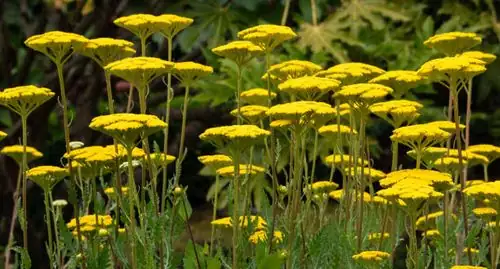
Imagine a garden where plants don’t just coexist but actively help each other thrive. Enter the world of companion planting, where Achillea millefolium, or yarrow, plays a starring role. This resilient, herbaceous perennial is like that friend who always has your back, enhancing the health and productivity of your garden in an array of delightful ways.
Why Choose Yarrow as a Companion Plant?
Yarrow is the versatile multitasker of the plant world, offering benefits that go far beyond its feathery foliage and charming blooms. Here’s why you should consider inviting yarrow into your garden’s social circle:
1. Attracting Beneficial Insects
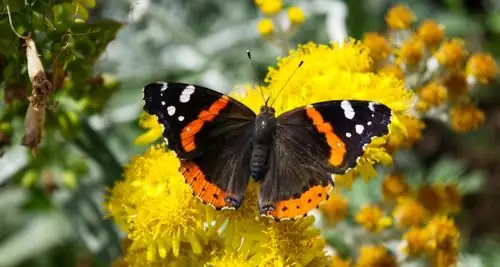
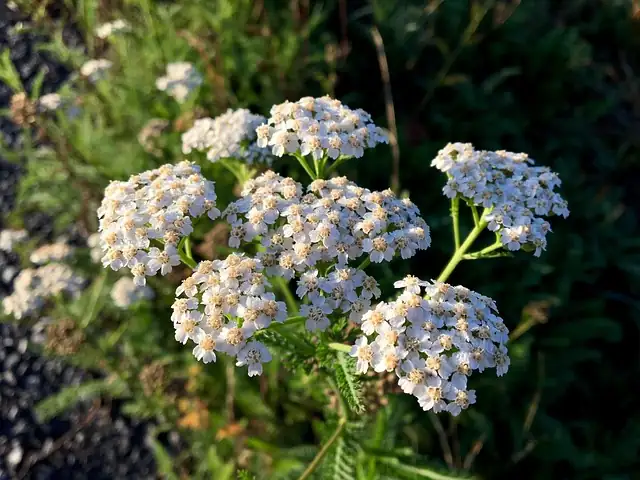
Yarrow is a magnet for pollinators like bees and butterflies, thanks to its flat-topped clusters of tiny flowers that act as landing pads. But it doesn’t stop there. Yarrow also attracts predatory insects like ladybugs, hoverflies, and parasitic wasps. These garden allies feast on common pests such as aphids and caterpillars, reducing the need for chemical pesticides and supporting a healthier, more balanced ecosystem.
2. Improving Soil Health
With its deep roots, yarrow not only helps prevent soil erosion but also enhances soil quality. It draws nutrients up from deep within the soil, making them available to neighboring plants. This nutrient-sharing capability is akin to bringing a potluck dish to a garden party, ensuring that everyone has something to enjoy.
3. Boosting Essential Oil Production
Garden folklore suggests that yarrow can increase essential oil production in adjacent plants. This is particularly beneficial if you’re growing aromatic herbs or even cannabis. Imagine your garden filled with even more fragrant rosemary, sage, or oregano, all thanks to the silent support of yarrow.
Best Companion Plants for Yarrow
Yarrow is the social butterfly of the garden world, complementing a wide variety of plants. Here are some excellent companions to consider:
- Herbs: Pair yarrow with oregano, sage, rosemary, and bee balm. These herbs not only thrive in similar conditions but also create a fragrant and visually appealing garden bed.
- Flowering Perennials: Combine yarrow with coneflowers, sedum, and daylilies for a stunning display of color throughout the summer. The contrasting textures and colors will make your garden a feast for the eyes.

- Shrubs: Plant yarrow alongside hydrangeas or weigela. These shrubs bloom at different times, providing continuous color from spring through fall.
Planting and Care Tips
Yarrow is as easygoing as it is beneficial. Here’s how to help it flourish:
- Sunlight: Yarrow thrives in full sun, which encourages robust, compact growth and abundant flowering.
- Soil: It prefers well-drained soil and is quite content in poor to average soil conditions. Avoid overly rich soils that can lead to leggy growth.
- Watering: Once established, yarrow is drought-tolerant. Water it during prolonged dry spells, but avoid soggy soil conditions that can cause root rot.
- Maintenance: Deadhead spent blooms in mid-summer to encourage further flowering. In fall, you can cut back the plant or leave some seed heads for winter interest.
A Word of Caution
While yarrow is a garden hero, it’s important to note that it can be toxic to pets like dogs, cats, and horses. It’s also wise to handle it with care if you have sensitive skin, as it can cause dermatitis in some individuals. And those considering using yarrow medicinally should consult a healthcare professional, especially during pregnancy.
Embrace the Yarrow Life
Incorporating yarrow into your garden is like adding a Swiss Army knife to your gardening toolkit—multifunctional, reliable, and incredibly useful. Its ability to attract beneficial insects, improve soil health, and boost your garden’s vitality makes it an invaluable ally in creating a thriving, harmonious outdoor space. So why not let yarrow work its magic in your garden this season? Your plants—and the pollinators—will thank you!