The Resilient Spirit of Yucca filamentosa: A Botanical Emblem of Endurance
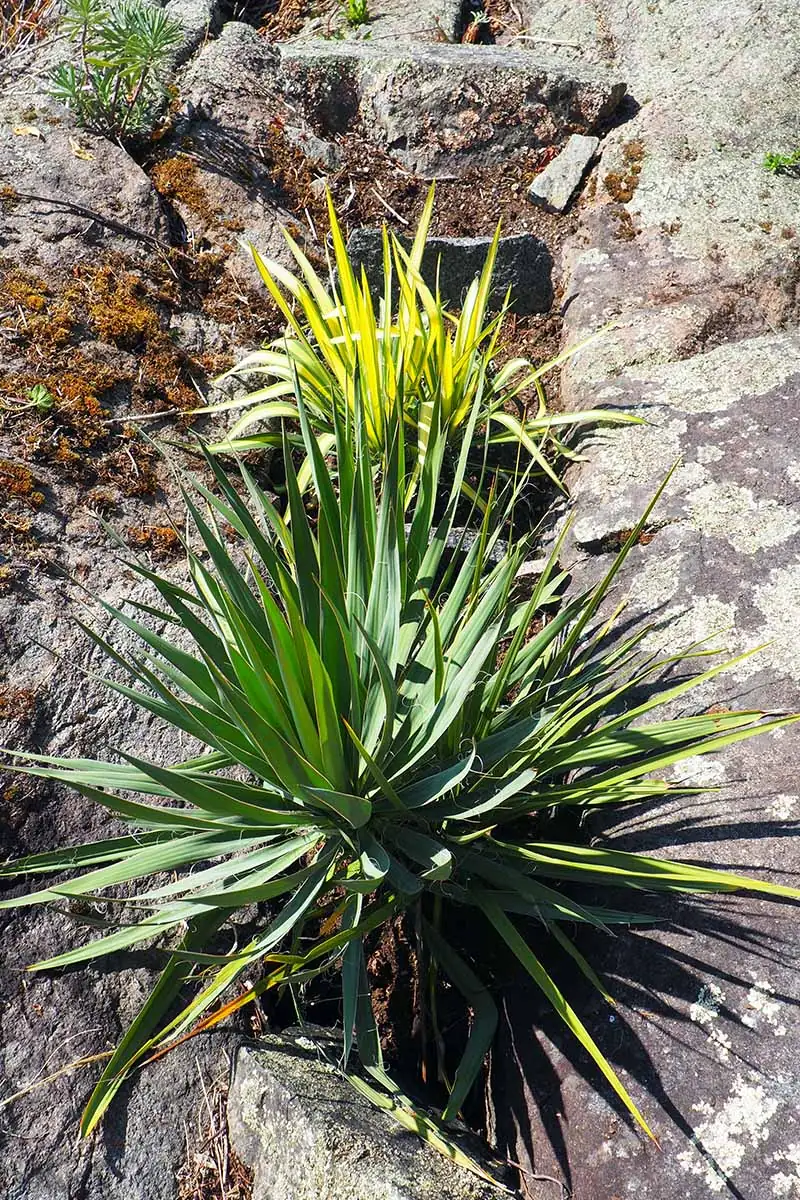
In the world of botany, few plants encapsulate the rugged determination and unwavering spirit of nature quite like Yucca filamentosa, commonly known as Adam’s Needle. This architectural marvel, with its sword-like leaves and towering flower spikes, is more than just a striking presence in gardens; it’s a symbol of resilience, deeply rooted in cultural history and nature’s narrative.
Cultural Symbolism and Historical Significance
Yucca filamentosa is a plant that tells a story of endurance and adaptability, traits that have made it a revered symbol across various cultures. Native to North America, particularly in regions stretching from Panama to southern Canada, this plant has long been a staple in the lives of Indigenous peoples. For them, the yucca’s robust fibers were not just materials for crafting ropes and baskets but also a testament to survival and resourcefulness in challenging environments.
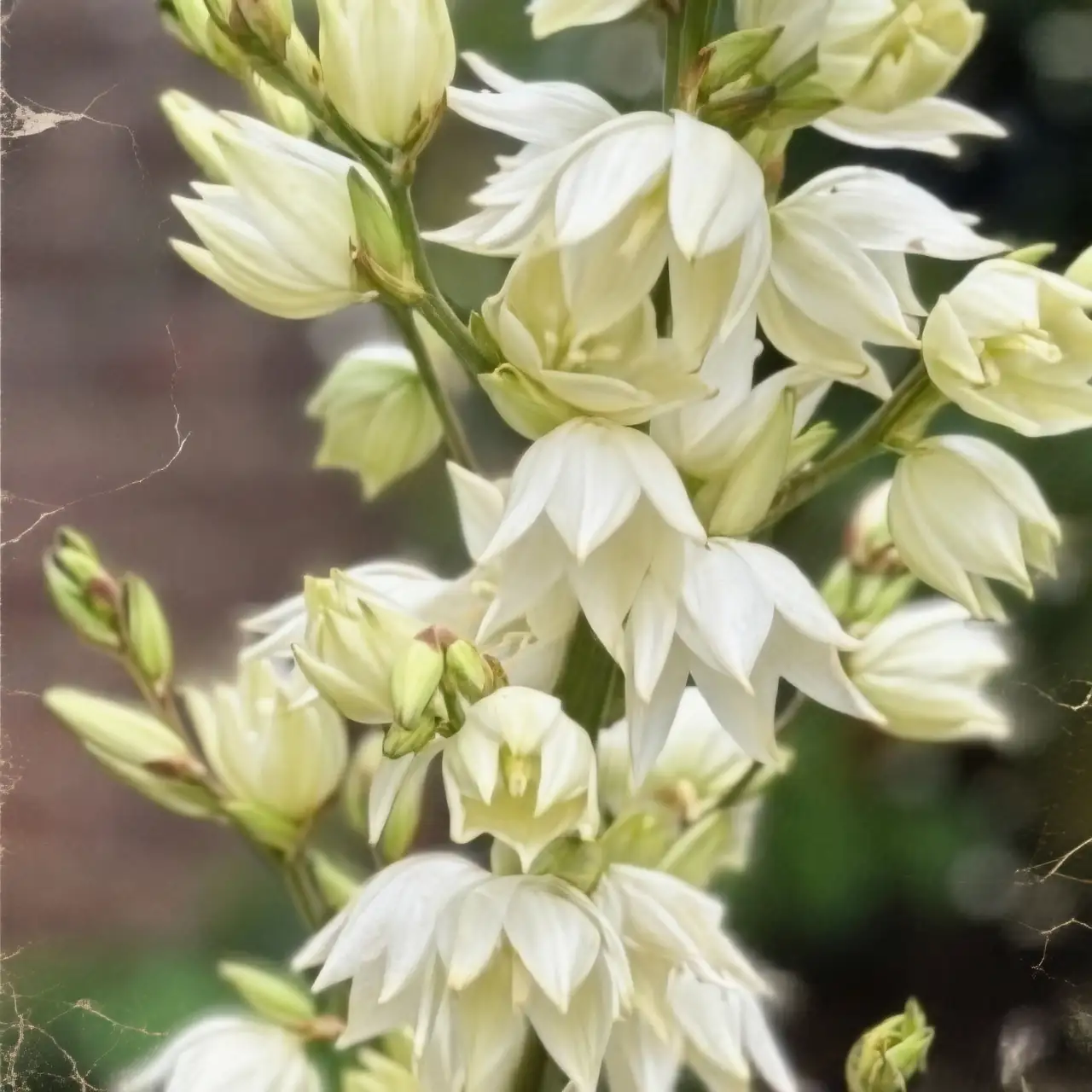
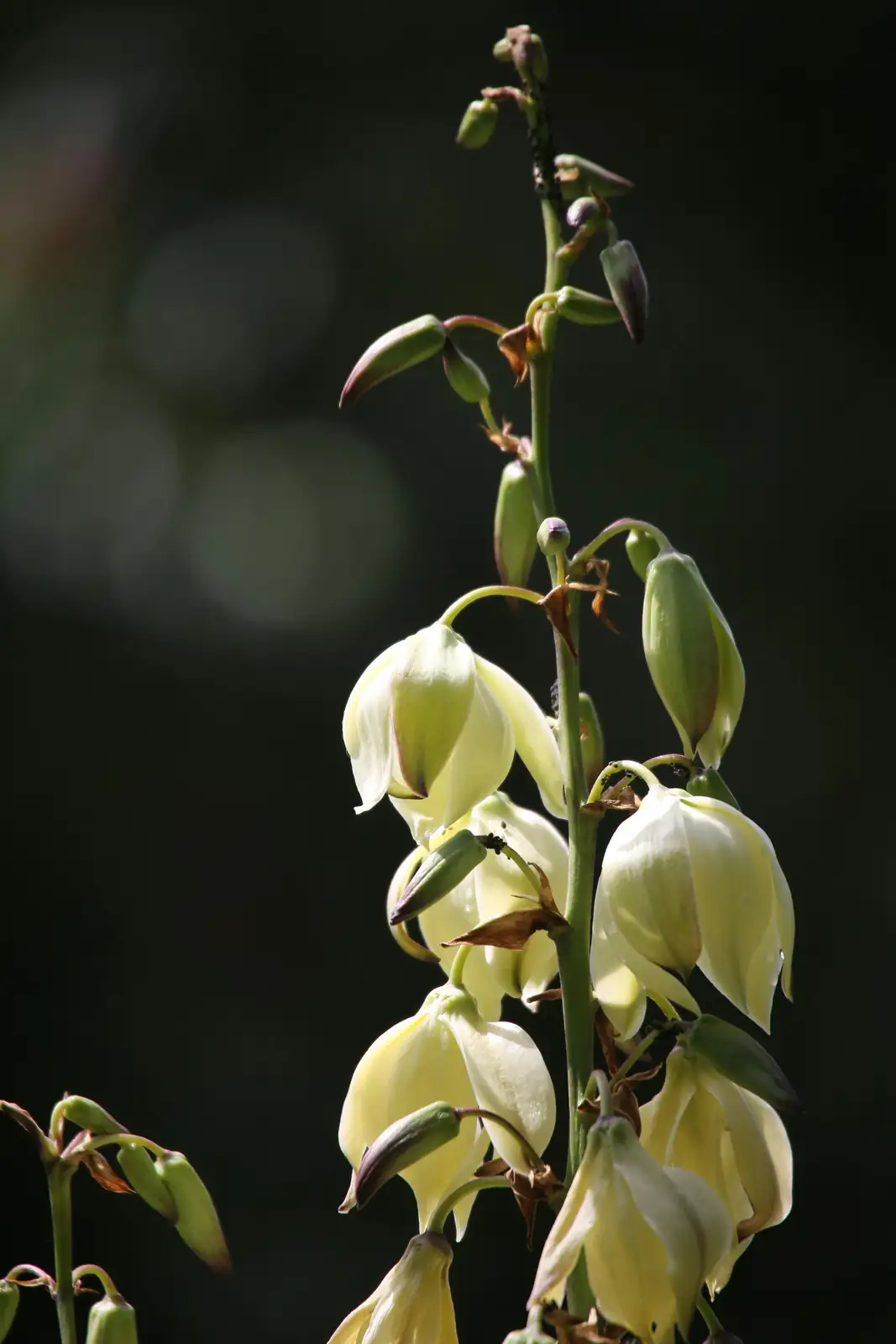
The plant’s symbolism extends beyond practicality. In the language of flowers, Yucca filamentosa stands for protection and purity. Its sword-like leaves embody strength and resilience, while the creamy-white blooms add a touch of purity and beauty, creating a complex symbol of stoic endurance combined with elegance.
A Journey Across Continents
Yucca filamentosa’s introduction to Europe in the 17th century marked the beginning of its global journey. European explorers and settlers were captivated by its unique form and hardiness, leading to its widespread popularity as an ornamental plant. Its ability to thrive in diverse soil types and resist pests made it an ideal choice for the ornamental gardens of Europe and later, the arid landscapes of the 19th and 20th centuries.
The Yucca’s Modern-Day Appeal
Today, Adam’s Needle continues to be a favorite in landscaping, especially in xeriscapes and rock gardens where its dramatic silhouette and tall flower spikes serve as focal points. Its low maintenance requirements and drought tolerance make it a practical yet striking choice for gardeners seeking to add a bold element to their outdoor spaces.
In Southern culture, the plant is also embraced as a symbol of hospitality. Its spiky leaves are said to deter unwanted visitors, yet its presence adds a welcoming charm, echoing the duality of protection and openness.
Growing Your Own Symbol of Endurance
Sun and Soil Needs: Adam’s Needle thrives in full sun and well-draining soil, reflecting its natural habitat preferences. It is remarkably easy to care for once established, demanding little more than occasional watering and a well-drained soil to keep its roots from sitting in moisture.
Cold Hardiness: Despite its sun-loving nature, Yucca filamentosa is surprisingly cold-hardy, withstanding temperatures as low as −20°C (−4°F). This resilience against the cold further cements its role as a symbol of endurance.
Propagation and Care: Propagation is best achieved through division or offsets, making it a rewarding plant for those who enjoy seeing their garden efforts multiply. Pruning spent flower stalks and yellowing leaves keeps the plant tidy and redirects its energy towards new growth.
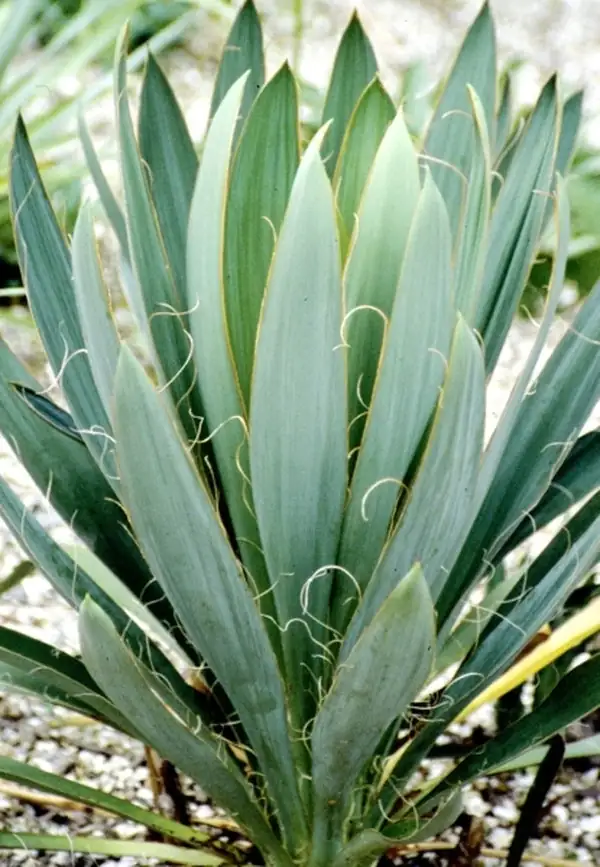
More Than Just a Garden Ornament
Beyond its aesthetic appeal, Yucca filamentosa plays a practical role in air purification and soil stabilization, making it an environmentally friendly choice. Its historical uses as a source of soap and fibers add layers to its utility, reminding us of a time when plants were central to daily life.
Embracing the Spirit of Yucca filamentosa
Incorporating Yucca filamentosa into your garden is not just about enhancing its visual appeal; it’s about embracing a plant that stands as a testament to life’s enduring spirit. Whether you’re drawn to its historical significance, its symbolic meanings, or simply its striking beauty, Adam’s Needle offers a unique blend of resilience and grace—a true botanical emblem of endurance.
In your garden, let Yucca filamentosa be a living reminder of nature’s tenacity, a steadfast companion through the seasons, and a beautiful embodiment of resilience and purity.