A Journey through Time: The Rise of Begonia maculata
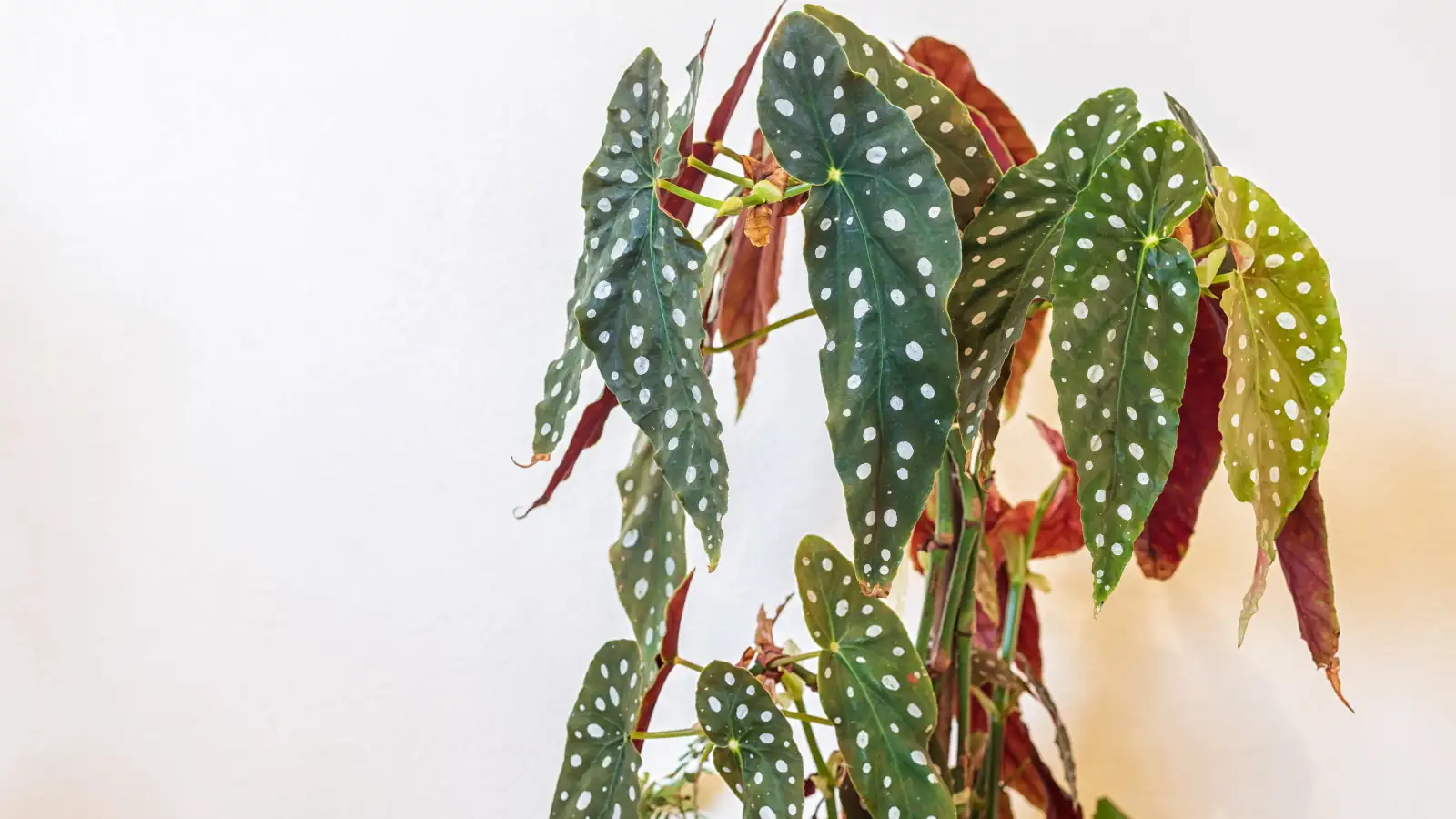
Imagine a plant that captures the essence of a lush Brazilian rainforest, yet fits comfortably in your living room. Meet Begonia maculata, a botanical marvel with a colorful history and an even more vivid presence. Commonly known as the Polka Dot Begonia, this plant is a true showstopper with its silver-spotted leaves that resemble the wings of a whimsical creature from a fairy tale. But how did this tropical wonder make its way from the depths of Brazil’s Atlantic Forest to become one of the most coveted houseplants in the world?
Discovery in the Brazilian Wilderness
The story of Begonia maculata begins in the early 19th century, amidst the verdant landscapes of Southeast Brazil. This region, particularly the states of Espírito Santo and Rio de Janeiro, boasts a rich tapestry of biodiversity, with the Atlantic Forest serving as a lush backdrop. It was here, on the mountain Corcovado in Rio de Janeiro, that Italian botanist Giuseppe Raddi first documented this species in 1820.
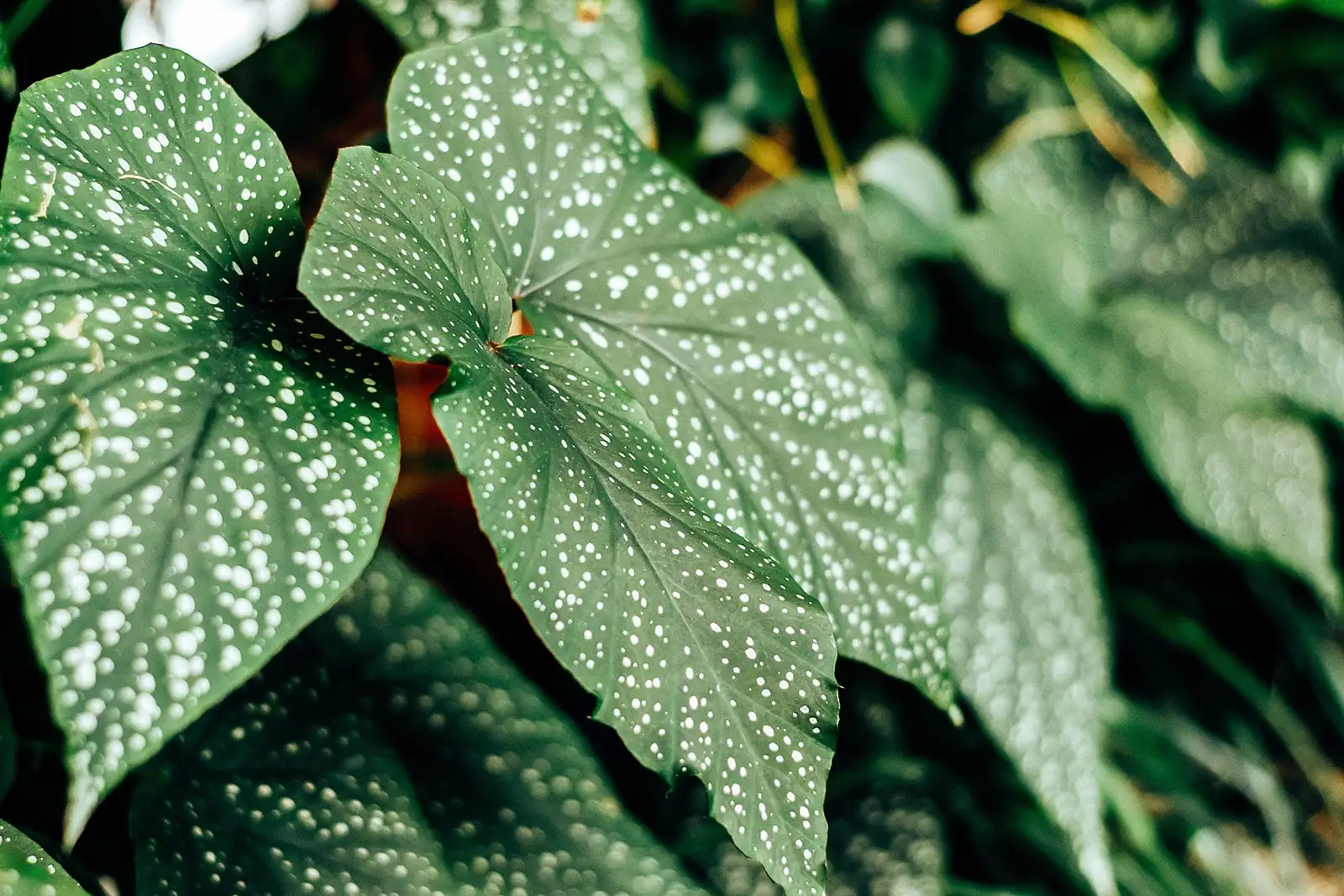
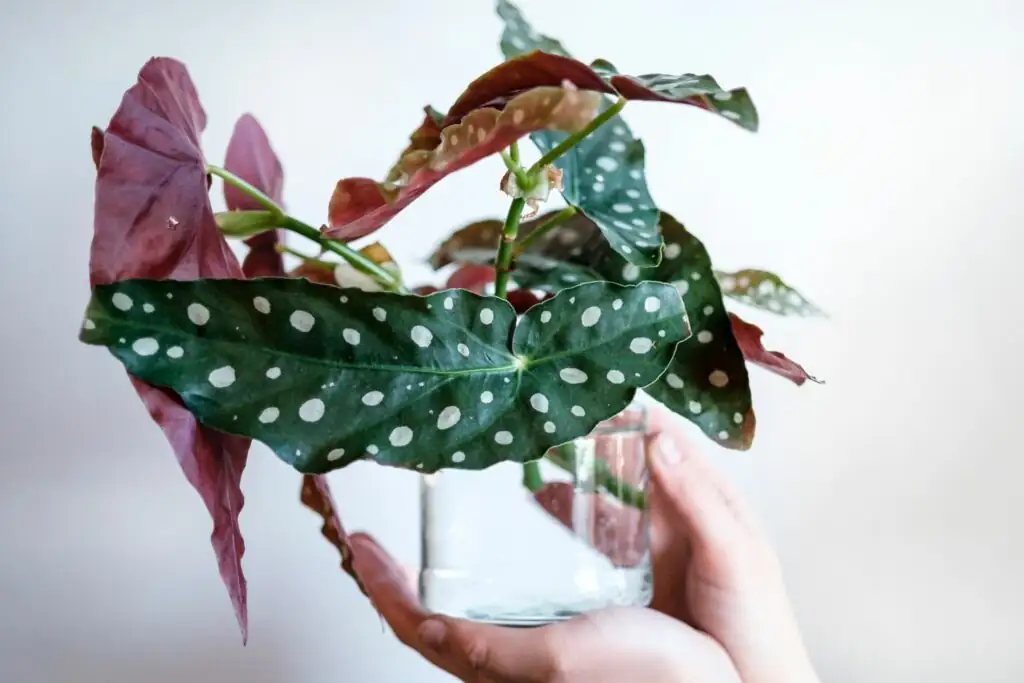
Raddi, a keen observer of nature, was captivated by the plant’s striking appearance. The upper sides of the leaves are a deep, forest green, adorned with silvery-white polka dots, while the undersides are a dramatic reddish-burgundy. This begonia, part of the extensive Begoniaceae family, soon caught the eye of plant enthusiasts around the world.
The Polka Dot Phenomenon
While originally known by various local names such as Trout Begonia or Clown Begonia, the term “Polka Dot” didn’t become associated with the plant until the mid-1800s. Around this time, spotted fabrics—reminiscent of the plant’s characteristics—became fashionable, and the name stuck. The plant’s distinctive pattern is not just for aesthetics; some theories suggest that these spots mimic butterfly eggs, deterring future egg-layers and potential pests.
From Brazil to the World
Despite its exotic origins, Begonia maculata has been introduced to regions beyond Brazil, including Mexico, Cuba, and Argentina. Its adaptability and striking appearance made it a favorite among horticulturists and home gardeners alike. As early as 1871, it was described in the California Horticulturist as “a very desirable variety,” and today, it’s a social media sensation, with #begoniamaculata being one of the most popular begonia hashtags on Instagram.
A Houseplant Darling
What makes Begonia maculata so appealing as a houseplant? For one, its bamboo-like stems and angel-wing leaves make it an architectural delight. Indoors, it typically grows to about 60–90 cm (24–36 in), though it can reach up to 150 cm (5 ft) under optimal conditions. In bright, indirect light, it rewards caretakers with clusters of creamy-white to pale pink flowers, adding a splash of elegance to any room.
Yet, this begonia is not just about looks. It symbolizes individuality and playful beauty, often linked to creativity and confidence. In Chinese culture, begonias carry meanings of bittersweet love and longing, while feng shui traditions view them as bringers of positive energy and fortune.
Caring for Your Begonia maculata
Owning a Polka Dot Begonia is like inviting a piece of the rainforest into your home. It thrives in bright, indirect light and prefers a humid environment—think of it as a diva that appreciates the spotlight and a touch of humidity. Keep it away from harsh sunlight to prevent leaf scorch, and ensure your potting mix drains well to avoid root rot. Regular watering, paired with moderate feeding during the growing season, will keep this beauty thriving.
Conclusion
From its discovery in Brazil to its current status as a beloved indoor plant, Begonia maculata’s journey is as captivating as its appearance. Whether you’re drawn to its history, its aesthetic, or its symbolism, this plant offers a piece of natural artistry to those who welcome it into their lives. So, the next time you admire its spotted leaves, remember the rich tapestry of rainforests it hails from and the journey it has taken to become a cherished part of our homes.