Exploring the Symbolism of Boxwood: A Journey Through Cultures and Traditions
Imagine a plant so versatile and enduring that it has woven itself into the tapestry of various cultures for centuries. Meet the boxwood, or _Buxus spp._, a steadfast evergreen that has not only graced gardens with its compact beauty but also carried profound meanings across the globe. From symbolizing longevity in Chinese culture to playing a significant role in Christian traditions, boxwood is much more than just a garden staple.
A Testament to Longevity and Resilience
In Chinese culture, boxwood is often referred to as “longevity wood.” Its ability to thrive in diverse conditions and withstand harsh weather makes it a symbol of perseverance and resilience. This mirrors the Chinese philosophy of endurance and adaptability, reflecting an unyielding spirit against adversity. Consider how placing this plant in your garden might not only beautify the space but also invite a sense of strength and endurance into your home.
Boxwood in Feng Shui: Balancing Energies
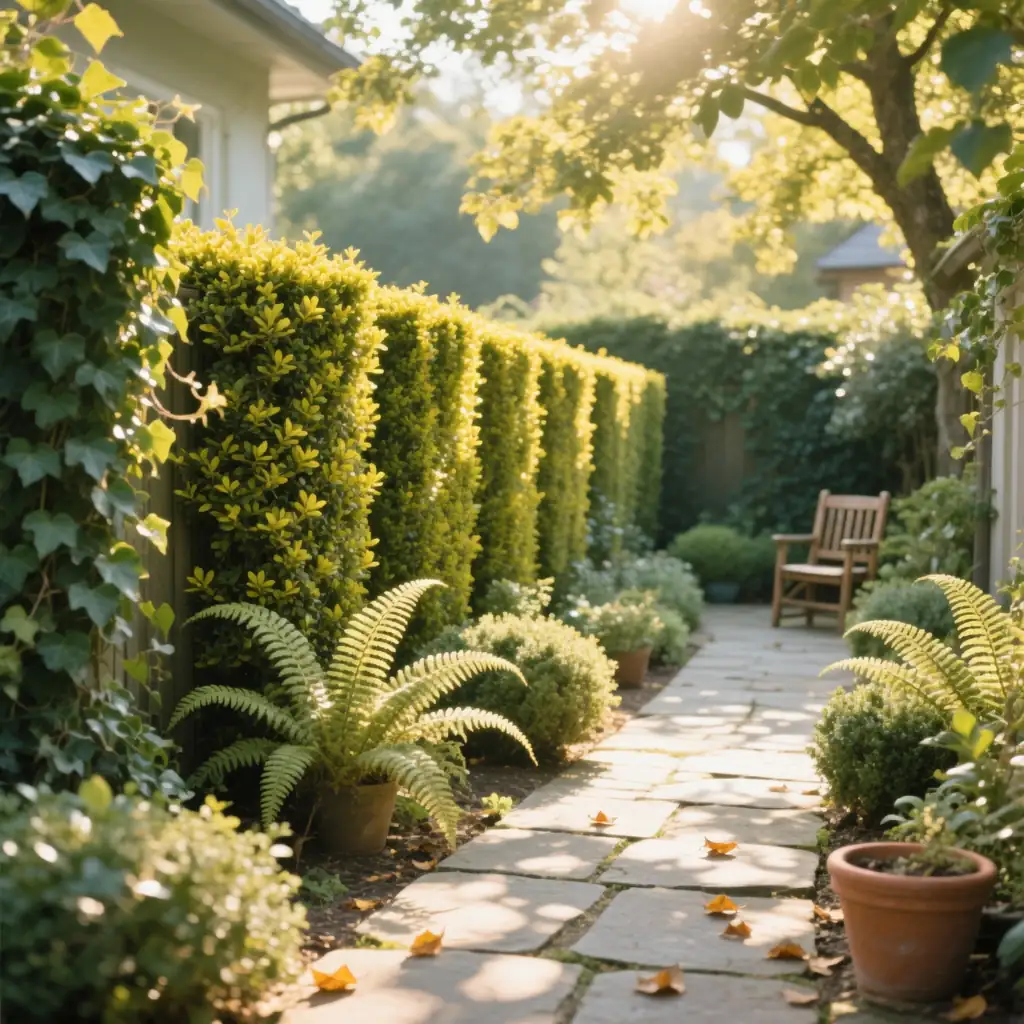
In the art of Feng Shui, boxwood is revered for its ability to harmonize energy flow, or Qi. Its structured growth and evergreen nature make it an ideal choice for creating hedges that guide and channel positive energy. Imagine a boxwood hedge strategically placed to block negative Qi and enhance the positive, creating a sanctuary of balance and peace right in your backyard.
A Shield Against Negativity
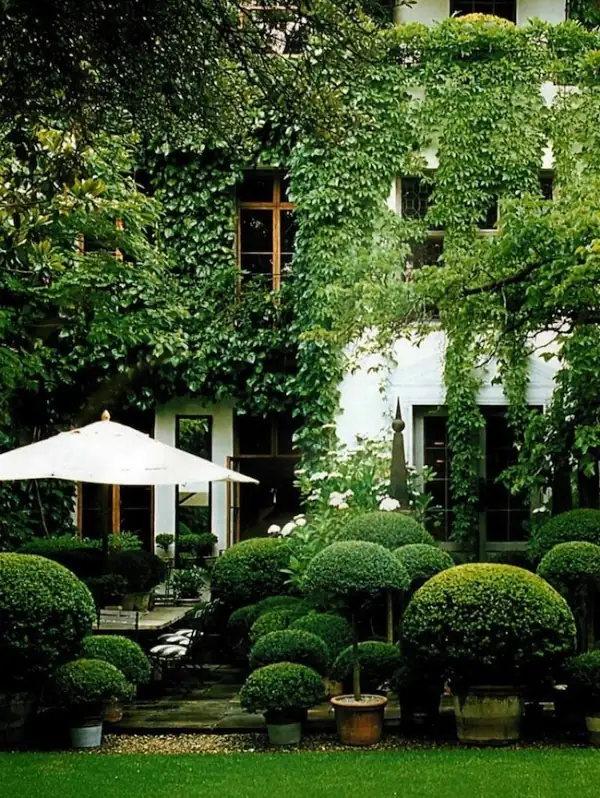
Beyond its aesthetic charm, boxwood is also considered a protective plant in various cultures. In Chinese tradition, it is believed to ward off evil spirits and negative energies, acting as a green guardian. Picture a boxwood plant or sculpture at the entrance of a home or temple, standing as a sentinel that ensures a harmonious environment.
Christian Traditions and Boxwood
In the realm of Christian symbolism, boxwood holds a special place, particularly during Palm Sunday. In regions where palms are scarce, boxwood branches are often used as a substitute, symbolizing perseverance and eternal life. The plant’s evergreen nature serves as a metaphor for the everlasting life promised in Christian faith, a reminder of hope and renewal during the holy observances.
A Historical Perspective
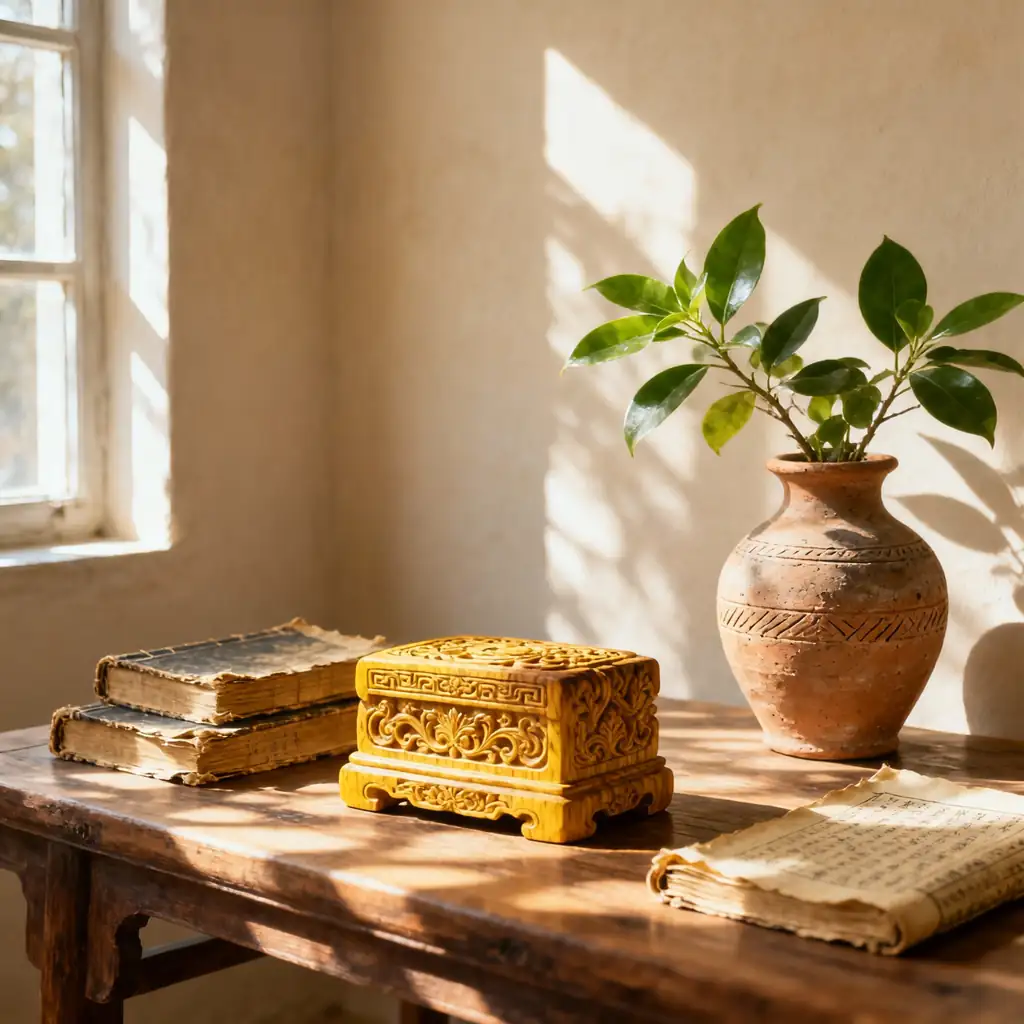
Boxwood has been a part of human history for thousands of years. The ancient Mediterranean cultures cherished its hard, fine-grained wood for crafting and carving. Fast forward to Christian Europe, where it became intertwined with religious practices, and you’ll find boxwood as a living link to the past—a true guardian of history.
Evergreen Beauty and Practical Uses
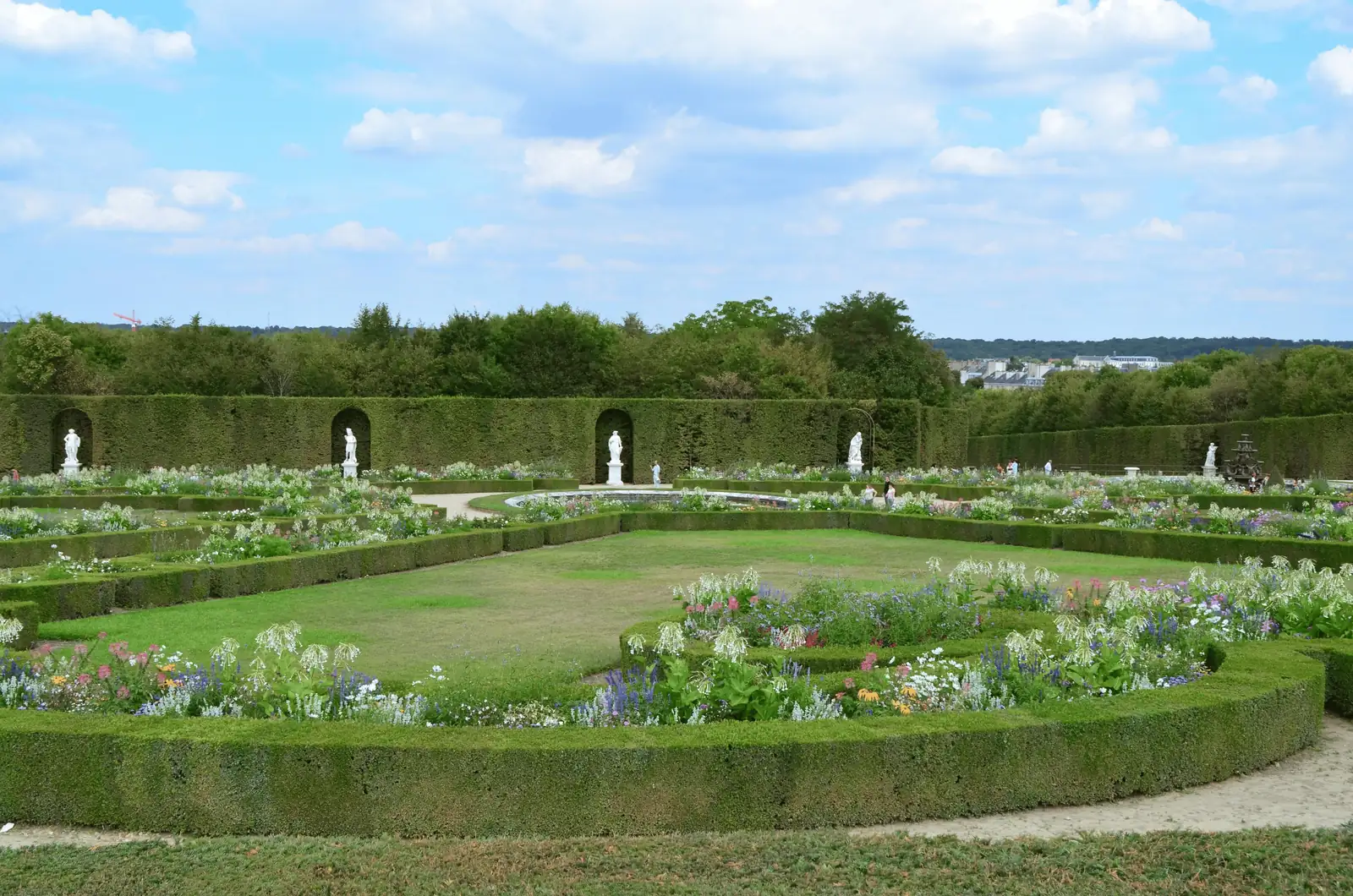
Beyond its symbolic meanings, boxwood is a practical choice for gardeners. Its dense foliage and compact form make it perfect for hedges, topiaries, and formal gardens. Its slow growth rate ensures that it maintains a neat, manicured appearance, making it a favorite for creating structured landscapes.
Maintaining Your Boxwood
Caring for boxwood is relatively straightforward, given its easy to moderate care level. Ensure good drainage, avoid waterlogged conditions, and protect it from harsh winter winds to keep this resilient plant thriving. Regular pruning helps maintain its shape and allows light and air to reach its interior, promoting healthy growth.
A Few Fascinating Facts
- Did you know that boxwood wood is so dense it can sink in water? This quality made it highly valued for precision tools and detailed carvings.
- Boxwood can live for centuries, becoming a long-term feature in historic gardens and estates.
- Its fine, even grain made boxwood a favorite material for wood engraving blocks in early printing and illustration.
Whether you are drawn to its symbolism, historical significance, or practical uses, boxwood offers a rich tapestry of stories and benefits. As you incorporate this enduring plant into your life, consider the deep cultural roots and timeless resilience it brings to your surroundings.