The Golden Pothos: Nature’s Air Purifier or Mere Myth?
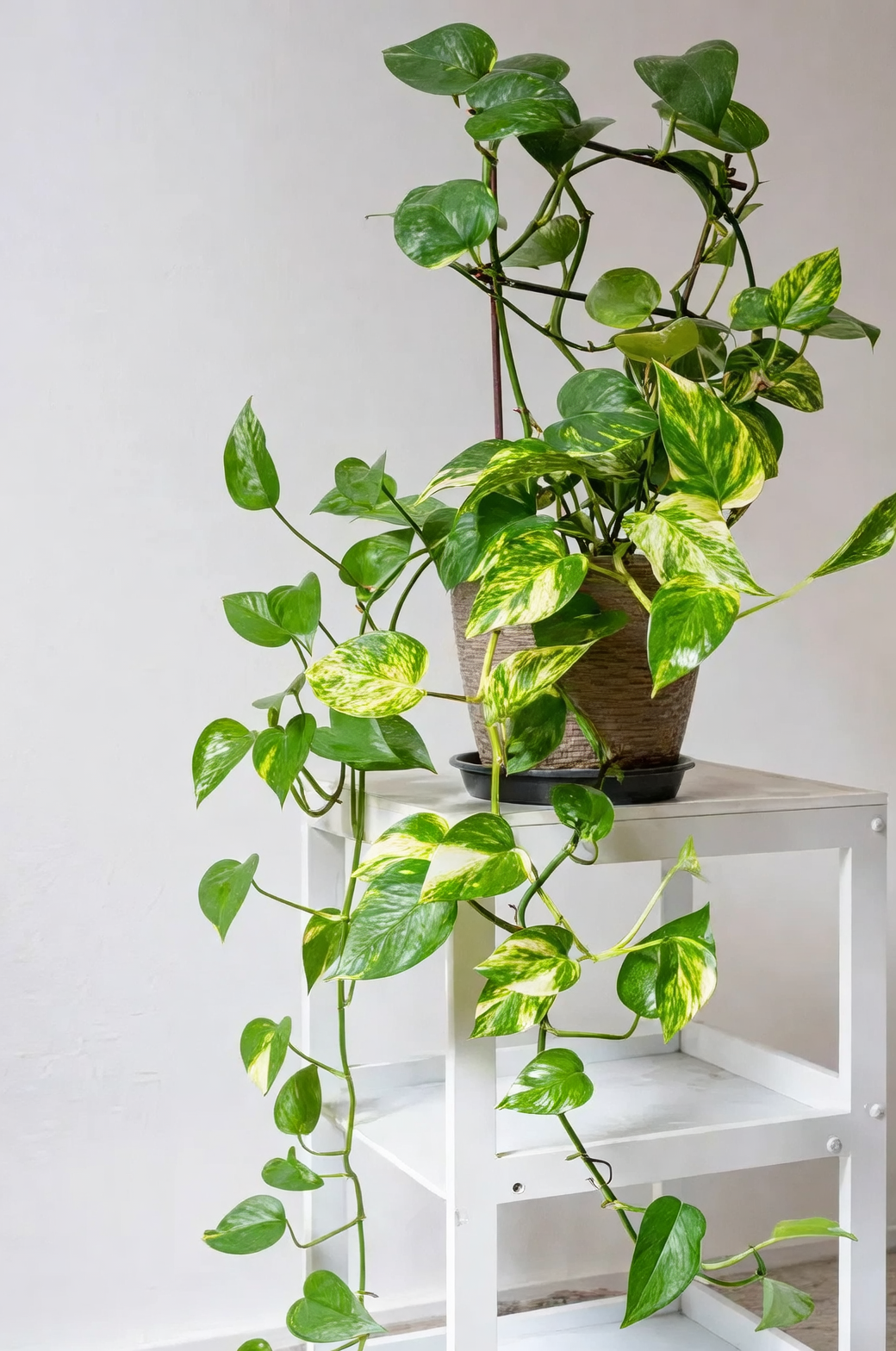
Few houseplants hold the sort of legendary status that the Golden Pothos (Epipremnum aureum) enjoys. Known affectionately as “Devil’s Ivy” for its indestructible nature, this green companion is rumored to purify the air, making it a staple in homes and offices worldwide. But does it live up to its reputation as an air-cleansing powerhouse? Let’s dig into the science, the myth, and what it really means for your indoor air quality.
The Science Behind Air Purification
The idea that plants can purify air isn’t new. A NASA study from the late 1980s kickstarted the notion that houseplants could remove toxins from the air—a revelation that has since woven itself into popular culture. The Golden Pothos, with its heart-shaped, glossy leaves, was included in this study and has been celebrated as a top performer in removing indoor pollutants like formaldehyde, benzene, and toluene.
How It Works
Golden Pothos, like many plants, performs photosynthesis, absorbing carbon dioxide and releasing oxygen. More interestingly, it can absorb pollutants through its leaves and roots. In controlled experiments, such as those detailed in a study by Sawada et al., the Golden Pothos showed a tangible ability to reduce certain volatile organic compounds (VOCs) like formaldehyde. However, the efficiency of such purification can be variable, influenced by factors like plant size, number of plants, and room conditions.

Practical Impacts on Indoor Air Quality
While the lab results are promising, translating these findings into real-world benefits can be complex. The effectiveness of a single pothos plant in a large room might be minimal unless supplemented by several plants or other air-purifying methods. In a small, enclosed space, however, it could contribute more significantly to air quality improvements.
- Room Size and Airflow: A single pothos in a large, well-ventilated room might not make a noticeable difference. For impactful results, it’s suggested to use multiple plants in smaller, less-ventilated areas.

- Maintenance and Growth: The Golden Pothos thrives in bright, indirect light and can tolerate lower light conditions, though this may reduce its growth rate and variegation. Its forgiving nature makes it ideal for those new to plant care. Regular pruning and propagation can help maintain its health and maximize its potential air-purifying benefits.
The Reality Check
Despite its reputation, the Golden Pothos isn’t a magic bullet for poor indoor air quality. While it contributes to a healthier environment, it’s important to pair it with other solutions like air purifiers and proper ventilation for best results. Moreover, remember that this plant is toxic to pets, so placement out of reach is crucial for pet owners.

Beyond Purification: A Symbol of Resilience
The Golden Pothos isn’t just a plant; it’s a symbol of resilience and perseverance. Its robust nature and ability to thrive in less-than-ideal conditions make it a favorite among plant enthusiasts. Often gifted as a token of good fortune, its ability to root from a simple cutting embodies the idea of growth and renewal.
Conclusion: A Green Companion Worth Having
In conclusion, while the Golden Pothos might not single-handedly transform your air quality, it certainly plays its part in creating a healthier, more aesthetically pleasing environment. Its combination of ease of care, attractive foliage, and air-purifying potential makes it a valuable addition to any indoor space. So, whether you’re a seasoned plant parent or a newbie, this steadfast vine is ready to cascade into your home and your heart.