Discovering the Enchantment of Lily of the Valley
When you think of a plant that embodies elegance, mystery, and a touch of danger, Convallaria majalis, more commonly known as Lily of the Valley, might not be the first to come to mind. Yet, this modest perennial is packed with surprises that make it a fascinating addition to any shaded garden. Let’s unravel the secrets behind its captivating allure.
A Symphony of Bells and Fragrance
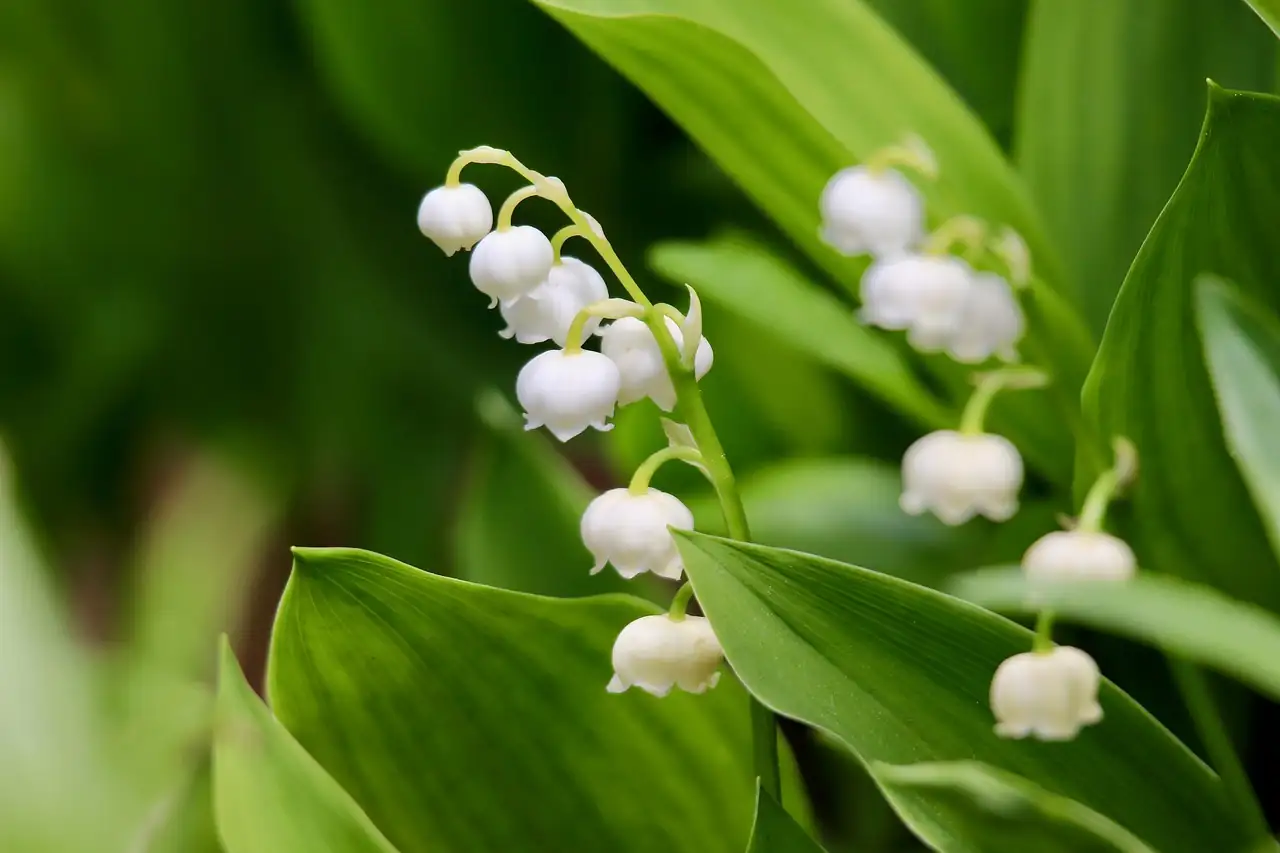
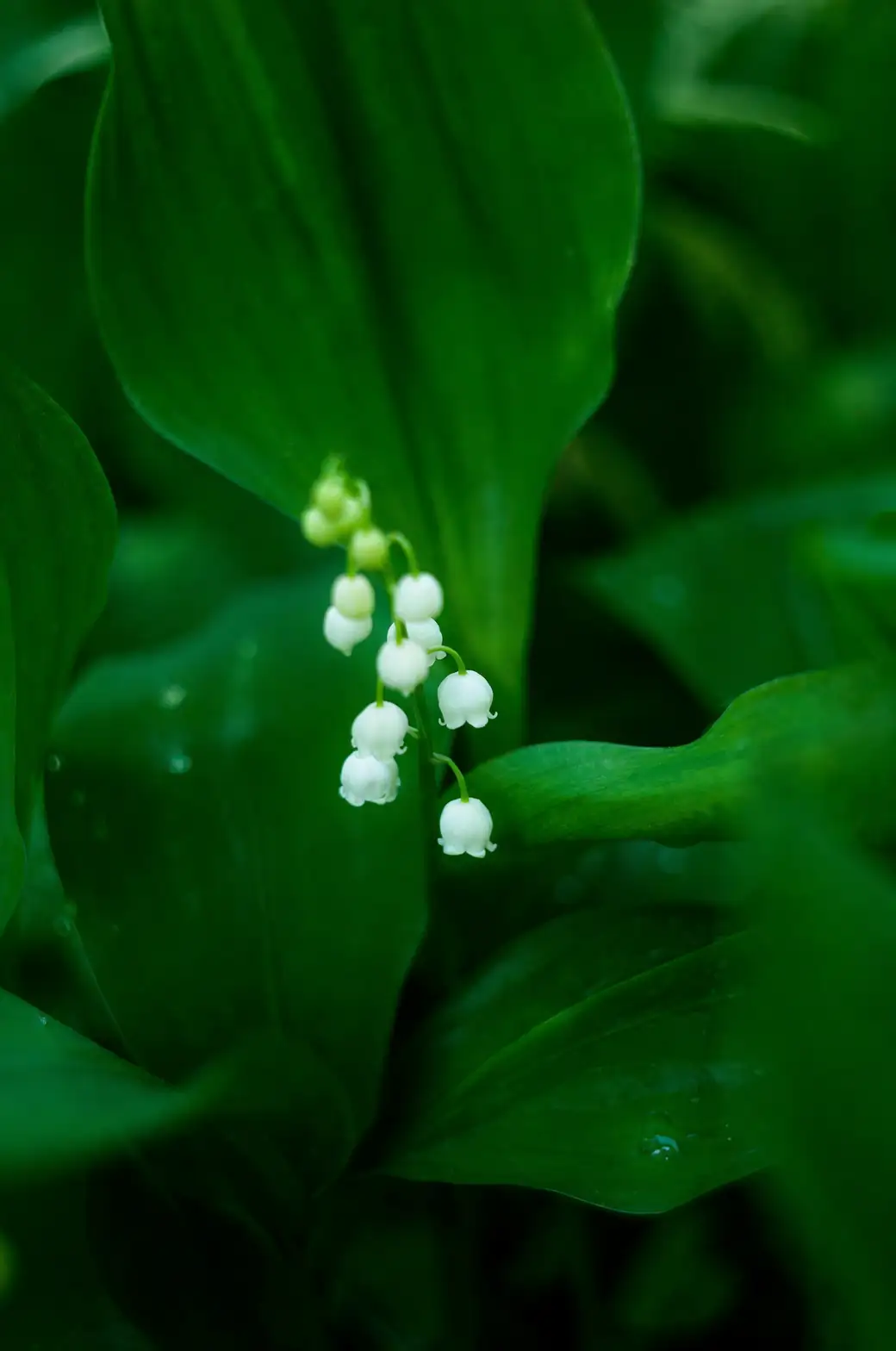
Imagine strolling through a garden in late spring, the air tinged with a fragrance so sweet it seems to sing of happiness. That’s the magic of Lily of the Valley. Each plant carries rows of dainty, nodding white bells that emit a perfume so enchanting, it’s been celebrated in iconic scents like Diorissimo. Despite its modest size—standing just 15–30 cm tall—this plant holds its own in the world of perfumery. Yet, the irony remains: the flowers yield very little extract, so perfumers often recreate the scent with synthetic compounds.
Not Just a Pretty Face
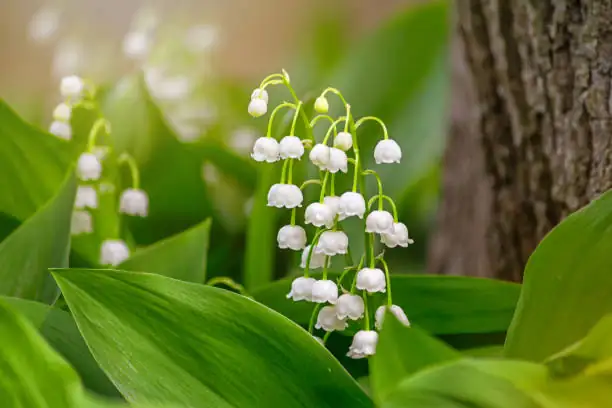
Lily of the Valley might look like a delicate woodland sprite, but don’t let those tiny bells fool you. This plant has a bold personality. It thrives in partial to full shade, making it a perfect companion for woodland gardens under the dappled light of deciduous trees. But beware: it’s an aggressive spreader, forming dense colonies through creeping rhizomes. This tenacity means it can be a gardener’s dream for erosion control or a nightmare if you’ve got limited space.
The Secrets of a Happy Bloom
Have you ever wondered why your Lily of the Valley isn’t blooming as you hoped? It might be missing its winter nap. For this plant to flower well year after year, it needs a period of winter chilling. Without several weeks of temperatures below 7°C (45°F), these little bells might stay silent. The plant’s native habitats in cooler temperate regions of Eurasia and North America provide this natural cycle, but gardeners in warmer climates may need to get creative to replicate it.
A Royal Favorite and a Symbol of Joy
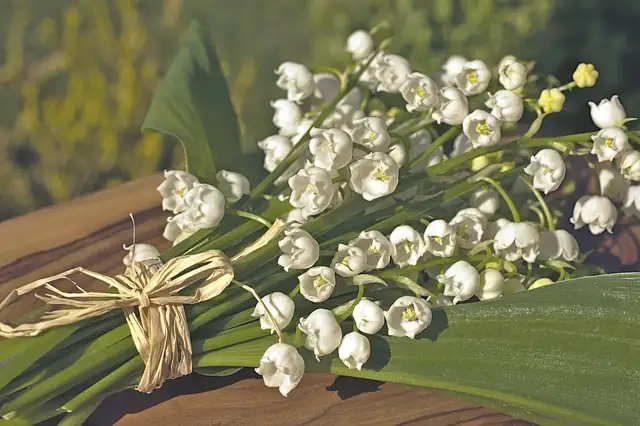
Lily of the Valley has graced royal wedding bouquets, including those of Grace Kelly and Kate Middleton, symbolizing purity and happiness. This aligns with its reputation as a harbinger of spring and the return of joy. In France, May 1st is celebrated as La Fête du Muguet, when sprigs are exchanged for good luck. This tradition underscores the plant’s status as May’s flower of joy, a symbol of renewal and hope.
Handle with Care
As beautiful as it is, Lily of the Valley carries a dark secret: it’s highly toxic. Every part of the plant, from its leaves to its alluring red berries, contains cardiac glycosides, compounds that can cause serious health issues if ingested. This toxicity adds an element of intrigue and necessitates caution, especially if children or pets are nearby.
Fun Facts and Folklore
- Not a True Lily: Despite its name, Lily of the Valley belongs to the asparagus family, Asparagaceae, alongside unexpected relatives like agave and yucca.
- A Birth Flower of May: Its scientific name, majalis, means “of May,” reflecting its status as a quintessential symbol of spring.
- A Legacy of Legends: Folklore suggests the plant sprang from the tears of Eve as she was exiled from the Garden of Eden, adding a layer of mythic allure.
Cultivating Your Own Woodland Haven
For those inspired to cultivate this fragrant gem, remember its love for shady nooks and cool climates. Plant it where it can spread freely but won’t overtake more delicate neighbors. Whether in a container or garden bed, providing the right conditions will ensure that your Lily of the Valley returns each spring, ready to enchant with its sweet song of bells.
In the end, Convallaria majalis is more than just a plant; it’s a living piece of art, a fragrant storyteller, and a reminder of nature’s intricate beauty. Treat it with respect, and it will reward you with its timeless charm and elegance.