When it comes to nurturing a thriving garden or greenhouse, understanding the type of sunlight your plants receive can make a world of difference. Let’s explore the impact of direct versus diffused sunlight and how you can use this knowledge to cultivate healthier plants and maximize your green thumb success.
Direct Sunlight: Bright and Intense
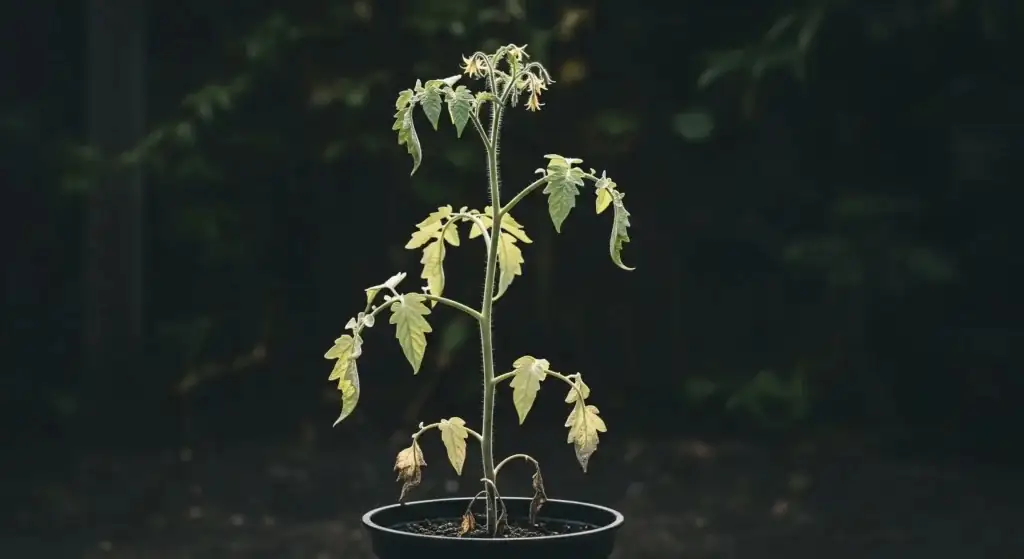
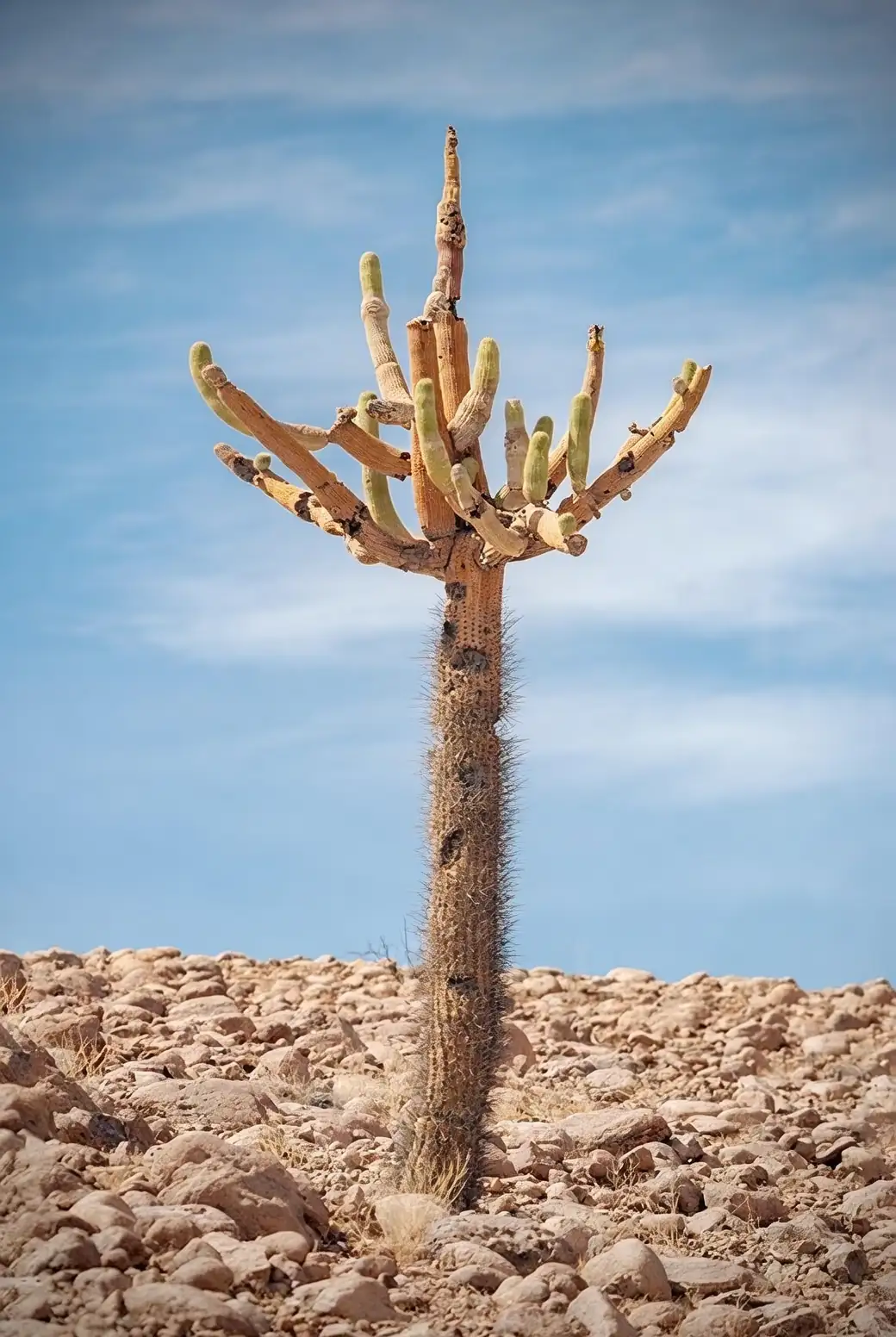
Direct sunlight is the unfiltered light that beams straight from the sun to your plants. While it provides a strong energy source for photosynthesis, it’s a bit of a double-edged sword. On one hand, it ensures that your sun-loving plants, like tomatoes and sunflowers, get the intense light they crave. On the flip side, too much direct exposure can lead to hot spots, sunburn, and heat stress, especially in delicate plants.
When to Use Direct Sunlight:
- Outdoor Gardens: Position sun-loving plants where they can bask in the sun for at least 6-8 hours daily.
- Tough Plants: Ideal for cacti and succulents that thrive in bright, direct light.
Watch Out For:
- Sunburn: If leaves start turning brown at the edges, consider providing some afternoon shade.
- Heat Stress: Ensure adequate watering, as the intense heat can dry out soil quickly.
Diffused Sunlight: Gentle and Even
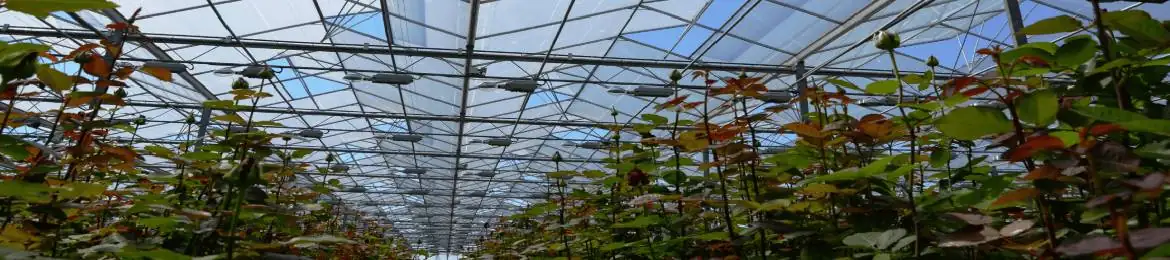
Diffused sunlight is like the soft, even glow you get on a cloudy day. This type of light is scattered, reducing harsh shadows and providing a more consistent illumination. This is particularly beneficial in greenhouses or shaded garden areas, where it promotes uniform growth and reduces the risk of leaf scorch and heat stress.
Benefits of Diffused Sunlight:
- Uniform Growth: Encourages plants to grow more evenly without the risk of hot spots.
- Gentle on Plants: Reduces the risk of burning and allows for better absorption of light energy.
Implementing Diffused Light:
- Greenhouses: Use materials like SolaWrap to scatter light evenly, especially beneficial for sensitive crops like lettuce and cannabis.
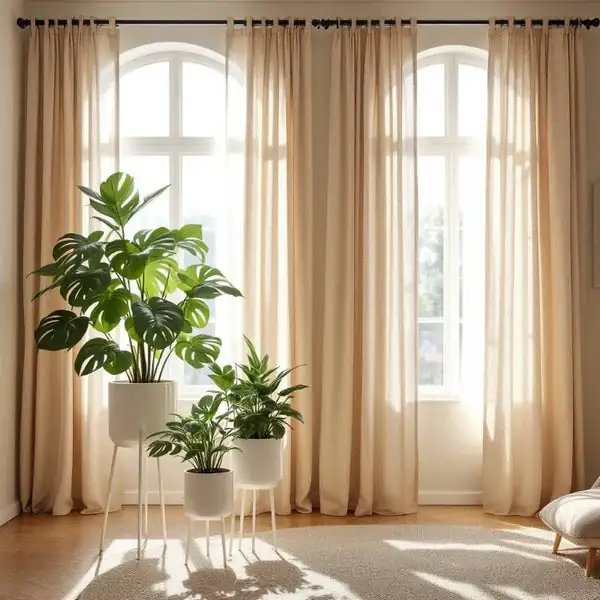
- Indoor Plants: Place curtains or light fabrics over windows to create a diffused light effect.
Practical Tips for Plant Lovers
- Experiment and Observe: Watch how your plants respond to different light conditions. Adjust their positions or the materials used to diffuse light as needed.
- Blend Both Types: For optimal plant health, a mix of both direct and diffused sunlight can often be the most effective approach. Rotate plants or adjust their location to ensure they get the best of both worlds.
- Check Local Conditions: Your geographical location affects the availability of direct and diffused light. In Northern regions, you might rely more on diffused light, while Southern areas benefit from abundant direct sunlight.
By understanding and harnessing the power of both direct and diffused sunlight, you can create an environment where your plants not only survive but truly thrive. So, grab your gardening gear, and let’s make your plant paradise bloom with the right kind of sunshine!