Are you tired of guessing whether your indoor plants are basking in enough light? Let’s shed some light on how to measure sunlight intensity accurately, ensuring your leafy friends thrive in the right conditions.
Why Sunlight Matters for Your Plants
Light is the lifeblood of plants, fueling photosynthesis. Whether your plant is a low-light lover or a sun worshipper, getting the light intensity right can mean the difference between a thriving plant and a wilting one. So, let’s dive into some of the best ways to measure light intensity at home!
Easy Methods to Measure Sunlight Intensity
Eye Test: A Quick Glance
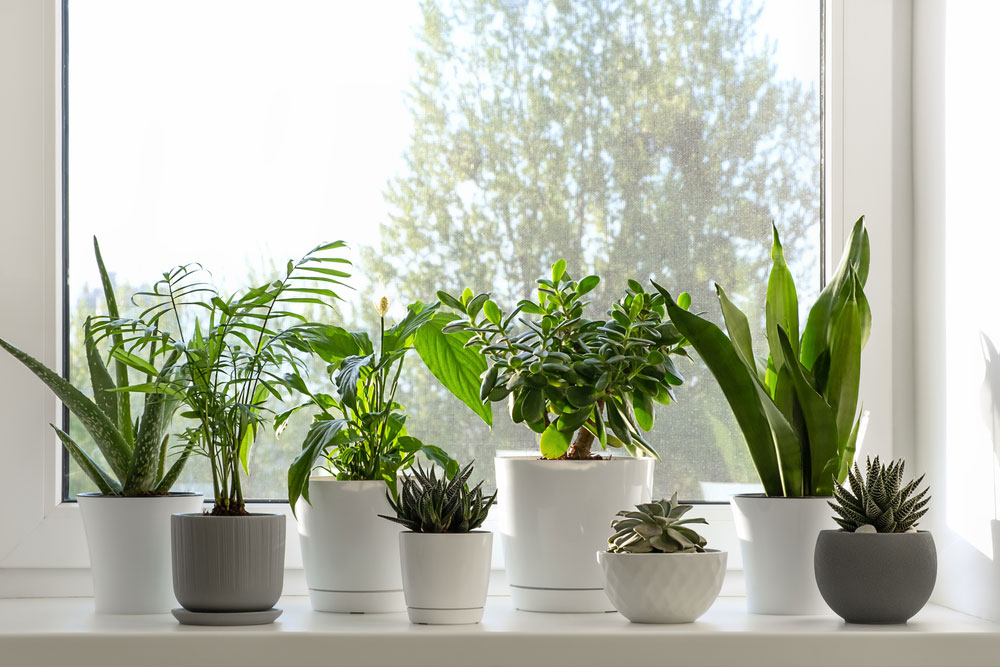
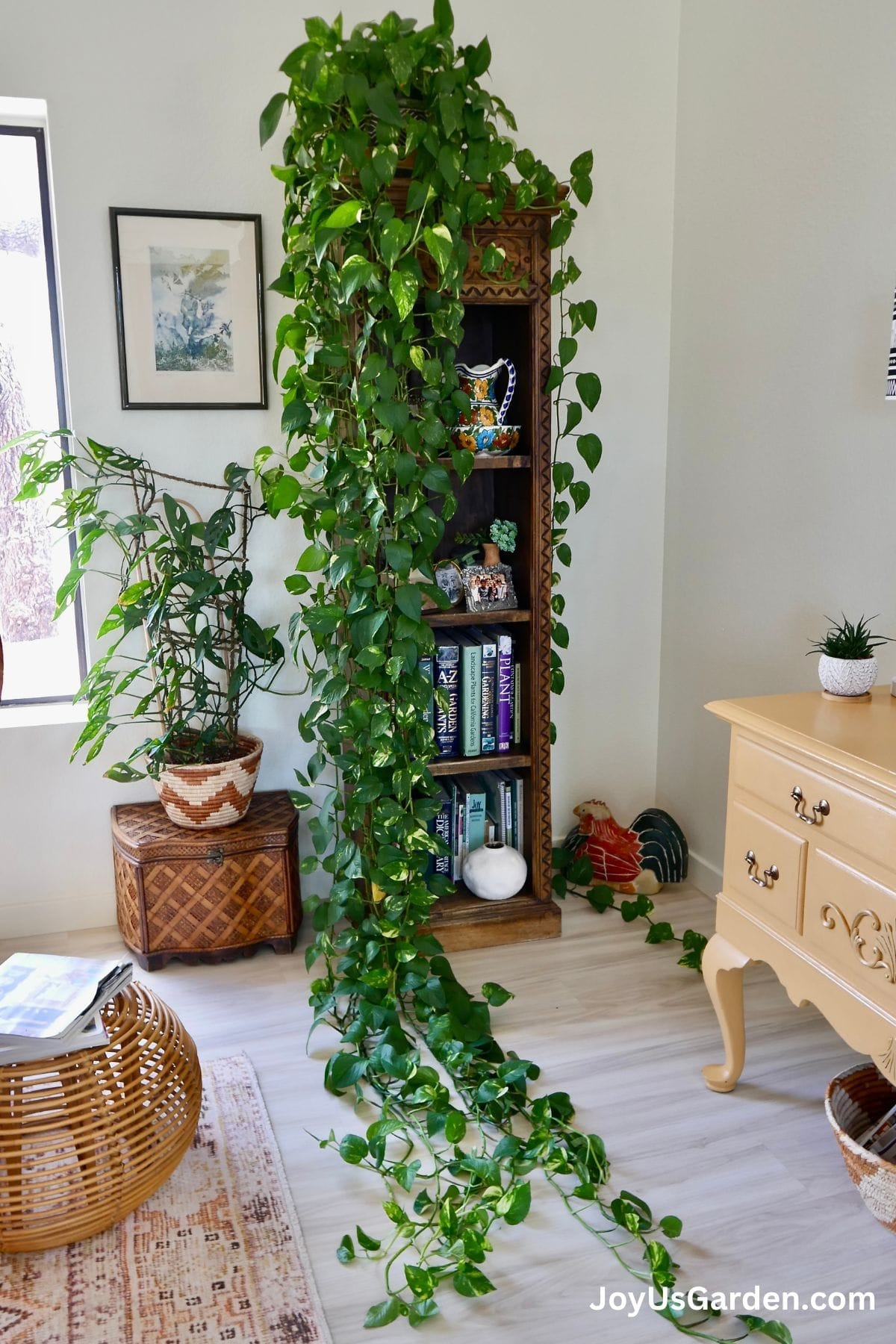
Before reaching for gadgets, take a moment to observe the natural light in your space. Is it bright and direct, or more of a soft, diffused glow? This eyeball test can give you an initial sense of whether you’re dealing with full sun, partial shade, or low-light conditions. Plants like snake plants or pothos can tolerate lower light, while succulents and cacti usually crave full sun.
Smartphone Apps: Tech to the Rescue
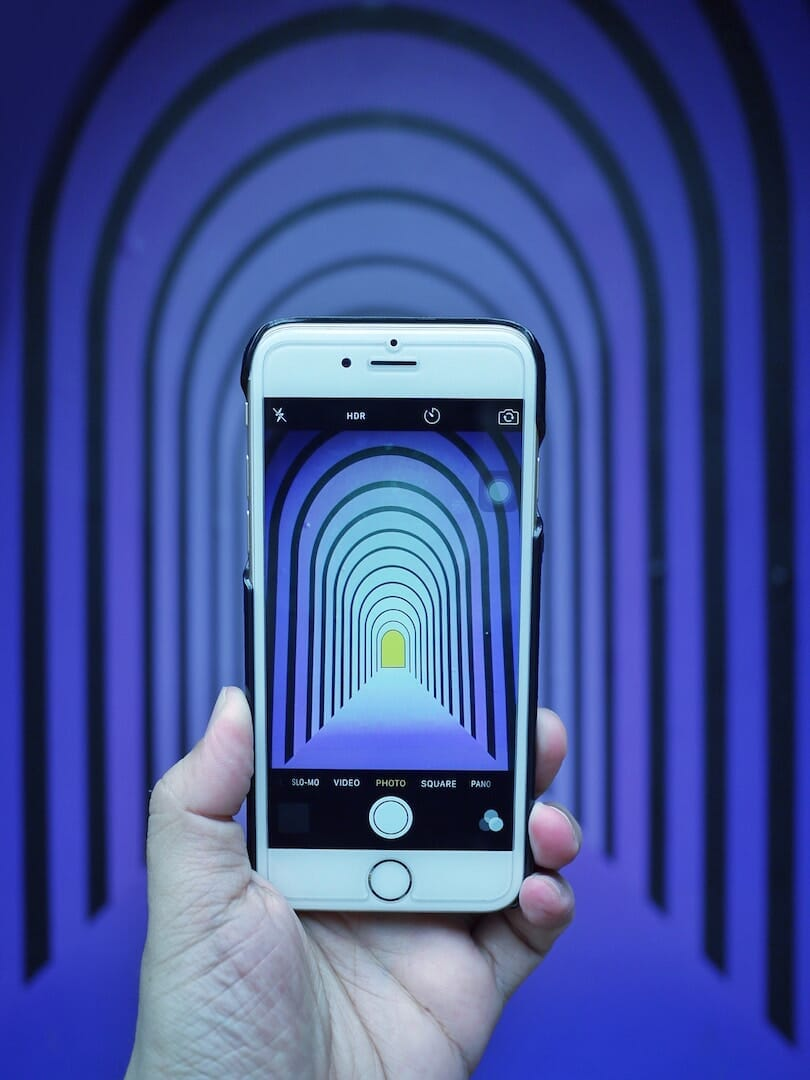
Many smartphones have apps that utilize your camera’s sensor to measure light levels in lux. Simply download a reputable app, point your camera towards the light source, and get a quick reading. This method is handy for those who love integrating tech into their plant care routine.
Lux Meters: Precision Tools
For a more precise measurement, consider investing in a lux meter. These devices are user-friendly and give you a direct reading in lux, the standard unit of light intensity. Here’s how you can use one:
- Calibration: Make sure your lux meter is calibrated according to the manufacturer’s instructions.
- Placement: Hold it at the level of your plant’s canopy.
- Reading: Allow the reading to stabilize and note the lux value. For instance, bright indirect light usually ranges from 10,000 to 20,000 lux.

PAR Meters: For the Dedicated Plant Enthusiast
If you’re a seasoned plant parent or a horticulture hobbyist, a PAR meter measures the Photosynthetically Active Radiation (PAR) light, which plants use for photosynthesis. This can provide a more accurate assessment, especially for plants requiring specific light conditions.
Practical Tips and Common Pitfalls
- Seasonal Changes: Remember that sunlight intensity varies with seasons. A spot that’s sun-drenched in summer might be shaded in winter.
- Window Effects: Light through a window is less intense than direct outdoor light. For instance, direct sun indoors typically ranges from 4,000 to 6,000 foot-candles.
- Monitor Regularly: Reassess light conditions occasionally, especially if you notice your plant’s growth slowing or leaves discoloring.
Final Thoughts
Understanding and measuring sunlight intensity doesn’t have to be daunting. With these practical tips and tools, you can ensure your houseplants receive the light they need to flourish. So, go ahead, grab a lux meter or download an app, and let your plants shine!