
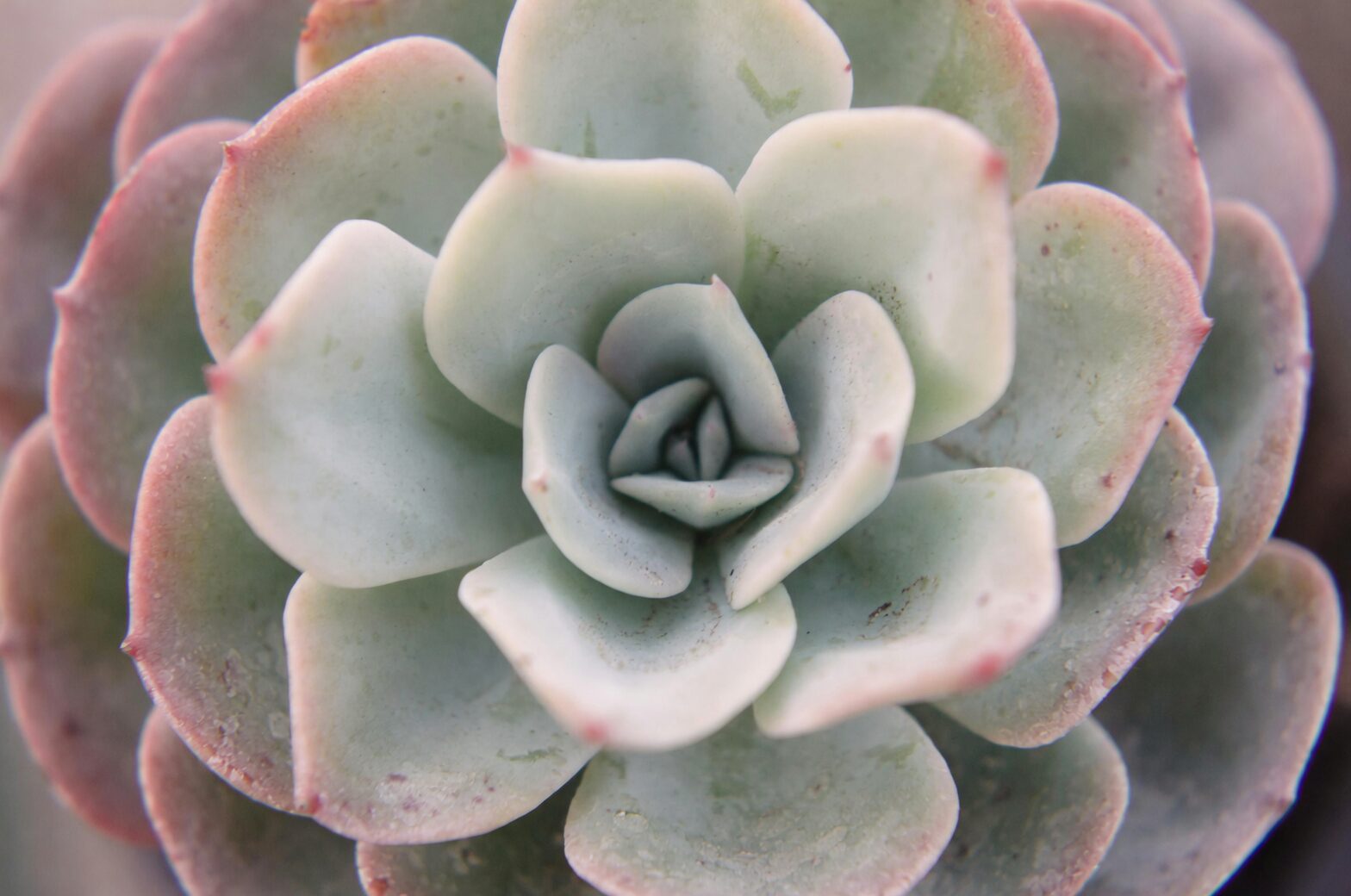
If your Dunce Cap Succulent (Orostachys furusei) suddenly looks lanky, open, or a little “melty,” don’t panic—that’s your plant whispering, “More light, please.” This compact, lotus-like rosette thrives on strong light, gritty drainage, and measured watering. When one of those pillars slips—especially light—the rosette stretches and loosens. Here’s how to diagnose the problem fast, measure your light like a pro (even with a phone), dial in a grow-light setup, and prune/propagate to bring that rosette back to tight, sculptural form.
Fast diagnostics: Is it etiolation, watering, or something else?
Etiolation (stretching from low light) shows up fast on Orostachys furusei. Look for:
- Looser, elongated rosette with gaps between leaves
- Pale or flatter color; leaves narrow or thin
- Leaning or reaching toward the window or lamp
- New leaves smaller, spaced out, or cupped upward
How to confirm in 60 seconds
- Shadow test: Put your hand over the plant at midday. Crisp shadow = decent light. Soft/fuzzy shadow = usually too dim for a tight rosette.
- Lux snapshot (phone app): At plant height, anything consistently under roughly 8,000–10,000 lux for most of the day indoors tends to produce looser growth in small succulents. Target sustained bright conditions instead (see light targets below).
Rule out lookalikes
- Overwatering/slow-drying mix: Leaves go soft or translucent at the base; the plant may wobble or smell sour. Cause: soggy soil, cool temps, or low light. Action: repot into a gritty, fast-draining mix; water only after it dries well; improve airflow.
- Flowering: Orostachys furusei is a monocarpic rosette—after flowering (summer to autumn), the blooming rosette can decline. If you want to prolong a pristine rosette, snip the flower stalk early.
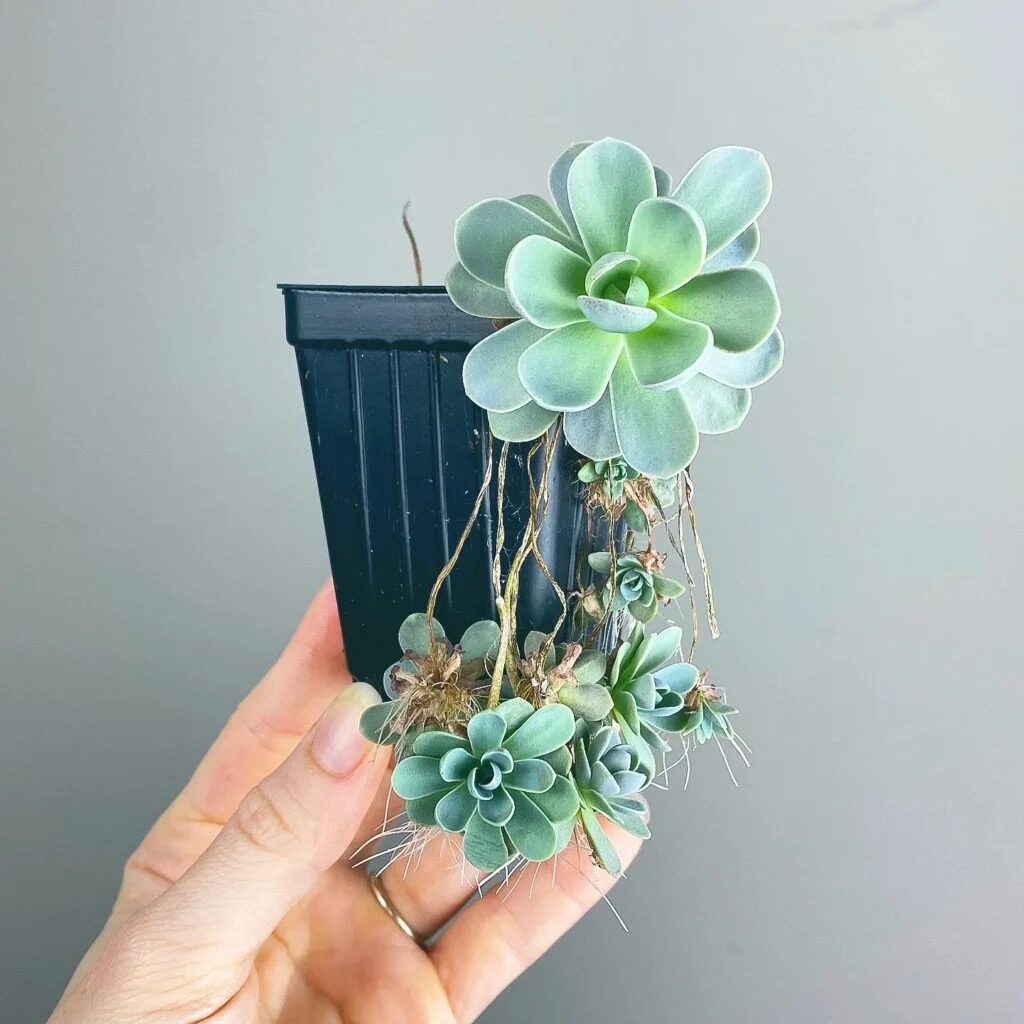
Light targets that keep Orostachys furusei compact
Indoors, most windows don’t deliver enough usable light for tight, layered rosettes year-round. Give this plant a strong, steady dose:
- PPFD (usable plant light): Aim for about 200–350 μmol/m²/s for 10–14 hours daily when growing under LEDs. This keeps leaves thick and rosettes tight without risking scorch behind glass.
- DLI (daily light integral): Roughly 10–15 mol/m²/day is a practical indoor target for neat, compact growth.
- Window strategy: Bright east or southeast windows are ideal; south is great with midday protection in very hot weather (especially behind glass). Light shade in extreme midsummer prevents scorch.
Tip: Indoors, even “bright” rooms are dim to a succulent. If your plant is more than 30–60 cm (1–2 ft) from a strong window, consider supplemental light.
Light-meter hacks with just your phone
You don’t need fancy gear to get actionable data.
- Use a free lux meter app on your phone.
- Take readings at plant height.
- Midday on a clear day, note the peak and average over an hour.
- Indoors, sustained readings below ~8,000–10,000 lux for much of the day often lead to stretch for small rosette succulents.
- Convert (roughly) lux to PPFD for white LEDs:
- For 3000–5000 K white LEDs, PPFD (μmol/m²/s) ≈ lux ÷ 60 (very approximate).
- Example: 18,000 lux ≈ ~300 μmol/m²/s.
- Caveat: This rule-of-thumb is only for white-LED light. Sunlight and colored LEDs skew the math—use PPFD data from your fixture or a dedicated PAR meter when possible.
- Track seasons: Recheck in winter—day length drops, and PPFD often halves. Succulents loosen quickly if you don’t compensate.

Grow-light setups that actually work (and don’t fry your rosette)
Orostachys furusei likes intensity, but glass can magnify heat. Keep it bright and measured.
Single-pot upgrade (desk or windowsill)
- Light: A full-spectrum (white) LED clamp light or 20–40 W bar.
- Placement: 20–30 cm (8–12 in) above the rosette, centered overhead to prevent leaning.
- Photoperiod: 12–14 hours daily.
- Intensity check: Use your lux app; adjust height/dimmer to approximate 200–350 μmol/m²/s (about 12,000–21,000 lux under white LEDs as a ballpark).
- Heat and glare: If the plant sits in a hot, sunlit window, pull the LED slightly higher or diffuse midday sun with a sheer curtain.
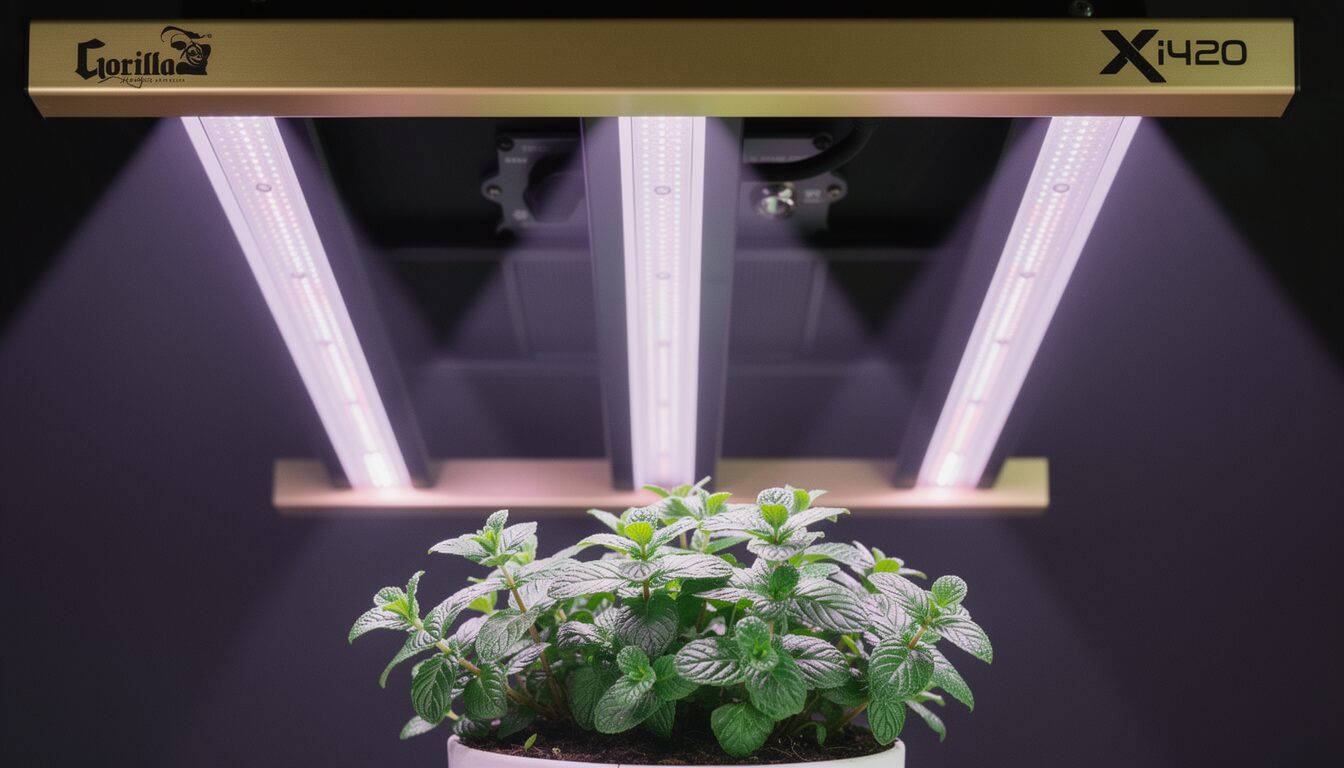
Shelf setup (for multiple succulents)
- Two full-spectrum LED bars spaced evenly above the row; 25–40 cm (10–16 in) from foliage.
- Add reflective sides (white board or Mylar) to even out coverage.
- Use a timer: 12–14 hours.
- Airflow: A gentle fan helps the potting mix dry and prevents leaf spot in damp, stagnant air.
Dialing it in
- If the rosette still loosens, lower the light a little, extend the photoperiod, or increase fixture output.
- If leaf tips scorch or the rosette tightens too hard and stalls in sweltering midsummer behind glass, raise the fixture or provide midday shade.
The recovery plan: from lanky to lotus-like
Step 1: Stabilize light and airflow
- Move to a brighter exposure immediately or switch on your grow light (see targets above).
- Ensure good ventilation; avoid stuffy, damp corners.
Step 2: Reset watering
- Water thoroughly, then wait until the mix dries out well before watering again.
- In bright spring/summer, this might mean every 2–4 weeks in small pots; in winter, far less.
- Overwatering in dim/cool conditions is the fastest route to soft, stretched growth and rot.
Step 3: Repot and remix (spring is best)
- Pot: 12–15 cm (4.7–5.9 in) with drainage for a typical plant.
- Mix: A peat-free base blended lightly with coarse sand, grit, or pumice for very fast drainage. Avoid rich mixes that encourage weak, soft growth.
Step 4: Prune and restart growth
- Remove dead or damaged lower leaves to neaten the rosette and improve airflow.
- If the plant is badly stretched:
- Crown cut and reroot (best in spring): With a sterile blade, cut below the elongated section to rescue the compact crown. Let the cutting callus 3–7 days, then set on barely moist gritty mix. Provide bright light, excellent airflow, and water sparingly until rooted.
- Divide offsets during spring repotting: Separate and pot up rooted pups; they establish fastest and quickly rebuild that neat, layered look.
- Flower stalk management: To prolong a prized rosette’s life and looks, remove the flower stalk as it appears (the blooming rosette may decline after flowering).

Step 5: Feed lightly in active growth
- Use a dilute, balanced fertilizer about once a month in spring/summer; stop in winter. Too much feed + low light = floppy growth.
Seasonal playbook for a tight rosette
- Spring
- Repot, refresh the mix, divide offsets.
- Restart gentle watering and light feeding.
- Set your light plan for the longer days ahead.
- Summer
- Give very bright light; protect from extreme midday heat behind glass.
- Water only after the mix dries; keep airflow up.
- Watch for a flower stalk; snip early if you want to prolong the rosette.
- Autumn
- Growth slows—taper watering, stop feeding.
- Keep light strong to avoid late-season stretching.
- Winter
- Bright, dry, and coolish (but always above 5°C / 41°F). Water sparingly.
- Supplemental light prevents the “winter stretch.”
Environment quick-check
- Sunlight: Bright light to full sun; provide light shade during extreme midsummer heat, especially through windows.
- Temperature: Ideal 20–25°C (68–77°F); never below 5°C (41°F). Not frost hardy—treat as a tender succulent (roughly USDA 10–11 outdoors).
- Humidity: Prefers dry air and a fast-drying root zone; avoid stagnation.
- Placement: Bright windowsill with airflow; outdoors in warm seasons only if protected from heavy rain.
Troubleshooting pests and rot
- Root rot: Almost always slow-drying, wet mix. Repot into gritty soil and let it dry well between waterings; keep warm and bright.
- Mealybugs/scale: Dab with isopropyl alcohol or use horticultural oil/insecticidal soap; repeat until controlled. Improve airflow.
FAQ — fast answers
- Can a stretched rosette “tighten” back up? New growth can—old stretched sections won’t shrink. Restore strong light, then prune and reroot the crown or grow on offsets for a tidy reset.
- Is it safe for pets? No widely cited, species-specific toxicity data. As with most house succulents, keep out of reach of pets and children.
- Can it live outside? Only in frost-free conditions. In warm seasons, it can go outdoors if sheltered from heavy rain; bring it back to a bright indoor spot well before temperatures drop.
A quick note on names and symbolism
Often nicknamed the Dunce Cap Succulent and sometimes “Rock Pine,” Orostachys furusei builds perfect, lotus-like rosettes that can cluster over time—like a parent surrounded by children. That “family” look fuels its gentle symbolism of protection and continuity. Practical tip: because individual rosettes are monocarpic, keeping a few offsets growing ensures your little “family” persists even after a rosette flowers.
With strong, measured light, a gritty mix, and mindful watering, Orostachys furusei rewards you with geometry so crisp it looks hand-carved. Start by measuring your light, tune your setup, and let that rosette snap back into focus.