Springtime is a gardener’s delight, with vibrant blooms and fresh growth promising a season of beauty. However, as nature comes alive, so do the pesky critters that can turn your garden paradise into a battleground. Fear not! Let’s explore some practical and effective pest prevention strategies to keep your garden flourishing and pest-free.
Know Your Enemy: Identify Common Pests
Understanding which pests are likely to invade your garden in spring is the first step in mounting a successful defense. Here are some of the usual suspects:
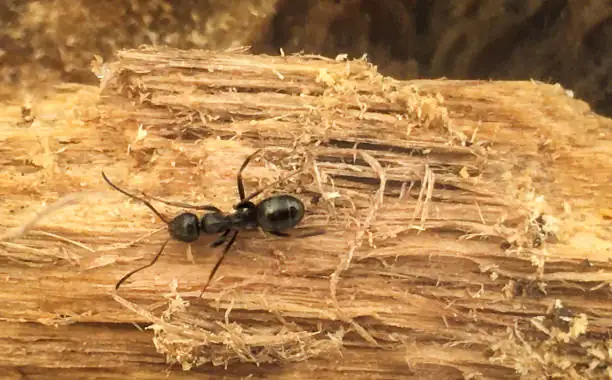
- Carpenter Ants: These large ants can cause significant damage to wooden structures. Look for piles of sawdust-like material, which is a tell-tale sign of their presence.
- Mosquitoes: They thrive in standing water, so eliminating these breeding grounds is crucial.
- Fleas and Ticks: These nuisances can hitch a ride on pets and cause discomfort to both animals and humans.
- Wasps: Watch out for nest-building activities as the weather warms.
Create a Pest-Free Perimeter
1. Seal and Protect
- Cracks and Holes: Inspect your home’s exterior for any gaps or cracks. Sealing these with caulk or weather stripping can prevent pests from finding their way inside.
- Exposed Wood: Treat or paint any untreated wood, especially if it’s in contact with soil, to deter wood-boring insects like termites and carpenter ants.
2. Eliminate Water Sources
- Standing Water: Regularly check your yard for standing water in items like buckets or clogged gutters. Mosquitoes lay their eggs in stagnant water, so removing these will disrupt their lifecycle.
- Leaky Pipes: Fix any leaky faucets or pipes to reduce moisture that attracts pests.

Encourage Natural Predators
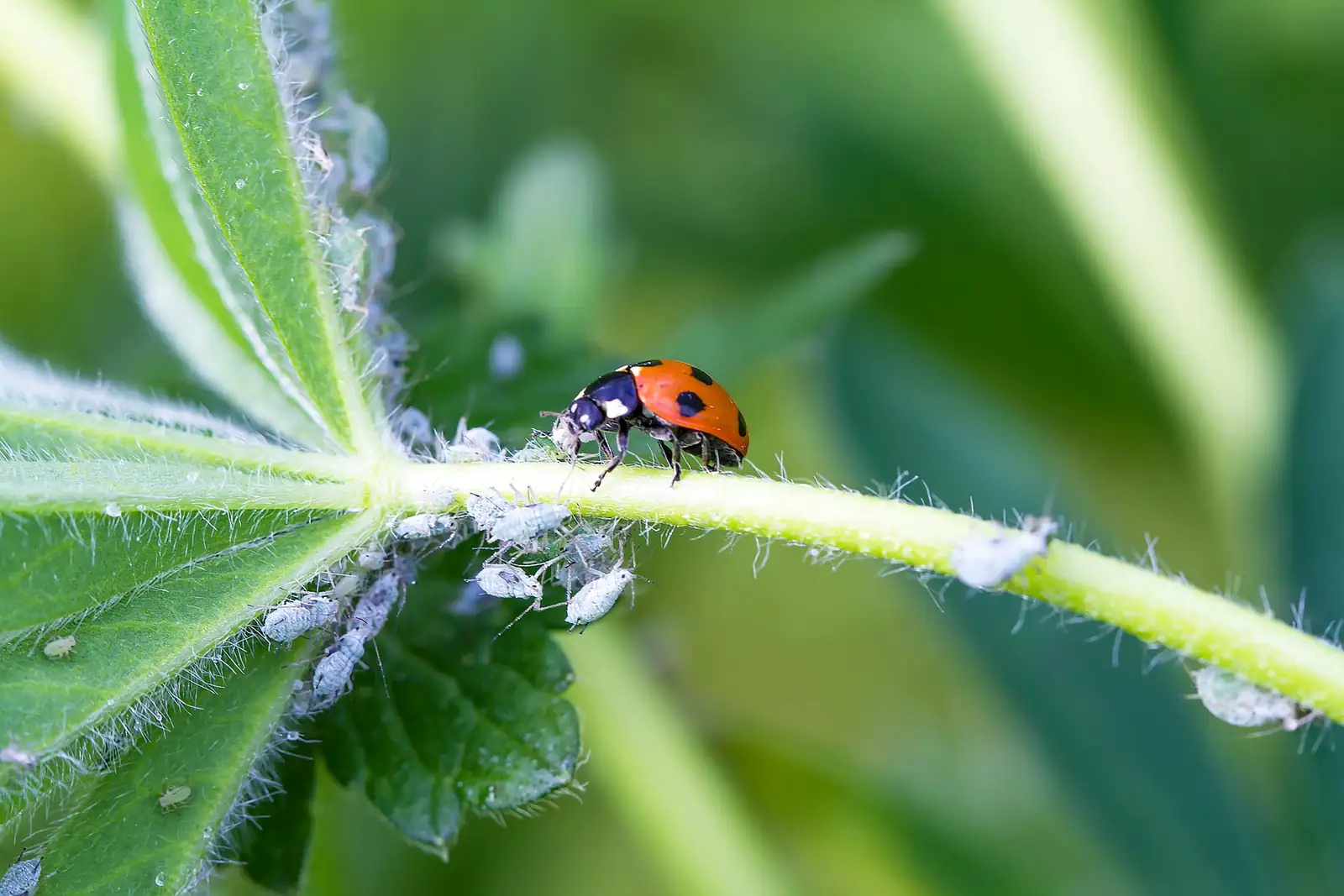
Nature has its own pest control squad! Encourage beneficial insects like ladybugs, lacewings, and hoverflies by planting a diverse mix of flowering species. These predators feed on common garden pests such as aphids and caterpillars.
Use Targeted Treatments
While natural methods should always be your first line of defense, sometimes you need to bring out the big guns with targeted treatments:
- Insecticidal Soaps and Oils: These are effective against soft-bodied insects and can be applied directly to affected plants.
- Diatomaceous Earth: This natural powder dehydrates and kills crawling insects. Sprinkle it around the base of plants and along entry paths.
Before using any chemical treatments, always read the product label and follow safety guidelines. Opt for products that are specific to your pest problem to avoid harming beneficial insects.
Maintain a Clean Garden
A tidy garden is less inviting to pests:
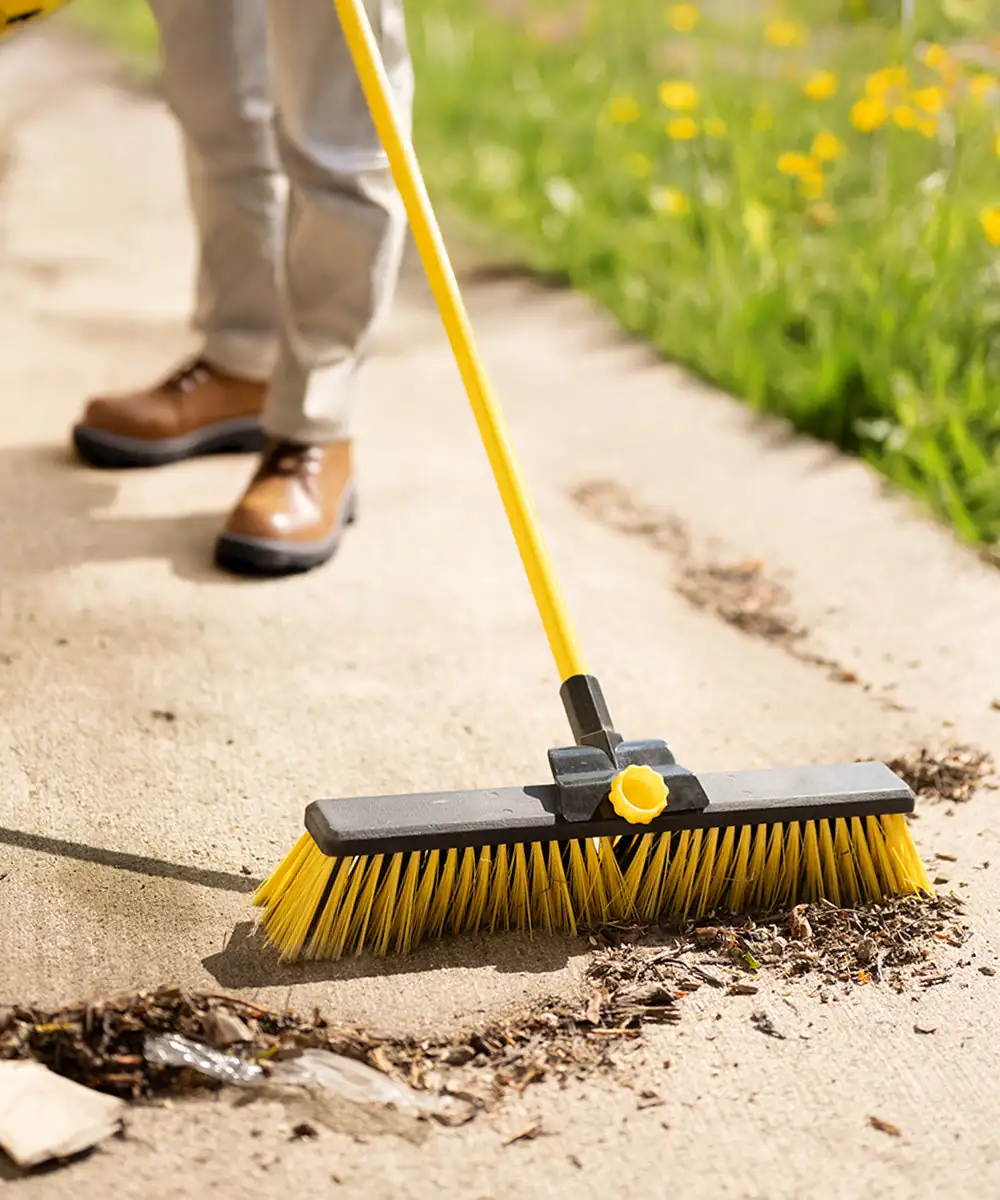
- Remove Debris: Clean up fallen leaves and dead plant material promptly.
- Store Firewood Away from Your Home: This reduces the likelihood of carpenter ants and termites making themselves at home.
Common Mistakes to Avoid
- Overusing Pesticides: Broad-spectrum pesticides can harm beneficial insects and disrupt the natural balance in your garden. Use them sparingly and only as a last resort.
- Ignoring Early Signs: Catching an infestation early makes it easier to manage. Regularly inspect plants for damage or signs of pests.
With these strategies in place, your garden can remain a vibrant, pest-free oasis throughout the spring and beyond. Embrace the season with confidence, knowing you’re equipped to handle whatever nature throws your way!