
Picture a red horn charm glinting on a chain, a string of glossy chiles brightening a sunbaked doorway, and a compact pot of peppers glowing like little candles on a windowsill. Different objects, one shared heartbeat: passion, protection, and prosperity. Meet Capsicum annuum—the ornamental pepper that bridges kitchen fire, folk magic, and modern décor.
Meet the plant behind the passion: Capsicum annuum (Ornamental Pepper)
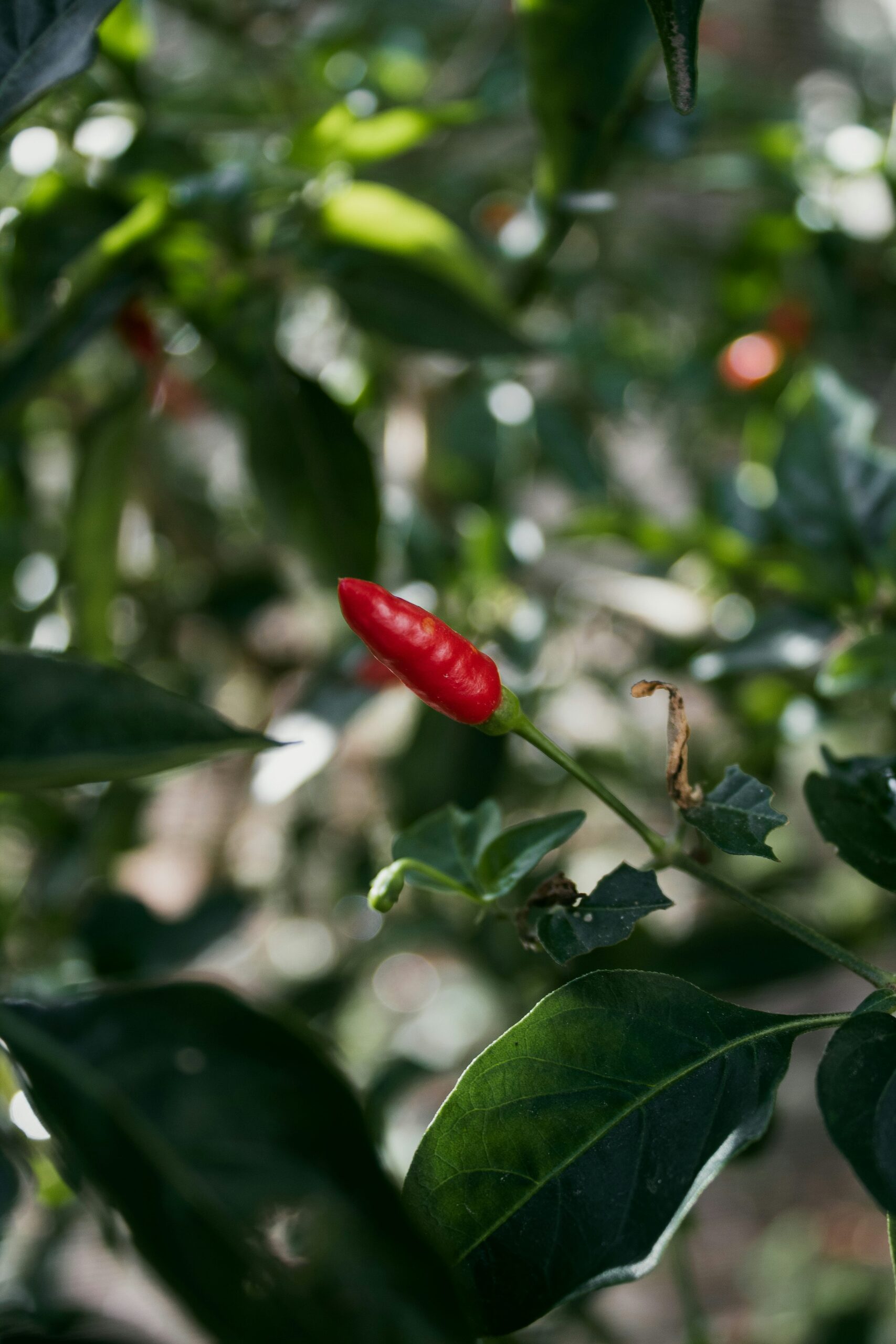
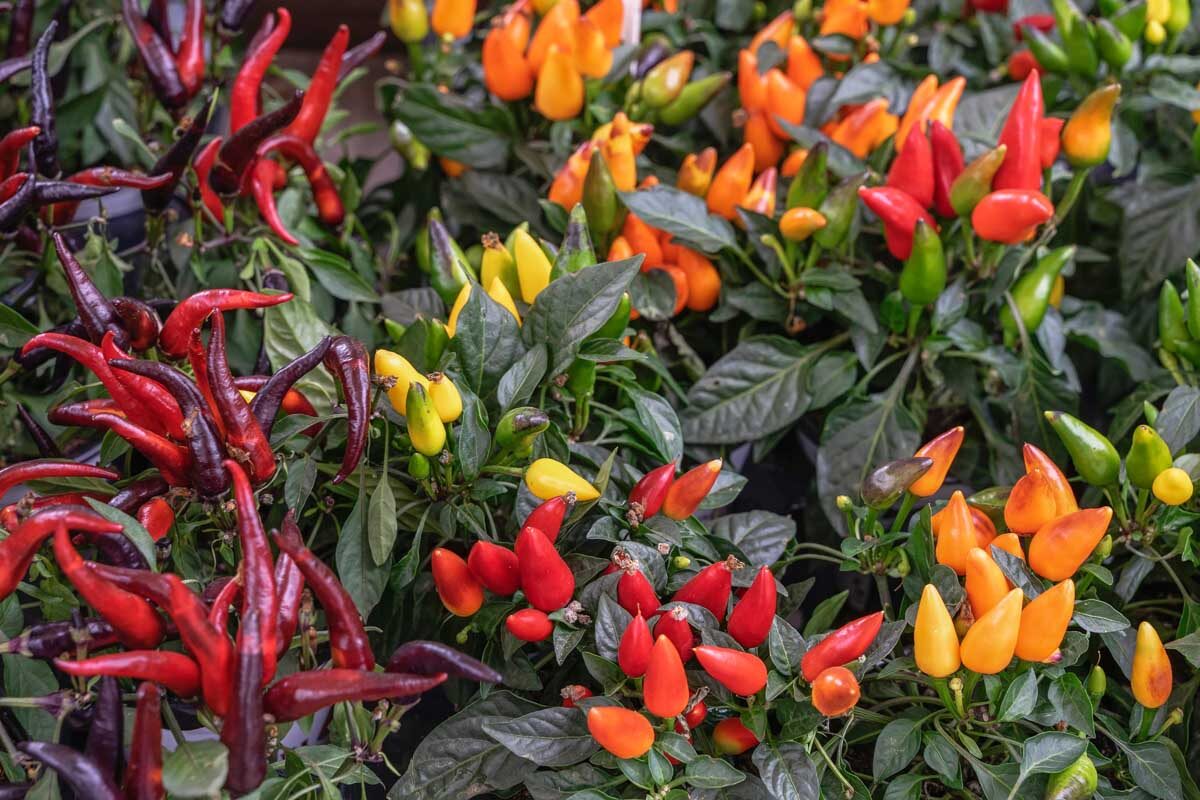
- What it is: A compact, bushy Capsicum grown for its glossy, upright fruits that ripen in waves—often showing green, yellow, orange, red, and sometimes purple all at once.
- Why we love it: The “tiny candle” look is festive, especially from autumn into winter when the fruit display peaks. It’s a classic bright-windowsill or sunny-balcony accent.
- Origin story: Native to the tropical Americas (with a center from Mexico to northern South America), now cherished worldwide in both kitchens and containers.
- Edibility note: It’s the same species as many culinary peppers and technically edible, but ornamental types are often extremely hot. Handle carefully and taste only if you know your tolerance.
Typical size and habit:
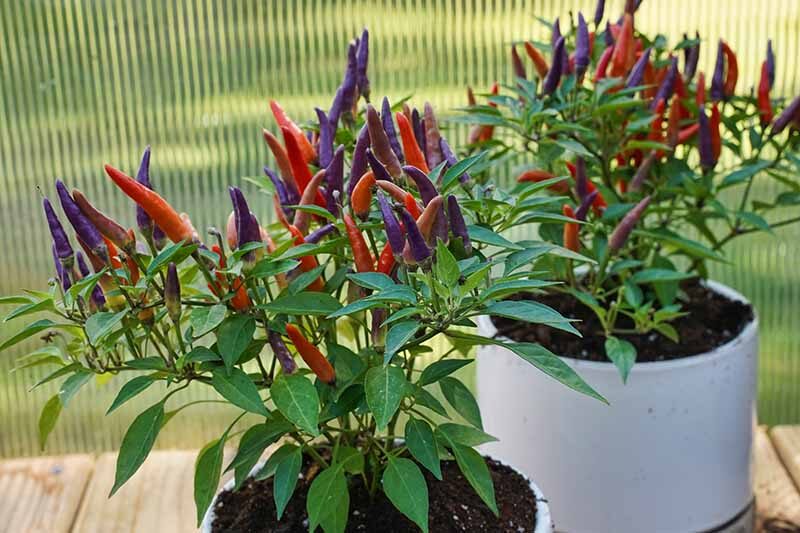
- 20–45 cm tall with a similar spread, often finished in a 12–15 cm pot
- Dense, glossy green foliage as a backdrop for upright, jewel-like fruits
- Small, white, starry flowers precede the color show
Why peppers came to mean passion, protection, and prosperity
Across cultures, peppers have signaled warmth, vitality, and boldness. Their meanings crystallize around three big ideas:
- Passion: Heat on the tongue becomes heat in metaphor—desire, courage, and zest for life. Vivid reds and oranges only fan the flame.
- Protection: Spicy heat and pointed shapes invite apotropaic thinking—charms that “turn away” harm. In many homes and markets, pepper forms are displayed as guardians of thresholds and hearths.
- Prosperity: Plants bursting with fruit suggest abundance. Horn-shaped symbols also evoke the cornucopia—plenty poured forth—making peppers natural emblems for thriving ventures and generous tables.
The Italian cornicello: the “little horn” that looks like a chili

- What it is: A curved, tapering horn amulet—often red—worn or hung to ward off the evil eye and invite good luck. Traditionally crafted from red coral, and today from glass, gold, silver, or other materials.
- Meanings: Virility, vitality, and protective power. Some versions add a crown motif to amplify wishes for status and wealth.
- Pepper connection: While not an actual chili, the cornicello’s sinuous, red, pepper-like silhouette keeps it visually linked to hot-pepper lore and the broader language of fiery protection.
New Mexico’s chile ristras: strings of heat, strings of welcome
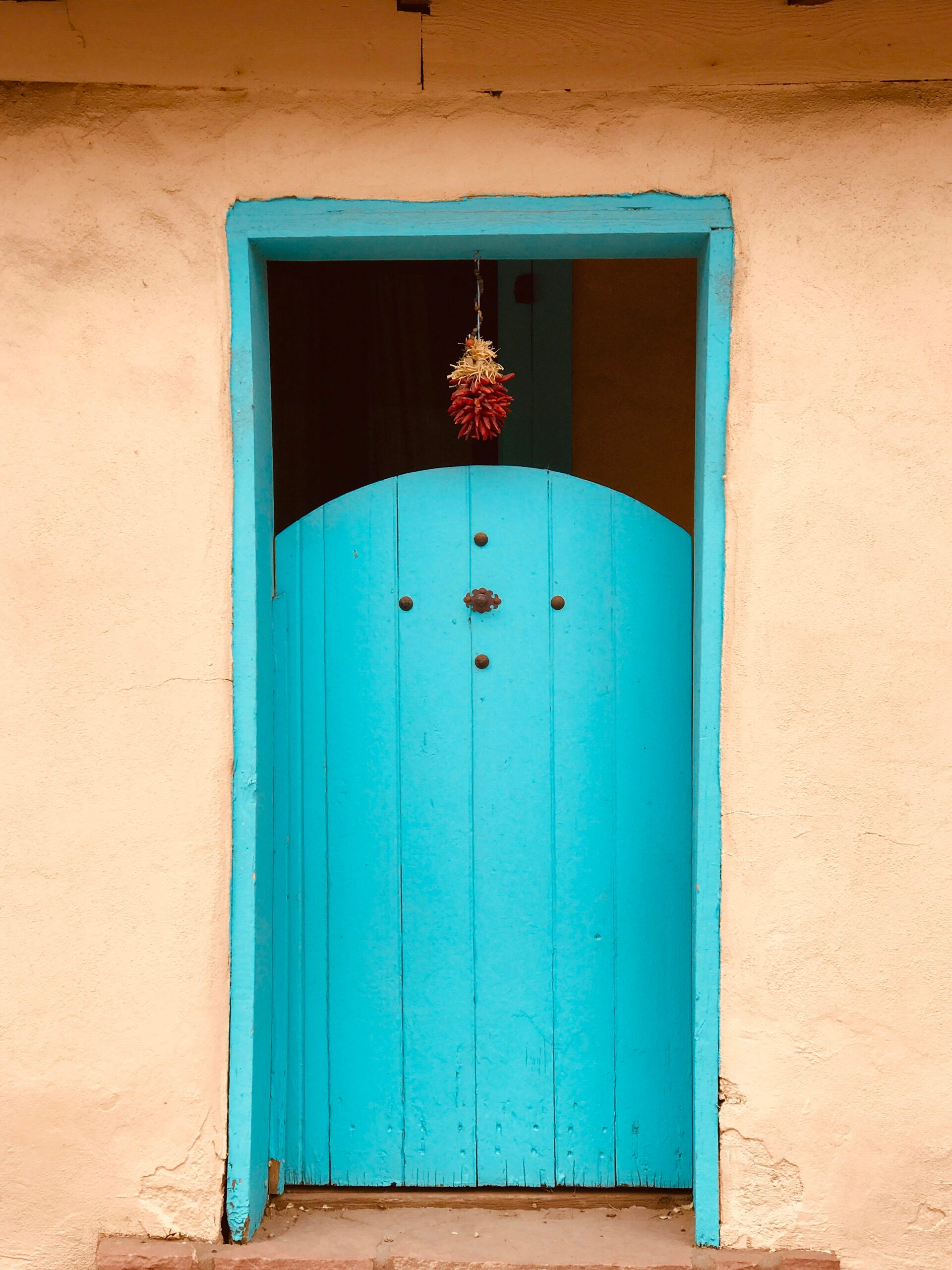
- What they are: Ristras are arrangements of drying chile peppers—often Capsicum annuum varieties such as New Mexico or Anaheim chiles—once purely practical for preserving harvests in the region’s dry air.
- Evolving tradition: Over centuries, they became living emblems of the Southwest—hung by doorways as a warm welcome and “said to bring health and good luck.” Today, they’re also crafted as hearts, wreaths, and crosses, fusing utility with art.
So what’s the “flower language” of peppers, really?
Unlike roses and lilies, peppers weren’t pillars of old floriography handbooks. The modern “language” for Capsicum annuum has likely grown from:
- Color symbolism: Red for passion and protection; yellow and orange for optimism and prosperity; purple for mystery and flair; green for fresh starts.
- Culinary heat: Spice translates easily into metaphors for boldness, courage, and energetic love.
- Form and habit: Upright, candle-like fruits read as celebration; plants loaded with multiple hues signal festivity and abundance.
In short, today’s pepper symbolism is a blend of color psychology, kitchen culture, and folk charms—not a fixed ancient script. Treat it as a vibrant, living vocabulary you can tailor to the occasion.
Gifting and décor: how to “say” it with peppers
Occasions that suit ornamental peppers:
- Housewarming: Protection and a warm welcome—echoes of ristras at the door.
- New venture or promotion: Prosperity and plenty.
- Valentine’s Day or anniversaries: Passion, courage, and “spice.”
What to write on the card:
- Passion: “Here’s to love with a little heat—may it always glow bright.”
- Protection: “A guardian on your windowsill—welcoming luck and turning away ill will.”
- Prosperity: “May this little horn of plenty bless your next chapter with abundance.”
Styling ideas:
- Southwestern welcome: A sunlit entry table with a ristra-inspired accent and a pot of red-fruiting peppers in terracotta.
- Holiday spark: “Christmas Pepper” varieties add pops of red and green to winter décor.
- Modern jewel tones: Pair purple-fruited peppers with slate planters for chic contrast.
- Color-coding the message:
- Red fruits: passion/protection
- Yellow/orange: optimism/wealth
- Purple: mystery/independence
- Green: new beginnings
- White, starry blooms: purity of intention
Safety and placement:
- Keep out of reach of children and pets; capsaicin can burn eyes, mouths, and broken skin.
- Wash hands after handling fruits.
- Place away from bowls of ripening fruit—ethylene can trigger flower/fruit drop.
- Give them the brightest window you have for a long, colorful display.
Quick care guide for a long, lively display
Light and warmth:
- Sunlight: Full sun to very bright light; aim for 6–8 hours daily.
- Temperature: Best at 21–25°C (70–77°F). Growth slows above 30°C (86°F), and below 10°C (50°F) you risk stalls and drop.
Water and humidity:
- Watering: Keep evenly moist; water when the top 2–3 cm (0.8–1.2 in) of mix feels dry. In bright warmth this is often about every ~3 days—adjust to your conditions.
- Humidity: Moderate is helpful. Hot, dry air plus drought leads to blossom and young-fruit drop. Mist lightly in very dry rooms, but avoid leaving foliage wet overnight and ensure good airflow.
Feeding:
- April–August: Feed weekly with a balanced fertilizer (e.g., 20-20-20) at label rates.
- After fruit set: Add 1–2 feeds higher in P and K (e.g., 15-30-15) to support fruiting.
Pruning and thinning:
- Pinch tips 2–3 times early to encourage branching and a full, rounded shape.
- Thin crowded leaves for airflow and selectively thin flowers/fruits if the plant is overloaded.
Placement pointers:
- Brightest windowsill, sunroom, or sunny balcony/patio.
- Keep pots well-drained; avoid waterlogged soil.
Choosing a plant (or seed) that dazzles as a gift
- Look for compact, sturdy, well-branched plants with dense, healthy green leaves.
- Fruits should be glossy, firm, and richly colored—avoid soft, wrinkled, blackened, or rotting pods.
- Popular gift aliases: “Christmas Pepper,” “Five-Color Pepper,” “Ornamental Chili Pepper.”
- Typical finish: A neat 12–15 cm (4.7–5.9 in) pot with a plant about 20–45 cm tall—just right for a bright windowsill.
From seed:
- Sow indoors late winter to early spring; keep at 25–30°C (77–86°F) for fast germination in about 3–5 days.
- Transplant at 8–10 true leaves; expect showy fruits about 60–90 days from sowing under good light and warmth.
Edible—or strictly ornamental?
- Technically edible (same species as many culinary peppers), but ornamental cultivars are often extremely hot. If you must taste, try the tiniest sliver first. Always wash hands after handling.
Bringing it all together
An ornamental pepper can be a living cornicello on your sill—its red, hornlike fruits whispering old promises of protection and plenty—while a New Mexican-style nod to ristras adds the warmth of welcome. Most of all, a pot of Capsicum annuum says what the best gifts and talismans always say: May your home be bright, your table abundant, and your days full of good heat.